Embark on a delicious journey into the world of cheesemaking with How to Make Tangy and Crumbly Goat Cheese (Chèvre)! This guide will transform you from a curious beginner into a confident creator of this versatile and beloved cheese. Chèvre, with its roots steeped in history, offers a unique flavor profile and creamy texture that elevates any dish. Get ready to unlock the secrets behind crafting your own fresh, tangy, and perfectly crumbly Chèvre right in your kitchen.
From understanding the essential ingredients like goat milk and starter cultures to mastering the step-by-step process, this guide covers everything you need to know. You’ll learn about the equipment, techniques, and flavor development secrets that contribute to a truly exceptional Chèvre. We’ll also explore variations, troubleshoot common issues, and provide insights into serving and storing your homemade creation, ensuring you can savor every delicious bite.
What is Chèvre?
Chèvre, derived from the French word for “goat,” is a soft, fresh cheese traditionally made from goat’s milk. It’s a versatile and beloved cheese, appreciated for its tangy flavor and creamy texture. Chèvre offers a delightful culinary experience, whether enjoyed on its own or incorporated into various dishes.
Origins and Historical Significance
Chèvre’s origins are deeply rooted in the history of goat farming and cheesemaking, particularly in the Loire Valley of France. This region’s climate and terrain proved ideal for raising goats, leading to a long-standing tradition of producing goat cheese.The history of Chèvre is interwoven with the lives of the people who cultivated the land and the animals that grazed upon it.
Goat cheese production was initially a means of preserving milk and providing sustenance. Over time, it evolved into an art form, with cheesemakers developing unique techniques and refining flavors. Chèvre became a staple in French cuisine and gradually spread to other parts of the world, where it was embraced and adapted.
Characteristics of Good Quality Chèvre
Identifying high-quality Chèvre involves observing several key characteristics. The appearance, texture, aroma, and taste all contribute to the overall quality of the cheese.* Appearance: Good Chèvre should have a bright white color, which indicates freshness. The surface may be smooth or slightly wrinkled, depending on the aging process. Some Chèvre varieties are coated in ash, which adds a unique flavor and visual appeal.
Texture
The texture of Chèvre varies depending on its age and the cheesemaking process. Fresh Chèvre is typically soft and creamy, easily spreadable. As it ages, it can become firmer and more crumbly.
Aroma
Chèvre should have a clean, slightly lactic aroma, with subtle hints of goatiness. Overly strong or pungent odors may indicate that the cheese is past its prime.
Taste
The flavor of Chèvre is typically tangy, with a characteristic acidity that is balanced by a creamy texture. The intensity of the flavor can vary depending on the age and type of Chèvre, ranging from mild and delicate to sharp and assertive.
Common Uses of Chèvre in Culinary Applications
Chèvre’s versatility makes it a favorite ingredient in a wide range of culinary applications. It can be enjoyed on its own, used as a spread, or incorporated into various dishes.* As a standalone appetizer: Chèvre is often served as part of a cheese board, accompanied by crackers, bread, and fruits. It can also be enjoyed on its own, with a drizzle of honey or a sprinkle of herbs.
In salads
Crumbled Chèvre adds a creamy texture and tangy flavor to salads. It pairs well with various greens, fruits, and nuts. For instance, a classic salad combines Chèvre with mixed greens, beets, walnuts, and a vinaigrette dressing.
In pasta dishes
Chèvre can be used as a sauce ingredient, adding a creamy texture and a tangy flavor to pasta. It can also be crumbled over pasta dishes as a garnish.
In tarts and quiches
Chèvre is a popular ingredient in tarts and quiches, providing a creamy texture and a tangy flavor that complements other ingredients. For example, a quiche can combine Chèvre with spinach, mushrooms, and eggs.
In sandwiches and wraps
Chèvre can be used as a spread in sandwiches and wraps, adding a creamy texture and a tangy flavor. It pairs well with various meats, vegetables, and other toppings.
As a dessert ingredient
Chèvre can be used in desserts, such as cheesecakes, tarts, and ice cream. It adds a unique flavor and creamy texture to these desserts.
Gathering Your Ingredients
To create your own tangy and crumbly goat cheese (Chèvre), you’ll need to gather the right ingredients. The quality of your ingredients directly impacts the final flavor and texture of your cheese. Let’s delve into the essential components.
Goat Milk Varieties
The type of goat milk you use significantly influences the taste of your Chèvre. You can use raw milk (if legal in your area), pasteurized milk, or even a combination. The fat content also plays a role.
- Raw Goat Milk: This milk, straight from the goat, offers the most complex and nuanced flavor profile. It contains a wider range of beneficial bacteria and enzymes, which contribute to a richer, more developed taste in the cheese. However, using raw milk requires careful handling and adherence to strict hygiene practices to minimize the risk of foodborne illnesses. If you’re new to cheesemaking, or in an area where raw milk regulations are complex, starting with pasteurized milk might be preferable.
- Pasteurized Goat Milk: This milk has been heat-treated to kill harmful bacteria, making it safer for consumption. While pasteurization can slightly diminish some of the flavor complexity, it provides a more consistent product and a longer shelf life. Choose a pasteurized milk that is not ultra-pasteurized (UP), as the high heat treatment in UP milk can denature the proteins, potentially affecting the curd formation.
Look for milk with a lower fat content, such as 2% or whole milk.
- Whole Milk: Goat milk naturally has a higher fat content than cow’s milk. Whole goat milk contributes to a richer, creamier Chèvre. The fat content also impacts the final texture, with higher-fat milk yielding a softer, more spreadable cheese.
- Low-Fat Milk: Milk with a lower fat content will result in a firmer Chèvre. This is due to less fat being available to coat the curds. The cheese might be slightly less creamy but will still retain its characteristic tang.
Starter Cultures
Starter cultures are the workhorses of cheesemaking, responsible for the tangy flavor and curd formation in Chèvre. They introduce beneficial bacteria that convert lactose (milk sugar) into lactic acid, lowering the pH and causing the milk to coagulate.
- Mesophilic Starter Culture: This is the most common type of starter culture for Chèvre. Mesophilic cultures thrive at moderate temperatures (typically 70-90°F or 21-32°C). They produce lactic acid and contribute to the characteristic tangy flavor. Cultures come in different strains, each with a slightly different flavor profile. Some common strains include Lactococcus lactis subsp.
lactis and Lactococcus lactis subsp. cremoris.
- Direct-Set Cultures (DVI): These cultures are ready to use and come in single-use packets. This is the easiest option for beginners, ensuring consistent results without the need for propagation.
- Re-Cultivable Cultures: These cultures can be propagated and used repeatedly. While this can be cost-effective, it requires more experience and careful sanitation to prevent contamination.
- Adding Yogurt or Buttermilk as a Starter: In a pinch, you can use plain, unsweetened yogurt or buttermilk containing live, active cultures as a starter. Be sure to check the label for “live and active cultures”. Use about 1-2 tablespoons per gallon of milk. This method is less precise than using a commercial culture, but it can work in a pinch. However, the resulting cheese might have a slightly different flavor profile.
Rennet and Alternatives
Rennet helps to coagulate the milk, forming a solid curd. While not always necessary for Chèvre, it can improve the curd formation, especially if the milk is low in protein.
- Animal Rennet: This is the traditional rennet, derived from the lining of the fourth stomach of young, unweaned ruminant animals (typically calves, lambs, or kids). Animal rennet contains enzymes that efficiently coagulate milk. It’s available in liquid or tablet form. Use according to the manufacturer’s instructions, typically a few drops per gallon of milk.
- Vegetable Rennet: This is a vegetarian-friendly alternative derived from plants, such as thistle, fig sap, or nettle. Vegetable rennet can be slightly less predictable than animal rennet and may produce a slightly more bitter flavor. Use according to the manufacturer’s instructions.
- Microbial Rennet: This rennet is produced by microorganisms. It’s another vegetarian option, but it can sometimes produce a slightly bitter flavor, similar to vegetable rennet. Follow the manufacturer’s instructions.
- Citric Acid: Citric acid can be used to acidify the milk and promote curd formation, especially when combined with a mesophilic culture. It is added to the milk to adjust the pH. Using citric acid alone might result in a slightly different texture than rennet-set cheese.
- No Rennet: Many Chèvre recipes rely solely on the acidification from the starter culture to coagulate the milk. This results in a softer, more delicate cheese. The texture will be different than cheese made with rennet, but the tangy flavor will still be present.
Optional Ingredients
Enhance your Chèvre with a variety of optional ingredients to create unique flavor profiles.
- Herbs: Fresh or dried herbs add aromatic complexity. Popular choices include chives, thyme, rosemary, dill, and oregano. Add them during the final stages of the cheesemaking process, or sprinkle them on the surface of the cheese after draining. Start with about 1-2 teaspoons of dried herbs or 1-2 tablespoons of chopped fresh herbs per pound of cheese.
- Spices: Spices like black pepper, red pepper flakes, or smoked paprika add a kick. Use sparingly, to taste. Start with a pinch or two and adjust according to your preference.
- Garlic: Minced or roasted garlic infuses a savory flavor. Add about 1-2 cloves of minced garlic per pound of cheese.
- Honey: A drizzle of honey complements the tangy flavor. Add to the finished cheese.
- Olive Oil: A drizzle of extra virgin olive oil can enhance the texture and flavor. It can also be used to coat the cheese after it has been drained.
- Salt: Salt is essential for flavor and preservation. Use fine sea salt or kosher salt. Add salt during the draining process or after the cheese has been drained, to taste. Typically, 1-2% of the weight of the cheese is used.
- Other Dairy Products: Adding a small amount of cream (heavy cream) or cultured buttermilk can enhance the creaminess and flavor of the cheese. Add a small amount, to taste, during the initial milk preparation.
Equipment Needed
Making chèvre at home requires some specific equipment to ensure success. Fortunately, you likely already have some of these items in your kitchen, and the rest are readily available. This section Artikels the essential tools and provides guidance on their proper use and care.
Essential Equipment List
Here’s a comprehensive list of the equipment needed to make chèvre, broken down by category:
- Large Pot: A stainless steel pot with a heavy bottom, ideally holding at least 2 gallons (7.6 liters), is crucial for heating the milk. The heavy bottom helps prevent scorching.
- Thermometer: A reliable thermometer, either digital or dial, is essential for accurately monitoring the milk temperature.
- Cheesecloth: Several layers of cheesecloth are needed for draining the curds.
- Colander: A colander, preferably stainless steel or food-grade plastic, will hold the cheesecloth and curds during draining.
- Whisk: A whisk is used for gently stirring the milk while heating.
- Measuring Cups and Spoons: Accurate measurements are critical for consistent results.
- Mixing Bowls: Several mixing bowls are useful for holding ingredients and the finished cheese.
- Cheese Mat or Drying Rack: This allows the chèvre to drain and age properly.
- Storage Containers: Airtight containers are needed for storing the finished cheese.
- Optional: pH meter or pH strips (for monitoring acidity), butter muslin (for a smoother texture).
Cheesecloth Comparison
Cheesecloth comes in various grades, each suited for different purposes in cheesemaking. Understanding the differences will help you choose the right type for your chèvre.
| Type of Cheesecloth | Thread Count | Best Application | Characteristics |
|---|---|---|---|
| Grade 40 (Fine) | Low (approx. 20 x 20) | Straining very fine liquids, such as stocks and broths, or for very smooth cheeses. | Thin, delicate, and more prone to tearing. Provides a very fine filtration. |
| Grade 50 (Medium) | Medium (approx. 30 x 30) | Draining chèvre, ricotta, and other soft cheeses; also for wrapping and aging cheeses. | More durable than Grade 40; provides a good balance between filtration and drainage. Commonly used for general cheesemaking tasks. |
| Grade 60 (Coarse) | High (approx. 44 x 36) | Wrapping larger cheeses for aging, straining thicker liquids. | The most durable and absorbent grade; provides less fine filtration. |
| Butter Muslin | Very High (varies) | Creating a very smooth, uniform texture in cheeses like chèvre or cream cheese. | Finely woven and smooth; provides a very tight filtration. Often used for straining yogurt or making very delicate cheeses. |
Thermometer Usage
Accurate temperature control is vital for successful chèvre making. A thermometer helps you monitor the milk’s temperature during heating and cooling, which influences the curd formation and the final texture of the cheese.
- Calibration: Before each use, especially if using a dial thermometer, check its accuracy by placing it in a glass of ice water. It should read 32°F (0°C). If it doesn’t, adjust it or note the difference for future readings.
- Placement: Position the thermometer so that the sensing part (the bulb or probe) is fully submerged in the milk but not touching the bottom of the pot. This ensures accurate temperature readings.
- Monitoring: Stir the milk gently while heating to ensure even temperature distribution. Observe the thermometer closely, especially during critical stages like heating to the inoculation temperature.
- Types: Digital thermometers offer quick and precise readings. Dial thermometers are reliable but may require more frequent calibration. Infrared thermometers can measure the surface temperature of the milk but aren’t as accurate for overall temperature control during cheesemaking.
- Example: If your recipe calls for heating milk to 86°F (30°C) for adding the culture, monitor the temperature continuously. If the temperature rises too quickly, reduce the heat. If it’s too slow, slightly increase the heat. Maintaining the precise temperature within a few degrees is essential for proper culture activity.
Sterilizing Equipment
Sterilizing your equipment is paramount to prevent unwanted bacteria from interfering with the cheesemaking process. Unwanted bacteria can lead to off-flavors, spoilage, and potential food safety issues.
- Methods: Several methods can sterilize equipment:
- Boiling: Immerse all equipment (except thermometers and delicate items) in boiling water for at least 10 minutes.
- Dishwasher: Run equipment through a hot dishwasher cycle, ensuring it reaches a high temperature (at least 170°F / 77°C).
- Chemical Sterilization: Use a food-grade sanitizing solution, such as a diluted bleach solution (1 teaspoon unscented bleach per gallon of water) or a commercial sanitizing solution. Soak equipment for the recommended time, then rinse thoroughly.
- Pre-Cleaning: Before sterilizing, thoroughly wash all equipment with hot, soapy water to remove any food particles or residue.
- Handling: After sterilization, handle the equipment with clean hands or tongs to prevent recontamination.
- Frequency: Sterilize all equipment before each cheesemaking session.
- Example: After washing your colander and cheesecloth, you can sterilize them by pouring boiling water over them. Let them sit for a few minutes, then drain thoroughly. This will help eliminate any unwanted microorganisms that could impact the flavor and safety of your chèvre.
Step-by-Step Guide
Now that you’ve gathered your ingredients and equipment, let’s dive into the exciting process of making chèvre! This section provides a clear, step-by-step guide to help you craft delicious, tangy, and crumbly goat cheese at home. Following these instructions will ensure a successful cheesemaking experience.
Pasteurizing Goat Milk
Pasteurization is a crucial step, particularly if you’re using raw goat milk. It helps eliminate harmful bacteria that may be present, ensuring the safety of your cheese. While some cheesemakers prefer raw milk for its unique flavor profiles, pasteurization offers an extra layer of safety.Here’s how to pasteurize goat milk:
- Heat the Milk: Gently heat the goat milk in a large, stainless steel pot over medium heat. Use a thermometer to monitor the temperature accurately.
- Target Temperature: Heat the milk to 145°F (63°C).
- Hold Time: Maintain this temperature for 30 minutes. This is known as the “hold” method of pasteurization.
- Cooling: After 30 minutes, immediately cool the milk down to 86°F (30°C) by placing the pot in an ice bath or using a cold water bath. Rapid cooling is essential to prevent further bacterial growth.
Adding the Starter Culture and Ripening the Milk
The starter culture introduces beneficial bacteria that will transform the milk into cheese. This process is crucial for developing the characteristic tangy flavor and texture of chèvre.Follow these steps:
- Prepare the Milk: Once the milk has cooled to 86°F (30°C), it’s ready for the starter culture.
- Add the Culture: Sprinkle the recommended amount of mesophilic starter culture (follow the instructions on your culture packet; typically, it’s about 1/4 teaspoon per gallon of milk) onto the surface of the milk.
- Mix Gently: Allow the culture to rehydrate for a few minutes, then gently stir the milk with a sanitized spoon or whisk to distribute the culture evenly. Avoid vigorous stirring.
- Ripening: Cover the pot and let the milk ripen at a consistent temperature of 70-75°F (21-24°C) for 12-18 hours. This allows the culture to begin acidifying the milk. The milk will thicken slightly during this period.
Incorporating Rennet and Monitoring Coagulation
Rennet, if used, helps to coagulate the milk, forming the curd. The type and amount of rennet depend on your recipe. Vegetarian rennet is a popular option.Here’s how to incorporate rennet:
- Prepare the Rennet: If using liquid rennet, dilute it in a small amount of cool, non-chlorinated water (about 1/4 cup). Follow the manufacturer’s instructions for the correct amount. If using rennet tablets, crush the tablet and dissolve it in the same way.
- Add the Rennet: Gently stir the diluted rennet into the ripened milk for about a minute to ensure even distribution.
- Coagulation Period: Cover the pot and let the milk sit undisturbed at a temperature of 70-75°F (21-24°C). The milk will begin to coagulate, forming a soft curd. This process usually takes 12-24 hours.
- Check for a Clean Break: To determine if the curd is ready, gently insert a clean finger or a knife into the curd and lift it slightly. If the curd breaks cleanly around the knife or finger, leaving a clear whey, it’s ready to be ladled. If not, allow it to coagulate for a bit longer and check again.
Ladling the Curd into a Draining Mold
Careful ladling is essential to preserve the delicate structure of the curd and create the desired texture in your chèvre. Use a slotted spoon or a ladle to gently transfer the curd into your cheese mold.Here’s how to ladle the curd:
- Prepare the Mold: Place your cheese mold (a form with drainage holes) on a rack or tray to catch the whey. Line the mold with cheesecloth, ensuring the cloth overhangs the edges.
- Gently Ladle: Carefully scoop the curd into the mold, working slowly to avoid breaking it up too much. Fill the mold gradually, allowing the whey to drain.
- Even Distribution: Try to distribute the curd evenly throughout the mold.
- Cover and Drain: Once the mold is full, cover the curd with the overhanging cheesecloth and allow it to drain.
Draining the Whey
Draining the whey is critical for achieving the desired texture and moisture content of your chèvre. The draining time will determine the final consistency, ranging from soft and spreadable to more firm.Methods for draining whey:
- Initial Draining: After ladling the curd into the mold, let it drain undisturbed for several hours at room temperature (around 70-75°F or 21-24°C).
- Turning (Optional): If you want a more even shape, you can gently flip the cheese over in the mold every few hours. This helps the whey drain more evenly.
- Draining Time: The total draining time depends on your desired texture. For a soft, spreadable chèvre, drain for 12-24 hours. For a firmer cheese, drain for 24-48 hours or longer.
- Monitoring: Regularly check the cheese to ensure it’s draining properly. You can gently press on the surface of the cheese to encourage whey drainage, but avoid pressing too hard, as this can compact the cheese.
Timeline of the Cheesemaking Process
Here is a sample timeline for making chèvre. Times may vary depending on your specific recipe, environmental conditions, and desired cheese texture.
- Day 1
- Pasteurize milk (if using raw milk): 30 minutes + cooling time (approx. 1 hour)
- Cool the milk to 86°F (30°C): 1 hour
- Add starter culture: 5 minutes
- Ripen the milk: 12-18 hours
- Add rennet (if using): 5 minutes
- Coagulation: 12-24 hours
- Day 2
- Ladle the curd into the mold: 30 minutes
- Draining: 12-48 hours (or longer, depending on desired texture)
- Day 3 (and beyond)
- Salting (optional): Once the cheese has drained to the desired consistency, you can salt it. Sprinkle the cheese with fine sea salt, using about 1-2% of the cheese’s weight.
- Aging/Maturing (optional): For a more complex flavor, you can age the chèvre in a cheese cave or refrigerator for several days or weeks.
- Enjoy!
Flavor Development

The magic of chèvre lies not just in its creamy texture, but also in its complex flavor profile. This flavor is a result of carefully controlled processes and the interplay of various factors during cheesemaking. Understanding these elements is crucial for developing the desired tangy and crumbly characteristics.
Factors Influencing Chèvre Flavor
The flavor of chèvre is influenced by a combination of elements. These factors work together to create the final taste experience.
- Type of Milk: Goat milk’s unique composition is the foundation of chèvre’s flavor. The breed of goat, its diet, and the season all impact the milk’s flavor and, consequently, the cheese. For instance, milk from goats grazing on fresh pasture in the spring tends to produce a sweeter, more delicate cheese, while milk from winter-fed goats may yield a more robust flavor.
- Culture: The starter culture introduces specific bacteria that convert lactose into lactic acid, which is essential for the tangy flavor. Different cultures can create subtle variations in flavor. Some cultures might contribute more pronounced citrus notes, while others might produce a slightly earthy taste.
- Salt: Salt plays a crucial role in flavor development, inhibiting undesirable bacteria and drawing out moisture. It also enhances the perceived sweetness and complexity of the cheese.
- Aging Conditions: Temperature, humidity, and the presence of oxygen during aging significantly impact flavor. Cooler temperatures slow down the ripening process, resulting in a milder flavor. Higher humidity prevents the cheese from drying out too quickly, while controlled airflow can influence the development of surface molds and the overall flavor profile.
- Time: The longer the cheese ages, the more complex the flavors become. Fresh chèvre has a clean, lactic taste, while aged chèvre develops more earthy and mushroom-like notes.
Salting Methods
Salting is a critical step in chèvre production, and the method chosen can influence the cheese’s flavor and texture. There are two primary approaches: dry salting and brining.
- Dry Salting: This involves sprinkling salt directly onto the cheese surface.
- Process: After draining the curd, the cheese is typically placed in a colander or on a cheesecloth-lined surface. Salt is sprinkled evenly over the surface and allowed to draw out moisture.
- Flavor Impact: Dry salting promotes a slower, more even distribution of salt throughout the cheese. This method often results in a slightly less salty and more nuanced flavor profile, allowing the natural flavors of the goat milk and culture to shine.
- Texture Impact: Dry salting helps control moisture levels, contributing to the crumbly texture.
- Brining: This involves immersing the cheese in a salt solution.
- Process: A brine solution is prepared with water and salt (typically around 20-25% salt concentration). The cheese is submerged in the brine for a specific time, depending on the desired salt level.
- Flavor Impact: Brining results in a quicker and more intense salting. The salt penetrates the cheese more rapidly.
- Texture Impact: Brining can influence the moisture content, affecting the final texture. It may lead to a slightly softer cheese compared to dry salting, depending on the brine concentration and duration.
Controlling Acidity and Moisture
Achieving the right balance of acidity and moisture is essential for the perfect tangy, crumbly chèvre.
- Acidity Control: The development of acidity, or lactic acid, is primarily driven by the starter culture. The rate of acidification is influenced by temperature. Warmer temperatures accelerate acid production, while cooler temperatures slow it down. Monitoring the pH level of the curd throughout the cheesemaking process is essential.
- Moisture Control: Moisture is controlled through draining the whey from the curd.
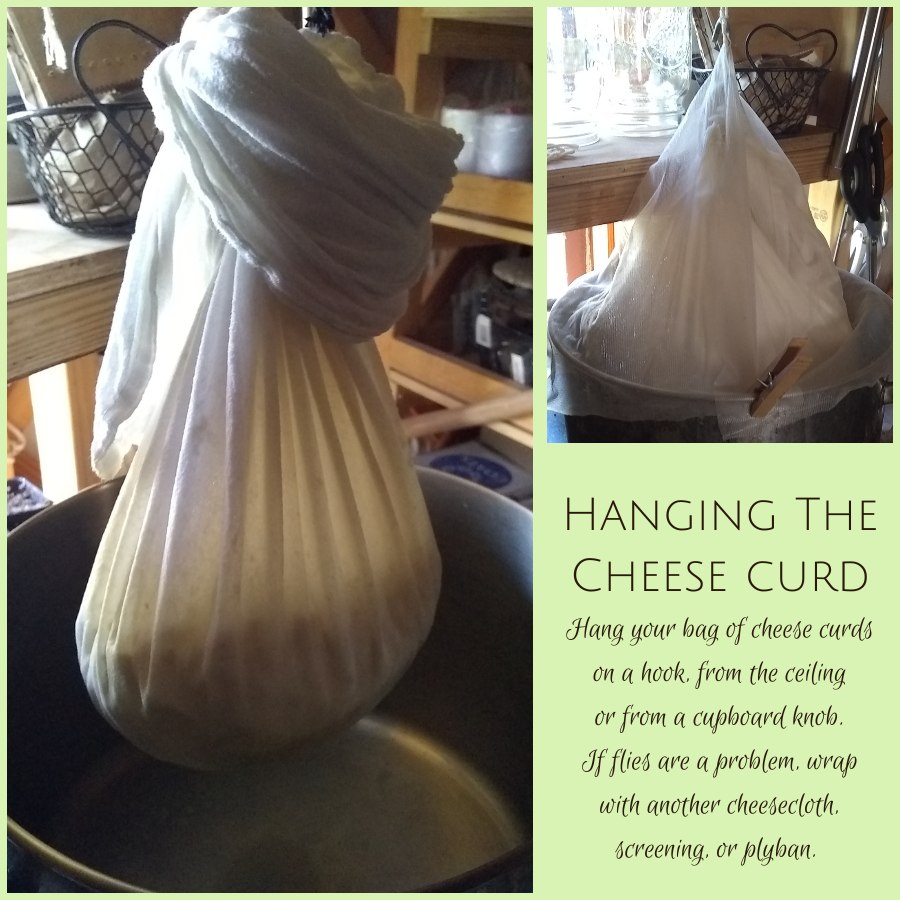
- Draining: The length of time the curd is drained directly affects the moisture content. Longer draining times result in drier cheese, while shorter times produce a moister cheese. The curd can be drained in a cheesecloth-lined mold, a colander, or even a cheesecloth hammock.
- Salting: Salt also draws out moisture. The method and amount of salt used can influence the final moisture level.
- Aging Environment: The humidity level during aging also impacts moisture. Lower humidity encourages moisture loss, leading to a drier, more crumbly texture. Higher humidity preserves moisture.
- Achieving the Desired Texture: For a tangy and crumbly chèvre, aim for a moderate level of acidity (typically a pH between 4.6 and 4.8). The moisture content should be controlled to allow for crumbling but still retain some creaminess.
Aging Chèvre and Flavor Profile
Aging chèvre, while optional, significantly enhances its flavor profile. The aging process is typically done in a controlled environment.
- Aging Process:
- Temperature: Chèvre is often aged at cooler temperatures (around 45-55°F or 7-13°C).
- Humidity: Humidity levels should be moderate (around 75-85%) to prevent excessive drying.
- Airflow: Some airflow is desirable to allow for the development of molds on the surface.
- Flavor Changes During Aging:
- Fresh Chèvre (0-7 days): Characterized by a clean, lactic flavor with a slightly tangy taste. The texture is soft and creamy.
- Aged Chèvre (1-4 weeks): The flavor becomes more complex, with the tang mellowing slightly and the development of earthy or mushroom-like notes. The texture becomes firmer, and the cheese may develop a bloomy rind.
- Aged Chèvre (4+ weeks): The flavors intensify, and the cheese becomes drier and more crumbly. The surface may be covered with a variety of molds, contributing to the overall flavor complexity.
- Impact on Flavor: The longer the chèvre ages, the more pronounced the flavors become. Aging allows enzymes to break down proteins and fats, leading to a wider range of flavor compounds.
Troubleshooting Common Issues
Making chèvre at home can be a rewarding experience, but like any culinary endeavor, it comes with its potential pitfalls. This section addresses common issues that can arise during the cheesemaking process, providing solutions to help you achieve the perfect tangy and crumbly goat cheese. Understanding these problems and their remedies will significantly increase your chances of success.
Cheese That Is Too Sour
Sometimes, your chèvre might turn out excessively sour. This can be a result of several factors.
- Over-culturing: Allowing the culture to ferment the milk for too long is a primary cause. The culture continues to consume lactose (milk sugar), producing lactic acid, which increases the sourness.
- Excessive starter culture: Using too much starter culture can accelerate fermentation, leading to increased acidity.
- Temperature fluctuations: Maintaining the correct temperature is critical. Higher temperatures speed up fermentation, potentially making the cheese more sour. Conversely, lower temperatures slow the process.
- Contamination: While rare, contamination by undesirable bacteria can also contribute to excessive sourness.
To address this issue:
- Carefully monitor the fermentation time: Follow the recipe instructions precisely. Start tasting the curds at the recommended time and stop the process when the desired acidity is reached.
- Measure the starter culture accurately: Use a kitchen scale to measure the correct amount of starter culture.
- Maintain consistent temperatures: Use a thermometer to monitor the milk’s temperature during fermentation. Keep the milk at the recommended temperature.
- Ensure cleanliness: Thoroughly sanitize all equipment to prevent contamination.
- Consider a shorter fermentation time: If the cheese consistently turns out too sour, try reducing the fermentation time in subsequent batches.
Preventing Mold Growth During Aging
Mold can be a concern during the aging process, but with proper techniques, you can minimize its appearance and manage it effectively.
- Proper sanitation: Sterilize all equipment and surfaces that come into contact with the cheese to eliminate unwanted mold spores.
- Controlled environment: Maintain a consistent temperature (typically around 45-55°F or 7-13°C) and humidity (around 80-90%) in your aging environment. A dedicated cheese cave or a controlled refrigerator is ideal.
- Air circulation: Adequate air circulation helps to dry the cheese surface, which can inhibit mold growth. Use a small fan in your aging environment to circulate the air.
- Cheese handling: Handle the cheese with clean hands or gloves.
- Monitoring: Regularly inspect the cheese for mold growth.
If mold appears:
- Identify the mold: Some molds are desirable (like those used in bloomy rind cheeses), while others are not. If you are unsure, consult a cheesemaking guide or expert.
- Remove unwanted mold: If the mold is undesirable, carefully remove it by gently wiping the surface of the cheese with a solution of white vinegar and water or a brine solution.
- Adjust the environment: If mold continues to be a problem, adjust the temperature, humidity, and air circulation in your aging environment.
Cheese That Is Too Soft or Too Firm
The texture of your chèvre can vary, and sometimes it may be too soft or too firm. This is influenced by factors such as moisture content, whey drainage, and the amount of time the curds are drained.
- Cheese that is too soft:
- Insufficient draining: If the curds are not drained long enough, the cheese will retain too much moisture, resulting in a soft texture.
- High moisture content in milk: Milk with a higher water content may produce softer cheese.
- Low acidity: Insufficient acidity can affect curd formation, leading to a softer cheese.
- Cheese that is too firm:
- Excessive draining: Draining the curds for too long removes too much moisture, leading to a firmer texture.
- Low-fat milk: Using low-fat milk can result in a firmer cheese because there is less fat to contribute to a creamy texture.
To address texture issues:
- Monitor the draining process: Carefully follow the recipe’s draining instructions. Adjust the draining time based on the desired texture. Taste the curds frequently as they drain.
- Adjust the acidity: Ensure the correct amount of starter culture is used, and allow for proper fermentation.
- Experiment with milk fat content: If using low-fat milk, consider adding a small amount of cream to achieve a softer texture.
- Use a cheesecloth with appropriate weave: The cheesecloth can influence the rate of draining.
Handling Cheese with an Undesirable Off-Flavor
Off-flavors can sometimes develop in chèvre, potentially stemming from the milk, the cheesemaking process, or the aging environment.
- Milk quality: The quality of the milk significantly impacts the final flavor. Milk that is old, improperly stored, or from animals that have consumed certain feed can impart undesirable flavors.
- Contamination: Contamination by unwanted bacteria or mold can lead to off-flavors.
- Improper sanitation: Failure to sanitize equipment properly can introduce unwanted bacteria.
- Aging environment: The aging environment can influence the flavor of the cheese.
To address off-flavors:
- Use high-quality milk: Source milk from a reputable supplier. Use fresh milk, and ensure it is properly stored.
- Sanitize everything: Thoroughly clean and sanitize all equipment and surfaces that come into contact with the cheese.
- Control the aging environment: Maintain a clean and controlled aging environment, ensuring proper temperature, humidity, and air circulation.
- Isolate affected cheese: If an off-flavor is detected, isolate the affected cheese to prevent the flavor from spreading to other cheeses.
- Discard severely affected cheese: If the off-flavor is strong and undesirable, it may be necessary to discard the cheese.
Variations and Flavor Infusions
After mastering the basic techniques of chèvre making, the culinary world opens up with a plethora of flavor possibilities. Infusing your chèvre with herbs, spices, fruits, and other ingredients allows you to create unique and personalized cheeses. These variations not only enhance the taste but also offer opportunities for creative presentation and pairings.
Popular Flavor Variations
There are many popular ways to infuse chèvre with different flavors. The possibilities are vast, limited only by your imagination and palate.
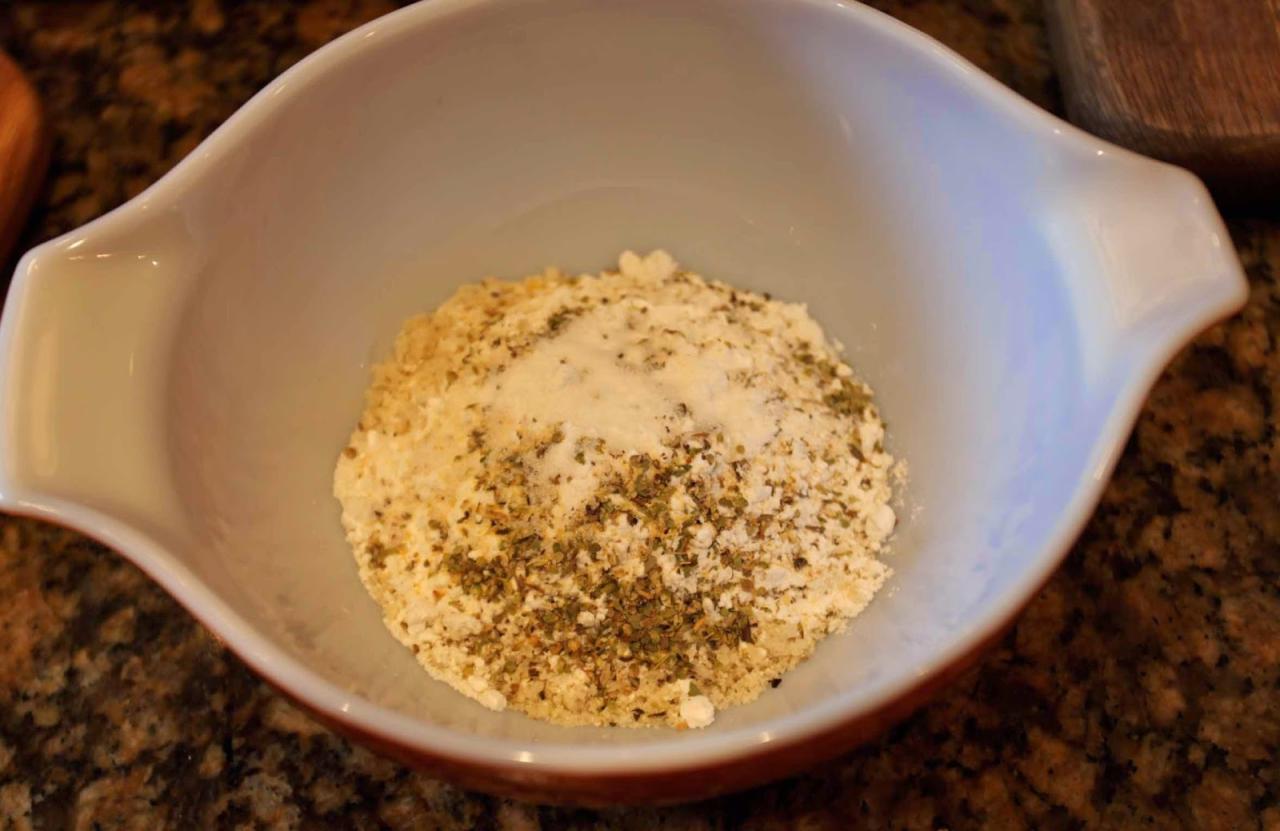
- Herb-Infused: Fresh herbs like rosemary, thyme, chives, basil, and oregano are common additions.
- Peppered: Black peppercorns, cracked or whole, are a classic choice. Other peppers, like red pepper flakes or peppadews, can also be used.
- Honey-Glazed: A drizzle of honey, often with a sprinkle of nuts, adds sweetness and texture.
- Fruit-Infused: Dried or fresh fruits, such as cranberries, figs, apricots, or berries, can be incorporated.
- Spiced: Adding spices like smoked paprika, cumin, or chili powder introduces warmth and complexity.
- Garlic and Onion: Minced garlic or onion, either fresh or roasted, can add savory notes.
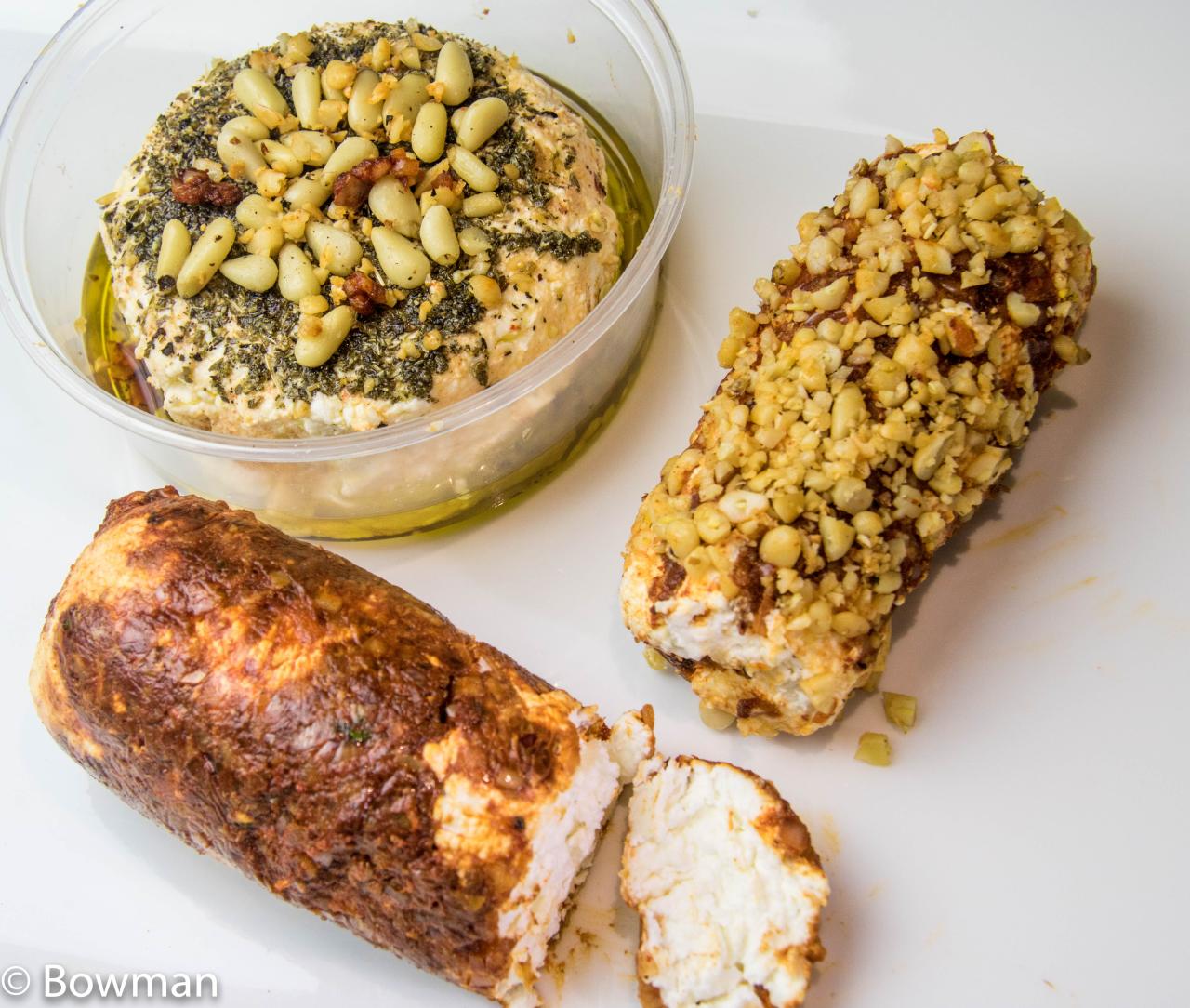
- Nut-Crusted: Rolling the chèvre in chopped nuts, like walnuts, pecans, or pistachios, creates a textural contrast.
Recipes for Flavored Chèvre
Creating flavored chèvre is straightforward. The key is to incorporate the flavorings while the cheese is still soft and pliable. Here are a few recipes to get you started.
- Herb-Infused Chèvre:
- Ingredients: 8 ounces fresh chèvre, 2 tablespoons chopped fresh herbs (rosemary, thyme, and chives are good choices), salt and pepper to taste.
- Instructions: In a bowl, combine the chèvre, herbs, salt, and pepper. Mix gently until the herbs are evenly distributed. Shape into a log or disc and refrigerate for at least 30 minutes to allow the flavors to meld.
- Honey-Glazed Chèvre with Walnuts:
- Ingredients: 8 ounces fresh chèvre, 2 tablespoons honey, 2 tablespoons chopped walnuts.
- Instructions: Shape the chèvre into a log or disc. Drizzle with honey and sprinkle with chopped walnuts. Refrigerate for at least 30 minutes before serving.
- Spicy Red Pepper Chèvre:
- Ingredients: 8 ounces fresh chèvre, 1 teaspoon red pepper flakes, 1/2 teaspoon smoked paprika, salt to taste.
- Instructions: In a bowl, combine the chèvre, red pepper flakes, smoked paprika, and salt. Mix well. Shape and refrigerate for at least 30 minutes.
Unique Flavor Combinations and Suggested Pairings
Experimenting with different flavor combinations can lead to exciting culinary discoveries. Here are three unique combinations with suggested pairings.
Lavender and Honey Chèvre: The floral notes of lavender complement the sweetness of honey, creating a sophisticated flavor profile.
Pairing: Serve on crusty bread with a drizzle of honey and a glass of dry rosé wine.
Fig and Balsamic Chèvre: The sweetness of figs paired with the tang of balsamic vinegar creates a balanced flavor experience.
Pairing: Serve with crackers, prosciutto, and a glass of Cabernet Sauvignon.
Smoked Paprika and Chipotle Chèvre: The smoky and slightly spicy notes of smoked paprika and chipotle peppers add depth and complexity.
Pairing: Serve with tortilla chips and a cold beer, such as a Mexican lager.
Experimenting with Molds and Aging Techniques
Beyond flavor, the presentation and texture of your chèvre can be altered by experimenting with molds and aging techniques.
- Molds: Use different molds to shape the cheese. These can range from simple cylindrical molds to more elaborate shapes. The shape can affect the surface area exposed to air, influencing the rind development and the cheese’s overall appearance. For instance, using a heart-shaped mold can be a great option for a romantic dinner or special occasion.
- Aging: Aging the chèvre can further develop its flavor and texture.
- Wrapping: Wrapping the cheese in cheesecloth, waxed paper, or even aging it in a cheese cave (if you have one) can impact the final product. Cheesecloth can help create a bloomy rind, while waxed paper can retain moisture.
- Rind Development: Encourage rind development by aging the cheese in a cool, humid environment. This will result in a more complex flavor profile.
- Storage: The aging process can take anywhere from a few days to several weeks, depending on the desired outcome. Experiment with different aging times to see how the flavor and texture evolve.
Serving and Storage: Preserving Your Creation
Now that you’ve crafted your own creamy, tangy chèvre, it’s time to enjoy the fruits of your labor! Proper serving and storage are crucial to maximize your enjoyment and ensure your cheese remains safe and delicious. Let’s explore the best ways to serve your chèvre and how to keep it at its peak.
Serving Your Chèvre
The versatility of chèvre makes it a fantastic addition to various dishes and presentations. Its delicate flavor and texture pair beautifully with a wide array of foods.Here are some suggestions:
- On a Cheese Board: Chèvre is a classic cheese board staple. Pair it with crusty bread, crackers, fresh or dried fruits (like figs, apricots, or grapes), nuts (walnuts, almonds), and a drizzle of honey or balsamic glaze. Consider adding cured meats like prosciutto or salami for a more complex flavor profile.
- In Salads: Crumble chèvre over salads for a creamy, tangy contrast. It works particularly well with salads featuring beets, spinach, or mixed greens. A simple vinaigrette dressing complements the cheese perfectly.
- As a Spread: Spread chèvre on bagels, toast, or sandwiches. Add fresh herbs, such as chives or dill, for extra flavor.
- In Pasta Dishes: Incorporate chèvre into pasta sauces or as a topping for finished dishes. Its tanginess cuts through the richness of creamy sauces.
- In Omelets and Frittatas: Add a dollop of chèvre to omelets or frittatas for a creamy and flavorful element.
- With Vegetables: Roasted or grilled vegetables like asparagus, zucchini, or bell peppers pair wonderfully with chèvre.
Storing Your Chèvre
Proper storage is essential to preserve the quality and safety of your homemade chèvre.Here are the best practices:
- Wrap it Properly: After the chèvre has drained and set, wrap it tightly in wax paper or cheese paper. These materials allow the cheese to breathe while preventing it from drying out. Avoid using plastic wrap, which can trap moisture and promote mold growth.
- Store in the Refrigerator: Place the wrapped cheese in the refrigerator, ideally in the cheese drawer or the least cold part of the refrigerator. This helps maintain a consistent temperature.
- Maintain Temperature: The ideal storage temperature for chèvre is between 35-45°F (2-7°C).
- Avoid Strong Odors: Chèvre can absorb odors from other foods in the refrigerator. Store it away from strongly scented items like onions or garlic.
Storage Duration and Signs of Spoilage
Knowing how long your chèvre will last and how to identify spoilage is crucial for food safety.
- Shelf Life: Properly stored homemade chèvre typically lasts for 1-2 weeks in the refrigerator. Flavored chèvre or chèvre with added ingredients may have a slightly shorter shelf life.
- Signs of Spoilage: Be vigilant for signs of spoilage. If any of the following are observed, it’s best to discard the cheese.
- Mold Growth: While some cheeses have edible mold, the presence of unwanted mold (especially fuzzy, colorful mold) on your chèvre indicates spoilage. Small amounts of mold can be trimmed off if it is a surface mold, but if the mold has spread through the cheese, discard it.
- Off-Putting Odor: A sour, ammonia-like, or otherwise unpleasant smell is a sign of spoilage.
- Changes in Texture: The cheese may become slimy, overly dry, or develop an unusual texture.
- Color Changes: Any significant discoloration, beyond the natural variations in the cheese, could be a sign of spoilage.
- What to Do if Cheese Goes Bad: If you detect any of the signs of spoilage, discard the cheese immediately. Do not consume it. Clean the storage container thoroughly to prevent the spread of mold or bacteria.
Wrap-Up
You’ve now navigated the essential steps to making your own exquisite Chèvre! From selecting the perfect goat milk to experimenting with exciting flavor combinations, you’re equipped to create a cheese that is both delicious and a testament to your newfound skills. Embrace the process, celebrate your successes, and don’t be afraid to experiment. With practice and a little patience, you’ll be enjoying the fruits (and cheeses!) of your labor.
Happy cheesemaking!