Welcome to the world of cheese infusion! “How to Infuse Cheese with Herbs and Spices” guides you through the exciting process of transforming ordinary cheeses into extraordinary culinary creations. Imagine the vibrant flavors of fresh herbs and aromatic spices perfectly complementing the creamy textures of your favorite cheeses. This guide unveils the secrets behind this delightful art, offering step-by-step instructions and expert tips to help you create your own flavorful masterpieces.
From understanding the best cheese types for infusion to mastering various techniques like direct incorporation, surface infusion, and oil infusion, we’ll explore every aspect of infusing cheese. We’ll also delve into flavor development, safety, storage, and troubleshooting, ensuring you have all the knowledge needed to succeed. Get ready to elevate your cheese game and impress your friends and family with unique and delicious flavor combinations!
The Art of Herb and Spice Infused Cheese
Infusing cheese with herbs and spices elevates its flavor profile, transforming a simple dairy product into a culinary experience. This process adds layers of complexity, aroma, and visual appeal, making it a favorite for both casual snacking and gourmet applications. From delicate floral notes to bold, spicy heat, the possibilities are vast, catering to a wide range of palates and culinary preferences.Historically, the practice of flavoring cheese is as old as cheesemaking itself.
Early cheesemakers, often with limited preservation methods, discovered that adding herbs and spices not only enhanced flavor but also aided in preservation by inhibiting the growth of certain microorganisms. These early flavorings, used in diverse cultures, laid the foundation for the diverse cheese varieties we enjoy today.
Popular Herb and Spice Combinations in Cheese
The combination of herbs and spices with cheese is a culinary art form. The selection of pairings is crucial, and the possibilities are seemingly endless. Several classic combinations have proven their appeal over time, creating distinctive and delicious flavor profiles.
- Herb-Infused Cheeses: These cheeses often feature fresh or dried herbs, imparting vibrant, aromatic notes. Examples include:
- Feta with Oregano: A classic pairing, oregano’s peppery and slightly bitter notes complement feta’s salty tang.
- Goat Cheese with Lavender: The delicate floral fragrance of lavender adds a touch of elegance to the creamy goat cheese. This pairing is often found in artisan cheeses, where the lavender may be incorporated into the cheese itself or sprinkled on the rind.
- Brie with Rosemary: Rosemary’s pine-like aroma provides a savory counterpoint to the rich, buttery flavor of brie.
- Havarti with Dill: Dill’s fresh, slightly citrusy flavor is a popular choice for enhancing the mildness of Havarti.
- Spice-Infused Cheeses: These cheeses utilize a variety of spices, from mild to intensely hot, to add depth and complexity. Examples include:
- Pepper Jack: This cheese incorporates jalapeño peppers, providing a spicy kick. The heat level can vary depending on the amount and type of pepper used.
- Cheddar with Chipotle: Chipotle peppers, with their smoky, earthy flavor, pair well with the sharp tang of cheddar.
- Monterey Jack with Chili Powder: Chili powder adds a warm, complex heat that complements the mildness of Monterey Jack.
- Gouda with Cumin: Cumin’s warm, earthy flavor is a popular addition to Gouda, adding a depth of flavor that enhances the cheese’s nutty notes.
- Combination Cheeses: Many cheeses blend herbs and spices to achieve a more nuanced flavor profile.
- Asiago with Black Pepper: The sharpness of Asiago is perfectly complemented by the bite of black pepper.
- Chevre with Herbs de Provence: This combination offers a delightful blend of savory and floral notes.
Selecting the Right Cheese
Choosing the right cheese is paramount for successful herb and spice infusion. The cheese’s inherent characteristics – its texture, moisture content, and flavor profile – will significantly impact how well it absorbs the added flavors and how the final product tastes. Careful selection ensures the herbs and spices complement the cheese, creating a harmonious and delicious result.
Best Cheese Types for Infusion
Different cheese types lend themselves to infusion with varying degrees of success. Some are naturally more receptive to absorbing flavors, while others offer a more subtle canvas.
- Fresh Cheeses: These cheeses, with their high moisture content and mild flavor, readily absorb the flavors of herbs and spices. Examples include:
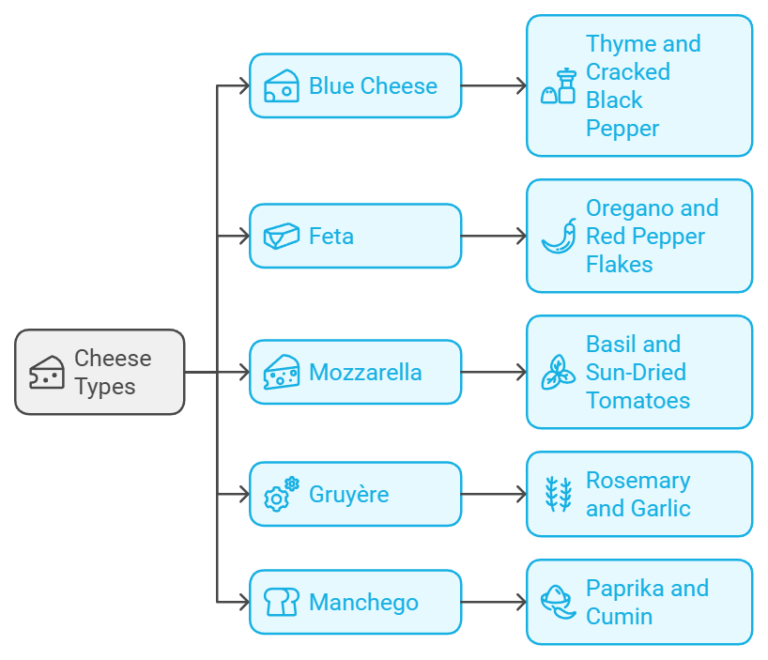
- Feta: Its salty and tangy profile pairs well with Mediterranean herbs like oregano, thyme, and rosemary.
- Chèvre (Goat Cheese): Its creamy texture and slightly tart flavor complement herbs such as chives, dill, and lavender, or spices like black pepper.
- Ricotta: Its delicate flavor is ideal for sweet or savory infusions, working well with cinnamon, nutmeg, or garlic and herbs.
- Semi-Hard Cheeses: These cheeses offer a balance of moisture and flavor, making them good candidates for infusion. They absorb flavors more slowly than fresh cheeses but still provide excellent results. Examples include:
- Monterey Jack: Its mild and buttery flavor is a versatile base for various herb and spice combinations, like jalapeño, cilantro, or a blend of Italian herbs.
- Havarti: Its creamy texture and subtle tang work well with dill, caraway seeds, or smoked paprika.
- Gouda: Offers a sweet and nutty flavor that can be enhanced with smoked paprika, cumin, or a touch of chili flakes.
- Hard Cheeses: These cheeses, with their lower moisture content, absorb flavors more slowly and may require longer infusion times. They are best suited for robust flavors. Examples include:
- Parmesan: Its sharp, salty flavor pairs well with black pepper, garlic, or a blend of Italian herbs. Infusion often involves grating or shaving the cheese to maximize surface area.
- Pecorino Romano: Similar to Parmesan, its strong flavor is well-suited for bold spices like chili flakes or herbs such as rosemary.
- Cheddar: Depending on its age, cheddar can be infused with various flavors. Younger cheddars pair well with chives and garlic, while aged cheddars can handle stronger flavors like smoked paprika or chipotle powder.
Cheeses That Complement Herb and Spice Profiles
Matching cheese with the right herbs and spices is crucial for creating delicious flavor combinations. Consider the inherent characteristics of both the cheese and the chosen ingredients.
- Herbs with Cheese:
- Basil: Works well with fresh cheeses like mozzarella or ricotta.
- Rosemary: Complements hard cheeses such as Parmesan and Pecorino Romano.
- Dill: Pairs perfectly with creamy cheeses like Havarti and goat cheese.
- Thyme: Enhances the flavor of feta and other Mediterranean-style cheeses.
- Chives: Adds a fresh note to soft cheeses like cream cheese and chèvre.
- Spices with Cheese:
- Chili flakes: Add heat to cheddar, Monterey Jack, and other semi-hard cheeses.
- Smoked paprika: Enhances the flavor of Gouda and other smoky cheeses.
- Black pepper: Pairs well with Parmesan, Gruyère, and other hard cheeses.
- Garlic powder: Complements cheddar, Monterey Jack, and many other cheese varieties.
- Cumin: Adds depth to the flavor of Gouda and other cheeses.
Factors to Consider When Choosing Cheese
Several factors influence how well a cheese will take on infused flavors and the resulting taste. Understanding these factors is crucial for making the right choice.
- Moisture Content: Higher moisture content generally leads to better flavor absorption. Fresh cheeses, with their high moisture, infuse quickly. Hard cheeses absorb flavors more slowly.
- Flavor Profile: The existing flavor of the cheese should complement the intended herbs and spices. Consider the cheese’s natural saltiness, tanginess, and nuttiness when making your selection.
- Texture: The texture impacts how the flavors are perceived. Creamy cheeses tend to distribute flavors evenly, while firmer cheeses might offer a more pronounced flavor contrast.
- Age: The age of the cheese influences its flavor intensity and texture. Aged cheeses often have more complex flavors that can stand up to stronger infusions.
Cheese Type, Flavor Profile, and Herb/Spice Pairings
The following table provides examples of cheese types, their flavor profiles, and ideal herb and spice pairings.
| Cheese Type | Flavor Profile | Ideal Herb Pairings | Ideal Spice Pairings |
|---|---|---|---|
| Feta | Salty, Tangy | Oregano, Thyme, Rosemary | Black Pepper, Red Pepper Flakes |
| Chèvre (Goat Cheese) | Creamy, Tart | Chives, Dill, Lavender | Black Pepper, Garlic Powder |
| Monterey Jack | Mild, Buttery | Cilantro, Italian Herb Blend | Jalapeño, Chipotle Powder |
| Havarti | Creamy, Subtle Tang | Dill, Chives | Caraway Seeds, Smoked Paprika |
| Gouda | Sweet, Nutty | Rosemary, Thyme | Smoked Paprika, Cumin, Chili Flakes |
| Parmesan | Sharp, Salty | Basil, Oregano, Italian Herb Blend | Black Pepper, Garlic Powder |
| Cheddar | Varies (Mild to Sharp) | Chives, Garlic | Smoked Paprika, Chipotle Powder |
Choosing Herbs and Spices
Selecting the right herbs and spices is crucial for crafting flavorful, infused cheeses. The choices you make directly impact the final taste profile, aroma, and overall enjoyment of your creation. This guide will help you navigate the world of herbs and spices, ensuring you make informed decisions for truly delicious results.
Selecting Fresh Versus Dried Herbs and Spices
The choice between fresh and dried herbs and spices significantly influences the intensity and type of flavor imparted to your cheese. Both options offer unique advantages, and understanding these differences is key to achieving your desired outcome.Fresh herbs offer a vibrant, bright flavor profile. They contain essential oils that provide a more delicate and nuanced taste. Dried herbs, on the other hand, have a more concentrated flavor because the drying process removes moisture, intensifying the aromatic compounds.Here’s a breakdown of the key considerations:
- Fresh Herbs:
- Flavor Profile: Delicate, bright, and often slightly more subtle.
- Best Uses: Generally preferred for adding a fresh, herbaceous note to cheeses. Great for milder cheeses where you want the herb flavor to shine without overpowering.
- Considerations: Fresh herbs have a shorter shelf life and may introduce more moisture, potentially affecting the cheese’s texture. Use them closer to the cheese’s consumption date.
- Examples: Basil, chives, dill, parsley, tarragon.
- Dried Herbs:
- Flavor Profile: Concentrated, robust, and sometimes slightly earthier.
- Best Uses: Suitable for imparting a more intense flavor, or when fresh herbs aren’t readily available. They also work well in cheeses that will be aged, as their flavor will continue to develop.
- Considerations: Dried herbs can sometimes have a slightly bitter taste if overused. Rehydrate them before use to release their full flavor potential, or consider crushing them to enhance their aroma.
- Examples: Oregano, thyme, rosemary, sage.
- Spices:
- Flavor Profile: Varies widely depending on the spice, ranging from warm and earthy to spicy and pungent.
- Best Uses: To add depth, complexity, and a range of flavors. Some spices are best toasted to bring out their full flavor.
- Considerations: Some spices, like chili flakes, can be quite potent. Start with small amounts and adjust to taste.
- Examples: Black pepper, smoked paprika, cumin, cayenne pepper, nutmeg.
Optimizing Flavor Intensity
Maximizing the flavor impact of herbs and spices requires careful consideration of several factors. These tips will help you achieve the desired level of intensity in your infused cheese.
- Fresh Herbs:
- Chop Finely: Finely chopping fresh herbs releases their essential oils, intensifying the flavor. Use a sharp knife to avoid bruising the leaves.
- Add Towards the End: Add fresh herbs towards the end of the infusion process to preserve their delicate flavors.
- Consider Blanching: Blanching herbs briefly before infusing can help preserve their color and flavor, especially if the cheese will be aged.
- Dried Herbs:
- Rehydrate: Rehydrating dried herbs in warm water or a small amount of oil before adding them can help to “wake up” their flavors.
- Crush or Grind: Crushing or grinding dried herbs releases more of their aromatic compounds, making them more potent.
- Toast: Toasting dried spices in a dry pan before using them can enhance their aroma and flavor.
- Spices:
- Toast: Toasting whole spices like cumin seeds or coriander seeds before grinding them intensifies their flavor.
- Bloom in Oil: Blooming spices in warm oil before adding them to the cheese base can help to extract their flavors.
- Use High-Quality Ingredients: Freshness and quality of spices are critical for their flavor intensity.
- Infusion Time: The longer the herbs and spices are infused, the more intense the flavor will become. Adjust the infusion time to suit the desired flavor profile.
- Ratio of Herb/Spice to Cheese: Experiment with different ratios to find the perfect balance. Start with a small amount and gradually increase it until you achieve the desired taste.
Importance of Quality and Origin
The quality and origin of herbs and spices significantly impact the final flavor of your infused cheese. Choosing high-quality ingredients ensures a superior product.
- Freshness: Opt for fresh herbs that are vibrant in color and free from wilting or browning. Look for herbs with a strong, fresh aroma.
- Source: Consider purchasing herbs and spices from reputable suppliers. Organic options are available, offering a cleaner and more sustainable product.
- Storage: Store herbs and spices properly to maintain their freshness and flavor. Keep them in airtight containers, away from direct sunlight, heat, and moisture.
- Origin: The origin of herbs and spices can influence their flavor profile. For example, oregano from the Mediterranean region often has a more intense flavor than oregano grown elsewhere. Similarly, the origin of peppercorns impacts their heat and aroma. Consider sourcing spices from specific regions known for their quality, like Tellicherry peppercorns from India or smoked paprika from Spain.
- Seasonality: Consider the seasonality of fresh herbs. Using herbs at their peak season provides the best flavor and value. For example, basil is at its best during the summer months.
Common Herbs and Spices and Their Cheese Pairings
Choosing the right combination of herbs and spices can create unique and delicious flavor profiles. Here’s a guide to some common options and their suggested cheese pairings:
- Basil:
- Flavor Characteristics: Sweet, peppery, and slightly minty.
- Recommended Cheese Pairings: Fresh mozzarella, goat cheese, feta, ricotta.
- Chives:
- Flavor Characteristics: Mild onion flavor, fresh and slightly grassy.
- Recommended Cheese Pairings: Cream cheese, soft goat cheese, cheddar.
- Dill:
- Flavor Characteristics: Bright, slightly citrusy, and fresh.
- Recommended Cheese Pairings: Cream cheese, havarti, feta.
- Rosemary:
- Flavor Characteristics: Piney, slightly woody, and aromatic.
- Recommended Cheese Pairings: Parmesan, provolone, hard Italian cheeses, goat cheese.
- Thyme:
- Flavor Characteristics: Earthy, slightly lemony, and aromatic.
- Recommended Cheese Pairings: Brie, Camembert, Gruyere, goat cheese.
- Oregano:
- Flavor Characteristics: Pungent, slightly bitter, and aromatic.
- Recommended Cheese Pairings: Feta, provolone, mozzarella, hard Italian cheeses.
- Black Pepper:
- Flavor Characteristics: Pungent, spicy, and aromatic.
- Recommended Cheese Pairings: Cheddar, Gruyere, Swiss, goat cheese.
- Smoked Paprika:
- Flavor Characteristics: Smoky, sweet, and slightly spicy.
- Recommended Cheese Pairings: Cheddar, Gouda, Monterey Jack.
- Cayenne Pepper:
- Flavor Characteristics: Spicy, hot, and slightly fruity.
- Recommended Cheese Pairings: Cream cheese, cheddar, pepper jack.
- Garlic:
- Flavor Characteristics: Pungent, savory, and aromatic.
- Recommended Cheese Pairings: Parmesan, provolone, goat cheese.
- Cumin:
- Flavor Characteristics: Warm, earthy, and slightly bitter.
- Recommended Cheese Pairings: Cheddar, Monterey Jack, Gouda.
- Nutmeg:
- Flavor Characteristics: Warm, sweet, and slightly spicy.
- Recommended Cheese Pairings: Gruyere, Gouda, Swiss.
Methods of Infusion
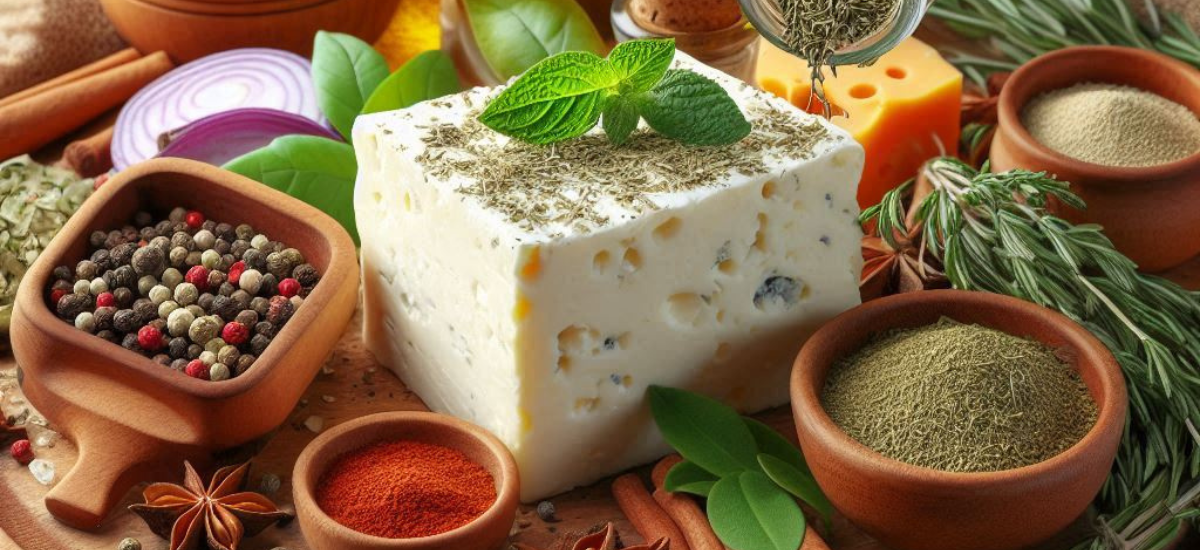
Direct incorporation, the simplest method, involves directly mixing herbs and spices into the cheese. This technique allows for a robust flavor profile, where the chosen additions are evenly distributed throughout the cheese, creating a delightful experience with every bite. This approach is particularly effective for showcasing the textures and colors of the herbs and spices.
Direct Incorporation
This method involves directly mixing the herbs and spices into the cheese. The approach varies depending on the type of cheese, with soft cheeses often handled differently from hard cheeses due to their distinct textures and moisture contents.
Preparing and Incorporating Herbs and Spices into Soft Cheeses
Soft cheeses, with their high moisture content and pliable textures, readily absorb flavors. This makes them ideal for direct incorporation. The process is relatively straightforward, allowing for experimentation with various combinations of herbs and spices.Here’s a breakdown of the steps involved:
Prepare the Cheese
Ensure the soft cheese is at room temperature for easier mixing. This allows the herbs and spices to blend more evenly. Examples of soft cheeses suitable for this method include cream cheese, goat cheese, and ricotta.
Prepare the Herbs and Spices
Fresh herbs should be finely chopped to release their flavors and prevent large pieces from overwhelming the cheese. Dried herbs and spices can be used directly, though grinding them slightly can enhance flavor distribution.
Combine and Mix
Gently fold the herbs and spices into the cheese. Avoid overmixing, which can alter the cheese’s texture. Use a spatula or a fork for this purpose.
Taste and Adjust
After incorporating the herbs and spices, taste a small amount of the cheese. Adjust the amount of herbs and spices as needed to achieve the desired flavor profile.
Chill and Serve
Once the herbs and spices are thoroughly mixed, cover the cheese and refrigerate for at least an hour to allow the flavors to meld. Serve chilled for the best taste experience.
For example, to make a herbed goat cheese, you could mix fresh, finely chopped chives, parsley, and a pinch of black pepper into a log of goat cheese. The cheese can then be served on crackers or used as a spread. The herbs will not only add flavor but also enhance the visual appeal of the cheese.
Infusing Herbs and Spices into Hard Cheeses
Hard cheeses, due to their firmer structure and lower moisture content, require a slightly different approach for direct incorporation. The process focuses on ensuring the herbs and spices are evenly distributed and that they adhere well to the cheese.Here’s a step-by-step procedure:
Prepare the Cheese
Select a hard cheese, such as cheddar, parmesan, or Gruyère. The cheese should be at room temperature for optimal handling.
Prepare the Herbs and Spices
Fresh herbs should be finely chopped or minced. Dried herbs and spices can be used as they are. For larger herbs, consider a more coarse chop to prevent them from becoming lost in the cheese.
Incorporate the Herbs and Spices
There are several methods to incorporate herbs and spices into hard cheeses:
- Surface Application: This method is suitable for aged cheeses. After the cheese is cut into the desired shape, press the herbs and spices onto the surface. This works well for cheeses like Parmesan.
- Mixing with the Cheese: Grated or shredded hard cheese can be mixed with herbs and spices. This method works well for cheeses like cheddar, where the herbs and spices will be dispersed throughout.
- Layering: In the case of a cheese wheel or block, you can create layers of cheese and herbs and spices. This provides a visually appealing aesthetic and flavorful experience.
Press and Seal
For surface application, lightly press the herbs and spices into the cheese to ensure they adhere. If mixing or layering, make sure the herbs and spices are evenly distributed.
Age or Refrigerate
Depending on the cheese and method, you may need to age the cheese further to allow the flavors to develop, or refrigerate it to maintain freshness. Surface-applied cheeses may be wrapped to retain moisture.
Serve
The cheese can be sliced or grated, depending on the method used.
For example, to create a spiced cheddar, you can grate cheddar cheese, mix it with a blend of paprika, garlic powder, and cayenne pepper, and then press the mixture back into a block. The result is a cheese with a complex flavor profile, perfect for grating over dishes or serving with crackers. This direct method offers an easy way to infuse hard cheeses with aromatic herbs and spices.
Methods of Infusion
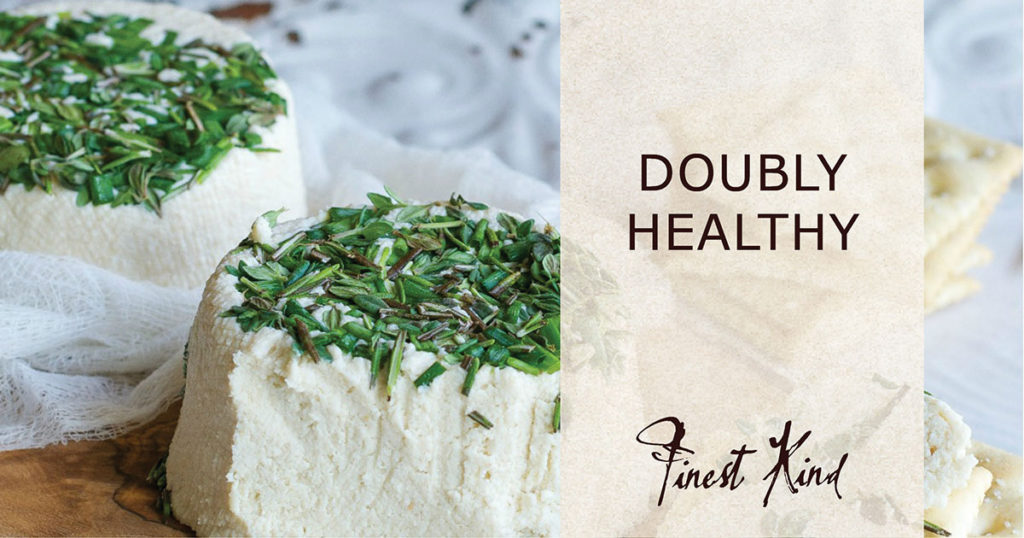
Surface infusion is a technique that beautifully transforms cheese by applying herbs and spices directly to its exterior. This method imparts flavor and creates a visually appealing presentation, making it a favorite for cheese boards and culinary creations.
Surface Infusion Explained
Surface infusion involves coating the exterior of a cheese wheel or block with a layer of herbs and spices. This creates a flavorful crust that enhances the cheese’s taste and texture. It’s a relatively simple process that allows for creative flavor combinations and a stunning visual impact.
Surface Coating Recipes
Creating the perfect coating involves selecting complementary herbs and spices that will enhance the cheese’s natural flavors. Here are some recipe suggestions for various cheese types:
- For a soft, bloomy rind cheese like Brie: Combine dried lavender buds, cracked black peppercorns, and finely chopped rosemary. This combination offers floral notes with a peppery bite and herbaceous aroma.
- For a firm, aged cheddar: Use a blend of smoked paprika, dried chili flakes, and finely ground cumin. This will add a smoky, spicy, and earthy depth to the cheddar’s sharp flavor.
- For a fresh goat cheese log: Coat the log in a mixture of chopped fresh chives, parsley, and a touch of lemon zest. This will create a bright, fresh, and slightly citrusy coating.
- For a semi-hard cheese like Gruyère: Use a mix of finely chopped walnuts, dried thyme, and a pinch of nutmeg. This combination will offer a nutty, savory, and subtly spiced flavor profile.
Creating Herb and Spice Crusts
The process of creating a herb and spice crust involves several steps:
- Prepare the Cheese: Ensure the cheese surface is clean and dry. For hard cheeses, you may need to lightly brush off any wax or surface imperfections. For soft cheeses, gently pat the exterior dry with a paper towel.
- Prepare the Coating Mixture: Combine your chosen herbs and spices in a shallow dish. Ensure the herbs and spices are finely chopped or ground to create a good adhesion to the cheese surface.
- Apply the Coating: Gently roll the cheese in the herb and spice mixture, ensuring the entire surface is evenly coated. For irregularly shaped cheeses, you can use your hands to press the mixture onto the surface. Alternatively, you can sprinkle the mixture evenly over the cheese and gently press it into the surface.
- Press the Coating (Optional): For a more secure crust, especially on soft cheeses, gently press the coating into the cheese surface using your hands or a clean spatula.
- Curing and Maturing: Place the coated cheese in a cool, well-ventilated area to allow the crust to dry and adhere to the cheese. The curing time depends on the cheese type and desired texture. This can range from a few days to several weeks.
- Storage: Once the crust is set, store the cheese in the refrigerator, loosely wrapped in parchment paper or cheese paper, to allow it to breathe.
It is important to select high-quality herbs and spices for the best flavor.
Visual Description: Herb and Spice Coated Cheese Wheel
Imagine a wheel of creamy Brie, its surface completely transformed. The cheese wheel’s surface is no longer a uniform white; it is now a mosaic of textures and colors. A light dusting of dried lavender buds provides a subtle purple hue, interspersed with the dark specks of cracked black peppercorns and the emerald green of finely chopped rosemary. The texture is varied: the smooth, creamy surface of the cheese peeks through in some areas, while in others, the herbs and spices create a slightly rough, textured crust.
This crust isn’t thick, but it’s dense enough to create a delightful contrast in texture to the soft cheese within. The aroma emanating from this wheel is a complex blend of floral lavender, the warmth of pepper, and the herbaceousness of rosemary. This visual and olfactory experience prepares one for a taste sensation that is both familiar and exciting.
Methods of Infusion
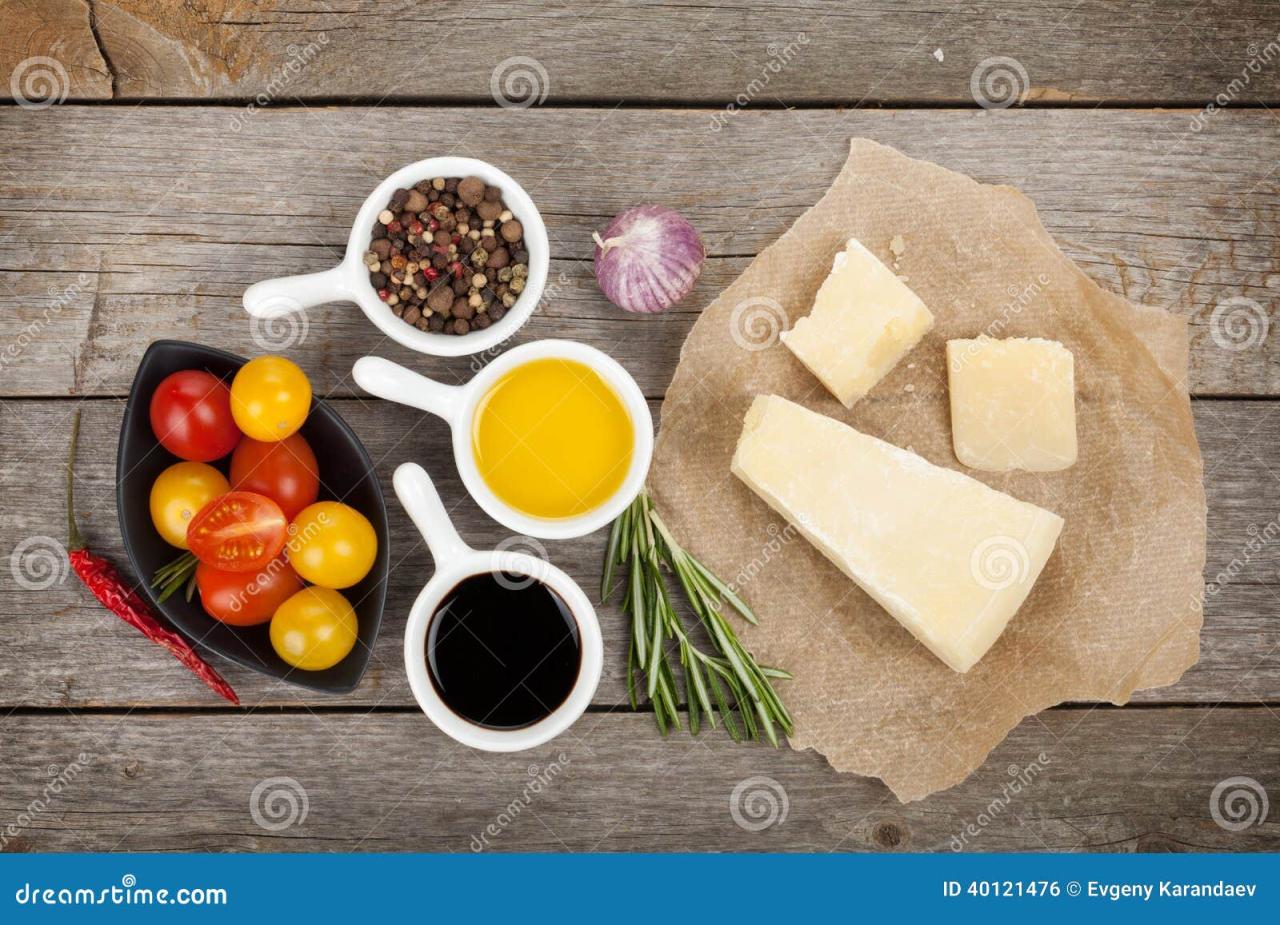
Infusing cheese with herbs and spices offers a delicious way to elevate its flavor profile. While direct incorporation is a common method, oil infusion provides another avenue for creating complex and nuanced tastes. This approach allows for the gentle transfer of flavors from herbs and spices to the cheese, resulting in a beautifully aromatic and flavorful final product.
Oil Infusion Explained
Oil infusion leverages the ability of oil to absorb and carry the flavors of herbs and spices. This method is particularly effective because the oil acts as a flavor carrier, penetrating the cheese and infusing it with the desired aromas and tastes. The process involves creating an infused oil, which is then used to coat, marinate, or otherwise flavor the cheese.
This technique is versatile and allows for a wide range of flavor combinations.
Creating Herb and Spice Infused Oils
Creating infused oils is a straightforward process. The key is to use high-quality oil and fresh, dried herbs and spices.
- Selecting the Oil: Choose a neutral-flavored oil, such as extra virgin olive oil, avocado oil, or grapeseed oil. The choice of oil can subtly influence the final flavor, so consider the intended pairing with the cheese. For example, a robust extra virgin olive oil might pair well with a strong cheese, while a lighter oil might be better suited for a delicate cheese.
- Preparing the Herbs and Spices: Fresh herbs should be washed and thoroughly dried to prevent excess moisture from entering the oil, which can lead to spoilage. Dried herbs and spices can be used directly. Slightly crushing or bruising the herbs and spices can help release their flavors more effectively.
- Infusion Methods: There are two primary methods for infusing the oil:
- Cold Infusion: This method involves combining the oil with the herbs and spices in a clean glass jar and allowing them to infuse at room temperature for several days or weeks, shaking the jar periodically. The longer the infusion time, the stronger the flavor.
- Warm Infusion: This method involves gently heating the oil with the herbs and spices over low heat (around 140°F or 60°C) for a short period, typically 1-2 hours. This method accelerates the infusion process but requires careful monitoring to prevent the oil from overheating.
- Straining and Storage: After the infusion period, strain the oil through a fine-mesh sieve or cheesecloth to remove the herbs and spices. Store the infused oil in a clean, airtight container in a cool, dark place. Properly stored infused oils can last for several weeks or months. Consider adding a sprig of fresh herbs or a spice pod to the bottle to enhance the aesthetic appeal.
Using Infused Oils to Flavor Cheese
Infused oils can be used in several ways to enhance the flavor of cheese. The method of application depends on the type of cheese and the desired effect.
- Coating: For cheeses like fresh mozzarella or feta, coating the cheese with infused oil adds a layer of flavor and helps preserve the cheese. Simply brush or drizzle the oil over the cheese, ensuring it is evenly coated.
- Marinating: Marinating cheese in infused oil allows the oil to penetrate the cheese, infusing it with flavor throughout. This method is particularly effective for firm cheeses like halloumi or goat cheese. Submerge the cheese in the oil and marinate for several hours or overnight in the refrigerator.
- Flavoring during Cooking: Infused oils can be used as a finishing touch for cooked cheese dishes, adding a burst of flavor. Drizzle the oil over grilled halloumi or baked brie after cooking.
- Serving: Use infused oils as a dip or drizzle for cheese platters. They can be drizzled over slices of cheese before serving to enhance the flavor.
Herb and Spice Combinations for Infused Oils and Cheese Pairings
This table provides examples of herb and spice combinations, suitable oil types, and suggested cheese pairings for infused oils. The pairings are suggestions and can be adjusted based on personal preference.
| Herb/Spice Combination | Oil Type | Suggested Cheese Pairing | Notes |
|---|---|---|---|
| Rosemary & Garlic | Extra Virgin Olive Oil | Feta, Goat Cheese, Parmesan | A classic Mediterranean combination that pairs well with many cheeses. |
| Chili Flakes & Oregano | Avocado Oil | Halloumi, Mozzarella, Aged Cheddar | Adds a spicy kick and earthy notes, great for grilling or baking. |
| Basil & Black Pepper | Grapeseed Oil | Fresh Mozzarella, Burrata, Brie | A fresh and peppery combination that enhances the creaminess of the cheese. |
| Smoked Paprika & Thyme | Extra Virgin Olive Oil | Manchego, Smoked Gouda, Gruyère | Offers a smoky and savory flavor profile. |
Techniques for Flavor Development
Developing the perfect flavor profile in herb and spice-infused cheese is a delicate balance of art and science. Several techniques can significantly impact the final product, from the initial selection of ingredients to the crucial aging process. Understanding and mastering these techniques is key to creating cheeses with complex, nuanced, and consistently delicious flavors.
The Role of Aging in Enhancing Herb and Spice Flavors
Aging is a critical stage in the development of herb and spice-infused cheeses, influencing both flavor and texture. The duration and conditions of aging directly affect how the added flavors integrate with the cheese’s inherent characteristics.The aging process allows for:
- Flavor Integration: Over time, the flavors of herbs and spices diffuse and meld with the cheese, creating a more harmonious and balanced taste profile. The initial sharpness of some spices mellows, while the cheese develops its own complex flavors.
- Moisture Migration: Moisture within the cheese migrates, impacting texture and concentrating flavors. This process can intensify the presence of herbs and spices as the water content changes.
- Enzymatic Activity: Enzymes within the cheese continue to break down proteins and fats, which further enhances flavor development. These reactions are influenced by the presence of herbs and spices.
- Texture Transformation: Aging can transform the cheese’s texture, from creamy to crumbly or firm, depending on the type of cheese and the aging conditions. These changes can complement the infused flavors.
Tips for Controlling the Intensity of the Flavor Infusion
Controlling the intensity of the flavor infusion is crucial to prevent overpowering the cheese’s natural taste. Several factors contribute to this control, and careful consideration is necessary during the infusion process.Here are some factors to consider:
- Ingredient Ratio: Adjust the ratio of herbs and spices to cheese based on their potency. Start with smaller amounts and taste test frequently.
- Preparation of Herbs and Spices: Consider the form of the herbs and spices used. For example, fresh herbs release more flavor than dried ones, and grinding spices releases more volatile compounds.
- Infusion Method: The method of infusion impacts flavor intensity. For example, surface application may result in a more subtle flavor compared to mixing herbs and spices throughout the cheese.
- Aging Duration: The longer the aging period, the more intense the flavors generally become. Regular tasting is necessary to determine the optimal aging time for the desired flavor profile.
- Cheese Selection: Stronger cheeses, like aged cheddars or blue cheeses, can handle more robust flavors, while milder cheeses require a more delicate touch.
Techniques for Balancing Flavors and Preventing Overpowering
Balancing flavors is essential to prevent the herbs and spices from overwhelming the cheese’s natural taste. Achieving this balance involves a thoughtful selection of ingredients and meticulous attention to detail during the infusion and aging processes.Some key techniques include:
- Ingredient Pairing: Choose herbs and spices that complement the cheese’s existing flavor profile. For example, rosemary pairs well with cheddar, while dill complements a creamy cheese like brie.
- Flavor Layering: Introduce herbs and spices in stages to create a more complex flavor profile. This approach allows for better control over the final taste.
- Acidic Components: Adding a small amount of acidity, such as a splash of lemon juice or vinegar, can help balance the richness of the cheese and the intensity of the spices.
- Fat Content: The fat content of the cheese influences how flavors are perceived. Higher-fat cheeses tend to carry flavors better and can handle more intense infusions.
- Taste Testing: Regularly taste the cheese throughout the aging process to monitor flavor development and adjust the aging conditions if necessary.
How Aging Affects the Flavors of an Herb and Spice Infused Cheese
Aging fundamentally transforms the flavor profile of herb and spice-infused cheese. The interplay between the cheese, the herbs and spices, and the environment creates a dynamic flavor journey.The effects of aging include:
- Flavor Fusion: The initial sharp or distinct flavors of the herbs and spices gradually meld with the cheese’s natural flavors, creating a more integrated and harmonious taste.
- Concentration of Flavors: As the cheese ages and loses moisture, the flavors of both the cheese and the added ingredients become more concentrated.
- Development of Complex Notes: Enzymes within the cheese interact with the herbs and spices, leading to the development of complex flavor notes that are not present initially. For example, a cheese infused with garlic might develop a slightly sweet, caramelized flavor over time.
- Texture Changes: The texture of the cheese evolves during aging, which can influence how flavors are perceived. A cheese that starts out creamy may become firmer, altering the mouthfeel and flavor release.
- Examples of Aging Effects:
- A fresh goat cheese infused with thyme may initially have a bright, herbaceous flavor. After several weeks of aging, the thyme’s flavor will mellow, and the cheese will develop a slightly nutty taste.
- A cheddar cheese infused with chili flakes might start with a sharp, spicy bite. With aging, the heat may mellow slightly, and the cheese’s own savory flavors will become more prominent, creating a more complex and balanced flavor.
Safety and Storage
Creating herb and spice-infused cheese is a delightful culinary adventure, but it’s crucial to prioritize food safety to ensure a delicious and healthy outcome. Proper handling and storage are paramount in preventing spoilage and ensuring the longevity of your creations. Understanding and implementing these practices will safeguard your cheese and your well-being.
Food Safety Considerations
Cheese, being a dairy product, is susceptible to bacterial growth. Herbs and spices, while adding flavor, can also introduce microorganisms if not handled correctly. Maintaining a clean and sanitary workspace is the first line of defense against contamination. Thoroughly wash all equipment, including cutting boards, knives, and containers, with hot, soapy water before use. Consider using a food-safe sanitizer to further reduce the risk of harmful bacteria.
Proper Storage of Infused Cheeses
The storage environment significantly impacts the shelf life and quality of your infused cheese. Temperature, humidity, and exposure to air all play crucial roles. The goal is to create an environment that inhibits bacterial growth while preserving the cheese’s flavor and texture.
Preventing Mold Growth and Maintaining Cheese Quality
Mold is a common concern with cheese, and it thrives in humid environments. To combat mold growth, store your infused cheese properly. Use airtight containers or wrap the cheese tightly in wax paper or cheesecloth, followed by plastic wrap. The refrigerator is the best place to store infused cheese, maintaining a temperature between 35-45°F (2-7°C). Check your cheese regularly for any signs of mold.
If you find mold, carefully trim it away, ensuring you remove at least an inch around the affected area.
Key Safety and Storage Best Practices
Adhering to these guidelines will help ensure your infused cheeses remain safe and delicious:
- Wash Hands: Always wash your hands thoroughly with soap and water before handling cheese, herbs, and spices. This minimizes the transfer of bacteria.
- Clean Equipment: Sanitize all equipment, including cutting boards, knives, and containers, to prevent cross-contamination.
- Use Fresh Ingredients: Start with fresh, high-quality cheese, herbs, and spices. Avoid using ingredients that show signs of spoilage.
- Proper Wrapping: Wrap the infused cheese tightly in wax paper, cheesecloth, or plastic wrap to prevent air exposure and mold growth.
- Airtight Containers: Store the wrapped cheese in an airtight container to further protect it from the environment.
- Temperature Control: Refrigerate infused cheese at 35-45°F (2-7°C) to inhibit bacterial growth.
- Regular Inspection: Inspect the cheese regularly for any signs of mold or spoilage.
- Trim Mold Carefully: If mold appears, trim it away, ensuring you remove at least one inch around the affected area. Discard the cheese if mold growth is extensive or if you are unsure about its safety.
- Labeling: Label your cheese with the date of infusion and the ingredients used to help track its age and composition.
- Consume Within a Reasonable Time: Consume infused cheese within a reasonable timeframe, typically within a few weeks, depending on the cheese type and the infusion method. Soft cheeses tend to have a shorter shelf life than hard cheeses.
Recipes and Flavor Combinations
Creating herb and spice infused cheeses opens up a world of culinary possibilities. The combinations are only limited by your imagination and palate. This section provides a starting point, offering recipes, unique flavor pairings, and suggestions for serving these delicious creations.
Recipes for Different Types of Herb and Spice Infused Cheeses
Explore a range of cheese types and how they beautifully complement herbs and spices. Remember to adjust quantities to your taste preferences.
- Herb-Infused Goat Cheese: This creamy cheese is a blank canvas for fresh herbs.
- Ingredients: 8 oz fresh goat cheese, softened; 2 tablespoons chopped fresh chives; 1 tablespoon chopped fresh thyme; 1 tablespoon chopped fresh parsley; 1/2 teaspoon sea salt; 1/4 teaspoon freshly ground black pepper.
- Method: In a bowl, combine the softened goat cheese, chives, thyme, parsley, salt, and pepper. Mix well until the herbs are evenly distributed. Taste and adjust seasoning as needed. Wrap in plastic wrap and refrigerate for at least 2 hours to allow the flavors to meld.
- Serving Suggestions: Serve with crackers, crusty bread, and a drizzle of honey. Excellent as a spread on sandwiches or as a topping for salads.
- Spicy Cheddar Cheese: Sharp cheddar pairs perfectly with a kick of spice.
- Ingredients: 8 oz sharp cheddar cheese, shredded; 1 teaspoon smoked paprika; 1/2 teaspoon cayenne pepper (adjust to taste); 1/4 teaspoon garlic powder; Pinch of black pepper.
- Method: In a bowl, combine the shredded cheddar, smoked paprika, cayenne pepper, garlic powder, and black pepper. Mix thoroughly to ensure the spices are evenly distributed. Press the mixture into a small ball or shape. Wrap tightly in plastic wrap and refrigerate for at least 1 hour.
- Serving Suggestions: Serve with tortilla chips, on burgers, or as part of a cheese board with fruits and nuts.
- Rosemary and Garlic Parmesan Cheese: This combination is a classic for a reason.
- Ingredients: 4 oz Parmesan cheese, finely grated; 1 tablespoon chopped fresh rosemary; 1 clove garlic, minced; Pinch of red pepper flakes.
- Method: In a bowl, combine the grated Parmesan cheese, chopped rosemary, minced garlic, and red pepper flakes. Mix well to ensure even distribution of the herbs and spices. Press the mixture into a small log or shape. Wrap tightly in plastic wrap and refrigerate for at least 30 minutes.
- Serving Suggestions: Grate over pasta, salads, or use as a flavorful topping for pizza.
Unique and Creative Flavor Combinations
Experimentation is key to discovering your favorite flavor combinations. Here are some ideas to inspire you:
- Lavender and Honey Goat Cheese: The floral notes of lavender combined with the sweetness of honey create a sophisticated flavor profile.
- Smoked Paprika and Chipotle Pepper Monterey Jack: A smoky and spicy combination that adds depth to the cheese.
- Dill and Lemon Feta Cheese: A refreshing and bright flavor combination, perfect for summer.
- Truffle and Black Pepper Brie: Luxurious and earthy, this combination elevates the creamy brie.
- Cinnamon and Nutmeg Cream Cheese: A sweet and warm combination, perfect for breakfast or dessert.
Pairing Infused Cheeses with Other Foods and Beverages
The right pairings can elevate the entire experience. Consider these suggestions:
- With Crackers and Bread: Choose crackers or bread that complement the cheese’s flavor profile. For example, a rosemary-infused cheese pairs well with crusty bread or rosemary crackers.
- With Fruits: Fruits offer a refreshing contrast to the richness of cheese. Grapes, apples, pears, and berries are excellent choices.
- With Nuts: Nuts add texture and complementary flavors. Walnuts, almonds, and pecans are all good options.
- With Beverages: Consider the cheese’s flavor profile when selecting beverages.
- Wine: A dry white wine, such as Sauvignon Blanc, pairs well with herb-infused cheeses. A light-bodied red wine, such as Pinot Noir, complements many cheese varieties. For spicy cheeses, a slightly sweet wine like Riesling can help balance the heat.
- Beer: A pale ale or IPA can pair well with cheddar cheeses. Stouts and porters complement earthy flavors.
- Non-alcoholic: Sparkling water with a slice of lemon or a refreshing fruit juice can provide a palate cleanser.
Recipe: Rosemary and Garlic Infused Feta Cheese
This recipe creates a flavorful feta cheese perfect for salads, appetizers, or as a side dish.
- Ingredients:
- 8 oz feta cheese, cut into 1-inch cubes
- 2 sprigs fresh rosemary
- 2 cloves garlic, thinly sliced
- 1/4 cup extra virgin olive oil
- Pinch of black pepper
- Method:
- In a small jar or container with a lid, place the feta cheese cubes.
- Add the rosemary sprigs and sliced garlic.
- Pour in the olive oil to cover the cheese.
- Season with black pepper.
- Close the lid and refrigerate for at least 24 hours, or up to a week, to allow the flavors to infuse.
- Serving Suggestions: Serve as part of a cheese board, in salads (Greek salad), or as a topping for grilled vegetables. Drizzle the infused olive oil over the cheese before serving. This cheese pairs beautifully with crusty bread, olives, and a glass of dry white wine.
Troubleshooting and Common Issues
Infusing cheese with herbs and spices is generally a straightforward process, but sometimes things don’t go as planned. Understanding potential pitfalls and how to address them is crucial for achieving the desired flavor and ensuring the safety of your cheese. This section will delve into common problems that can arise during the infusion process and provide solutions to help you troubleshoot and salvage your cheese creations.
Uneven Flavor Distribution
Achieving uniform flavor throughout the cheese is often a primary goal. However, uneven flavor distribution can occur, leading to some parts of the cheese being intensely flavored while others remain bland. This is often due to variations in the method used for infusion, or the characteristics of the cheese itself.
- Cause: Improper distribution of herbs and spices. If herbs and spices are not evenly dispersed during the initial mixing or application, some areas of the cheese will absorb more flavor than others. Also, cheese with a denser texture might not allow flavors to penetrate as easily.
- Solution: Ensure thorough mixing or even application of herbs and spices. When using dry rubs, gently pat them onto the cheese surface. For internal infusions, carefully distribute herbs and spices throughout the cheese mass. Consider piercing the cheese with a fork or toothpick to create channels for flavor penetration, especially for denser cheeses.
- Cause: Inconsistent contact between the cheese and the herbs/spices. If the cheese is not in uniform contact with the flavor components, absorption will vary.
- Solution: When using oil infusions, make sure the cheese is fully submerged or evenly coated. For dry rubs, turn the cheese regularly to ensure all surfaces are exposed to the flavors.
- Cause: Variations in cheese density. Denser areas of the cheese might absorb flavors at a slower rate than less dense areas.
- Solution: Use cheeses with a consistent texture or consider pre-treating denser cheeses by gently piercing them with a fork to encourage flavor penetration.
Mold Growth
Mold is a common concern when working with cheese, and it can ruin your infusion project if not addressed promptly. While some molds are harmless or even beneficial in cheesemaking, unwanted mold growth can spoil the cheese and pose health risks.
- Cause: Improper storage conditions. Cheese needs to be stored at the correct temperature and humidity to prevent mold growth. Excessive moisture or warmth can create an ideal environment for mold to thrive.
- Solution: Store infused cheese in a refrigerator at the recommended temperature (typically between 35-45°F or 2-7°C). Use airtight containers or wrap the cheese tightly in cheesecloth or wax paper to control humidity. Regularly check for any signs of mold growth.
- Cause: Contamination from equipment or ingredients. If equipment or ingredients are not properly cleaned and sanitized, they can introduce mold spores to the cheese.
- Solution: Sanitize all equipment, including cutting boards, knives, and containers, before use. Ensure that all herbs and spices are fresh and free from mold.
- Cause: Insufficient drying of cheese. If the cheese is not properly dried before the infusion process, it can retain excess moisture, which promotes mold growth.
- Solution: Allow the cheese to dry sufficiently after washing or before applying dry rubs or oil infusions. This helps reduce moisture content and inhibits mold growth.
Rancidity or Off-Flavors
Rancidity and off-flavors can develop if the cheese is not stored properly or if the herbs and spices used are not fresh. These issues can ruin the flavor profile of the cheese and make it unpalatable.
- Cause: Oxidation. Exposure to air can cause fats in the cheese to oxidize, leading to rancidity.
- Solution: Store infused cheese in airtight containers or wrap it tightly to minimize air exposure.
- Cause: Use of stale or low-quality herbs and spices. Stale herbs and spices can impart off-flavors to the cheese.
- Solution: Always use fresh, high-quality herbs and spices. Store them properly in airtight containers away from heat and light to preserve their flavor and potency.
- Cause: Improper storage temperature. High temperatures can accelerate the breakdown of fats and proteins, leading to off-flavors.
- Solution: Store infused cheese in the refrigerator at the recommended temperature. Avoid storing it near heat sources.
Cheese Not Infusing Properly
Sometimes, despite your best efforts, the cheese may not absorb the flavors of the herbs and spices as expected. This can be due to various factors related to the cheese itself, the infusion method, or the quality of the ingredients.
- Cause: Using the wrong type of cheese. Not all cheeses are equally suitable for infusion. Harder cheeses with a tight texture may resist flavor penetration.
- Solution: Select cheeses with a more open texture, such as semi-hard or soft cheeses, for better flavor absorption. Consider using cheeses known to take flavors well, like cheddar or Monterey Jack.
- Cause: Insufficient contact time. The cheese may need more time to absorb the flavors.
- Solution: Allow for a longer infusion period. The duration will depend on the cheese type and the method used. Regularly check the cheese to assess flavor development.
- Cause: Low-quality herbs and spices. If the herbs and spices lack potency, the cheese may not absorb enough flavor.
- Solution: Use fresh, high-quality herbs and spices with strong flavor profiles.
Troubleshooting Guide
The following table provides a quick reference for common problems, their causes, and potential solutions.
| Problem | Possible Causes | Solutions | Prevention |
|---|---|---|---|
| Uneven Flavor Distribution |
|
|
|
| Mold Growth |
|
|
|
| Rancidity/Off-Flavors |
|
|
|
| Cheese Not Infusing Properly |
|
|
|
Outcome Summary
In conclusion, “How to Infuse Cheese with Herbs and Spices” provides a comprehensive roadmap for your cheese-infusing adventures. From selecting the perfect cheese and herbs to mastering the techniques and ensuring safe storage, you now possess the knowledge to create a wide array of flavorful cheeses. Embrace the creative possibilities, experiment with different combinations, and enjoy the journey of transforming simple cheeses into culinary delights.
Happy infusing!