Ever bitten into homemade mozzarella and found it disappointingly rubbery? You’re not alone! Achieving the perfect, melt-in-your-mouth texture in homemade mozzarella can be a delicate dance of science and technique. This guide breaks down the secrets behind crafting creamy, delicious mozzarella, helping you avoid common pitfalls and master the art of this beloved cheese.
From understanding the role of milk proteins to mastering the curdling process, we’ll explore each step with practical advice and actionable tips. We’ll delve into the science behind mozzarella making, from the impact of heat and acidity to the importance of milk selection and equipment. Prepare to transform your kitchen into a mozzarella-making haven, producing cheese that rivals the best Italian delis.
Understanding the Science of Mozzarella Making
Making mozzarella is a fascinating journey into the world of food science. Understanding the underlying chemistry is key to preventing a rubbery final product. Let’s delve into the science behind this beloved cheese, focusing on the elements that contribute to its texture and how to control them.
The Role of Casein Proteins in Mozzarella’s Texture
Casein proteins are the unsung heroes of mozzarella, forming the very structure of the cheese. They’re responsible for its characteristic stretch and melt.The key points regarding casein proteins include:
- Casein Micelles: Casein proteins exist in milk as tiny clusters called micelles. These micelles are negatively charged, repelling each other and keeping the milk in a liquid state.
- Coagulation: When acid (from citric acid or vinegar) or rennet is added, the negative charges are neutralized, and the micelles start to clump together. This is the beginning of curd formation.
- Cross-linking: The clumping allows for the formation of a protein network. Further processing, particularly the stretching and kneading in hot water, aligns these protein chains, creating the elastic texture we associate with mozzarella. The more the protein chains align, the more the cheese will stretch.
- Water Retention: The protein network also traps water, which contributes to the cheese’s moisture content and its ability to melt smoothly. Too much water, however, can lead to a soft, less desirable texture.
How Heat and Acidity Affect Mozzarella’s Structure
Heat and acidity are the dynamic duo that shape mozzarella’s texture. Their interaction is critical for achieving the desired stretch and melt.Here’s how they interact:
- Acidity’s Role: Acidity is primarily responsible for the initial coagulation of milk proteins. The target pH is usually around 5.2-5.4 for optimal curd formation. Too little acidity can result in a soft, crumbly cheese, while too much can lead to a tough, rubbery texture.
- Heat’s Role: Heat, specifically the application of hot water during the stretching phase, transforms the curd. It causes the protein chains to unfold and realign, forming the stretchy network. The temperature of the water is crucial; too low, and the cheese won’t stretch; too high, and the proteins can overcook, leading to a rubbery texture. The ideal temperature range is generally between 170-185°F (77-85°C).
- The Stretch: Stretching and kneading the curd in hot water aligns the protein fibers, giving mozzarella its characteristic elasticity. The amount of stretching affects the final texture; over-stretching can make the cheese tough.
Impact of Milk Type on the Final Product’s Texture
The type of milk used significantly influences the final texture and characteristics of your mozzarella. Different milks have varying protein and fat contents, which affect the way the curd forms and stretches.Here’s how different milk types influence mozzarella:
- Cow’s Milk: Cow’s milk is the most common choice. Its protein and fat composition are well-suited for mozzarella production, resulting in a good stretch and melt. Different breeds of cows can also influence the milk composition. For example, Jersey cows produce milk with a higher fat content, which can result in a creamier mozzarella.
- Goat’s Milk: Goat’s milk mozzarella has a distinct flavor and a slightly different texture compared to cow’s milk mozzarella. Goat’s milk has smaller fat globules and different casein proteins, leading to a less stretchy, but still delicious, cheese. The curd can be more delicate.
- Buffalo Milk: Buffalo milk is known for its high fat and protein content, producing a rich, creamy, and incredibly stretchy mozzarella. This is the traditional milk used for authentic mozzarella di bufala.
- Other Milk Types: Milk from sheep, or even plant-based milks like almond or cashew milk, can be used to make mozzarella-style cheeses, but the resulting texture and flavor will vary significantly. The protein structure in plant-based milks is different, often requiring stabilizers and other additives to mimic the stretch and melt of traditional mozzarella.
Chemical Reactions Involved in Curd Formation and How They Relate to Rubberiness
The chemical reactions during curd formation are crucial. Understanding these reactions helps prevent a rubbery texture.Here’s a breakdown of the key chemical reactions:
- Acid-Induced Coagulation: Adding acid (citric acid or vinegar) to milk reduces the pH, neutralizing the negative charges on casein micelles. This causes the micelles to destabilize and clump together, forming the curd. The speed and completeness of this process influence the final texture.
- Rennet’s Action: Rennet, an enzyme, is another method to coagulate milk. It cleaves a specific peptide bond in the kappa-casein protein, causing the micelles to aggregate. This method is often preferred for a firmer curd and more traditional flavor.
- Protein Denaturation: During the heating and stretching process, the casein proteins denature, meaning they unfold and change shape. This is essential for the formation of the protein network. Over-denaturation, often caused by excessive heat, can lead to a tough, rubbery texture because the proteins become too tightly bound.
- Water Binding: The protein network created during curd formation and stretching traps water molecules. The amount of water bound within the protein matrix contributes to the cheese’s moisture content and texture. Imbalance in water binding leads to undesirable texture.
- The pH Effect: The pH of the milk and the curd plays a critical role in the final texture. If the pH is too low (too acidic), the proteins can become over-denatured and the cheese becomes rubbery. The ideal pH range during stretching is crucial.
Milk Selection and Preparation
Choosing the right milk and preparing it correctly are fundamental steps in making excellent homemade mozzarella. The quality of your final cheese is directly tied to the ingredients you use, so understanding milk characteristics and processing techniques is crucial. This section will guide you through selecting, preparing, and understanding the impact of milk on your mozzarella.
Characteristics of High-Quality Milk
The ideal milk for mozzarella possesses specific qualities that contribute to a superior final product. These characteristics influence the cheese’s ability to stretch, melt, and develop its characteristic flavor.
- Freshness: Milk should be as fresh as possible. The fresher the milk, the better the flavor and the more effectively it will coagulate. Look for milk with a sell-by date that is as far in the future as possible.
- Composition: The milk’s composition, specifically its protein and fat content, is vital. Higher protein levels generally lead to better curd formation and stretch. Milk from certain breeds of cows, such as Jersey or Guernsey, can be particularly well-suited due to their higher fat and protein content.
- Cleanliness: The milk should be free from any off-flavors or odors, indicating proper handling and storage.
- Source: Milk from grass-fed cows is often preferred, as it can impart a richer flavor. However, any high-quality milk can be used.
Importance of Milk Pasteurization and Texture
Pasteurization is a heat treatment process that significantly impacts the texture and safety of your mozzarella. Understanding the effects of pasteurization is crucial for achieving the desired results.
- Standard Pasteurization: Most commercially available milk is pasteurized, which involves heating the milk to a specific temperature for a specific duration. This process kills harmful bacteria, making the milk safe to consume and extending its shelf life. It also denatures some of the proteins, which can affect the curd’s ability to hold moisture.
- Raw Milk: Raw milk, which has not been pasteurized, can be used for mozzarella making, but it carries a higher risk of bacterial contamination. It may also result in a slightly different texture and flavor profile. Using raw milk requires extreme caution and adherence to strict hygiene practices.
- Impact on Texture: Pasteurization affects the cheese’s texture. Over-pasteurization can result in a drier mozzarella that doesn’t stretch as well. Under-pasteurization can lead to a curd that is too soft or unstable.
Optimal Fat Content for Desirable Mozzarella Consistency
The fat content of the milk plays a significant role in the texture, flavor, and melting properties of mozzarella. The balance of fat and protein is key to achieving the perfect stretch and creaminess.
- Whole Milk: Whole milk, typically containing around 3.25% fat, is generally recommended for making mozzarella. The fat contributes to the cheese’s creaminess and melting qualities.
- Reduced-Fat Milk: Reduced-fat milk, such as 2% or 1%, can be used, but the resulting mozzarella will likely be drier and less stretchy.
- Skim Milk: Skim milk, with virtually no fat, is not suitable for making mozzarella, as it will not produce a cheese with the desired texture and flavor.
- Adjusting Fat Content: You can sometimes adjust the fat content by adding cream to the milk. This allows you to customize the fat level to achieve your desired texture.
Step-by-Step Guide for Preparing Milk Before Curdling
Proper milk preparation is crucial for ensuring successful curd formation and a desirable mozzarella texture. Here’s a step-by-step guide to prepare your milk for the next stage.
- Measure the Milk: Accurately measure the required amount of milk according to your recipe.
- Heat the Milk: Gently heat the milk to the temperature specified in your recipe. Use a thermometer to ensure accuracy. Avoid overheating, as this can negatively impact the curd formation.
- Add Ingredients (if applicable): Some recipes call for adding ingredients like calcium chloride or citric acid at this stage. Follow the recipe instructions carefully.
- Maintain Temperature: Maintain the milk at the target temperature. This is crucial for the next steps, such as adding the culture or rennet.
- Stir Gently: Stir the milk gently and continuously during heating to ensure even distribution of heat and prevent scorching.
Comparing Different Milk Sources and Texture Outcomes
The type of milk you use will impact the final texture of your mozzarella. The following table compares the potential outcomes of using different milk sources.
| Milk Source | Fat Content (Approximate) | Typical Texture Outcome | Notes |
|---|---|---|---|
| Whole Milk (Pasteurized) | 3.25% | Excellent stretch, creamy, good melting properties. | Most common choice; readily available. |
| 2% Milk (Pasteurized) | 2% | Less creamy, may be slightly drier, stretches less well. | Can be used, but the result is not as desirable. |
| Raw Milk | Varies | Potentially richer flavor, may vary in texture, risk of bacterial contamination. | Requires careful handling and hygiene. |
| Jersey/Guernsey Milk (Pasteurized) | 4-5% | Richer, creamier, excellent stretch, potentially more flavorful. | Higher fat and protein content; often yields superior results. |
The Curdling Process: Key to Success
The curdling process is where the magic of mozzarella truly happens. It’s the transformation of liquid milk into a solid, yielding curd. This process, guided by science and a little patience, is critical for the final texture of your cheese. Understanding the nuances of curdling, from the right coagulant to the ideal pH, is key to achieving that perfect, stretchy mozzarella.
Proper Use of Rennet or Other Coagulants
The choice of coagulant and its correct application is paramount. Rennet, derived from animal, plant, or microbial sources, contains enzymes that coagulate the milk proteins. Alternatively, you can use citric acid or vinegar. However, rennet is generally preferred for its ability to produce a firmer curd and a more desirable texture in mozzarella.* Rennet Dosage: Follow the manufacturer’s instructions precisely.
Over- or under-dosing can significantly impact curd formation. Typically, for rennet tablets, a quarter tablet per gallon of milk is a common starting point, but this can vary depending on the rennet’s strength and the milk’s composition. Liquid rennet often has different concentrations, so always consult the label.* Rennet Preparation: If using rennet tablets, dissolve them in cool, non-chlorinated water.
For liquid rennet, ensure it is properly diluted.* Adding Rennet: Gently stir the rennet solution into the milk for the specified time (usually 30-60 seconds) to ensure even distribution. Avoid vigorous stirring, which can disrupt the curd formation.* Temperature Control: Maintain the correct milk temperature, as recommended by the rennet manufacturer. This temperature facilitates the enzymatic reaction.
A typical range is between 88-95°F (31-35°C) for mozzarella.* Coagulation Time: After adding the rennet, allow the milk to rest undisturbed for the coagulation time, as indicated by the manufacturer. This time is crucial for the proteins to bind together and form the curd. Patience is key.* Alternatives to Rennet: If using citric acid, add it to the milk to achieve the correct acidity level (pH 5.2-5.3).
Then, heat the milk slowly to initiate curd formation. Vinegar can be used in similar fashion, but it can impart a stronger flavor.
Monitoring the Curd Formation Process
Observing the curd formation process is crucial for determining when it’s ready to cut. This is more art than science, requiring practice and attention.* The “Clean Break” Test: The most reliable method to check curd readiness is the “clean break” test. Gently insert a clean knife or curd cutter into the milk at a 45-degree angle, then lift it straight up.* Appearance of the Break: If the curd is ready, the cut should be clean, and the whey (the yellowish liquid) should separate cleanly from the curd, without excessive cloudiness.
The curd should break in a firm, smooth manner.* Unready Curd: If the curd is not ready, the cut will be ragged, and the curd will break apart or crumble. The whey will appear milky.* Over-Coagulation: If you leave the rennet in for too long, the curd can become overly firm and tough. This can lead to a rubbery mozzarella.* Visual Cues: Watch for a slight thickening of the milk.
This is the initial sign of curd formation. However, do not rely solely on this.
Influence of Acidity Levels (pH) on the Final Texture
Acidity, measured by pH, plays a vital role in mozzarella’s texture and stretchability. The acidity level affects how the casein proteins bind together, influencing the cheese’s elasticity and melt.* Optimal pH Range: The ideal pH for stretching mozzarella is generally between 5.2 and 5.4. This acidity allows the protein structure to align and create the characteristic stretch.* Acidification Methods: Acidity can be controlled through the addition of citric acid, vinegar, or by allowing the milk to acidify naturally through the action of bacterial cultures (in the case of cultured mozzarella).* Impact of pH:
Too Low (Too Acidic)
If the pH is too low (e.g., below 5.2), the mozzarella will be too soft and melt quickly. It may not stretch well.
Too High (Not Acidic Enough)
If the pH is too high (e.g., above 5.4), the mozzarella will be firm, rubbery, and less stretchy.
Monitoring pH
Use a pH meter or pH strips to accurately measure the milk’s acidity. Calibrate your pH meter before each use for accurate readings.* Example: Consider a case where you are using citric acid. If the pH reading is higher than 5.4, add a small amount of citric acid solution and stir gently, then recheck the pH after a few minutes.
This helps in achieving the desired acidity.
Recognizing When the Curd is Ready for the Next Step
Knowing when the curd is ready to cut and cook is essential for the quality of the mozzarella.* The “Clean Break” is Key: As discussed, the “clean break” test is the primary indicator. The curd should separate cleanly from the whey.* Curd Firmness: The curd should be firm enough to hold its shape but not overly tough. It should have a slight jiggle when the pot is gently moved.* Whey Clarity: The whey should be relatively clear, not milky or cloudy.* Avoid Premature Cutting: Cutting the curd too early will result in small, fragile curds that don’t hold together well during cooking.* Avoid Delaying Cutting: Waiting too long can result in a tough, rubbery mozzarella.
Common Curdling Mistakes and How to Avoid Them
Mistakes are part of the learning process. Here’s a list of common errors and how to prevent them:
- Incorrect Rennet Dosage: Always follow the manufacturer’s instructions. Measure carefully. Over- or under-dosing will affect curd formation.
- Improper Temperature Control: Maintain the recommended milk temperature for rennet activity. Use a thermometer.
- Disturbing the Milk During Coagulation: Avoid stirring or moving the milk after adding rennet. Patience is critical.
- Cutting the Curd Too Early: Perform the “clean break” test and ensure the curd is firm enough.
- Cutting the Curd Too Late: Overly firm curd leads to rubbery cheese. Monitor the curd closely.
- Incorrect pH: Use a pH meter or pH strips to accurately measure the acidity and adjust accordingly.
- Using Poor-Quality Milk: Fresh, high-quality milk is essential for a good curd. Avoid milk that has been ultra-pasteurized.
Cutting and Cooking the Curd
Now that you’ve successfully curdled your milk, the next crucial steps involve transforming those fragile curds into the smooth, stretchy mozzarella we all crave. This section focuses on the critical techniques of cutting, draining, and cooking the curd, ensuring your homemade mozzarella achieves the perfect texture.
Cutting the Curd
Precise curd cutting is the foundation for proper moisture release and ultimately, the desired texture. The size of the curd pieces directly impacts how well they drain and how effectively they cook.
- Use a long, thin knife or a curd cutter (if you have one) to make clean, vertical cuts through the curdled milk.
- Start by making parallel cuts about 1 inch apart, going all the way to the bottom of the pot.
- Next, make another set of parallel cuts perpendicular to the first set, also about 1 inch apart, creating a grid.
- Finally, gently angle your knife and cut across the grid diagonally to further break up the curd into smaller pieces.
- Avoid stirring the curd too vigorously after cutting, as this can shatter the curds and lead to a crumbly final product.
Importance of Proper Whey Drainage
Effective whey drainage is essential for achieving the right moisture content in your mozzarella. Too much whey, and the cheese will be overly soft and watery. Too little, and it will be dry and tough.
- After cutting, let the curds rest for about 5-10 minutes. This allows the curds to shrink and release whey.
- Gently stir the curds a few times during this resting period to prevent them from sticking together.
- Carefully remove the whey. You can use a slotted spoon to scoop out the curds and transfer them to a colander lined with cheesecloth. Alternatively, you can pour the curds and whey through the cheesecloth-lined colander, allowing the whey to drain.
- Gently press on the curds to encourage further whey drainage, but avoid over-pressing, which can make the cheese tough.
Role of Hot Water in Stretching and Shaping the Mozzarella
Hot water is the magic ingredient that transforms the firm curds into the pliable, stretchy mozzarella we love. The heat denatures the proteins, allowing them to align and form the characteristic strands.
- Heat water to the optimal temperature.
- Place a portion of the drained curds into the hot water.
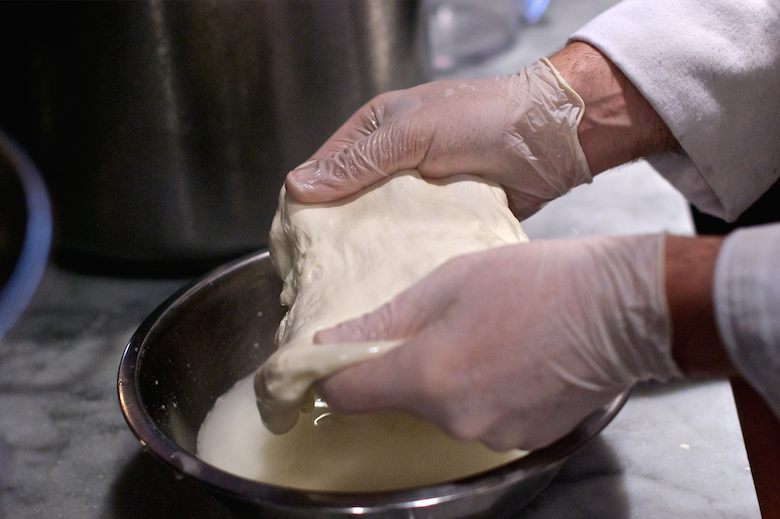
- Use a spoon or your hands (wearing heat-resistant gloves is recommended) to gently work the curds, folding and stretching them.
- As the curds warm, they will begin to soften and stretch.
- Continue stretching and folding until the cheese becomes smooth, elastic, and cohesive.
- Shape the mozzarella into a ball or any desired form.
Optimal Water Temperature and Its Impact on Elasticity
The water temperature is critical for successful mozzarella making. Too cold, and the cheese won’t stretch. Too hot, and it will become a stringy mess. The optimal temperature range allows the proteins to restructure without being damaged.
- The ideal water temperature for stretching mozzarella is between 175°F and 185°F (79°C and 85°C).
- Use a reliable thermometer to monitor the water temperature closely.
- If the water cools down, reheat it slightly before continuing to work the curds.
- If the water is too hot, allow it to cool down slightly before adding the curds.
- Experimenting with the temperature within this range can fine-tune the texture. Slightly higher temperatures can result in a stretchier cheese, while slightly lower temperatures may yield a firmer result.
To gauge the correct stretching consistency:
- The mozzarella should stretch smoothly without breaking.
- It should be pliable and elastic, not crumbly or stringy.
- When stretched, the cheese should form a smooth, even strand.
- The surface should be smooth and glossy, without any visible cracks or tears.
- As a test, try gently pulling a small piece of the stretched cheese. It should stretch considerably without snapping.
Stretching and Shaping
Now that your curd is cut and cooked, the magic of mozzarella making truly begins with stretching and shaping. This is where the transformation from a lumpy curd to a smooth, supple ball of cheese happens. Mastering this stage is critical to achieving that perfect, melt-in-your-mouth texture, and avoiding that dreaded rubberiness.
Stretching and Kneading Techniques
Stretching mozzarella involves manipulating the heated curd to align the proteins, giving it its characteristic elasticity and texture. Kneading helps to further develop this structure.The most common technique involves using hot water, ideally between 170-180°F (77-82°C).
1. Initial Stretch
Start by adding the cooked curd to the hot water.
2. Gentle Fold
Use a spoon or spatula to gently fold the curd over itself, allowing it to soften and begin to melt. Avoid stirring vigorously, which can break the curd.
3. Kneading
Once the curd is pliable, start kneading it. This involves gently pulling and folding the curd, similar to kneading dough. You can use your hands (protected by gloves) or a wooden spoon. The goal is to develop a smooth, cohesive mass.
4. Repeat and Assess
Continue stretching and kneading, returning the cheese to the hot water as needed to maintain its temperature. The cheese should become increasingly elastic and smooth.
5. Test and Shape
As the cheese becomes more elastic, test a small piece by pulling it. If it stretches smoothly without breaking, it’s ready to shape.
Recognizing Proper Stretch
Determining when your mozzarella is perfectly stretched is a key skill. It is important to know how to recognize the correct texture.* Smoothness: The surface should be smooth and free of lumps or cracks.
Elasticity
The cheese should stretch easily without breaking, forming a long, smooth strand.
Cohesiveness
The cheese should be a single, cohesive mass, not a collection of separate pieces.
Appearance
The cheese will become glossy and slightly translucent as it’s stretched.
Effects of Over-Stretching
Over-stretching can negatively impact the final texture of your mozzarella. It is important to know the signs of overworking the mozzarella.* Rubberiness: Over-stretched mozzarella becomes excessively tough and rubbery, making it difficult to bite and chew.
Loss of Moisture
Excessive stretching can squeeze out too much moisture, resulting in a dry, less flavorful cheese.
Stringiness
While some stringiness is desirable, over-stretching can lead to an unpleasant, overly stringy texture when melted.
Brittleness
In extreme cases, over-stretched cheese can become brittle and prone to cracking.
Avoiding Overworking Mozzarella
Preventing overworking is essential for achieving the ideal texture.* Monitor Temperature: Keep the cheese warm, but avoid overheating it. Overheated cheese stretches too quickly and can become over-stretched.
Gentle Handling
Handle the cheese gently throughout the process. Avoid excessive pulling or kneading.
Observe the Texture
Pay close attention to the texture of the cheese. Stop stretching when it reaches the desired elasticity.
Short Bursts
If using the hot water method, work in short bursts, returning the cheese to the water frequently to maintain its temperature.
Shaping Methods and Their Pros/Cons
The final shaping step impacts the appearance and, to a degree, the texture of your mozzarella.The following table Artikels different shaping methods, with their pros and cons:
| Shaping Method | Pros | Cons |
|---|---|---|
| Ball (Traditional) | Classic shape, visually appealing, easy to handle, retains moisture well. | Can be challenging to shape perfectly, requires practice. |
| Log/Cylindrical | Easy to shape, good for slicing, allows for even cooking. | May dry out slightly faster than a ball, can be less visually appealing. |
| Braided | Attractive appearance, creates interesting texture. | More time-consuming, requires skill to braid evenly. |
| Burrata (Pouch) | Unique texture, creamy interior. | Requires specific techniques, can be challenging to seal properly. |
Cooling and Storage
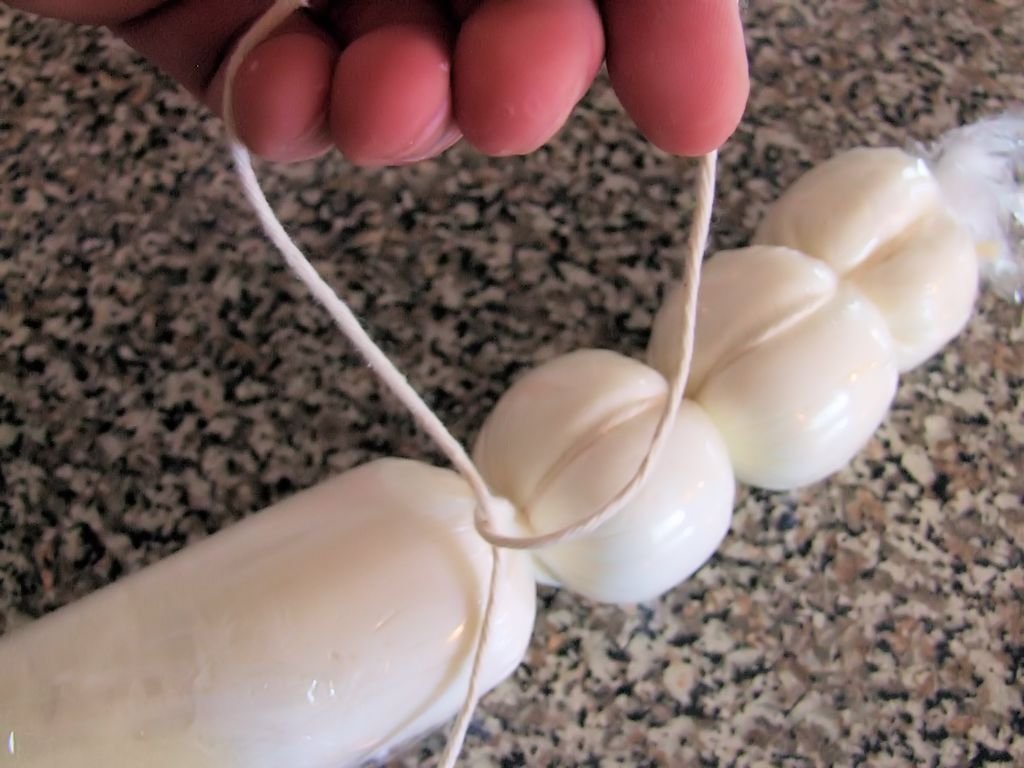
Proper cooling and storage are crucial steps in preserving the delicate texture and flavor of your homemade mozzarella. Mishandling these stages can lead to rubbery, dry, or otherwise undesirable results, negating all your previous efforts. This section will guide you through the best practices for cooling and storing your fresh mozzarella, ensuring you enjoy its optimal taste and texture.
Cooling Methods
Cooling mozzarella correctly is essential for setting its final texture and preventing it from becoming rubbery. The cooling process should be gradual and controlled.
- Ice Water Bath: Immediately after shaping, submerge the mozzarella in a bath of ice water. The water should be very cold, ideally around 35-40°F (2-4°C). This rapid cooling stops the cooking process and firms the cheese. The mozzarella should remain in the ice bath for at least 30 minutes, or until it has completely cooled through. You can gently rotate the cheese occasionally to ensure even cooling.
- Brining: After the ice bath, the mozzarella is often placed in a brine solution. This step not only seasons the cheese but also helps it retain moisture during storage. The brine concentration is usually around 5-8% salt by weight. The mozzarella should be fully submerged in the brine and refrigerated.
- Air Cooling (Limited Use): Air cooling can be used in combination with other methods, but it’s not ideal as a primary cooling method because it can lead to surface drying. If you choose to air cool, do so briefly after the ice bath and before brining, ensuring the cheese doesn’t dry out.
Optimal Storage Conditions
Storing mozzarella correctly is vital for maintaining its quality. The ideal environment will preserve its texture and prevent spoilage.
- Refrigeration: Fresh mozzarella should always be stored in the refrigerator. The ideal temperature range is between 35-40°F (2-4°C). Avoid storing mozzarella in the coldest part of your refrigerator, as it can freeze and alter the texture.
- Brine Storage: The best way to store mozzarella is in its brine solution. The brine helps the cheese retain moisture and prevents it from drying out. Ensure the cheese is fully submerged in the brine.
- Airtight Containers: Always store mozzarella in an airtight container to minimize exposure to air and prevent it from absorbing odors from other foods in the refrigerator.
- Shelf Life: Fresh mozzarella, stored properly in brine, can last for up to a week. However, it is best consumed within 3-5 days for optimal flavor and texture.
Preventing Mozzarella from Drying Out
Keeping mozzarella moist is key to its desirable texture. Several factors can contribute to drying, but these can be easily mitigated with the right techniques.
- Brine is Essential: Always store mozzarella in its brine solution. This provides a barrier against air and helps the cheese retain its moisture.
- Air Exposure: Minimize air exposure by using airtight containers. Any exposure to air will promote drying.
- Avoid Over-Chilling: While refrigeration is necessary, avoid storing mozzarella in areas of the refrigerator where it may freeze or become excessively cold. This can draw moisture out of the cheese.
- Packaging: When using plastic wrap or other packaging, ensure it is in close contact with the cheese to minimize air pockets.
Handling and Packaging for Texture Preservation
Proper handling and packaging are important for maintaining the mozzarella’s texture. Gentle handling and the right packaging will keep it in prime condition.
- Gentle Handling: Mozzarella is delicate. Handle it gently to avoid damaging the surface and altering its texture. Avoid squeezing or compressing the cheese.
- Brine Bath Transport: If transporting mozzarella, keep it in its brine solution to maintain moisture and prevent drying.
- Packaging Materials: Use food-grade, airtight containers. Glass or high-quality plastic containers are good choices. Avoid using containers that might impart odors or flavors to the cheese.
- Portioning: If you plan to use only a portion of the mozzarella, cut off the amount you need and return the remaining cheese to its brine solution immediately.
Storage Method Comparison
Here is a table comparing different storage methods and their impact on mozzarella texture:
| Storage Method | Pros | Cons | Impact on Texture |
|---|---|---|---|
| Brine Solution in Airtight Container | Excellent moisture retention, preserves flavor, extends shelf life. | Requires making and maintaining a brine solution. | Maintains the ideal soft, slightly springy texture. |
| Vacuum Sealing | Excellent moisture retention, minimizes air exposure, extends shelf life. | Can slightly compress the cheese, may alter texture if over-sealed. | May result in a slightly firmer texture, but generally preserves moisture. |
| Plastic Wrap (with minimal air exposure) | Readily available, easy to use. | Less effective at retaining moisture than brine or vacuum sealing, can dry out the cheese more quickly. | May lead to surface drying and a slightly firmer texture. |
| No Storage (Air Exposure) | Quick access. | Rapid drying, flavor loss, development of a rubbery texture. | Significant loss of moisture, resulting in a rubbery, tough texture. |
Troubleshooting Common Problems
Making homemade mozzarella is a rewarding culinary endeavor, but it can sometimes present challenges. Even with careful adherence to the recipe, issues can arise. This section provides a practical guide to diagnosing and resolving common problems encountered during the mozzarella-making process. Understanding the potential pitfalls and having solutions readily available is key to achieving consistently excellent results.
Causes of Rubbery Mozzarella
Rubbery mozzarella is a common problem, often resulting from a few key factors. Identifying the cause is the first step toward a solution.
- Overworking the Curd: Over-stretching or kneading the curd during the stretching phase can develop too much gluten, leading to a tough, rubbery texture. This is especially true if the curd is stretched too quickly or at too high a temperature.
- High Acidity: Excess acidity in the curd can also contribute to rubberiness. This can be caused by using too much citric acid or by allowing the curd to sit in the whey for too long after cutting. The pH level is crucial.
- Excess Moisture Loss: If the curd loses too much moisture during the cooking or stretching phases, it can become rubbery. This is because the remaining proteins become more concentrated and bind more tightly.
- Incorrect Temperature: Using water that is too hot during the stretching process can denature the proteins too quickly, leading to a tough texture. Conversely, water that is not hot enough will prevent the curd from stretching properly.
Solutions for Tough Mozzarella
If your mozzarella turns out too tough, there are several remedies to try. While it’s difficult to completely fix rubbery mozzarella, you can still salvage the batch or learn for next time.
- Adjust Stretching Technique: When stretching, avoid overworking the curd. Stretch it gently and slowly, allowing the proteins to relax. If it’s already rubbery, try stretching it again at a slightly lower temperature.
- Monitor Water Temperature: Ensure the water temperature for stretching is within the recommended range (typically 170-180°F or 77-82°C). Use a thermometer to monitor the temperature.
- Use the Right Curd: If the curd is already very rubbery before stretching, it might be due to issues in the curdling process. Check your pH levels and adjust accordingly next time.
- Re-Evaluate Ingredients: Check the quality of your milk and the accuracy of your measurements of citric acid and rennet. Small changes in these ingredients can affect the final texture.
Correcting Soft or Crumbly Mozzarella
Mozzarella that is too soft or crumbly presents a different set of challenges, often related to insufficient protein development or moisture content.
- Ensure Proper Curdling: The curdling process must be complete. The curds should be firm and well-formed before cutting. Under-curdling leads to a weak structure.
- Control Whey Removal: Drain the whey thoroughly after cutting the curds. Excess whey remaining in the curds will result in a softer cheese.
- Check the pH Level: If the pH is too high, the cheese may be soft and not stretch properly. Accurate pH monitoring is essential for consistent results.
- Adjust Stretching Technique: If the cheese is soft, be more gentle during the stretching phase to avoid breaking the curd. Stretch the curd slowly, allowing it to consolidate.
Common Mistakes and How to Avoid Them
Preventing common mistakes is the best way to ensure successful mozzarella making. Awareness of potential pitfalls allows for proactive adjustments during the process.
- Using the Wrong Milk: Using ultra-pasteurized milk often fails to curdle properly due to changes in the protein structure. Always use fresh, pasteurized, non-homogenized milk.
- Inaccurate Measurements: Precision in measuring ingredients, especially citric acid and rennet, is critical. Using too much or too little can drastically affect the outcome. Invest in accurate measuring tools.
- Ignoring Temperature: Temperature control is crucial at every stage, from heating the milk to stretching the curd. Use a reliable thermometer.
- Rushing the Process: Mozzarella making requires patience. Avoid rushing any step, especially the curdling and stretching phases. Allow adequate time for each stage.
- Improper Storage: Storing mozzarella improperly can affect its texture and flavor. Store it in a brine solution or airtight container in the refrigerator.
Troubleshooting Tips by Stage
Here’s a quick reference guide to troubleshooting common problems at each stage of the mozzarella-making process:
| Stage | Potential Problem | Solution |
|---|---|---|
| Milk Selection & Preparation | Milk doesn’t curdle | Ensure milk is pasteurized, non-homogenized; check expiration date; verify rennet quality and quantity. |
| Curdling | Curds are too soft or don’t form | Ensure correct rennet quantity and temperature; allow sufficient time; check pH. |
| Cutting and Cooking | Curds crumble or are too hard | Cut the curds more gently; adjust cooking temperature and time; check pH. |
| Stretching | Mozzarella is rubbery | Avoid overworking; monitor water temperature; stretch slowly; check pH. |
| Stretching | Mozzarella is too soft | Gently stretch; ensure adequate curd development; check pH. |
| Cooling and Storage | Mozzarella becomes dry or loses flavor | Store in brine or airtight container; ensure proper refrigeration temperature. |
Equipment and Tools for Success

Making mozzarella at home requires a few essential pieces of equipment, but you don’t need a professional dairy. Having the right tools makes the process easier, safer, and more enjoyable, ultimately leading to a better final product. This section will guide you through the necessary equipment, providing tips on selection, maintenance, and the importance of food-grade materials.
Essential Equipment
Here’s a list of the indispensable tools for mozzarella making:
- A Large, Non-Reactive Pot: Essential for heating the milk and cooking the curd.
- Thermometer: A reliable thermometer is crucial for accurate temperature control.
- Cheesecloth: Used for straining the curds.
- Slotted Spoon or Skimmer: For gently handling the curds.
- Large Bowl: For washing and stretching the curds.
- Gloves: Food-safe gloves protect your hands from the heat and acidity.
- Scale: A kitchen scale ensures precise measurements of ingredients.
Choosing the Right Pots, Thermometers, and Other Tools
Selecting the right equipment can significantly impact your mozzarella-making experience.
- Pots: Choose a large, non-reactive pot, ideally stainless steel or enamel-coated. Avoid aluminum or copper pots, as they can react with the milk and affect the flavor. The pot should be large enough to accommodate the milk without overflowing during heating and curdling. A pot with a heavy bottom will help distribute heat evenly.
- Thermometers: A digital thermometer with a probe is ideal for accuracy. Ensure it’s calibrated and reads temperatures accurately. A candy thermometer can also be used, but it may be less precise. Check the temperature at various points in the pot to ensure even heating.
- Cheesecloth: Purchase high-quality cheesecloth, preferably unbleached. Double or triple layers may be needed for straining the curds effectively.
- Slotted Spoon/Skimmer: Opt for a stainless steel or heat-resistant plastic slotted spoon or skimmer. This will help you gently handle the curds without breaking them.
- Bowls: Use a large, heat-resistant bowl for washing and stretching the curds. Glass or stainless steel bowls are good choices.
- Gloves: Food-safe, heat-resistant gloves are essential for protecting your hands from hot water and the acidic curds. Nitrile or silicone gloves are excellent choices.
- Scale: A digital kitchen scale that measures in grams is recommended for precise ingredient measurements, especially for rennet and citric acid.
Maintaining and Cleaning Equipment
Properly maintaining and cleaning your equipment is vital for food safety and the longevity of your tools.
- Cleaning: After each use, thoroughly wash all equipment with hot, soapy water. Rinse well to remove all traces of soap.
- Non-Reactive Pots: Use a non-abrasive cleaner to avoid scratching the surface of your pots. For stubborn milk residue, soak the pot in hot water with a bit of baking soda.
- Thermometers: Clean the thermometer probe carefully after each use. Use a sanitizing wipe or rinse with hot, soapy water. Ensure the probe is completely dry before storage.
- Cheesecloth: Wash cheesecloth immediately after use to prevent curd from drying and sticking. Rinse thoroughly and air dry. You can also boil cheesecloth for extra sanitization.
- Storage: Store equipment in a clean, dry place to prevent the growth of mold or bacteria.
Importance of Using Food-Grade Materials
Using food-grade materials is paramount to ensuring the safety and quality of your mozzarella.
- Food Safety: Food-grade materials are designed to be non-toxic and will not leach harmful chemicals into your cheese.
- Flavor: Using non-reactive materials prevents unwanted flavors from developing in your cheese.
- Durability: Food-grade equipment is typically more durable and resistant to corrosion, ensuring a longer lifespan.
- Examples: Use stainless steel pots, food-grade plastic bowls, and food-safe gloves. Avoid using materials that are not specifically labeled as food-grade, such as certain types of plastics or metals that could corrode.
Equipment Comparison Table
Here’s a comparison of different equipment options and their functionalities.
| Equipment | Material | Functionality | Considerations |
|---|---|---|---|
| Pot | Stainless Steel, Enamel-coated | Heating milk, cooking curds | Ensure large enough capacity; heavy bottom for even heating. |
| Thermometer | Digital, with Probe | Monitoring milk and water temperature | Calibration accuracy; fast response time. |
| Cheesecloth | Unbleached Cotton | Straining curds | Multiple layers may be needed; ensure high-quality weave. |
| Gloves | Food-Grade Nitrile or Silicone | Protecting hands from heat and acid | Heat resistance; proper fit for dexterity. |
Advanced Techniques for Texture Control
Mastering homemade mozzarella involves not only the basic techniques but also the nuances that allow you to fine-tune the texture to your liking. These advanced techniques provide the tools to achieve the perfect balance of stretch, melt, and bite. This section delves into the specifics of using additives and manipulating the cheesemaking process to gain greater control over your final product.
Using Calcium Chloride to Improve Curd Firmness
Calcium chloride plays a significant role in improving curd firmness, particularly when using pasteurized milk. Pasteurized milk undergoes a heat treatment that reduces the calcium content, which is crucial for curd formation. Adding calcium chloride helps to compensate for this loss.The general guideline for using calcium chloride is to add it to the milkbefore* adding the citric acid or rennet.
A typical amount is between 1/4 to 1/2 teaspoon per gallon of milk. It is important to dissolve the calcium chloride in a small amount of cool, non-chlorinated water before adding it to the milk. This ensures even distribution and prevents clumping.
Calcium Chloride Dosage: 1/4 – 1/2 teaspoon per gallon of milk.
Experimentation is key, as the exact amount needed can vary depending on the milk’s specific composition and the desired texture. Too much calcium chloride can result in a rubbery texture, while too little may lead to a soft, fragile curd. Observe the curd formation closely during the coagulation stage to gauge the effectiveness of the calcium chloride. The curd should form a clean break when tested.
Using Citric Acid for Achieving the Right Acidity
Citric acid is essential for achieving the correct acidity, which is a critical factor in mozzarella’s texture and stretch. The amount of citric acid used directly impacts the final pH of the curd, influencing its ability to stretch and melt. The right acidity allows the protein chains to unfold and realign, creating the characteristic stretchy texture.The citric acid is typically dissolved in cool, non-chlorinated water before being added to the milk.
The amount of citric acid needed can vary depending on the milk’s fat content and the desired level of acidity. As a general starting point, use 1 teaspoon of citric acid dissolved in 1/4 cup of cool water per gallon of milk.Monitor the pH of the milk after adding the citric acid and before adding the rennet. The target pH is usually between 5.8 and 6.0.
Use pH strips or a digital pH meter to accurately measure the acidity. The precise pH range that yields the best results may vary slightly depending on your specific milk and preferences. Adjust the amount of citric acid in subsequent batches to achieve the desired acidity level.
The Role of Different Cultures in Influencing Texture
While not as commonly used in quick-set mozzarella recipes, cultures can play a role in texture, particularly in recipes that involve a longer fermentation process. These cultures, often mesophilic or thermophilic, contribute to flavor development and can subtly affect the curd’s structure.Mesophilic cultures, which thrive at cooler temperatures, can produce a slightly softer curd and a more nuanced flavor profile.
Thermophilic cultures, which prefer warmer temperatures, may contribute to a firmer curd and a slightly more acidic flavor. The choice of culture can subtly alter the final texture and flavor of the mozzarella.If incorporating cultures, follow the manufacturer’s instructions for usage and incubation times. Be aware that using cultures generally requires a longer cheesemaking process, as they need time to ferment and develop.
The impact on texture is more pronounced in aged cheeses, but even in fresh mozzarella, the culture’s byproducts can influence the final result.
Experimenting with Different Recipes to Fine-Tune the Texture
Experimentation is essential for achieving the perfect mozzarella texture. The best approach involves systematically changing one variable at a time while keeping the other factors constant. This allows you to isolate the impact of each change and determine its effect on the final product.Start by following a standard recipe as a baseline. Then, make small adjustments to variables like the amount of citric acid, calcium chloride, or rennet.
Record the changes you make and the resulting texture. Keep detailed notes about the milk used, the temperature of the milk, the coagulation time, and the final results.
Experimentation Steps: 1. Follow a standard recipe. 2. Change one variable at a time (citric acid, calcium chloride, rennet). 3. Record the changes and resulting texture. 4. Keep detailed notes.
By systematically testing and recording your observations, you will gain a deeper understanding of how each factor influences the texture. This iterative process will enable you to tailor the recipe to your preferences and consistently produce mozzarella with the desired stretch, melt, and bite. It’s a journey of discovery that transforms you from a mozzarella maker into a mozzarella artisan.
Advanced Techniques and Their Benefits
Here are some advanced techniques for texture control, along with their benefits:
- Calcium Chloride Addition: Improves curd firmness, especially with pasteurized milk, leading to a better cutting and stretching experience.
- Precise Citric Acid Measurement: Controls acidity, which is crucial for protein unfolding and achieving the characteristic stretch.
- Culture Selection (Mesophilic/Thermophilic): Subtle impact on texture and flavor, allowing for nuanced control over the final product.
- Recipe Experimentation: Enables the cheesemaker to fine-tune the recipe, creating a personalized approach to achieving the desired texture.
- pH Monitoring: Provides accurate measurement of acidity levels, aiding in the consistent production of quality mozzarella.
Recipe Variations and Flavor Enhancements
Now that you’ve mastered the basics of mozzarella making, let’s explore how to elevate your cheese with exciting flavor additions and recipe adaptations. This section will guide you through infusing herbs, spices, and other ingredients, as well as modifying your recipe for different milk types and fat contents. Get ready to transform your homemade mozzarella into a culinary masterpiece!
Incorporating Herbs, Spices, and Other Ingredients
Adding flavor to your mozzarella is a fantastic way to personalize your cheese. The key is to introduce the flavorings effectively without compromising the cheese’s texture. There are a few methods you can use, depending on the ingredient.
- Adding Herbs and Spices: Fresh herbs, such as basil, oregano, thyme, or rosemary, can be added to the curd during the stretching phase. Finely chop the herbs and incorporate them evenly into the cheese as you stretch and fold. Spices like red pepper flakes, black pepper, or garlic powder can be added at the same time. The heat from the stretching process will help release the flavors.
For dried herbs, rehydrate them slightly in warm water before adding to the curd to prevent them from drawing moisture from the cheese.
- Infusing with Oils: Infused oils, such as chili oil or garlic-infused olive oil, can be added after the mozzarella has been formed. Simply drizzle the oil over the finished cheese or gently knead it in. This method provides a more intense flavor. Be mindful of the oil’s quality, as it will significantly impact the final taste.
- Adding Sun-Dried Tomatoes or Olives: These ingredients can be added similarly to herbs and spices, during the stretching phase. Chop them into small pieces to ensure even distribution and prevent large chunks from disrupting the cheese’s texture.
- Incorporating Roasted Vegetables: Roasted vegetables, like bell peppers or onions, can be added to the cheese. Roast the vegetables until tender and slightly caramelized. Allow them to cool before adding them to the curd during the stretching process.
Making Different Types of Mozzarella
You can easily adapt your mozzarella recipe to create different varieties.
- Smoked Mozzarella: After shaping your mozzarella, allow it to cool and dry slightly. Then, cold smoke the cheese using a smoker and your preferred wood chips (e.g., applewood, hickory, or mesquite). Cold smoking, which keeps the cheese below 80°F (27°C), is crucial to prevent the cheese from melting. Smoke for 1-2 hours, or until the desired smokiness is achieved. The longer the smoking time, the stronger the smoky flavor.
- Flavored Mozzarella: You can create a variety of flavored mozzarellas by adding different ingredients during the stretching phase, as mentioned above. Consider adding pesto, sundried tomatoes, or even a sprinkle of truffle salt for gourmet variations.
- Burrata: Burrata is a creamy Italian cheese that consists of a mozzarella shell filled with stracciatella, a mixture of mozzarella shreds and cream. To make burrata, stretch and shape your mozzarella into a ball, then create a pocket. Fill the pocket with stracciatella (easily made by shredding mozzarella and mixing it with heavy cream), and then seal the ball.
Adjusting the Recipe for Different Milk Types and Fat Contents
The type of milk you use will significantly impact the texture and flavor of your mozzarella. Adjustments to the recipe may be necessary.
- Whole Milk: Whole milk (3.25% fat) is the standard and provides the best results, yielding a creamy and stretchy mozzarella.
- Low-Fat Milk: Low-fat milk (1% or 2% fat) can be used, but the resulting mozzarella will be less creamy and may be more rubbery. You might need to add a small amount of heavy cream (around 1-2 tablespoons per gallon of milk) to the curd during the stretching phase to improve the texture.
- Raw Milk: Raw milk can produce excellent mozzarella, provided it is of high quality and handled carefully. Raw milk mozzarella may have a slightly different flavor profile due to the presence of natural enzymes and bacteria. Be sure to use pasteurized milk if you’re not confident about the source and handling of raw milk.
- Goat’s Milk: Goat’s milk can be used to make mozzarella, but the cheese will have a distinct tangy flavor. The stretching process may require slightly more care, as goat’s milk curd can be more delicate.
Impact of Flavorings on Texture
The addition of flavorings can sometimes impact the texture of your mozzarella.
- Herbs and Spices: Adding herbs and spices generally doesn’t significantly affect the texture if incorporated properly. However, adding too much can disrupt the curd structure.
- Oils: Adding oils can make the mozzarella slightly softer and more pliable. Be careful not to overdo it, as excessive oil can make the cheese greasy.
- Vegetables and Other Ingredients: Large or excessive additions of ingredients like vegetables or olives can weaken the structure of the cheese, resulting in a less stretchy mozzarella. Chop them finely and distribute them evenly.
Creative Mozzarella Recipe Variations
Here are some creative ideas to inspire your mozzarella-making adventures:
- Basil Pesto Mozzarella: Incorporate fresh basil pesto into the curd during stretching.
- Sun-Dried Tomato and Garlic Mozzarella: Add chopped sun-dried tomatoes and minced garlic to the curd.
- Chili Pepper Flake Mozzarella: Sprinkle red pepper flakes into the curd for a spicy kick.
- Smoked Paprika Mozzarella: Add a pinch of smoked paprika to the curd for a smoky flavor.
- Olive and Rosemary Mozzarella: Combine chopped olives and fresh rosemary in the curd.
- Burrata with Truffle Oil: Make burrata and drizzle with truffle oil before serving.
- Roasted Red Pepper Mozzarella: Add roasted and chopped red bell peppers to the curd.
- Spinach and Feta Mozzarella: Incorporate blanched and chopped spinach, and crumbled feta cheese into the curd.
- Spicy Chorizo Mozzarella: Add small pieces of cooked and crumbled chorizo to the curd.
- Everything Bagel Mozzarella: Sprinkle everything bagel seasoning over the formed cheese.
Final Summary
In conclusion, crafting perfect mozzarella is an achievable goal with the right knowledge and techniques. By understanding the science, paying attention to detail in each stage, and troubleshooting common issues, you can consistently produce mozzarella that is delightfully creamy and free from that dreaded rubbery texture. Embrace the process, experiment with variations, and enjoy the satisfaction of homemade cheese!