Embarking on the journey of cheesemaking? Accurate temperature control is your compass. Without it, your cheese might resemble a culinary adventure gone wrong. Imagine a world where a few degrees can transform your cheddar into a crumbly mess or your mozzarella into a rubbery disappointment. This guide, “How to Calibrate Your Thermometer for Cheesemaking,” illuminates the crucial role of a calibrated thermometer in achieving consistent, delicious results, ensuring your cheesemaking endeavors are a resounding success.
We’ll explore the essential steps to ensure your thermometer is your most reliable cheesemaking companion. From understanding the impact of temperature on cheese texture and flavor to mastering the ice bath and boiling water methods, you’ll gain the knowledge to confidently calibrate both digital and dial thermometers. We’ll also cover essential maintenance tips and troubleshooting advice, equipping you with everything needed to produce top-quality, consistent cheese at home.
Understanding the Importance of Thermometer Calibration in Cheesemaking
Accurate temperature control is paramount in cheesemaking. Precise temperature readings ensure consistent results, affecting everything from milk coagulation to the final texture and flavor of the cheese. Without proper calibration, even the most carefully followed recipes can lead to disappointing outcomes. This section will delve into the critical role temperature plays, the common pitfalls of inaccurate readings, and the overall impact on your cheesemaking endeavors.
Critical Role of Accurate Temperature in Cheesemaking Processes
The temperature of milk during various stages of cheesemaking directly influences the activity of enzymes, the growth of beneficial bacteria, and the overall chemical reactions that transform milk into cheese. Each step has an optimal temperature range, and deviating from these ranges can significantly alter the outcome.
- Milk Pasteurization: Pasteurization, a crucial step for food safety, relies on precise temperature and time combinations. Insufficient heating can leave harmful bacteria alive, while overheating can denature milk proteins, affecting curd formation. A calibrated thermometer ensures the milk reaches the correct temperature for the required duration, typically around 145°F (63°C) for 30 minutes or 161°F (72°C) for 15 seconds, depending on the method.
- Culture Incubation: Adding starter cultures (bacteria) to the milk is a cornerstone of cheesemaking. These cultures thrive within specific temperature ranges. Accurate temperature readings ensure the bacteria multiply efficiently, producing lactic acid, which is vital for curd formation and flavor development. For example, mesophilic cultures (used for cheddar or Gouda) typically incubate at 86-95°F (30-35°C), while thermophilic cultures (used for mozzarella or Parmesan) require higher temperatures.
- Coagulation: The addition of rennet (or other coagulants) to the milk initiates coagulation, forming the curd. The speed and quality of curd formation are heavily influenced by temperature. Too low a temperature slows down the process, potentially leading to a weak curd. Too high a temperature can result in a tough, rubbery curd. Optimal coagulation temperatures vary depending on the cheese type, but are generally between 86-95°F (30-35°C).
- Curd Handling: After the curd forms, it’s cut, stirred, and sometimes heated further to expel whey. Temperature control is critical during this stage. The rate at which the curd expels whey, and therefore the final moisture content of the cheese, is affected by temperature. This step influences the cheese’s final texture and storage life.
- Aging and Ripening: Temperature and humidity control during aging are crucial for flavor development and texture changes. Different cheeses require different aging conditions. For example, cheddar cheese typically ages at around 50-55°F (10-13°C) with high humidity, while some hard cheeses might age at slightly warmer temperatures.
Common Cheesemaking Failures Resulting from Inaccurate Temperature Readings
Inaccurate thermometer readings can lead to several common cheesemaking failures, resulting in wasted ingredients and disappointment. Understanding these potential problems underscores the importance of proper calibration.
- Failure to Coagulate: If the milk temperature is too low when rennet is added, the milk may not coagulate properly, resulting in a thin, watery curd or no curd at all. This is a common issue when the thermometer reads lower than the actual temperature.
- Weak or Crumbly Curd: If the milk is too cold or the incubation time is too short for the starter cultures, the curd might be weak and crumbly. This makes it difficult to cut and handle, and it may not drain properly, leading to a cheese with excessive moisture.
- Tough or Rubbery Curd: Overheating the milk or allowing it to get too warm during coagulation can lead to a tough, rubbery curd. This results in a cheese with an undesirable texture.
- Off-Flavors: Incorrect temperatures during culture incubation can favor the growth of undesirable bacteria, leading to off-flavors in the cheese. This can manifest as a bitter, sour, or otherwise unpleasant taste.
- Inconsistent Texture: Fluctuations in temperature during aging can impact the cheese’s texture. For example, too high a temperature can cause the cheese to soften excessively, while too low a temperature can lead to dryness.
Impact of Temperature Fluctuations on Cheese Texture, Flavor, and Safety
Temperature fluctuations throughout the cheesemaking process can have a significant impact on the final product, affecting its texture, flavor, and even its safety.
- Texture Variations: Temperature directly influences the protein structure and moisture content of the cheese. Temperature that is too high can lead to a dry, crumbly cheese, while temperature that is too low can result in a soft, overly moist cheese. The rate of whey expulsion during curd handling is also affected by temperature, determining the final moisture content and, consequently, the texture.
For example, a cheddar cheese made with inaccurate temperature control may range from overly dry and hard to soft and pasty.
- Flavor Development: The bacteria and enzymes responsible for flavor development are highly sensitive to temperature. Temperature variations can slow down or accelerate these processes, impacting the final flavor profile. For instance, too low a temperature during aging can inhibit the growth of beneficial molds and bacteria, resulting in a bland cheese, while too high a temperature can lead to the overdevelopment of certain flavors, such as ammonia in some aged cheeses.
- Food Safety Concerns: While pasteurization kills most harmful bacteria, inaccurate temperature control during cheesemaking can create an environment conducive to the growth of spoilage organisms or, in extreme cases, pathogenic bacteria. If the milk is not heated to a sufficient temperature or if the cheese is not stored at the proper temperature during aging, the risk of bacterial contamination increases.
Identifying Thermometer Types Used in Cheesemaking
Choosing the right thermometer is crucial for cheesemaking success. Different types of thermometers offer varying features, accuracy levels, and ease of use. Understanding these differences will help you select the best thermometer for your cheesemaking needs, ensuring consistent results and delicious cheese.
Thermometer Types and Their Applications
Several thermometer types are suitable for cheesemaking, each with its own advantages and disadvantages. The selection depends on your budget, preferred method, and the level of precision required.
- Instant-Read Thermometers: These thermometers provide a quick temperature reading, making them ideal for spot-checking temperatures during various stages of cheesemaking. They typically have a probe that is inserted into the milk or whey.
- Dial Thermometers: Dial thermometers are often more affordable than digital options. They provide a continuous temperature reading through a dial, making it easy to monitor temperature fluctuations over time.
- Digital Probe Thermometers: Digital probe thermometers offer precise temperature readings displayed on a digital screen. They often include features like a probe for measuring liquid temperatures, which is useful in cheesemaking.
- Infrared Thermometers: These thermometers measure surface temperature without contact, making them useful for checking the temperature of cheese vats or molds without disturbing the process. However, they may not be as accurate for measuring the internal temperature of liquids.
Comparing Thermometer Types for Cheesemaking
Each thermometer type has its own set of features that cater to specific needs in cheesemaking. Considering these aspects will help you select the most suitable thermometer.
- Accuracy: Digital probe thermometers and calibrated dial thermometers generally offer the highest accuracy, crucial for controlling milk temperatures during the cheesemaking process. Instant-read thermometers can be accurate, but require more frequent calibration. Infrared thermometers are less accurate for liquid temperature measurement.
- Response Time: Instant-read and digital probe thermometers provide quick readings. Dial thermometers respond slower. Infrared thermometers provide instant surface temperature readings.
- Ease of Use: Instant-read and digital probe thermometers are typically easy to use. Dial thermometers are simple to read, but may require careful positioning for optimal viewing. Infrared thermometers are also easy to use, but can be less reliable for internal temperatures.
- Durability: Probe thermometers, particularly those with stainless steel probes, can be durable. Dial thermometers can be robust, while digital thermometers can be susceptible to damage from moisture.
Thermometer Features and Recommended Uses
The following table summarizes the features and recommended uses of each thermometer type.
| Thermometer Type | Features | Pros | Cons | Recommended Uses |
|---|---|---|---|---|
| Instant-Read Thermometer | Quick temperature readings, usually with a thin probe. | Fast response time, easy to use, relatively inexpensive. | Requires frequent calibration, may not be as durable as other types. | Spot-checking milk temperature during heating, monitoring curd temperature. |
| Dial Thermometer | Analog display, often with a large dial for easy reading. | Durable, easy to read, inexpensive. | Slower response time, may require calibration, can be less accurate than digital. | Monitoring milk temperature during heating, monitoring the temperature of the cheese vat over time. |
| Digital Probe Thermometer | Digital display, often with a stainless steel probe, sometimes with additional features like alarms or timers. | High accuracy, fast response time, often includes useful features. | Requires batteries, can be more expensive. | Precise temperature monitoring during all stages of cheesemaking, from heating milk to cooking curds. |
| Infrared Thermometer | Measures surface temperature without contact. | Non-contact measurement, fast readings. | Less accurate for liquid temperature, may be affected by surface properties. | Checking the temperature of cheese vats or molds, but not recommended for measuring the temperature of milk or curds directly. |
Gathering Materials for Calibration
Calibrating your thermometer is a straightforward process, but it’s crucial to have the right tools on hand to ensure accuracy. This section Artikels the essential materials and equipment you’ll need to successfully calibrate your thermometer for cheesemaking. Having these items prepared beforehand will streamline the process and guarantee reliable temperature readings for your cheese-making endeavors.
Essential Materials for Calibration
Before you begin, gather the following materials. Each plays a vital role in creating the necessary temperature references for your calibration.
- Thermometer to be Calibrated: This is the thermometer you use for cheesemaking and the one you’ll be testing.
- Reference Thermometer: This is a thermometer known to be accurate, often a high-quality digital thermometer or a laboratory-grade thermometer. It serves as your standard for comparison.
- Ice: Plenty of ice is needed to create a stable 0°C (32°F) ice bath. Use crushed or small ice cubes for better contact.
- Water: Clean, potable water is essential for both the ice bath and the boiling water test.
- Container for Ice Bath: A container large enough to fully submerge the thermometer’s sensing probe.
- Container for Boiling Water Test: A heat-resistant container, such as a saucepan, for boiling water.
Recommended Containers and Equipment
The choice of containers and equipment can significantly impact the accuracy and ease of your calibration process. Here’s a breakdown of recommended items.
- Container for Ice Bath: A tall, narrow container, such as a large beaker, a tall drinking glass, or a sturdy plastic container, works best. The narrowness helps to minimize the amount of ice needed and ensures better contact between the ice, water, and the thermometer probe.
- Container for Boiling Water Test: A saucepan with a relatively thick bottom is ideal. This helps to distribute heat evenly and maintain a more consistent boiling temperature. Avoid using containers that are too wide, as this can lead to inaccurate readings due to uneven heat distribution.
- Stirring Utensil: A spoon or other stirring utensil is helpful for gently stirring the ice bath to ensure uniform temperature.
- Heat Source: A stovetop or other suitable heat source is necessary for the boiling water test.
- Tongs or Heat-Resistant Gloves: For safely handling the container of boiling water.
Diagram of Ice Bath Calibration Setup
The following describes the setup for an ice bath calibration, providing a visual representation of the process.
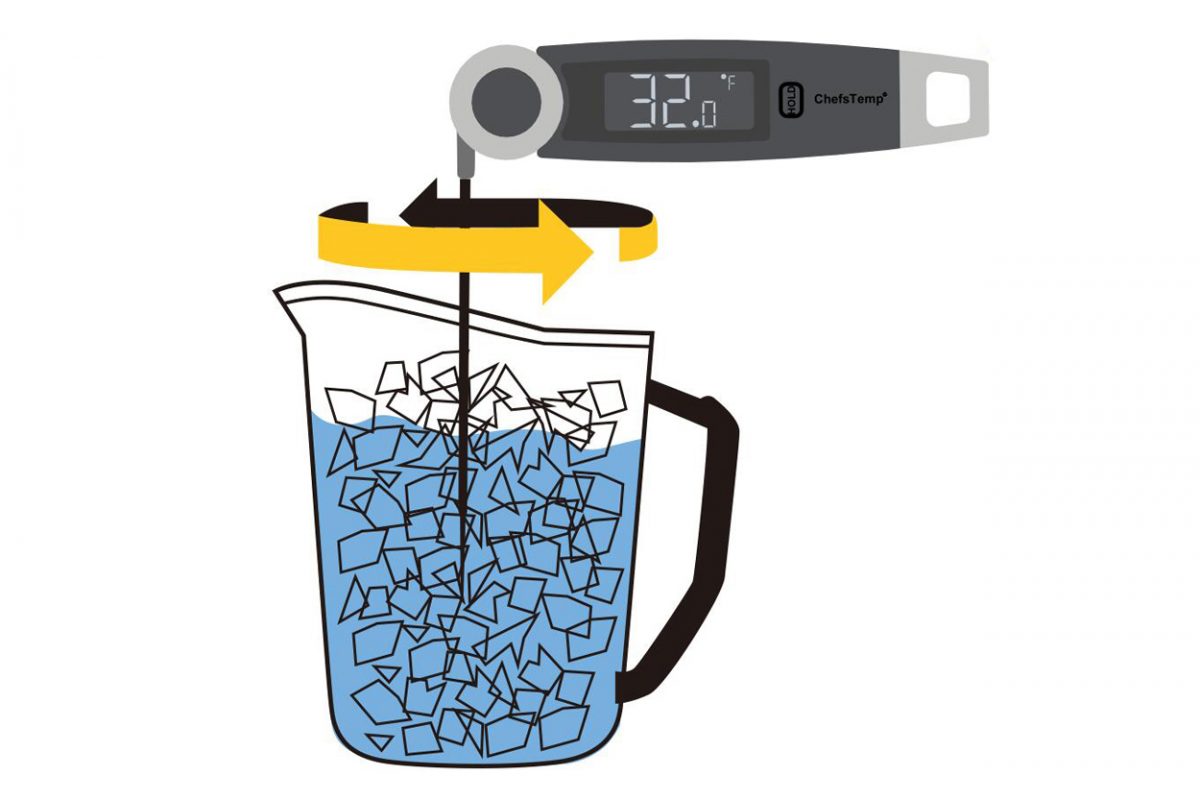
Imagine a clear, tall glass filled with crushed ice and water. The water level should be high enough to submerge the thermometer probe, but not overflowing. The ice should fill the spaces between the water and glass. Both the thermometer being calibrated and the reference thermometer are placed into the ice bath, side-by-side. The probes should not touch the bottom or sides of the container. Allow a few minutes for the temperatures to stabilize. Then, compare the readings on both thermometers. If they differ, note the difference and make the necessary adjustments to the thermometer being calibrated, following the manufacturer’s instructions.
The Ice Bath Calibration Method
Calibrating your thermometer using the ice bath method is a simple and effective way to ensure accurate temperature readings, which is critical for successful cheesemaking. This method relies on the known freezing point of water: 32°F (0°C). By creating an ice bath and checking your thermometer’s reading, you can determine if it’s accurate and make necessary adjustments.
Step-by-Step Procedure for Calibration
The ice bath calibration involves a few straightforward steps. Following these instructions carefully will help you get an accurate reading.
- Prepare the Ice Bath: Fill a container (a tall glass or pitcher works well) with crushed ice. Add cold water to the ice, ensuring the ice is submerged and the water level is near the top of the container. Let the ice bath sit for a few minutes to allow the temperature to stabilize. The ice should be evenly distributed throughout the water, ensuring uniform temperature.
- Insert the Thermometer: Carefully insert the thermometer stem or probe into the ice bath, making sure the sensing portion is fully submerged but not touching the bottom or sides of the container. Avoid stirring the ice bath excessively, as this could slightly affect the temperature.
- Wait for Stabilization: Allow the thermometer to sit in the ice bath for at least 2-3 minutes. This allows the thermometer to reach the same temperature as the ice bath. Digital thermometers may display a reading quickly, but it’s still best to wait the full time.
- Observe the Reading: Once the thermometer reading has stabilized, note the temperature displayed. The ideal reading should be 32°F (0°C).
- Adjust if Necessary: If the thermometer reading is not 32°F (0°C), adjustments are required. Many thermometers have a calibration nut or button that allows you to make these adjustments.
Adjusting the Thermometer
If your thermometer doesn’t read 32°F (0°C) in the ice bath, don’t worry! Most thermometers can be easily adjusted. The method for adjusting varies depending on the type of thermometer.
For dial thermometers, locate the calibration nut, usually found on the back of the thermometer. Use a wrench or pliers to gently turn the nut until the thermometer reads 32°F (0°C).
For digital thermometers, there is usually a reset button or a way to enter a calibration mode. Consult your thermometer’s manual for specific instructions on how to calibrate the device.
Important Note: If your thermometer cannot be adjusted, it may need to be replaced. Consider this if the temperature discrepancy is significant, such as a reading that is several degrees off.
Common Errors to Avoid
Several common errors can lead to inaccurate calibration results. Being aware of these errors can help you achieve more reliable results.
- Using Insufficient Ice: An ice bath with too little ice will not maintain a stable 32°F (0°C) temperature. The water should be saturated with ice.
- Touching the Container: Allowing the thermometer probe to touch the bottom or sides of the container can result in inaccurate readings. The thermometer should be suspended in the ice water.
- Rushing the Process: Not allowing the thermometer enough time to stabilize in the ice bath will lead to inaccurate results. Patience is key.
- Using Warm Water: Using warm water to make the ice bath can influence the initial temperature, resulting in inaccurate calibration. Ensure you use cold water.
- Incorrect Adjustment: Over-adjusting or adjusting the wrong part of the thermometer can lead to further inaccuracies. Carefully follow the instructions for your specific thermometer type.
The Boiling Water Calibration Method
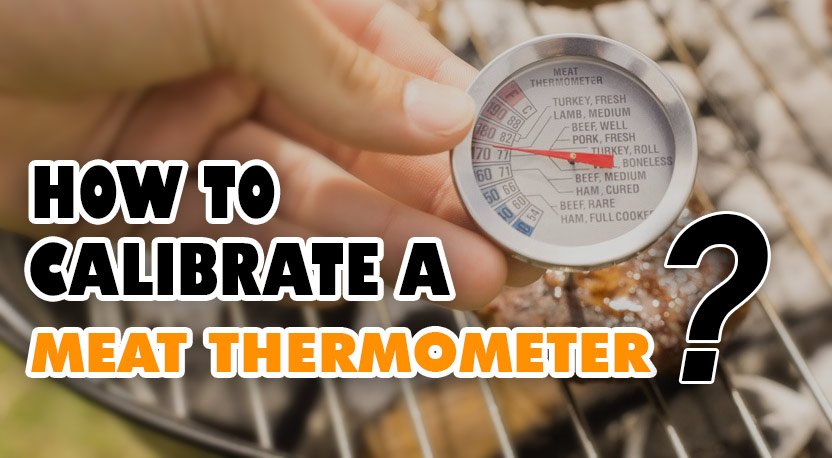
Calibrating your thermometer using boiling water is another effective way to ensure accuracy, especially for thermometers used in cheesemaking where precise temperature control is crucial. This method relies on the principle that pure water boils at a predictable temperature at a given atmospheric pressure. However, unlike the ice bath method, the boiling point of water is affected by altitude, making it necessary to account for this factor.
Step-by-Step Procedure for Calibration
The boiling water calibration involves a few simple steps.
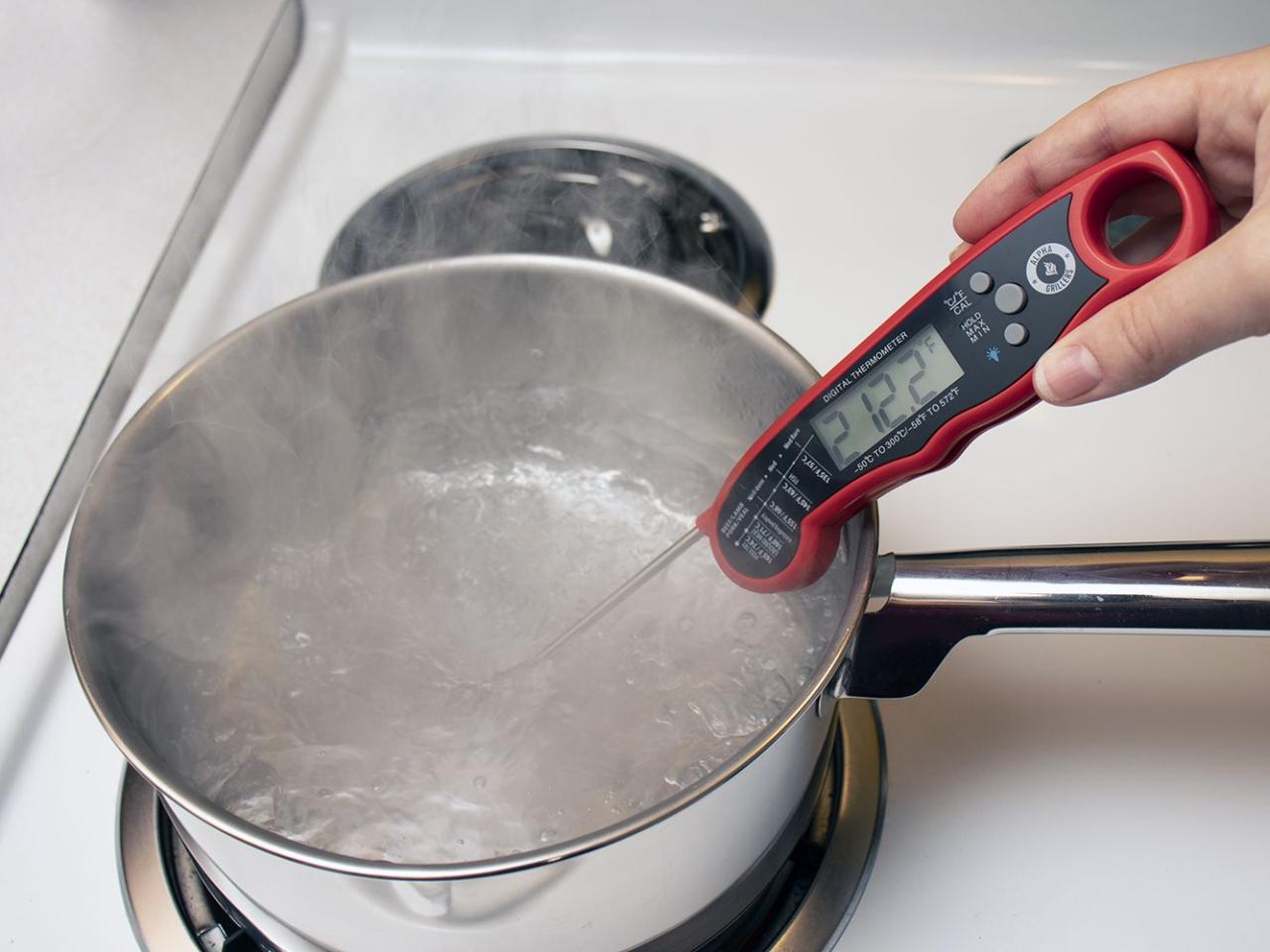
- Prepare the Water: Fill a pot with enough water to fully submerge the sensing portion of your thermometer. The amount will depend on the size of your pot and thermometer. Use fresh, clean water for the most accurate results.
- Heat the Water: Place the pot on a stovetop and bring the water to a rolling boil. Ensure a vigorous boil is maintained.
- Insert the Thermometer: Once the water is boiling, carefully insert the thermometer into the water, ensuring the sensing area is fully submerged and not touching the bottom or sides of the pot.
- Stabilize the Temperature: Allow the thermometer reading to stabilize. This may take a minute or two. The temperature reading should remain relatively constant.
- Compare and Adjust: Compare the thermometer’s reading to the expected boiling point of water at your altitude. If the reading is different, note the difference. If your thermometer has a calibration adjustment feature, use it to adjust the reading to the correct boiling point. If it doesn’t have an adjustment, note the offset for future temperature readings.
Factors Affecting Boiling Point and Compensation
The boiling point of water is not a constant value; it changes depending on the atmospheric pressure, which is primarily influenced by altitude. At higher altitudes, the atmospheric pressure is lower, and water boils at a lower temperature.
The relationship between altitude and boiling point is significant for cheesemaking. For example, at sea level, water boils at 212°F (100°C). However, at an altitude of 5,000 feet (1,524 meters), the boiling point is approximately 203°F (95°C). Failing to account for this difference can lead to inaccurate temperature readings, which can negatively impact the cheesemaking process.
Determining the Correct Boiling Point at Your Altitude
Determining the correct boiling point requires knowing your altitude.
Here are methods to find this value:
- Use an Altitude Map or Website: Websites and apps that provide elevation data can help you find your altitude. Search online for “altitude finder” and enter your location.
- Check a Weather Report: Some weather reports include the current barometric pressure, which can be used to estimate the boiling point.
- Consult a Local Expert: Ask a local expert, such as a chef, baker, or scientist, who knows your area.
Once you know your altitude, you can estimate the boiling point of water. A general rule of thumb is that the boiling point decreases by approximately 1.8°F (1°C) for every 1,000 feet (305 meters) increase in altitude. You can use the following formula to calculate the approximate boiling point:
Boiling Point = 212°F – (Altitude in feet / 542)
This formula is a simplified calculation. For more precise measurements, consult a scientific reference or use a specialized calculator that considers the local barometric pressure.
Calibrating Digital Thermometers
Calibrating digital thermometers is crucial for cheesemaking, as they often offer quick temperature readings and are widely used. Unlike analog thermometers, digital thermometers typically have a built-in calibration feature or require specific button sequences to adjust the readings. This section provides a step-by-step guide to calibrating digital thermometers, troubleshooting common issues, and interpreting the results.
Specific Steps for Calibrating Digital Thermometers
Digital thermometers generally offer straightforward calibration procedures, often accessible through button combinations or menu settings. The exact process varies depending on the model, so consulting the manufacturer’s instructions is always recommended. However, the following steps provide a general guide:
- Identify Calibration Mode: Most digital thermometers have a specific mode for calibration. This is often accessed by pressing and holding a “Calibrate,” “Mode,” or “Settings” button. Some thermometers might have a dedicated calibration button.
- Ice Bath Preparation: Prepare an ice bath as described in “The Ice Bath Calibration Method.” Ensure the water is thoroughly mixed and that the thermometer probe is submerged at least two inches deep, without touching the bottom or sides of the container.
- Initiate Calibration: Once the thermometer is in calibration mode and the probe is in the ice bath, follow the on-screen prompts or button sequence to initiate the calibration process. This usually involves pressing a button to accept the ice bath temperature as 32°F (0°C).
- Boiling Water Calibration (Optional): Some thermometers also allow for a boiling water calibration. Prepare a pot of boiling water as described in “The Boiling Water Calibration Method.” Submerge the probe in the boiling water (ensuring it doesn’t touch the bottom of the pot) and follow the prompts to calibrate to the boiling point of water at your altitude.
- Verification: After calibration, remove the thermometer from the ice bath and boiling water (if used) and verify the readings. The thermometer should display the correct temperatures. If not, repeat the calibration process.
- Finalizing Calibration: Once satisfied with the readings, exit the calibration mode by pressing the appropriate button or waiting for the mode to automatically exit.
Troubleshooting Digital Thermometers That Are Difficult to Calibrate
Sometimes, digital thermometers can present challenges during calibration. Here are some common issues and solutions:
- Unresponsive Buttons: If the buttons are unresponsive, try replacing the battery. Some thermometers might require a factory reset, which is often done by holding down a specific button while inserting the battery. Refer to the manufacturer’s instructions for the reset procedure.
- Inaccurate Readings After Calibration: If the thermometer continues to display inaccurate readings after calibration, the probe might be damaged or the thermometer may have a wider margin of error than specified. Try calibrating multiple times to ensure the best result. If the issue persists, the thermometer may need to be replaced.
- Calibration Mode Not Found: Consult the user manual for the exact calibration procedure. Some thermometers might have hidden calibration modes or require a specific sequence of button presses to access them. Search online for the model number and find user forums that may provide instructions.
- Error Messages: Error messages can indicate problems with the probe, battery, or internal components. Refer to the user manual for the meaning of specific error codes.
- Drifting Readings: If the readings drift over time, meaning the temperature changes slowly without a change in the environment, this could indicate a problem with the sensor. Try recalibrating the thermometer.
Reading and Interpreting the Display of a Calibrated Digital Thermometer
After calibration, it is important to understand how to interpret the readings. Here’s an example:
Scenario: You’ve just calibrated your digital thermometer using the ice bath method. The display shows 32.1°F. Interpretation: The reading is very close to the target of 32°F, which means the thermometer is accurate. You can now use the thermometer to monitor the temperature of your cheesemaking process. If the reading had been, for instance, 30°F, then you would have to calibrate again.
Calibrating Dial Thermometers
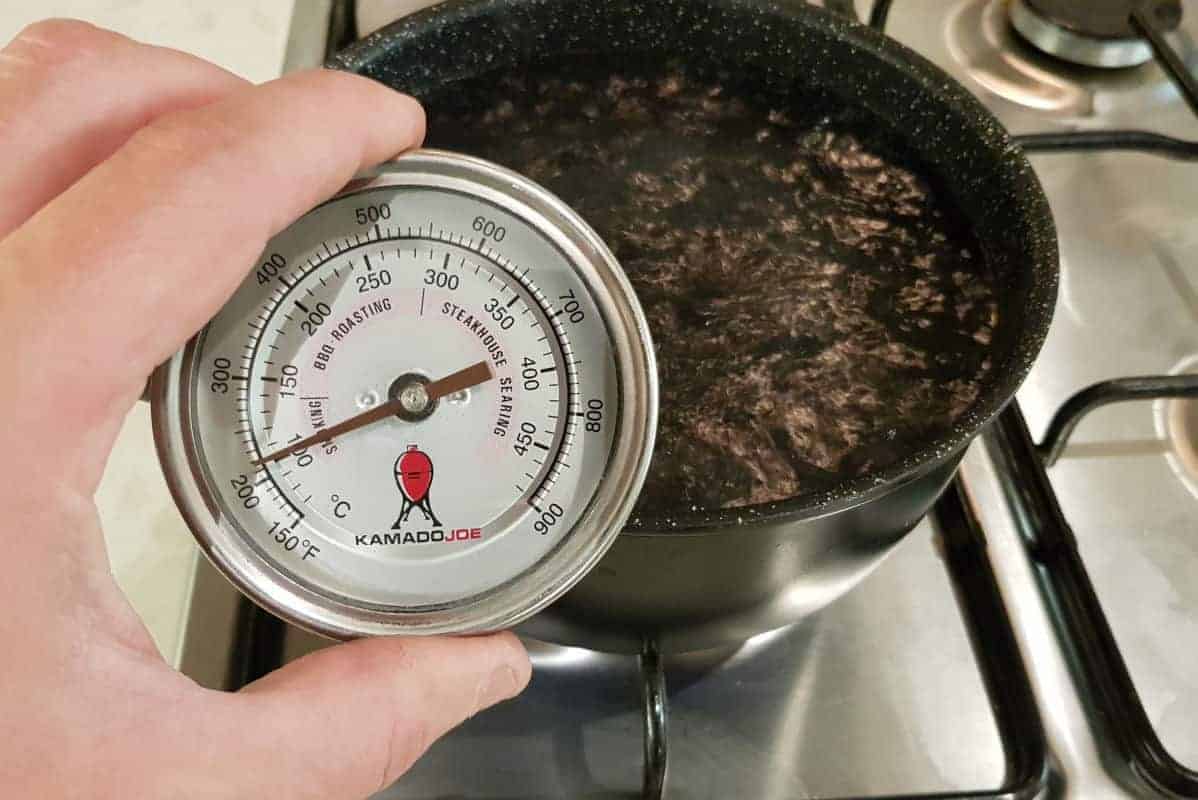
Dial thermometers, with their classic design and ease of use, are common tools in cheesemaking. However, they can drift out of calibration over time, leading to inaccurate temperature readings and potentially affecting your cheese’s quality. Properly calibrating these thermometers ensures precise temperature control, crucial for consistent cheesemaking results.
Steps for Calibrating Dial Thermometers
Calibrating dial thermometers requires careful attention to detail and a few simple steps. The process typically involves using both the ice bath and boiling water methods to verify the thermometer’s accuracy and make any necessary adjustments.
- Prepare an Ice Bath: Fill a container with ice and add cold water. Stir the mixture well to ensure the water temperature is at 32°F (0°C).
- Insert the Thermometer: Submerge the thermometer stem into the ice bath, ensuring it’s submerged to the depth indicated on the thermometer or at least 2 inches. Avoid touching the bottom or sides of the container.
- Allow for Stabilization: Wait for the thermometer reading to stabilize. This may take a minute or two.
- Check the Reading: Observe the thermometer reading. It should read 32°F (0°C).
- Adjust if Necessary: If the reading is not 32°F (0°C), locate the adjustment nut or screw on the back of the thermometer.
- Use a Wrench or Tool: Depending on the thermometer model, you’ll need a wrench or small screwdriver to turn the adjustment nut or screw. Turn it until the thermometer reads 32°F (0°C).
- Test with Boiling Water: After adjusting, repeat the calibration process using the boiling water method to confirm the accuracy at the higher end of the temperature range.
Adjusting the Dial on Different Types of Dial Thermometers
The adjustment mechanism on dial thermometers can vary slightly depending on the manufacturer and design. Understanding these differences is essential for making accurate adjustments.
Here are descriptions of the adjustment mechanisms on common types of dial thermometers:
- Thermometers with a Nut on the Back: These are the most common type. Locate the small nut on the back of the thermometer casing, often near the stem’s entry point. Using a small wrench, gently turn the nut to adjust the pointer. Turning the nut clockwise typically lowers the reading, while turning it counter-clockwise raises the reading.
- Thermometers with a Screw on the Back: Some thermometers use a small screw instead of a nut. Use a small screwdriver to turn the screw, adjusting the pointer’s position. The direction to turn the screw to correct the reading will vary, so observe the thermometer’s response as you make small adjustments.
- Thermometers with a Hidden Adjustment: Some older or specialized thermometers may have a hidden adjustment mechanism. This might be located under a small cover or require a specific tool to access. Consult the thermometer’s manual or manufacturer’s website for instructions.
Illustration Example:
Imagine a dial thermometer with a nut on the back. The thermometer’s face displays a temperature reading of 35°F in the ice bath, instead of the expected 32°F. You would use a small wrench to gently turn the adjustment nut on the back of the thermometer. The nut is turned counter-clockwise to bring the pointer down to the correct 32°F reading.
This action mechanically adjusts the internal mechanism of the thermometer, aligning the pointer with the correct temperature in the ice bath.
Potential Causes of Dial Thermometer Inaccuracies and How to Address Them
Several factors can contribute to inaccuracies in dial thermometers. Identifying and addressing these issues is critical for maintaining accurate temperature readings.
- Physical Damage: Dropping or impacting the thermometer can damage the internal components, leading to inaccurate readings.
- Age and Wear: Over time, the internal components of a dial thermometer can degrade, causing the readings to drift.
- Temperature Extremes: Exposing the thermometer to extremely high or low temperatures can affect its calibration.
- Internal Friction: Friction within the thermometer’s mechanical parts can impede the pointer’s movement, causing it to stick or read inaccurately.
Addressing these issues involves the following:
- Regular Calibration: Calibrate your dial thermometer regularly, at least every few months, or more frequently if you use it heavily.
- Handle with Care: Avoid dropping or damaging the thermometer.
- Proper Storage: Store the thermometer in a moderate temperature environment when not in use.
- Replacement: If the thermometer consistently provides inaccurate readings even after calibration, or if it shows signs of damage, it is time to replace it.
Regular Calibration Schedule and Maintenance
Maintaining accurate thermometers is crucial for consistent and successful cheesemaking. Regular calibration and proper care not only ensure the quality of your cheese but also extend the lifespan of your valuable equipment. This section Artikels a recommended calibration schedule, along with essential cleaning and storage procedures to keep your thermometers in top condition.
Recommended Calibration Schedule
To ensure accurate temperature readings, establishing a regular calibration schedule is essential. The frequency of calibration depends on factors like the type of thermometer, how frequently it’s used, and the environment it’s exposed to.
- Before First Use: Always calibrate a new thermometer before its initial use. This establishes a baseline and ensures it’s accurate from the start.
- Weekly or Bi-Weekly for Frequent Use: For thermometers used multiple times a week, especially in critical stages like milk heating or rennet addition, calibrate them every one to two weeks. This helps catch any drift in accuracy early.
- Monthly for Moderate Use: If you make cheese less frequently, calibrating your thermometers monthly is generally sufficient.
- After Any Significant Drop or Impact: If a thermometer is dropped or experiences a sudden temperature change (like being moved from a cold storage to a warm room), recalibrate it immediately.
- When Readings Seem Inconsistent: If you notice inconsistencies in your cheese batches or suspect inaccurate temperature readings, recalibrate your thermometers promptly.
Cleaning Procedures for Different Thermometer Types
Proper cleaning is vital to maintain the accuracy and longevity of your thermometers. Different thermometer types require specific cleaning methods.
For all thermometers, ensure the cleaning solutions are food-safe and do not contaminate your cheesemaking process.
- Digital Thermometers:
These thermometers typically have a probe and a digital display.
- Probe Cleaning: After each use, wash the probe with warm, soapy water. Rinse thoroughly and dry completely. Avoid submerging the entire thermometer in water, as this can damage the electronics. For stubborn residue, use a soft brush.
- Display Cleaning: Wipe the display with a clean, damp cloth. Avoid using harsh chemicals or abrasive cleaners that could scratch the screen.
- Battery Check: Regularly check the battery level and replace batteries as needed to ensure accurate readings. Low batteries can affect performance.
- Dial Thermometers:
Dial thermometers often have a glass face and a stainless steel probe.
- Probe Cleaning: Clean the probe with warm, soapy water after each use. Rinse and dry thoroughly. Avoid getting water inside the dial casing.
- Dial Cleaning: Wipe the glass face and the casing with a damp cloth. Be gentle to avoid damaging the glass.
- Calibration Check: Periodically check the calibration by comparing it with a calibrated digital thermometer or using the ice bath and boiling water methods.
Proper Storage Procedures
Correct storage protects your thermometers from damage and maintains their accuracy.
- Store in a Clean, Dry Place: Always store your thermometers in a clean, dry location. Avoid storing them in extreme temperatures or direct sunlight.
- Protect the Probe: When storing, protect the probe from bending or damage. Some thermometers come with protective sheaths; use them.
- Avoid Extreme Temperatures: Do not store thermometers in environments with extreme temperatures, such as near a hot stove or in a freezer, unless specifically designed for those conditions.
- Store Separately: Keep thermometers separate from other tools to prevent accidental damage or contamination.
Tips for Extending Thermometer Lifespan
Implementing a few simple practices can significantly extend the lifespan of your cheesemaking thermometers.
- Handle with Care: Treat your thermometers gently. Avoid dropping them or subjecting them to sudden impacts.
- Avoid Extreme Temperatures: Do not expose thermometers to temperatures outside their specified operating range. Refer to the manufacturer’s instructions.
- Clean Regularly: Regular cleaning prevents the buildup of residue that can affect accuracy and damage the probe.
- Calibrate Regularly: Regular calibration is key to catching any issues early and maintaining accuracy.
- Inspect Regularly: Periodically inspect your thermometers for any signs of damage, such as a bent probe or a cracked display. Replace damaged thermometers promptly.
- Follow Manufacturer’s Instructions: Always refer to the manufacturer’s instructions for specific cleaning, storage, and maintenance recommendations.
Troubleshooting Common Calibration Issues
Calibrating your thermometer is crucial for accurate cheesemaking, but sometimes things don’t go as planned. This section helps you identify common problems and offers solutions to ensure your thermometer is providing reliable temperature readings. Understanding these troubleshooting steps can save you time, ingredients, and the frustration of a cheese-making failure.
Inaccurate Readings During Calibration
Several factors can lead to inaccurate readings during the ice bath or boiling water calibration methods.
- Improper Immersion Depth: The thermometer’s probe must be submerged to the correct depth in the ice bath or boiling water.
- Air Pockets or Contact with the Container: Air pockets around the probe can insulate it and lead to inaccurate readings.
- Thermometer Sensitivity Issues: Digital thermometers, in particular, may exhibit sensitivity issues over time.
- Boiling Point Variations: The boiling point of water changes with altitude.
Ensure the probe is immersed at least 2 inches (5 cm) deep, but not touching the bottom or sides of the container. If the probe touches the container, it can affect the temperature reading.
Make sure the probe is fully surrounded by ice and water in the ice bath or water in the boiling water method. Avoid touching the sides or bottom of the container. Stir the water gently to ensure even temperature distribution.
If your digital thermometer consistently shows readings that are significantly off, the sensor may be failing. Consider replacing the thermometer if calibration is unsuccessful.
At higher altitudes, water boils at a lower temperature. If you are calibrating using the boiling water method, you may need to adjust your target temperature accordingly. For example, at 5,000 feet (1,524 meters) above sea level, the boiling point is approximately 203°F (95°C) instead of 212°F (100°C).
Troubleshooting Solutions
Here’s how to address the issues identified above.
- Recheck Immersion: Carefully re-immerse the thermometer, ensuring the probe is at the correct depth and not touching the container.
- Stir the Water: Gently stir the ice bath or boiling water to ensure uniform temperature distribution. This helps to eliminate any localized temperature variations.
- Verify Boiling Point: Use an online altitude calculator or a local weather report to determine the boiling point of water at your specific altitude if calibrating with boiling water. Adjust your calibration target accordingly.
- Multiple Calibration Attempts: Try calibrating the thermometer multiple times. Sometimes, a single calibration may not be sufficient to correct the reading.
- Consult Manufacturer’s Instructions: Refer to the manufacturer’s instructions for your specific thermometer model. They may provide specific troubleshooting steps or recommendations.
- Test with a Known Temperature Source: If you suspect your thermometer is inaccurate, test it against a thermometer known to be accurate. For example, use a mercury thermometer (if you have one) or a NIST-traceable thermometer for comparison.
Consequences of Using an Uncalibrated Thermometer
Using an uncalibrated thermometer can significantly impact the cheesemaking process.
- Inconsistent Curd Formation: Incorrect temperatures can affect the rate of coagulation and curd formation.
- Failed Pasteurization: If the thermometer reads too low, milk may not be heated to the correct pasteurization temperature.
- Altered Cheese Texture and Flavor: Temperature plays a critical role in the development of cheese texture and flavor.
- Inefficient Whey Separation: Temperature impacts how well the curds separate from the whey.
- Increased Risk of Bacterial Contamination: Inadequate heating can fail to eliminate undesirable bacteria.
For example, if your thermometer reads too low, you might heat the milk to a higher temperature than necessary, potentially leading to a tough curd. Conversely, a thermometer reading too high could result in a curd that is too soft.
This can result in inadequate destruction of harmful bacteria, which can lead to spoilage or food safety issues.
Inaccurate temperature readings can lead to unexpected changes in the final product. For instance, the cheese may be too dry, too crumbly, or develop undesirable flavors.
Improper temperatures can hinder whey expulsion, leading to a cheese with a higher moisture content than intended.
If the milk isn’t heated to the correct temperature during cheesemaking, it can harbor unwanted bacteria, which may spoil the cheese or pose health risks.
Advanced Calibration Techniques
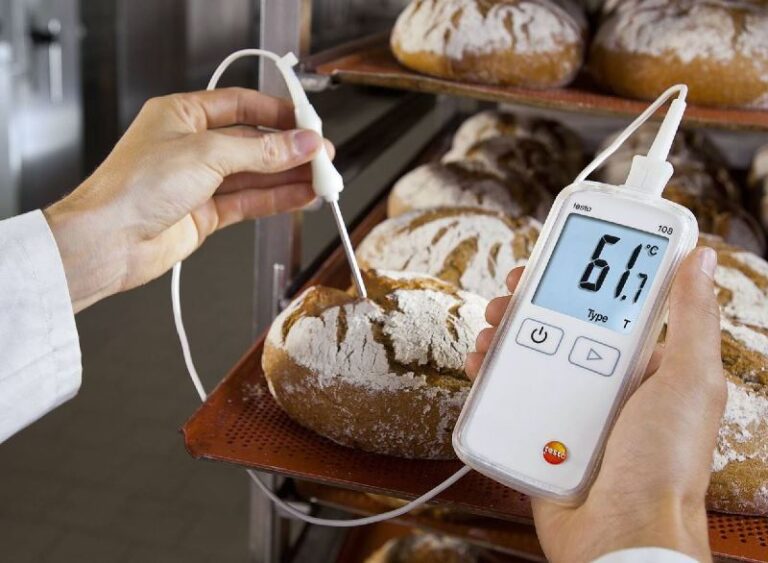
While the ice bath and boiling water methods are excellent for basic calibration, advanced techniques offer greater precision and allow for verifying accuracy across a wider temperature range. These methods often involve specialized equipment and are typically used in professional settings or by individuals seeking the highest level of accuracy. They are crucial for cheesemakers aiming for utmost precision in their craft.
Methods for Calibrating Thermometers Using Specialized Equipment
These methods utilize equipment that provides highly accurate and stable temperature environments.
- Calibration Baths: These are temperature-controlled baths filled with a fluid, such as oil or water, that maintains a very stable temperature. Thermometers are immersed in the bath, and their readings are compared to a certified reference thermometer. Calibration baths are available in various temperature ranges, allowing for calibration at multiple points. The stability of the bath is critical; fluctuations should be minimal.
- Dry-Well Calibrators: Dry-well calibrators are essentially temperature-controlled blocks with wells designed to accommodate thermometers. They offer a convenient and portable alternative to liquid baths. The block is heated or cooled to a specific temperature, and the thermometer is inserted into a well. The temperature is then compared to the calibrator’s internal reference. These are often used for field calibration due to their portability.
- Temperature Standards: These are highly accurate temperature sources, often based on the freezing or boiling points of pure substances. For example, a gallium melting point cell can be used to provide a precise 29.7646°C temperature. These standards offer a very stable and accurate temperature for calibration.
Methods for Verifying Thermometer Accuracy Beyond Basic Calibration Procedures
Beyond the basic calibration methods, additional techniques can verify a thermometer’s accuracy across its entire operating range.
- Multi-Point Calibration: Instead of calibrating at just two points (ice and boiling water), multi-point calibration involves checking the thermometer at several temperatures across its range. This helps identify any non-linearities or errors that may exist at different points. The more points used, the more accurate the characterization of the thermometer.
- Comparison with a Certified Reference Thermometer: A certified reference thermometer, traceable to national or international standards, is used as a benchmark. The thermometer being tested is placed alongside the reference thermometer in a stable temperature environment, and the readings are compared. This method is highly accurate and allows for a direct comparison.
- Statistical Analysis: Data from multiple calibration points can be analyzed statistically to determine the accuracy and precision of the thermometer. This can involve calculating the mean, standard deviation, and other statistical measures to assess the thermometer’s performance. This provides a quantifiable measure of the thermometer’s reliability.
Example: Using a Certified Reference Thermometer to Verify Thermometer Calibration
This example demonstrates how to use a certified reference thermometer to verify the accuracy of a cheesemaking thermometer.
Materials Needed:
- The thermometer to be calibrated (e.g., a digital probe thermometer).
- A certified reference thermometer (with a documented calibration traceable to a recognized standard).
- A temperature-controlled water bath (or a well-insulated container and a stable heat source/ice).
- A stirring device (to ensure uniform temperature).
- A thermometer holder (optional, to keep the thermometers at the same depth).
- A data recording sheet (or a spreadsheet).
Procedure:
- Preparation: Set up the water bath (or insulated container). Ensure the water is clean and free of debris. If using ice, add ice and water, allowing it to stabilize. If using a heat source, carefully adjust the heat to reach the desired temperature.
- Temperature Setting: Choose a calibration temperature. Ideally, select several temperatures across the cheesemaking range (e.g., 5°C, 20°C, 35°C, 50°C).
- Immersion: Place both the thermometer to be calibrated and the certified reference thermometer into the water bath. Ensure the sensing portions of both thermometers are fully immersed and at the same depth. Use a thermometer holder to maintain a consistent position, if available.
- Stabilization: Allow the temperature to stabilize for at least 5-10 minutes, ensuring both thermometers have reached equilibrium. Stir the water gently to maintain a uniform temperature.
- Data Recording: Record the readings from both thermometers on the data sheet. Note the temperature reading from the certified reference thermometer (the “true” temperature) and the reading from the thermometer being calibrated.
- Repeat: Repeat steps 3-5 for each chosen calibration temperature.
- Analysis: Compare the readings from the thermometer being calibrated to the readings from the certified reference thermometer. Calculate the difference (error) at each temperature.
- Evaluation: Determine if the errors are within acceptable limits for cheesemaking. If the errors are significant, the thermometer may need to be adjusted (if possible) or replaced.
Example Data Table:
| Temperature (°C) | Certified Reference Thermometer (°C) | Thermometer Being Calibrated (°C) | Error (°C) |
|---|---|---|---|
| 5 | 5.0 | 5.2 | +0.2 |
| 20 | 20.0 | 20.1 | +0.1 |
| 35 | 35.0 | 35.3 | +0.3 |
| 50 | 50.0 | 50.5 | +0.5 |
Interpretation: In this example, the thermometer has a slight positive error at each temperature, meaning it consistently reads slightly higher than the certified reference thermometer. The cheesemaker can then decide if these errors are acceptable for the specific cheese being made. If the error is small and consistent, it might be possible to make a minor adjustment to the thermometer’s readings, or simply note the offset when using the thermometer.
End of Discussion
Mastering the art of thermometer calibration is more than just a technical skill; it’s a commitment to precision and excellence in cheesemaking. By following the techniques Artikeld in this guide, you’ll not only avoid common pitfalls but also unlock the potential to create consistently delicious cheeses. Remember, a calibrated thermometer is the cornerstone of cheesemaking success, paving the way for a world of flavorful creations.
Now, go forth and create cheese with confidence!