How to Choose the Right Cheese Mold for Your Project is a journey into the fascinating world of cheesemaking, where the humble cheese mold is the unsung hero. These molds are far more than just containers; they’re the architects of flavor, texture, and appearance, dictating the final form and character of your homemade cheese. Selecting the perfect mold is the cornerstone of success, so understanding their nuances is crucial for every aspiring cheesemaker.
This guide will demystify the selection process, offering a comprehensive overview of mold types, materials, and essential considerations. We’ll explore how different cheese varieties influence mold choice, delve into factors like size and drainage, and provide practical advice on cleaning, maintenance, and sourcing. Whether you’re a beginner or an experienced enthusiast, this resource will equip you with the knowledge to choose the right mold and elevate your cheesemaking endeavors.
The Importance of Cheese Molds

Cheese molds are fundamental to the cheese-making process, shaping the cheese and influencing its final characteristics. Selecting the appropriate mold is critical for achieving the desired outcome in terms of flavor, texture, and appearance. A poor choice can lead to significant problems, resulting in a cheese that doesn’t meet expectations or, worse, is completely unusable.
Role of Cheese Molds in Cheesemaking
Cheese molds serve a multitude of crucial functions throughout the cheesemaking process. They are not merely containers; they are integral to the development of the cheese.
- Shaping the Cheese: Molds define the final form of the cheese. They dictate the size, shape, and overall aesthetics of the finished product. From the classic wheel of cheddar to the intricate forms of bloomy rind cheeses, the mold is the architect of the cheese’s structure.
- Facilitating Whey Drainage: The design of the mold significantly impacts whey drainage, a critical step in cheese production. Proper drainage removes excess moisture, which is essential for developing the desired texture and preventing spoilage. Molds with drainage holes or specific structural designs assist in this process.
- Controlling Airflow and Humidity: Molds influence the cheese’s interaction with the environment during aging. The airflow and humidity levels within the mold impact the growth of beneficial molds and bacteria on the cheese’s surface and throughout its interior. This controlled environment is crucial for developing the characteristic flavors and textures of different cheese types.
- Influencing Rind Formation: The mold’s material and design contribute to the development of the cheese’s rind. The rind acts as a protective barrier and is often a key component of the cheese’s flavor profile. For example, the mold’s texture can influence how a bloomy rind develops, affecting the cheese’s final appearance and mouthfeel.
Impact of Mold Selection on Cheese Characteristics
The type of mold used directly affects the final qualities of the cheese, influencing its flavor, texture, and visual appeal. The choice of mold should align with the desired cheese style.
- Flavor Development: The mold’s material and design can influence the growth of beneficial microorganisms on the cheese surface, which play a crucial role in flavor development. For instance, the molds used for bloomy rind cheeses encourage the growth of
-Penicillium candidum*, contributing to the cheese’s characteristic earthy and mushroomy flavors. - Texture Formation: Molds impact the cheese’s texture by influencing whey drainage and the rate of moisture loss. The design of the mold affects how the cheese compacts during pressing and aging, contributing to its firmness, creaminess, or other textural characteristics.
- Appearance and Aesthetics: The mold dictates the cheese’s final shape and surface appearance. Whether it’s the smooth, cylindrical form of a goat cheese or the distinctive shape of a specific cheese type, the mold determines the cheese’s visual appeal.
Consequences of Incorrect Mold Selection
Choosing the wrong mold can lead to several undesirable outcomes, potentially ruining the cheese-making project. The consequences range from minor aesthetic flaws to significant structural and flavor problems.
- Flavor and Texture Deviations: Using an inappropriate mold can hinder the development of the desired flavors and textures. For example, using a mold that restricts airflow can lead to off-flavors or a rubbery texture.
- Structural Issues: Incorrect mold selection can result in cheeses that collapse, crack, or fail to hold their shape. This can be due to inadequate whey drainage, insufficient support during pressing, or improper airflow during aging.
- Appearance Problems: The cheese may not develop the intended rind or surface characteristics. This could result in an unappealing appearance, which can negatively impact the cheese’s market value.
- Potential for Failure: In severe cases, using the wrong mold can lead to cheese spoilage. Improper drainage, inadequate airflow, or unsuitable materials can create an environment that promotes the growth of undesirable microorganisms, rendering the cheese inedible.
Types of Cheese Molds
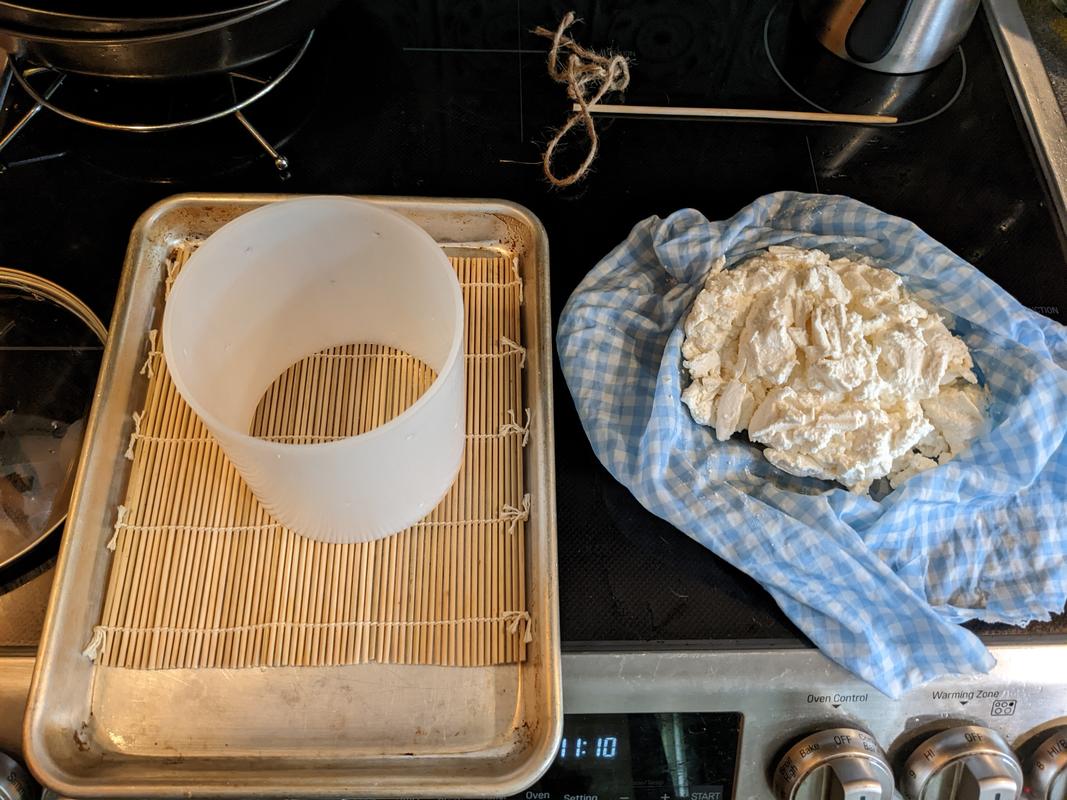
Choosing the right cheese mold is essential for shaping your cheese and influencing its final texture and appearance. Understanding the different types available allows you to select the perfect mold for your desired cheese style. This section explores the diverse world of cheese molds, from their shapes to the materials they are made from.
Common Cheese Mold Shapes
The shape of a cheese mold directly impacts the cheese’s final form and can influence its aging process. Different shapes offer unique characteristics, contributing to the cheese’s visual appeal and sometimes even its flavor development.
- Square Molds: Square molds are versatile and create cheeses that are easy to slice and portion. They are commonly used for cheddar, feta, and other firm cheeses.
- Round Molds: Round molds are a classic choice, producing wheels of cheese that are aesthetically pleasing and suitable for a variety of cheese types, including Camembert and Brie.
- Pyramid Molds: Pyramid molds add a distinctive touch to cheeses, creating a visually striking presentation. They are often used for goat cheeses, offering a unique shape that differentiates them.
- Basket Weave Molds: Basket weave molds impart a textured surface to the cheese, adding visual interest and often mimicking traditional cheesemaking techniques. They are often used for cheeses like Caerphilly, and some types of goat cheese.
- Heart-Shaped Molds: Heart-shaped molds are ideal for creating cheese with a romantic appeal, perfect for special occasions or gifting. They are frequently used for soft cheeses.
- Cylinder Molds: Cylinder molds produce cheeses that are easy to stack and store. They are commonly used for cheeses like ricotta and other fresh cheeses.
Cheese Mold Materials: Comparison
The material of a cheese mold significantly affects its durability, ease of cleaning, and impact on cheese development. Each material has its own advantages and disadvantages, making it important to consider your specific needs and preferences when selecting a mold. The table below compares the common materials used in cheese molds.
| Material | Advantages | Disadvantages | Typical Use Cases |
|---|---|---|---|
| Plastic |
|
|
|
| Stainless Steel |
|
|
|
| Wood |
|
|
|
Considering Your Project: Cheese Type and Mold Compatibility
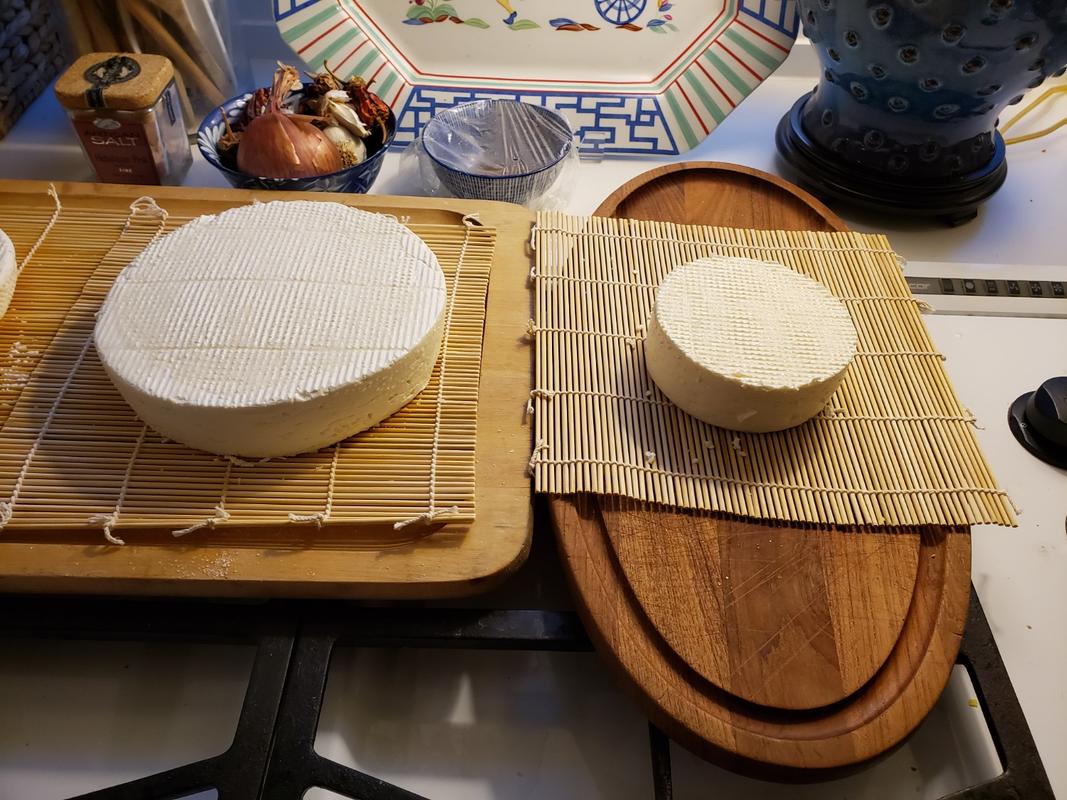
Choosing the right cheese mold isn’t just about aesthetics; it’s crucial for the success of your cheesemaking endeavor. Different cheese types demand specific mold characteristics to ensure proper drainage, shape retention, and overall quality. This section guides you through the process of matching your chosen cheese type with the most appropriate mold, ensuring a successful cheesemaking experience.
Influence of Cheese Types on Mold Selection
The characteristics of the cheese you intend to make heavily influence the mold you select. Factors such as moisture content, acidity, and the presence of specific cultures (like those for blue cheese) play a significant role in mold compatibility. Understanding these influences is vital for optimal cheese development.For example, a soft, high-moisture cheese will require a mold that facilitates excellent drainage to prevent unwanted pooling of whey and maintain the cheese’s structure.
Conversely, a hard cheese will benefit from a mold that provides structural support during pressing and aging. Blue cheeses necessitate molds designed to allow air circulation for the growth of the
Penicillium* mold.
Decision-Making Process for Matching Cheese Types with Mold Shapes
Matching cheese types with mold shapes is a systematic process. It involves assessing the cheese’s characteristics and considering the mold’s properties. This process helps ensure the cheese develops properly, both in terms of shape and texture.First, consider the cheese’s moisture content. High-moisture cheeses require molds with ample drainage holes or porous structures. Second, evaluate the cheese’s texture.
Soft cheeses need molds that provide support during the initial setting and aging phases. Hard cheeses benefit from molds that withstand pressing and maintain shape. Third, consider the presence of specific cultures. Blue cheeses need molds that permit airflow for mold growth. Finally, think about the desired shape and size of the cheese, as this will narrow down your mold options.
Cheese Types and Corresponding Mold Recommendations
The following list offers recommendations for matching various cheese types with suitable mold options, providing a practical guide for your cheesemaking projects.
- Soft Cheeses (e.g., Brie, Camembert): Require molds with numerous small drainage holes or a porous structure to allow whey to escape. Cylindrical molds are a common choice.
- Example: A Camembert mold typically has a flat bottom, straight sides, and many small holes to facilitate even drainage.
- Semi-Hard Cheeses (e.g., Gouda, Havarti): Need molds that provide structural support during pressing. Molds with solid sides and a base are suitable.
- Example: A Gouda mold might be a cylindrical shape with a solid base and a follower (a disc that fits inside the mold) to help apply even pressure during pressing.
- Hard Cheeses (e.g., Cheddar, Parmesan): Demand robust molds capable of withstanding high pressing pressures. These molds often have a solid construction and are designed to retain shape during extended aging.
- Example: A Cheddar mold is often a sturdy, cylindrical shape, sometimes with a hinged design for easy cheese removal after pressing.
- Blue Cheeses (e.g., Roquefort, Stilton): Benefit from molds that allow air circulation to support the growth ofPenicillium* mold. These molds often feature perforations or slits.
- Example: A Stilton mold might be a cylindrical shape with numerous perforations along the sides to promote airflow and facilitate the development of blue veins throughout the cheese.
- Fresh Cheeses (e.g., Feta, Chèvre): These cheeses often utilize molds for initial shaping and draining. The molds need to be easy to clean and often have simple designs.
- Example: Feta can be molded in a simple rectangular mold with drainage holes, allowing for whey removal while maintaining the cheese’s block shape.
Factors Influencing Mold Choice
Choosing the right cheese mold involves more than just its shape and the material it’s made from. Several other factors play crucial roles in determining the final outcome of your cheese, from its size and capacity to how it ages and ripens. Understanding these influences will help you make informed decisions, leading to consistently successful cheese-making projects.
Mold Size and Capacity Relative to Desired Yield
The size and capacity of your cheese mold directly determine the amount of cheese you can produce in a single batch. Selecting the appropriate size is crucial for efficient cheesemaking and managing your resources effectively.Consider the following:
- Cheese Yield Calculation: The yield of cheese varies depending on the cheese type. For example, soft cheeses typically have a higher yield compared to hard cheeses, which lose more moisture during the pressing process. Research the expected yield for the specific cheese you intend to make to estimate the required milk volume and, consequently, the mold size.
- Batch Size Planning: Determine the amount of cheese you want to produce regularly. This will help you choose molds that match your production needs. Starting with smaller batches is often recommended for beginners to minimize waste and gain experience.
- Storage and Consumption: Think about how you plan to store and consume the cheese. If you’re making cheese for personal consumption, smaller molds might be sufficient. For selling or sharing, larger molds might be more appropriate.
- Example: If you’re aiming to make a Camembert cheese, which typically yields around 10-15% of the milk volume in cheese, and you want to produce 1 kg of cheese per batch, you’ll need a mold capable of holding that final weight after draining. You can calculate the approximate milk needed, accounting for whey loss. In contrast, a hard cheese like Cheddar, which yields approximately 8-10% of the milk volume, will require a different mold size for the same desired cheese weight.
Mold Drainage’s Impact on Cheese Development
Effective drainage is critical for successful cheese development. The design of the mold significantly impacts how efficiently whey, the liquid byproduct of cheesemaking, is removed. This process influences the cheese’s texture, moisture content, and the environment in which beneficial bacteria and molds thrive.The following aspects are vital:
- Drainage Holes: The size, number, and placement of drainage holes in the mold affect whey removal. Adequate drainage prevents the cheese from becoming overly acidic and developing off-flavors. Molds with many small holes or strategically placed larger holes generally promote better drainage.
- Surface Contact: The design of the mold’s interior surface influences whey drainage. Molds with raised patterns or textured surfaces allow for better whey runoff compared to those with completely smooth surfaces, which can trap whey.
- Whey Removal: Proper whey removal is essential to control the moisture content of the cheese. Insufficient drainage can lead to a soft, overly moist cheese, while excessive drainage can result in a dry, crumbly texture.
- Example: Consider two molds for making a similar type of cheese. One mold has numerous small drainage holes, and the other has fewer, larger holes. The mold with smaller holes might drain slightly slower initially, but it can prevent the loss of cheese curds, resulting in a slightly higher yield. The mold with larger holes will drain faster, potentially leading to a drier cheese, but might be preferred for certain cheese styles that require rapid whey removal.
Mold Design’s Influence on Cheese Aging and Ripening
The design of the cheese mold profoundly influences the aging and ripening processes. The mold’s shape, size, and material all contribute to the microclimate around the cheese, affecting the development of flavor, texture, and rind formation.The key aspects include:
- Airflow: The mold’s design affects airflow around the cheese, which is crucial for the growth of surface molds and the development of a rind. Molds with open designs allow for better air circulation, promoting the growth of molds like Penicillium candidum in bloomy rind cheeses.
- Moisture Control: The mold’s ability to manage moisture is critical. A well-designed mold helps regulate the humidity around the cheese, preventing it from drying out too quickly or becoming excessively moist.
- Shape and Surface Area: The shape of the mold influences the surface-to-volume ratio of the cheese, affecting the rate of ripening. Smaller cheeses, or those with a larger surface area relative to their volume, tend to ripen more quickly.
- Material Impact: The material of the mold also plays a role. For example, wooden molds can contribute to the flavor profile of the cheese, while plastic molds offer different characteristics in terms of moisture control and airflow.
- Example: Consider a round Camembert cheese mold versus a square one. The round mold promotes even ripening, while the square mold might experience variations in ripening across the corners. Also, consider the impact of a mold with a smooth surface versus a mold with a textured surface. The textured surface can influence the development of the rind and the texture of the cheese.
Evaluating Mold Features
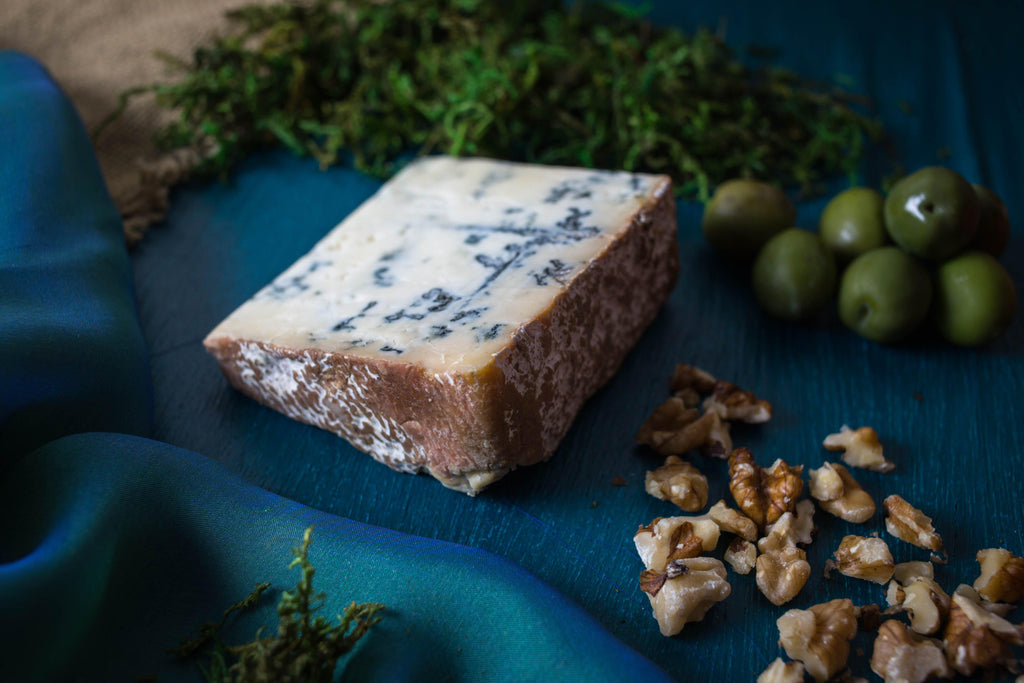
Choosing the right cheese mold isn’t just about shape and size; it’s also about understanding the nuances of its construction. The features of a mold significantly impact the cheese-making process, influencing everything from moisture control to rind development. Paying close attention to these details can make the difference between a successful cheese and one that falls short of your expectations.
Mold Perforations and Moisture Control
The perforations, or holes, in a cheese mold play a critical role in how your cheese ages. These small openings allow whey to drain from the curd, which is essential for controlling moisture levels and achieving the desired texture in the final product.
- Drainage Efficiency: The number, size, and placement of perforations determine how quickly and efficiently whey drains. Molds designed for soft cheeses, like Brie or Camembert, often have more and smaller perforations to facilitate gentle drainage. Harder cheeses, such as cheddar, may use larger perforations, and fewer, to drain whey more slowly, contributing to a denser structure.
- Moisture Balance: Effective drainage is vital for preventing excessive moisture, which can lead to undesirable mold growth on the cheese surface and spoilage. Conversely, insufficient drainage can result in a cheese that is too moist and lacks the proper texture.
- Air Circulation: Perforations also promote airflow around the cheese, aiding in drying the surface and encouraging rind formation. Proper air circulation helps to regulate the growth of beneficial molds and bacteria, contributing to the cheese’s flavor profile.
- Mold Design: The design of the perforations can also influence the cheese’s shape and appearance. For instance, strategically placed perforations can help to create a uniform rind, while others may contribute to the development of specific surface characteristics.
Mold Surface Finish and Rind Formation
The surface finish of a cheese mold can significantly impact the development of the cheese rind. The texture of the mold’s surface interacts with the cheese curd, influencing how the rind forms and the overall appearance of the finished product.
- Smooth Surfaces: Molds with smooth surfaces, often made of polished plastic or stainless steel, tend to produce a more even and consistent rind. This is because the smooth surface minimizes friction and allows the curd to settle evenly, promoting a uniform drying process. This is often preferred for cheeses where a clean, even rind is desirable, like certain bloomy rind cheeses.
- Textured Surfaces: Molds with textured surfaces, such as those with ridges or patterns, can influence the rind formation in different ways. The texture can create a more complex surface, potentially leading to a more varied rind development and adding visual interest to the cheese. Some cheesemakers use textured molds to promote the growth of specific molds or bacteria on the surface.
- Material Considerations: The material of the mold itself can also impact rind formation. Some materials, like wood, are porous and can absorb moisture, potentially influencing the cheese’s environment and rind development.
- Cleaning and Maintenance: The surface finish also affects the ease of cleaning and maintaining the mold. Smooth surfaces are generally easier to clean and sanitize, reducing the risk of contamination and promoting consistent cheese-making results.
Assessing Mold Quality and Durability
Choosing a high-quality cheese mold is crucial for consistent results and longevity. A well-made mold will withstand the rigors of repeated use and provide a reliable environment for cheese-making. Evaluating mold quality involves examining several key features.
- Material Integrity: Examine the mold’s material for any signs of damage, such as cracks, warping, or brittleness. High-quality molds are typically made from food-grade materials like polypropylene or stainless steel, which are durable, resistant to chemicals, and easy to clean.
- Construction Quality: Check for smooth seams, secure joints, and a well-finished surface. Poorly constructed molds may have weak points that can lead to breakage or contamination. Ensure that all components fit together properly and that there are no sharp edges or rough spots that could harbor bacteria.
- Perforation Assessment: Inspect the perforations for uniformity and cleanliness. Ensure that the holes are consistently sized and spaced, and that there are no obstructions or burrs that could hinder drainage.
- Durability and Resistance: Consider the mold’s resistance to temperature changes, chemicals, and cleaning agents. A durable mold will withstand repeated washing and sanitizing without degrading.
- Flexibility: Consider the flexibility of the mold, especially for molds designed to be used with soft cheeses. A mold that is too rigid may not allow for proper whey drainage and can damage the cheese.
- Defect Inspection: Carefully examine the mold for any manufacturing defects, such as cracks, chips, or irregularities in the surface. These defects can harbor bacteria and compromise the quality of your cheese.
- Cleaning and Sanitization: The mold must be easy to clean and sanitize. The material and design should facilitate thorough cleaning to prevent contamination. Consider the recommended cleaning instructions provided by the manufacturer.
Cleaning and Maintenance: Ensuring Longevity and Hygiene
Maintaining your cheese molds is crucial for both the quality of your cheese and the longevity of your equipment. Proper cleaning and maintenance practices not only prevent contamination and off-flavors but also extend the lifespan of your molds, saving you time and money in the long run. Let’s delve into the essential steps for keeping your cheese molds in top condition.
Cleaning Procedures for Various Mold Materials
Different mold materials require specific cleaning approaches to ensure effectiveness and prevent damage. Understanding these differences is key to proper mold care.
Here’s a breakdown of cleaning procedures for common cheese mold materials:
- Plastic Molds: Plastic molds are generally the easiest to clean.
- Step 1: Rinse the mold thoroughly with warm water immediately after use to remove any cheese residue.
- Step 2: Wash the mold with a mild dish soap and warm water. Avoid abrasive cleaners or scrub brushes, which can scratch the plastic and harbor bacteria.
- Step 3: Rinse the mold again with clean, warm water to remove all traces of soap.
- Step 4: Sanitize the mold (see sanitizing section below).
- Step 5: Allow the mold to air dry completely before storing.
- Stainless Steel Molds: Stainless steel is durable but requires careful cleaning to prevent rust and corrosion.
- Step 1: Rinse the mold with warm water to remove cheese particles.
- Step 2: Wash the mold with warm water and a non-chlorinated detergent. Chlorine can damage stainless steel over time.
- Step 3: Rinse thoroughly with clean water.
- Step 4: Sanitize the mold.
- Step 5: Dry the mold completely. You can use a soft cloth to wipe it down or allow it to air dry.
- Wooden Molds: Wooden molds require the most care to prevent mold growth and warping.
- Step 1: Scrape off any excess cheese residue.
- Step 2: Rinse the mold with cool water. Avoid hot water, which can cause the wood to warp.
- Step 3: Gently scrub the mold with a soft brush and a mild, non-scented soap.
- Step 4: Rinse thoroughly with cool water.
- Step 5: Sanitize the mold using a food-grade sanitizer.
- Step 6: Allow the mold to air dry completely in a well-ventilated area. Never store wooden molds while wet.
Importance of Sanitizing Cheese Molds to Prevent Contamination
Sanitizing your cheese molds is a critical step in preventing the growth of unwanted bacteria and molds, which can ruin your cheese and pose health risks. Sanitizing eliminates harmful microorganisms that can survive cleaning alone.
Here’s why sanitizing is crucial and how to do it:
- Preventing Cross-Contamination: Sanitizing eliminates bacteria and molds that could transfer from one cheese batch to another.
- Food Safety: Proper sanitization reduces the risk of foodborne illnesses.
- Maintaining Cheese Quality: Contamination can cause off-flavors, textures, and even render the cheese inedible.
Sanitizing Methods:
- Using a Food-Grade Sanitizer: Follow the manufacturer’s instructions for dilution and contact time. Common sanitizers include:
- Sodium Hypochlorite (Bleach): Use a very diluted solution (e.g., 1 tablespoon of unscented bleach per gallon of water). Rinse thoroughly after sanitizing.
- Peracetic Acid: This is a highly effective sanitizer that breaks down into harmless components. Follow the manufacturer’s instructions carefully.
- Quaternary Ammonium Compounds (Quats): These are effective and often used in food processing. Follow the manufacturer’s instructions.
- Hot Water Sanitization (for heat-resistant materials like stainless steel and some plastics): Immerse the molds in boiling water for a specified time (e.g., 5-10 minutes). Ensure the molds are completely submerged.
- UV Sterilization: Some specialized equipment uses UV light to sanitize molds. This method is effective but requires specific equipment.
Important Considerations:
- Always rinse the mold thoroughly after using a chemical sanitizer, unless the manufacturer specifies otherwise.
- Ensure the sanitizer comes into full contact with all surfaces of the mold.
- Use a food-grade sanitizer.
Methods for Mold Storage and Maintenance to Extend Their Lifespan
Proper storage and maintenance practices are essential for preserving your cheese molds and ensuring they remain in optimal condition for future use.
Here are some key storage and maintenance guidelines:
- Drying: Always ensure your molds are completely dry before storing them. Moisture can encourage mold growth and corrosion.
- Storage Location: Store molds in a clean, dry, and well-ventilated area, away from direct sunlight and extreme temperatures.
- Stacking: Stack molds carefully to prevent damage. Avoid stacking heavy items on top of the molds.
- Inspection: Regularly inspect your molds for any signs of damage, such as cracks, chips, or warping. Address any issues promptly.
- Rotation: Rotate your molds to ensure even wear and tear.
- Wooden Mold Specific Maintenance:
- Oiling: Occasionally, oil wooden molds with a food-grade mineral oil to help prevent them from drying out and cracking. Apply the oil sparingly and wipe off any excess.
- Seasoning: Season new wooden molds before use. This involves soaking the mold in a solution of salt and water to help seal the wood.
Example: A cheese maker who consistently follows these cleaning, sanitizing, and storage practices can expect their plastic molds to last for several years, while those who neglect these steps may find their molds deteriorating within a year or two. Regular maintenance can save significant costs in mold replacement and ensure consistent cheese quality.
Sourcing and Purchasing
Finding the right cheese mold is only half the battle; knowing where to buy them and how to assess their value is equally important. This section will guide you through the process of sourcing your cheese molds, ensuring you get the best quality for your cheesemaking projects.
Reputable Suppliers of Cheese Molds
Locating reliable suppliers is crucial for a successful cheesemaking journey. The market offers various options, both online and offline, each with its own strengths.
- Online Suppliers: Online retailers often provide a wider selection, competitive pricing, and the convenience of home delivery.
- Specialty Cheesemaking Supply Stores: These stores typically focus on cheesemaking equipment and ingredients, offering a curated selection of molds. They often provide detailed product information and customer support. Examples include cheesemaking.com and New England Cheesemaking Supply Company.
- General Kitchen Supply Stores: Larger online retailers that sell a wide range of kitchen equipment may also carry cheese molds. This can be a good option if you are already purchasing other supplies.
- Etsy and Similar Marketplaces: These platforms offer a diverse selection of molds, including handmade and custom options. It’s important to carefully review seller ratings and product descriptions.
- Offline Suppliers: Local stores offer the advantage of immediate access and the ability to inspect the molds before purchasing.
- Local Cheesemaking Supply Stores: If you are lucky enough to have one nearby, these stores are a great resource. They often offer expert advice and hands-on demonstrations.
- Restaurant Supply Stores: These stores may carry cheese molds as part of their broader inventory of kitchen equipment.
- Farmers Markets and Craft Fairs: Sometimes, you can find cheese molds from small-scale producers or artisans at these events. This can be a great way to support local businesses and find unique molds.
Comparing Prices and Assessing Value
Price alone shouldn’t be the only factor when selecting a cheese mold. Consider the overall value, taking into account material, design, and durability.
- Material and Construction:
- Plastic Molds: Generally more affordable, but the quality varies. Look for food-grade, BPA-free plastics.
- Stainless Steel Molds: More expensive but highly durable and easy to clean.
- Wood Molds: Can impart unique flavors, but require more careful maintenance to prevent mold growth.
- Design and Features:
- Drainage: Ensure the mold has adequate drainage holes or a design that facilitates whey removal.
- Shape and Size: Consider the type of cheese you plan to make and choose a mold that matches the desired shape and size.
- Ease of Use: Some molds have features like follower plates or handles that make them easier to use.
- Durability:
- Lifespan: Estimate how long the mold is expected to last based on material and construction.
- Resistance to Cleaning Agents: Choose a mold that can withstand the cleaning methods you plan to use.
- Cost Analysis:
- Price per Use: Divide the cost of the mold by the estimated number of uses to assess the long-term value.
Factors to Consider When Selecting a Supplier
Choosing the right supplier can significantly impact your cheesemaking experience. Consider these factors when making your decision.
- Customer Reviews:
- Online Reviews: Read reviews on the supplier’s website and other platforms like Google Reviews and Trustpilot. Pay attention to comments about product quality, customer service, and shipping.
- Feedback on Specific Products: Look for reviews of the specific molds you are considering to get insights into their performance.
- Warranty Options:
- Product Guarantees: Check if the supplier offers a warranty against defects or damage.
- Return Policies: Understand the supplier’s return policy in case you are not satisfied with your purchase.
- Shipping and Handling:
- Shipping Costs: Compare shipping costs from different suppliers.
- Shipping Time: Consider the estimated delivery time, especially if you need the molds urgently.
- Packaging: Ensure the supplier packages the molds securely to prevent damage during transit.
- Customer Service:
- Responsiveness: Contact the supplier with questions to assess their responsiveness and helpfulness.
- Contact Methods: Check the availability of customer service through phone, email, or live chat.
- Payment Options:
- Accepted Methods: Ensure the supplier accepts your preferred payment methods.
- Security: Verify that the supplier uses secure payment processing.
Troubleshooting Common Issues
Choosing the right cheese mold is crucial for successful cheese making. However, even with careful selection, issues can arise. Understanding these potential problems and how to address them will significantly improve your cheese-making outcomes. Let’s delve into some common issues and their solutions.
Problems Caused by Incorrect Mold Selection
Selecting the wrong mold can lead to various problems affecting the cheese’s shape, texture, and overall quality. These issues often stem from a mismatch between the mold’s design and the cheese type’s requirements.
- Uneven Cheese Formation: Using a mold that is too large or has an unsuitable shape for the cheese can lead to uneven pressure distribution during pressing. This can result in cheese that is thicker in some areas and thinner in others, impacting the final texture. For example, a soft cheese pressed in a mold designed for hard cheeses might not retain its intended shape.
- Excessive Moisture Retention: If the mold’s drainage design is inadequate for the cheese type, excessive moisture can be trapped. This can create an environment conducive to unwanted bacterial growth and off-flavors, or a slimy rind. A mold lacking sufficient drainage holes, or using a mold too small for the amount of cheese curd, are frequent causes.
- Difficult Demolding: Some molds are designed for specific cheese types and textures. Using a mold with complex shapes or materials not suitable for the cheese’s texture can make demolding difficult, leading to cheese damage or deformation. For instance, a soft cheese might stick to a rough mold surface, tearing during removal.
- Rind Issues: The mold’s material and design influence the rind formation. A mold that does not allow for proper air circulation can prevent a desirable rind from forming, or may encourage the growth of undesirable molds or bacteria on the surface.
Troubleshooting Uneven Cheese Formation
Uneven cheese formation is a common problem that can ruin the appearance and texture of your cheese. Addressing this requires a systematic approach.
- Check Pressing Pressure: Ensure even pressure distribution. Using a cheese press with a consistent pressure setting across the entire surface is important. If pressing manually, regularly adjust the pressure. For instance, if you’re pressing a wheel of cheddar, uneven pressure will result in a misshapen wheel.
- Evaluate Mold Size and Shape: Make sure the mold is appropriately sized for the amount of curd. A mold that’s too large will lead to uneven distribution. The mold’s shape should complement the cheese type. For example, a rectangular mold might be unsuitable for a cheese that naturally forms a round shape.
- Inspect the Pressing Surface: The surface on which the mold sits during pressing should be flat and level. An uneven surface can cause uneven pressure distribution.
- Consider the Curd’s Consistency: The consistency of the curd plays a significant role. Overly dry curd may not coalesce properly, while excessively wet curd might shift during pressing. Ensure the curd is at the correct moisture level before molding.
Solutions for Excessive Moisture
Excessive moisture in cheese can lead to spoilage and undesirable textures. Identifying and addressing the root cause is crucial.
- Improve Drainage: Ensure the mold has adequate drainage holes. Check for blockages and clean the mold regularly.
- Control Whey Removal: Remove excess whey from the curd before molding. Adjust the cutting and stirring process during the cheesemaking to promote whey expulsion.
- Adjust Pressing Time and Pressure: Modify the pressing time and pressure. Applying more pressure over time will help to expel moisture. However, do not over-press, as this can result in a dry cheese.
- Consider the Cheese Type: Some cheese types naturally retain more moisture. Adjust your cheesemaking techniques accordingly. For example, soft cheeses require different handling compared to hard cheeses to manage moisture content.
Correcting Rind Issues
Rind formation is critical for many cheese types, and problems here can affect flavor and shelf life.
- Ensure Proper Air Circulation: Provide adequate airflow around the cheese. This may involve using a cheese cave with controlled humidity and temperature or adjusting the storage environment.
- Select Appropriate Mold Material: Choose a mold material suitable for the cheese type. Some materials, such as wood, promote better rind development than others.
- Monitor Humidity and Temperature: Maintain the correct humidity and temperature levels during aging. Excessive humidity can lead to slimy rinds, while insufficient humidity can cause the rind to dry out and crack.
- Surface Treatments: Consider surface treatments like washing, brining, or applying cultures to the rind. These treatments can help promote the desired rind development and prevent unwanted molds. For example, washing a bloomy rind cheese regularly with a brine solution helps maintain the correct surface flora.
Conclusion
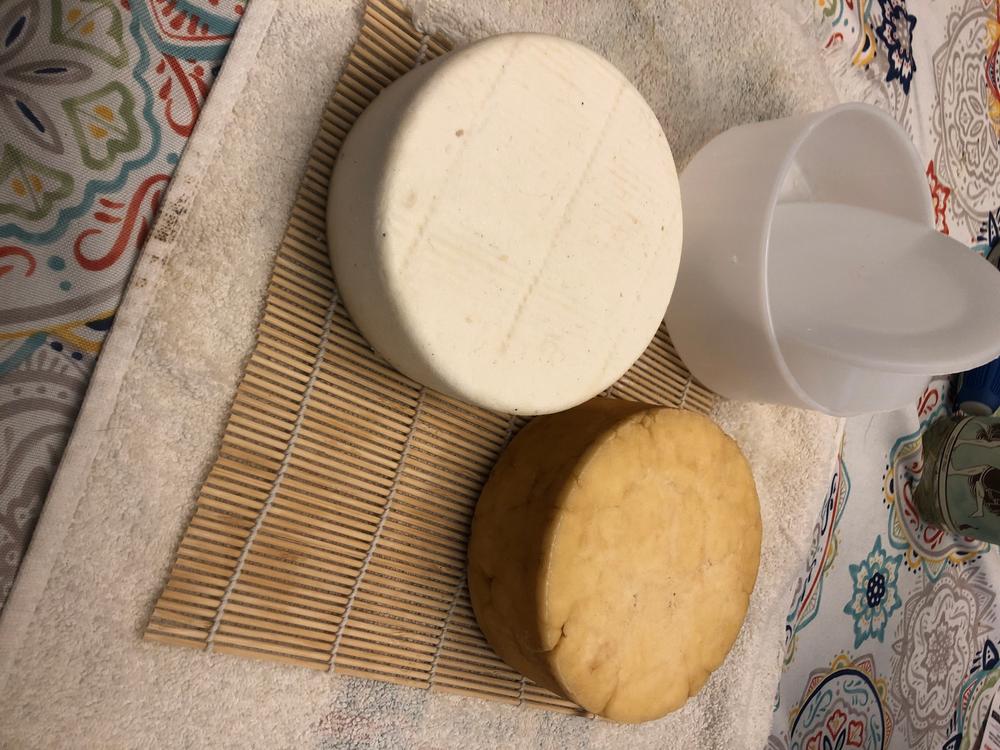
In conclusion, mastering the art of choosing the right cheese mold is essential for crafting exceptional homemade cheeses. From understanding mold types and materials to considering cheese compatibility and maintenance, every detail contributes to the final product. By applying the knowledge gained in this guide, you’ll be well-equipped to select the perfect molds, avoid common pitfalls, and embark on a fulfilling cheesemaking adventure.
So, embrace the journey, experiment with different molds, and savor the delicious results of your handcrafted creations.