How to Flavor Your Homemade Soft Cheeses with Herbs opens the door to a world of culinary creativity, transforming simple soft cheeses into flavor-packed delights. Homemade soft cheeses, known for their versatility, offer a blank canvas for your culinary artistry. Imagine the possibilities: creamy, tangy cheeses infused with the vibrant flavors of fresh herbs, a far cry from the often bland store-bought alternatives.
This guide explores the art of infusing soft cheeses with herbs, guiding you through every step, from selecting the perfect herbs to serving your delicious creations. We’ll delve into flavor profiles, preparation techniques, and creative combinations, ensuring your homemade cheeses are a flavorful success. You’ll discover how to master techniques and create cheese with a delightful combination of tastes that will excite your taste buds and elevate your culinary skills.
The Art of Herb-Infused Soft Cheeses
Homemade soft cheeses offer a delightful culinary adventure, transforming simple ingredients into creamy, flavorful creations. Their versatility shines in a multitude of dishes, from appetizers and snacks to main courses and desserts. Infusing these cheeses with fresh herbs elevates them to a new level of sophistication, providing a burst of flavor and visual appeal that’s hard to resist.The allure of incorporating fresh herbs into soft cheeses lies in the harmony they create.
Herbs complement the cheese’s natural tang and richness, adding layers of complexity and freshness. This infusion transforms a basic cheese into something truly special, making it a star ingredient in any culinary creation.
Benefits of Flavoring Homemade Cheese
Flavoring homemade cheese offers significant advantages over store-bought alternatives. By controlling the ingredients, you dictate the quality and freshness of the final product, ensuring a superior taste experience.
- Customization: You have complete control over the flavor profile. Unlike pre-flavored cheeses, you can tailor the herb combinations and intensity to your exact preferences. Experiment with different herbs, blends, and even edible flowers to create unique flavor profiles.
- Freshness and Quality: Homemade cheese, especially when flavored with fresh herbs, is inherently fresher than commercially produced options. This freshness translates to a brighter, more vibrant flavor and often a more appealing texture. The herbs are at their peak, contributing their essential oils and aromatic compounds to the cheese.
- Ingredient Control: You know exactly what goes into your cheese. This is particularly beneficial if you have dietary restrictions or preferences, allowing you to avoid artificial flavors, preservatives, and unnecessary additives often found in store-bought products. This control is crucial for individuals with allergies or sensitivities.
- Cost-Effectiveness: Making your own cheese, even with fresh herbs, can be more economical than purchasing specialty flavored cheeses, especially when using herbs from your own garden. You are essentially paying for the raw ingredients, allowing you to maximize the value of your culinary investment.
- Nutritional Value: Fresh herbs contribute valuable nutrients, antioxidants, and vitamins to your cheese. Depending on the herbs used, you can boost the nutritional profile of your creation. For instance, basil provides Vitamin K, and rosemary contains antioxidants.
Selecting the Right Herbs: A Flavor Palette
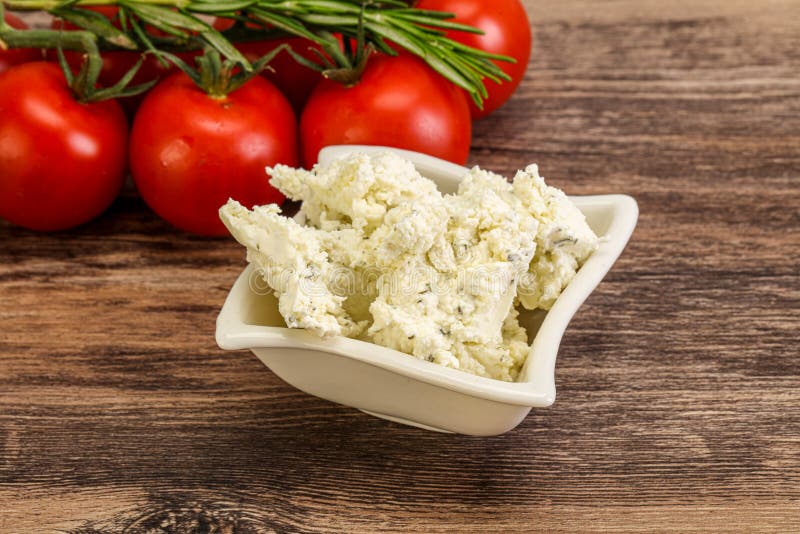
Choosing the right herbs is crucial for creating delicious and well-balanced herb-infused soft cheeses. The flavor profiles of herbs are diverse, and understanding these profiles allows you to pair them effectively with different cheese types, enhancing the overall taste experience. This section explores herb selection, flavor characteristics, and pairing suggestions to guide you in crafting your own flavorful soft cheeses.
Herb Flavor Profiles
Herbs contribute a wide array of flavors to soft cheeses, ranging from delicate and floral to bold and pungent. Understanding these profiles is key to successful pairing.Earthiness:
- Chives: Offer a mild onion-like flavor, providing a fresh, grassy note.
- Parsley (flat-leaf): Provides a clean, slightly peppery taste, adding a subtle herbaceousness.
- Tarragon: Delivers a distinct anise-like flavor, adding complexity and depth.
- Marjoram: Possesses a sweeter, more delicate flavor compared to oregano, with a hint of citrus.
Citrusy:
- Lemon Balm: Offers a bright, lemony flavor, adding a refreshing zest.
- Lemon Thyme: Combines the classic thyme flavor with a hint of lemon, creating a balanced citrusy note.
- Sorrel: Provides a tart, lemony tang, adding a refreshing acidity.
Spicy:
- Chili Flakes: Introduce heat and a spicy kick, adding a bold element. (Use sparingly)
- Rosemary: Offers a pine-like aroma with a slightly peppery taste, adding a robust flavor.
- Thyme: Delivers an earthy and slightly minty flavor, adding a subtle warmth.
Floral:
- Lavender: Provides a delicate floral aroma and flavor, adding a unique, slightly sweet note. (Use sparingly)
- Rose Petals (culinary grade): Offer a subtle floral taste and fragrance, adding an elegant touch. (Use sparingly)
Other:
- Basil: Presents a sweet, slightly peppery flavor, providing a classic herbaceous note.
- Dill: Delivers a fresh, slightly grassy flavor, often associated with pickles and seafood.
- Oregano: Offers a pungent, slightly bitter flavor, adding a Mediterranean touch.
- Mint: Provides a refreshing, cooling flavor, adding a vibrant element.
Fresh vs. Dried Herbs
The choice between fresh and dried herbs impacts the flavor intensity and texture of your cheese. Each option has its advantages and disadvantages.Fresh Herbs:
- Advantages: Offer the most vibrant and complex flavor profiles. Provide a fresh, bright taste. Often have a more appealing visual texture, adding to the cheese’s aesthetic.
- Disadvantages: Shorter shelf life. Flavor can be more delicate and may fade over time in the cheese. Require more preparation (chopping).
Dried Herbs:
- Advantages: Convenient and readily available. Have a longer shelf life. Flavors are often more concentrated, requiring less to achieve the desired intensity.
- Disadvantages: Flavor can be less nuanced compared to fresh herbs. Texture can be more coarse, potentially affecting the cheese’s smoothness.
A general guideline is to use about three times the amount of fresh herbs as dried herbs. For example, if a recipe calls for 1 teaspoon of dried herbs, you would substitute with 1 tablespoon of fresh herbs.
Herb and Cheese Pairing Guide
Pairing herbs with the right cheese type is essential for creating harmonious flavor combinations. The following table provides examples of herb pairings for specific soft cheeses.
| Cheese Type | Herb Pairing Suggestions | Flavor Profile & Notes |
|---|---|---|
| Goat Cheese (Chèvre) | Chives, Thyme, Lavender | Chives provide a fresh, onion-like flavor. Thyme offers an earthy note. Lavender adds a floral and slightly sweet touch. |
| Cream Cheese | Dill, Chives, Basil, Lemon Balm | Dill offers a classic pairing with cream cheese. Chives add a mild onion flavor. Basil provides a sweet and peppery note. Lemon balm contributes a bright, citrusy zest. |
| Ricotta | Basil, Oregano, Rosemary | Basil complements the creamy texture with a sweet and peppery flavor. Oregano brings a Mediterranean touch. Rosemary offers a pine-like aroma. |
| Feta (Soft) | Oregano, Dill, Mint | Oregano enhances the salty tang of feta. Dill adds a fresh, slightly grassy note. Mint provides a refreshing contrast. |
| Boursin-Style Cheese | Garlic, Parsley, Chives, Black Pepper | Garlic adds a pungent flavor. Parsley provides a clean, herbaceous taste. Chives contribute a mild onion-like flavor. Black pepper adds a spicy kick. |
Preparing the Herbs
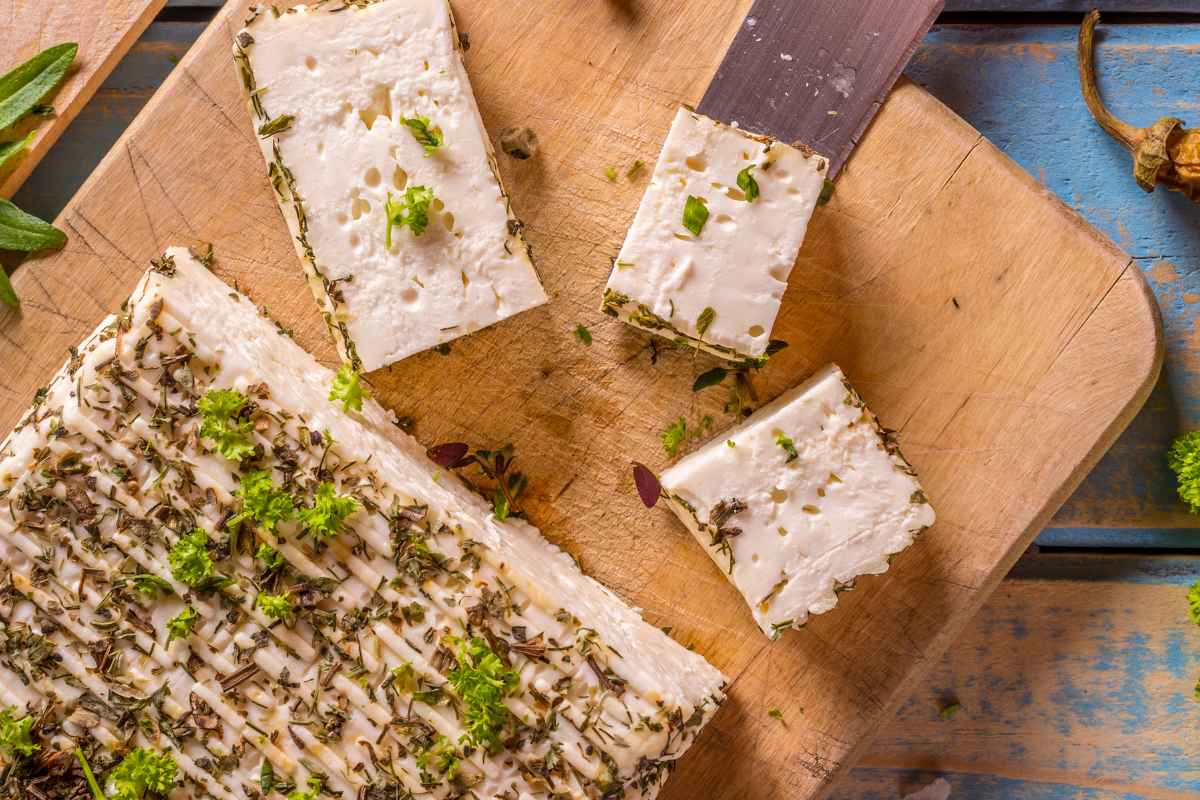
Preparing herbs correctly is crucial for maximizing their flavor and ensuring your homemade soft cheeses are a success. This involves more than just grabbing a handful of leaves; proper preparation techniques, from washing to preservation, are essential for extracting the best flavors and aromas. Let’s explore the best methods to ensure your herb-infused cheeses are bursting with deliciousness.
Chopping, Mincing, and Bruising
The way you prepare your herbs significantly impacts how their flavors are released into the cheese. Different techniques are suitable for different herbs and desired flavor profiles.
- Chopping: Chopping is generally suitable for herbs with larger leaves, like basil, parsley, or chives. It allows for a moderate release of flavor. Chop herbs to a size that will be evenly distributed throughout the cheese, typically ¼ to ½ inch.
- Mincing: Mincing is ideal for herbs with stronger flavors, such as rosemary, thyme, or oregano. This technique breaks down the herb’s cell walls, releasing more of their essential oils and intensifying the flavor. Mince finely to ensure even distribution and a concentrated flavor impact.
- Bruising: Bruising is a gentle technique often used for herbs like mint or lemon balm. Gently crushing the leaves with the back of a spoon or lightly pressing them with your fingers releases their aromatic oils without fully breaking them down. This method is good for adding subtle flavors.
Washing and Drying Herbs Thoroughly
Washing and drying herbs thoroughly is a non-negotiable step in the process. This removes any dirt, pesticides, or debris and prevents excess moisture from diluting the cheese and promoting spoilage.
- Washing: Rinse your herbs under cold running water. Gently swish the herbs to dislodge any dirt or insects. For delicate herbs, use a gentle stream of water to avoid bruising.
- Drying: Drying herbs completely is critical. Excess moisture can lead to mold growth and a less-than-ideal cheese texture. Several methods work well:
- Air Drying: Lay the herbs on a clean kitchen towel or paper towels and allow them to air dry. This is the gentlest method.
- Salad Spinner: A salad spinner is an efficient way to remove excess water, especially for leafy herbs.
- Patting Dry: Gently pat the herbs dry with paper towels.
Preserving Herbs for Cheesemaking
To enjoy herb-infused cheeses year-round, it’s essential to preserve your herbs. Freezing and oil infusions are effective methods for extending their shelf life and retaining their flavor.
- Freezing: Freezing herbs preserves their flavor and aroma for several months.
- Freezing Whole: For herbs with sturdy leaves like rosemary or thyme, you can freeze whole sprigs. Simply wash and dry the herbs, then place them in a freezer bag or container.
- Freezing Chopped: For herbs like basil or chives, chop them finely and freeze them in ice cube trays with a little water or olive oil. Once frozen, transfer the cubes to a freezer bag. This method is convenient for adding herbs directly to your cheese.
- Oil Infusion: Infusing herbs in oil is an excellent way to preserve their flavor and add an extra layer of taste to your cheese.
- Method: Gently heat olive oil in a saucepan. Add your chosen herbs (rosemary, thyme, oregano are excellent choices). Cook over low heat for about 30 minutes, or until the oil is infused with the herb’s flavor.
Let the oil cool completely, then strain out the herbs.
- Storage: Store the herb-infused oil in an airtight container in the refrigerator for up to a month. You can use the oil directly in your cheese making process.
- Method: Gently heat olive oil in a saucepan. Add your chosen herbs (rosemary, thyme, oregano are excellent choices). Cook over low heat for about 30 minutes, or until the oil is infused with the herb’s flavor.
Infusing Herbs into the Cheese
Infusing herbs into your homemade soft cheeses is where the magic truly happens, transforming simple curds into culinary delights. The method you choose significantly impacts the final flavor profile and texture of your cheese. Each technique – incorporating herbs directly into the curd, infusing the milk beforehand, or adding them after the cheese has formed – offers unique advantages and considerations.
Understanding these methods will allow you to customize your cheese creations to your exact preferences.
Incorporating Herbs Directly into the Curd
This method involves mixing the herbs directly into the cheese curd before it is drained or shaped. This is a popular choice for cheeses like cream cheese, ricotta, and some fresh goat cheeses. The herbs become an integral part of the cheese’s structure, distributing their flavor throughout.
- Process:
- Prepare your cheese curd according to your chosen recipe (e.g., cream cheese, ricotta).
- Once the curd has reached the desired consistency, gently fold in the chopped fresh herbs. A general starting ratio is 1-2 tablespoons of chopped fresh herbs per cup of curd, but adjust to your taste. Consider using a combination of herbs for complex flavor profiles.
- Gently mix the herbs to distribute them evenly throughout the curd. Avoid overmixing, which can break down the curd and result in a less desirable texture.
- Drain the herbed curd as per your recipe instructions. If making cream cheese, this typically involves draining the curd through cheesecloth. If making ricotta, draining time will depend on the desired consistency.
- Once drained, your herbed cheese is ready to enjoy or to be stored.
Infusing the Milk Before Cheesemaking
Infusing the milk with herbs before the cheesemaking process is ideal for subtly flavoring the cheese. This method is particularly effective for cheeses where the milk’s flavor is a key element, such as mozzarella or feta. The herbs impart a delicate aroma and taste that permeates the entire cheese.
- Process:
- Warm the milk gently in a saucepan. Avoid boiling the milk, as this can alter its proteins and affect the final cheese texture. A temperature of around 170°F (77°C) is generally sufficient.
- Add the herbs to the warm milk. For a more intense flavor, you can use a larger quantity of herbs. Start with about 1-2 tablespoons of fresh, roughly chopped herbs per gallon of milk.
- Allow the milk to steep with the herbs for approximately 30 minutes to an hour. This allows the herbs to infuse their flavor into the milk. For a stronger flavor, you can steep for longer, but be mindful of the potential for bitterness from some herbs.
- Strain the milk through a fine-mesh sieve or cheesecloth to remove the herbs. Discard the herbs or reserve them for another use (e.g., infusing oil).
- Proceed with your cheesemaking recipe as usual, using the infused milk.
Adding Herbs After the Cheese Has Formed
This method is best for cheeses where you want a more pronounced, fresh herb flavor or for cheeses that benefit from distinct visual appeal. It’s a common technique for cheeses like chèvre, feta, and some soft ripened cheeses.
- Process:
- Prepare your cheese according to your recipe.
- Once the cheese has formed, and after draining if necessary, gently incorporate the herbs. This could involve sprinkling herbs on the surface, gently pressing them into the cheese, or mixing them in by hand.
- For surface applications, such as with chèvre, you can roll the cheese in chopped herbs.
- For cheeses like feta, you can layer the cheese with herbs in a brine solution.
- For mixing, gently fold in the herbs to prevent the cheese from breaking down.
- Allow the cheese to rest or age as per your recipe instructions. This will allow the flavors to meld.
Process Flow Chart: Basic Herbed Cream Cheese
This flowchart Artikels the steps to create a basic herbed cream cheese using the method of incorporating herbs directly into the curd.
Start: Prepare the cream cheese curd (follow your chosen recipe).
Step 1: Drain the Curd.
Step 2: Add Herbs: Fold in 1-2 tablespoons of chopped fresh herbs per cup of curd.
Step 3: Mix Gently: Ensure even distribution of herbs; avoid overmixing.
Step 4: Drain Again (if necessary).
Step 5: Store or Enjoy: Refrigerate and consume within a week for best flavor.
End.
Preventing Soggy Herbs and Flavor Loss
Several factors can contribute to herbs becoming soggy or losing their flavor during cheesemaking. Careful preparation and handling are essential.
- Use Fresh, High-Quality Herbs: Fresh herbs provide the best flavor and aroma. Use herbs that are at their peak of freshness for the most impactful results.
- Proper Herb Preparation:
- Chop herbs just before adding them to the cheese to minimize flavor loss. Avoid using a food processor, which can bruise the herbs and release their oils prematurely.
- Pat herbs dry with paper towels after washing to remove excess moisture. Excess moisture can make the cheese soggy.
- Control Moisture:
- If incorporating herbs into the curd, be mindful of the moisture content of the curd. Drain the curd well to prevent sogginess.
- When adding herbs to the surface of the cheese, ensure the surface is relatively dry.
- Consider Herb Type: Some herbs, like chives and parsley, tend to hold up better than others, such as basil, which can wilt easily.
- Timing:
- Add herbs at the appropriate stage of the cheesemaking process. For example, adding herbs too early in a long-aging cheese might result in flavor degradation.
- Storage: Store your finished herbed cheese properly. Wrap it tightly to prevent it from drying out and losing flavor. Consume it within a reasonable timeframe for optimal taste.
Flavor Combinations
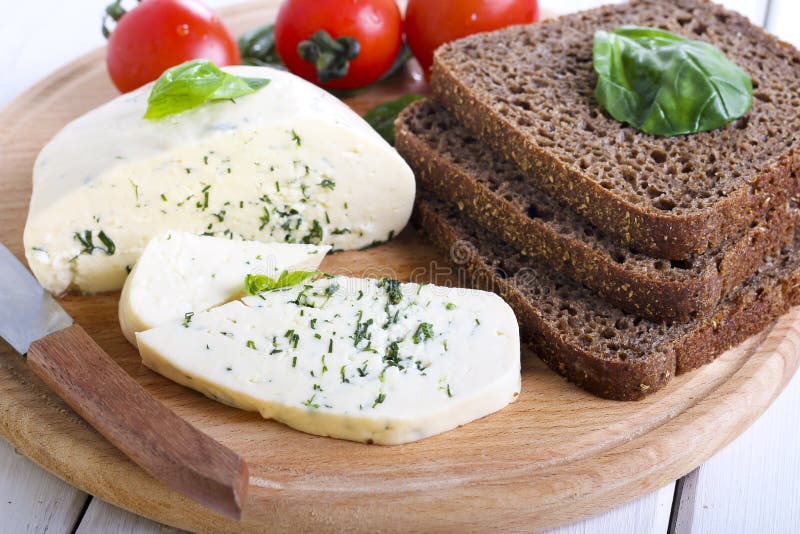
Experimenting with herb combinations is where the true artistry of herb-infused soft cheeses blossoms. The right pairings can elevate a simple cheese into a culinary masterpiece, offering complex and nuanced flavors that tantalize the taste buds. This section delves into the exciting world of flavor combinations, providing inspiration and guidance for crafting your own unique creations.
Unique and Delicious Herb Combinations for Various Soft Cheese Types
Different soft cheeses offer unique flavor profiles, and understanding how herbs interact with these profiles is key. Consider the inherent qualities of each cheese type when selecting your herbs. For instance, a creamy goat cheese might benefit from bright, citrusy herbs, while a more robust brie could handle bolder, more savory pairings.Here are some examples:* Cream Cheese: Cream cheese’s mild flavor makes it a versatile canvas.
Consider these combinations:
Chives and Dill
A classic combination that provides a fresh, clean taste.
Rosemary and Garlic
Offers a savory, aromatic profile, perfect for spreading on crackers.
Lemon Thyme
Adds a bright, citrusy note that complements the creaminess.
Goat Cheese
Goat cheese, with its tangy and earthy notes, pairs beautifully with:
Lavender and Honey
A sophisticated pairing that adds floral sweetness.
Thyme and Black Pepper
Enhances the cheese’s earthiness with a touch of spice.
Basil and Pine Nuts
A Mediterranean-inspired combination that is both refreshing and satisfying.
Brie
Brie’s buttery richness is complemented by:
Sage and Walnut
A savory and nutty combination that is perfect for entertaining.
Tarragon and Chervil
Offers a slightly anise-like flavor that adds complexity.
Rosemary and Fig
A sweet and savory combination that balances the cheese’s richness.
Complementary Flavors that Enhance Each Other
Understanding flavor pairings is crucial. Certain herbs and additional ingredients naturally complement each other, creating a more balanced and delicious final product. Consider these flavor pairings:* Sweet and Savory: Pairing herbs with fruits or honey creates a delightful contrast. For example, lavender with honey in goat cheese, or rosemary with fig in brie.
Acidic and Rich
Citrus herbs like lemon thyme or chives cut through the richness of cream cheese or brie.
Earthy and Nutty
Sage and walnuts, or thyme and pecans, provide a grounding flavor profile that complements the cheese.
Spicy and Cool
Combining herbs with a touch of black pepper, or a hint of chili flakes, can create a balanced and intriguing flavor.
Recipe Ideas Using Specific Herb and Cheese Combinations
Let’s explore some specific recipe ideas:* Rosemary and Garlic Cream Cheese Spread: Combine fresh, chopped rosemary and minced garlic with softened cream cheese. Season with salt and pepper. Serve on toasted baguette slices.
Lavender and Honey Goat Cheese Log
Crumble a log of goat cheese and mix it with a teaspoon of honey and a pinch of dried lavender flowers. Form into a log and serve with crackers and fruit.
Sage and Walnut Brie
Top a wheel of brie with chopped fresh sage leaves and toasted walnuts. Bake in the oven until the brie is soft and gooey. Serve with crusty bread.
Popular Herb Combinations for Soft Cheeses
Here are some of the most popular and well-loved herb combinations:* Chives and Dill
- Rosemary and Garlic
- Lemon Thyme
- Lavender and Honey
- Thyme and Black Pepper
- Basil and Pine Nuts
- Sage and Walnut
- Tarragon and Chervil
- Rosemary and Fig
Troubleshooting Common Issues
Flavoring soft cheeses with herbs is a delightful culinary adventure, but it can sometimes present challenges. Understanding and addressing these potential pitfalls is key to consistently creating delicious and well-balanced herb-infused cheeses. This section will delve into common problems encountered during the process and offer practical solutions to ensure your creations are a success.
Bitterness in Herb-Infused Cheeses
Bitterness can detract from the overall enjoyment of your cheese. It’s often caused by the presence of certain compounds in herbs, particularly when they are used in excess or not handled properly.
- Herb Selection: Some herbs are naturally more prone to bitterness.
- Herb Preparation: Proper preparation is crucial.
- Herb Quantity: Overuse of herbs is a common culprit.
- Aging Time: The aging process can also influence bitterness.
For example, using too much rosemary or oregano can lead to a bitter flavor. Experiment with milder herbs, such as chives, dill, or parsley, or use them in smaller quantities. The type of herb matters: for instance, using dried rosemary is typically less bitter than fresh rosemary.
Roughly chopping herbs releases their essential oils and flavors, but over-processing can also extract bitter compounds. For fresh herbs, consider blanching them briefly (a quick dip in boiling water followed by an ice bath) before adding them to the cheese. This can help to mellow out any bitterness. Ensure herbs are completely dry before adding them to the cheese, as excess moisture can affect the cheese’s texture and flavor.
Start with a small amount of herbs and taste the cheese as it ages. You can always add more, but it’s difficult to remove bitterness. A general guideline is to use 1-2 tablespoons of chopped fresh herbs per pound of cheese, but this can vary depending on the herb and your preference. Remember, herbs intensify in flavor as the cheese ages.
Some cheeses, if aged for too long with herbs, may develop a more pronounced bitter flavor. Adjust the aging time based on the herb and the desired intensity. For instance, a soft cheese infused with tarragon may need less aging than one with thyme. Regularly taste the cheese throughout the aging process to monitor the flavor development and prevent over-bitterness.
Uneven Flavor Distribution
Achieving a consistent flavor throughout your cheese can be a challenge, particularly with larger batches or when using irregularly shaped herbs. Uneven distribution leads to some bites being intensely flavored while others are bland.
- Herb Incorporation: How you incorporate the herbs matters.
- Herb Size: The size of the herb pieces can impact distribution.
- Cheese Consistency: The texture of the cheese itself plays a role.
- Layering Techniques: Layering cheese and herbs can improve distribution.
Gently fold the herbs into the cheese, ensuring they are evenly distributed. Avoid overmixing, as this can break down the cheese’s texture. If using a stand mixer, use the lowest speed setting and mix for a short duration. For a more visual guide, imagine gently layering the cheese and herbs in a bowl, then folding them together, rather than vigorously stirring.
Finely chop or mince the herbs to ensure they are evenly dispersed throughout the cheese. Larger pieces may clump together or settle at the bottom of the cheese. A consistent size helps ensure a consistent flavor in every bite. Consider using a food processor to achieve a uniform size for the herbs.
A softer, more pliable cheese is generally easier to infuse evenly. If your cheese is too firm, it may be harder to distribute the herbs thoroughly. Ensure your cheese is at the appropriate stage of ripeness and has the correct moisture content before adding the herbs.
When making a larger batch, consider layering the cheese and herbs in a container, rather than mixing them all at once. For example, add a layer of cheese, then a layer of herbs, repeat, and then gently fold everything together. This layering technique helps to ensure that the herbs are spread throughout the cheese mass.
Adjusting Recipes for Desired Flavor Intensity
Achieving the perfect flavor intensity is a matter of experimentation and adjustment. The intensity of the herb flavor will change over time, and different herbs will have different strengths.
- Start Small: Always begin with a smaller amount of herbs than you think you need.
- Consider Herb Type: Different herbs have varying strengths.
- Record Keeping: Keep a detailed record of your recipes and adjustments.
- Taste Testing: Regularly taste your cheese as it ages.
You can always add more, but you can’t take them out. Taste the cheese regularly as it ages to monitor the flavor development. Keeping a detailed record of your recipes and the amounts of herbs you use will help you to refine your process. For example, if you find that a recipe for chive-infused cheese is too mild, you can increase the amount of chives in your next batch.
Some herbs, such as rosemary and thyme, have a stronger flavor than others, like chives and parsley. Adjust the quantity of herbs based on their intensity. For instance, you’ll likely use less rosemary than chives to achieve the same level of flavor. When using strong herbs, a little goes a long way. Experiment with different ratios to find the perfect balance.
Note the type and amount of herbs used, the aging time, and your assessment of the flavor. This information will be invaluable for future batches. Include notes on the flavor intensity (e.g., “slightly bitter,” “herbaceous,” “mild”). This will help you replicate successful recipes and adjust them as needed. For example, if a recipe yielded a cheese that was too mild, you could increase the amount of herbs in the next batch and record the change in your notes.
The flavor of the herbs will intensify over time. Taste the cheese at different stages of aging to assess the flavor development. This allows you to stop the aging process when the flavor reaches your desired level. Sample the cheese every few days, noting the changes in flavor intensity. This practice allows you to refine the aging process to achieve your preferred flavor profile.
Presentation and Serving Suggestions

Presenting your homemade herbed soft cheeses is a delightful opportunity to showcase your culinary creation and enhance the overall dining experience. Thoughtful presentation elevates the cheese from a simple ingredient to a centerpiece, enticing guests and highlighting the flavors you’ve so carefully crafted. Careful attention to detail, from plating to pairings, transforms a simple cheese course into a memorable experience.
Plating and Presentation Techniques
The way you present your herbed soft cheese significantly impacts its appeal. Consider these techniques to create a visually stunning and appetizing display.* Choose the Right Serving Dish: A simple, elegant serving dish allows the cheese to be the star. Consider using a wooden board, a slate platter, or a clean white ceramic plate. The background should complement the cheese, not compete with it.
Consider Texture and Color
Contrast the smooth texture of the cheese with other elements. Arrange the cheese alongside crackers, crusty bread, fresh fruits, and colorful vegetables. This contrast enhances the visual appeal.
Garnish with Herbs and Edible Flowers
A sprig of the herb used in the cheese, a few fresh herbs, or edible flowers add a touch of elegance and hint at the flavors within. Use them sparingly, allowing them to enhance rather than overwhelm.
Arrange for Easy Access
Ensure the cheese is easily accessible. If the cheese is spreadable, provide a small knife or spreader. For cheese that can be cut, offer a cheese knife. Place accompaniments strategically for easy grabbing.
Maintain Temperature
Serve soft cheeses at room temperature for the best flavor and texture. Take the cheese out of the refrigerator about 30 minutes to an hour before serving.
Creative Serving Ideas
Pairing your herbed soft cheese with complementary flavors elevates the tasting experience. Here are some serving ideas that will delight your guests.* Cheese and Crackers: This classic pairing is always a winner. Choose a variety of crackers, from plain water crackers to whole-wheat or seeded crackers, to offer different textures and flavors.
Cheese and Bread
Crusty bread, such as a baguette or sourdough, is a perfect accompaniment. Consider toasting the bread slightly to enhance its flavor and texture.
Cheese and Fresh Vegetables
Offer a selection of fresh, seasonal vegetables like carrot sticks, cucumber slices, bell pepper strips, and cherry tomatoes. These provide a refreshing counterpoint to the richness of the cheese.
Cheese and Fruit
Fresh or dried fruits complement herbed soft cheeses beautifully. Grapes, sliced apples, pears, and figs are excellent choices. Dried apricots, cranberries, and dates add sweetness and chewiness.
Cheese and Nuts
Toasted nuts, such as almonds, walnuts, or pecans, provide a satisfying crunch and nutty flavor that pairs well with many herbed cheeses.
Cheese and Honey or Preserves
A drizzle of honey or a dollop of fruit preserves adds sweetness and complexity. Consider pairing rosemary-infused cheese with fig jam or thyme-infused cheese with a drizzle of honey.
Visual Description: A Photograph of Herbed Goat Cheese
Imagine a photograph showcasing a beautifully presented herbed goat cheese. The photograph is taken in natural light, emphasizing the textures and colors of the food.The centerpiece is a small, round log of creamy, white goat cheese. It’s generously speckled with finely chopped green herbs, such as rosemary and thyme, hinting at the savory flavors within. The cheese is placed on a rustic wooden serving board, its natural texture providing a warm and inviting backdrop.Surrounding the cheese are a few carefully arranged accompaniments.
Crisp, golden-brown crackers are scattered around the cheese, offering a contrast in texture. A small bowl of Kalamata olives, their deep purple hue and shiny surfaces, adds a salty and briny element. A sprig of fresh rosemary, its needles a vibrant green, is artfully placed next to the cheese, echoing the herbs used in the cheese itself.The overall composition is simple yet elegant, emphasizing the natural beauty of the ingredients and inviting the viewer to indulge.
The photograph evokes a sense of freshness, flavor, and a convivial gathering. The visual representation aims to make the audience want to experience the flavor of the herbed goat cheese.
Ultimate Conclusion
In conclusion, flavoring your homemade soft cheeses with herbs is a rewarding culinary adventure. By understanding herb pairings, mastering preparation techniques, and experimenting with flavor combinations, you can create cheeses that are both delicious and visually stunning. From earthy rosemary to zesty basil, the possibilities are endless. Embrace the joy of cheesemaking, and enjoy the delightful flavors that await you.
You are now equipped with the knowledge to transform simple soft cheeses into extraordinary culinary creations, ready to impress and delight.