Embark on a culinary journey into the world of cheese, where the subtle dance of flavors can sometimes lead to an unexpected tang. Understanding “How to Identify and Fix Acidic-Tasting Cheese” is more than just a matter of taste; it’s about appreciating the science and artistry behind this beloved food. From the creamy allure of brie to the sharp bite of cheddar, cheese offers a diverse palette of experiences, but an unwelcome acidity can quickly sour the enjoyment.
This guide will explore the chemical processes that cause this sourness, revealing how different types of milk, storage conditions, and even the cheese-making process itself can influence the final flavor. We’ll equip you with the knowledge to identify acidic cheese, understand its causes, and, in some cases, salvage its deliciousness. Whether you’re a seasoned cheese aficionado or a curious beginner, prepare to unlock the secrets of cheese acidity and elevate your culinary experiences.
Understanding Acidic Taste in Cheese
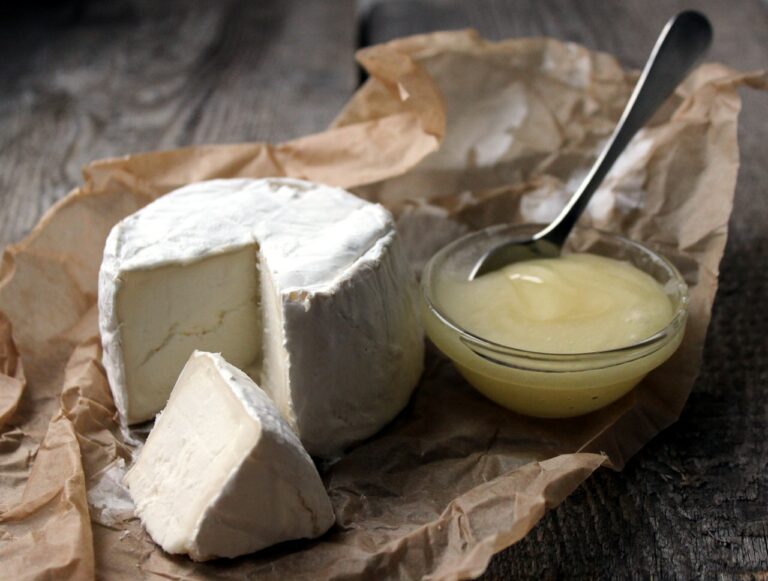
The slightly tangy or sharp taste of cheese is often a desirable characteristic, but excessive acidity can ruin its flavor and texture. Understanding the chemical processes behind this acidity and the factors that influence it is crucial for identifying and addressing the problem. This section will delve into the science of cheese acidity, exploring the key acids involved and the impact of milk type.
Chemical Processes Causing Acidity
The development of acidity in cheese is primarily a result of lactic acid fermentation. This process begins with the introduction of starter cultures, which are specific strains of bacteria, into the milk. These bacteria consume lactose, the natural sugar found in milk, and convert it into lactic acid. The amount of lactic acid produced, and therefore the acidity of the cheese, is influenced by several factors, including the type of starter culture used, the temperature, and the aging time.
Different Acids Contributing to Acidic Taste
While lactic acid is the primary contributor to acidity in cheese, other acids also play a role, influencing the overall flavor profile. Understanding these acids helps in pinpointing the source of excessive tanginess.
- Lactic Acid: This is the main acid produced during fermentation. Its concentration increases as the starter cultures convert lactose. Lactic acid contributes to the characteristic tang of many cheeses, from cheddar to mozzarella. The amount of lactic acid present directly affects the cheese’s pH, with lower pH values indicating higher acidity.
- Acetic Acid: Acetic acid, commonly known as vinegar, can be produced by certain bacteria, especially those that thrive in less-controlled environments. It contributes a sharp, vinegary flavor that can be undesirable if present in excess. Acetic acid production is often associated with improper handling or storage.
- Citric Acid: Naturally present in milk, citric acid can be metabolized by some bacteria during cheesemaking. Its contribution to acidity is usually less significant than lactic acid, but it can still influence the flavor, adding a slightly citrusy note.
- Propionic Acid: This acid is produced by certain bacteria, particularly in cheeses like Swiss. It contributes a slightly sweet and nutty flavor, but excessive amounts can lead to a sharp, unpleasant taste. Propionic acid production is often a desired characteristic in specific cheese varieties.
Influence of Milk Type on Acidity Levels
The type of milk used in cheesemaking significantly impacts the final acidity levels and flavor profile. The composition of milk varies between different animal species, affecting the lactose content, protein levels, and the presence of other compounds that influence fermentation.
- Cow’s Milk: Cow’s milk is the most commonly used type of milk for cheesemaking. The acidity in cow’s milk cheese is largely influenced by the breed of cow, the diet, and the season. Generally, cow’s milk cheeses have a well-balanced flavor profile.
- Goat’s Milk: Goat’s milk has a higher concentration of short-chain fatty acids compared to cow’s milk. These fatty acids contribute to a distinct, often slightly tangy, flavor. Goat’s milk cheeses tend to have a higher initial acidity, which can be influenced by the specific breed of goat and the cheesemaking process.
- Sheep’s Milk: Sheep’s milk is known for its high fat and protein content. This results in cheeses that are often richer and more complex in flavor. The higher protein content can also influence the development of acidity, leading to a more pronounced tang. Cheeses made from sheep’s milk, like Feta or Pecorino, often exhibit a bolder flavor profile.
Identifying Acidic Cheese
Identifying acidic cheese goes beyond just a taste test. Several sensory clues can help you determine if a cheese has developed an undesirable level of acidity. These indicators involve the senses of smell, touch (texture), and sight (appearance), providing a more comprehensive understanding of the cheese’s condition.
Sensory Characteristics of Acidic Cheese
The following characteristics, observed in conjunction with the taste, can help you identify acidic cheese. These sensory cues provide additional information about the cheese’s state and can assist in making a more informed assessment.
- Smell: The aroma of acidic cheese often deviates from its intended profile.
- A sharp, vinegary, or sour smell is a common indicator.
- Excessive lactic acid production can lead to a pungent, almost fermented odor, particularly in aged cheeses.
- In some cases, the smell might resemble that of yogurt or buttermilk, especially in fresh cheeses.
- Texture: Changes in texture often accompany increased acidity.
- The cheese may become drier and crumbly, especially in aged varieties.
- A chalky or gritty texture can also develop.
- In fresh cheeses, the texture might become overly firm or slightly curdled.
- Visual Appearance: The appearance of the cheese can also provide clues.
- The surface may appear slightly glossy or wet, even if the cheese is otherwise dry.
- In some cases, you might notice small cracks or fissures developing.
- The color might change, becoming more pale or showing slight discoloration in specific areas.
Checklist for Identifying Potentially Acidic Cheese
This checklist provides a systematic approach to evaluating cheese for potential acidity. By considering multiple sensory aspects, you can increase your accuracy in identifying problematic cheeses.
- Taste: Does the cheese taste overly sour, sharp, or vinegary?
- Smell: Does the cheese have a sharp, sour, or pungent aroma?
- Texture: Is the cheese drier, crumbly, chalky, or gritty?
- Appearance: Does the cheese have a glossy or wet surface, cracks, or discoloration?
- Origin and Storage: Has the cheese been stored properly (temperature, humidity)? Is it past its best-by date?
Cheese Characteristics Comparison Table
This table compares the characteristics of fresh, properly aged, and overly acidic cheese, allowing for a clear visual comparison of their differences. This provides a clear guide to differentiating between desirable and undesirable qualities.
| Characteristic | Fresh Cheese | Properly Aged Cheese | Overly Acidic Cheese |
|---|---|---|---|
| Taste | Mild, milky, slightly tangy | Complex, nutty, savory, with balanced acidity | Sour, sharp, vinegary, or excessively tangy |
| Smell | Fresh, slightly lactic, clean | Earthy, complex, sometimes with a slight aroma of the aging environment | Sharp, sour, vinegary, or fermented |
| Texture | Soft, creamy, moist | Firm, dense, sometimes with a crystalline structure | Dry, crumbly, chalky, or gritty |
| Appearance | White or pale, smooth surface | Variable, depending on the cheese type; may have a rind, crystals, or slight discoloration | Glossy or wet surface, cracks, or discoloration |
Common Causes of Acidity in Cheese
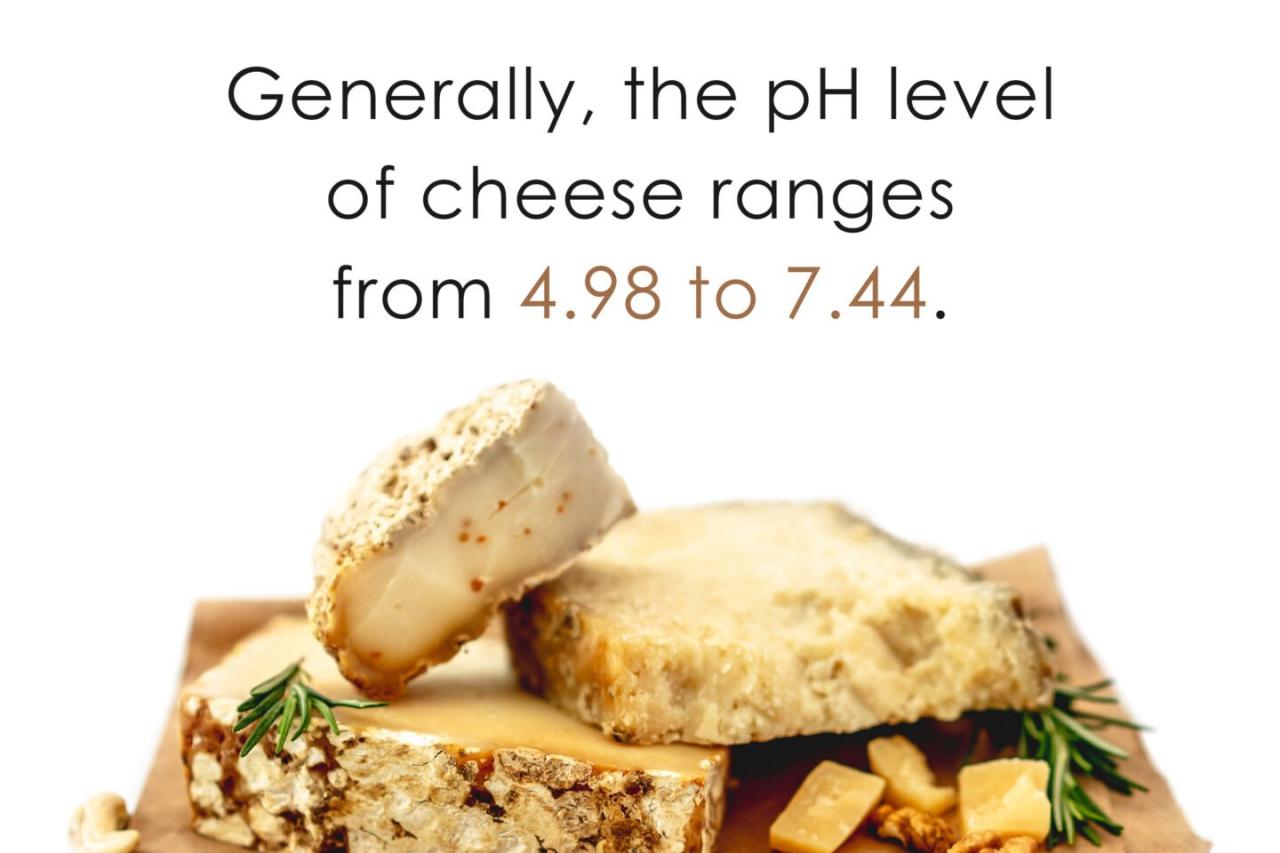
Understanding the factors that contribute to acidity in cheese is crucial for both cheese makers and consumers. Several elements can influence the pH level, ultimately affecting the taste and quality of the final product. This section will delve into some of the most common causes of acidity in cheese.
Lactic Acid Bacteria and Cheese Production
Lactic acid bacteria (LAB) are fundamental to the cheesemaking process. They are responsible for converting lactose (milk sugar) into lactic acid, which is the primary contributor to the characteristic tang of cheese. The type and activity of LAB used greatly influence the final acidity.During cheesemaking, the following occurs:
- Starter Cultures: Cheese makers introduce specific strains of LAB, known as starter cultures, to the milk. These cultures ferment lactose, producing lactic acid. The choice of starter culture (e.g.,
-Lactococcus*,
-Streptococcus*,
-Leuconostoc*) significantly impacts the rate and extent of acidification. For instance, some cultures produce more acid more quickly than others. - Acid Production: The rate of acid production is influenced by factors such as temperature and the availability of lactose. Warmer temperatures generally accelerate acid production.
- pH Decline: As lactic acid accumulates, the pH of the cheese curd decreases. This drop in pH is essential for various stages of cheesemaking, including whey expulsion, curd formation, and the development of texture and flavor.
- Flavor Development: Lactic acid itself contributes to the sour taste, but LAB also produce other compounds (e.g., diacetyl) that contribute to the complex flavor profile of cheese.
The amount of lactic acid produced directly correlates with the sourness of the cheese.
Temperature Fluctuations During Storage
Maintaining a consistent temperature during cheese storage is essential to prevent unwanted changes in acidity. Temperature fluctuations can significantly affect the activity of LAB and other microorganisms, leading to undesirable changes in the cheese’s flavor and texture.Here’s how temperature fluctuations can impact cheese:
- Accelerated Acidification: Higher temperatures can speed up the metabolic activity of LAB, causing them to produce more lactic acid. This can lead to an overly sour taste, especially in cheeses that are still ripening. For example, a soft cheese like Brie stored at room temperature (around 20-25°C) instead of the recommended 4-8°C can become excessively acidic within a few days.
- Microbial Growth: Temperature variations can also promote the growth of undesirable microorganisms, such as molds and yeasts. These can produce acids and other compounds that negatively impact the cheese’s flavor and potentially make it unsafe to eat.
- Texture Changes: Temperature swings can affect the cheese’s moisture content and texture. For example, repeated freezing and thawing can disrupt the protein structure, resulting in a crumbly or mushy texture.
- Ripening Imbalance: Consistent temperature is crucial for controlled ripening. Fluctuations can disrupt the enzymatic processes involved in flavor development, leading to an uneven or off-flavor profile. For example, a cheddar cheese stored at fluctuating temperatures might develop an uneven texture and inconsistent flavor.
Improper Handling and Storage Impact on pH Levels
How cheese is handled and stored plays a critical role in maintaining its quality and preventing excessive acidity. Poor handling practices can introduce unwanted microorganisms or create conditions that promote acid production.The following handling and storage practices are critical:
- Cross-Contamination: Improper handling can introduce unwanted bacteria and molds. Using contaminated utensils or cutting boards can lead to microbial growth and subsequent acid production.
- Packaging: Cheese should be stored in airtight packaging to prevent drying and exposure to air. This helps control moisture loss and minimizes the risk of unwanted microbial growth. Using the original packaging, or wrapping the cheese tightly in plastic wrap or cheese paper, helps maintain the correct moisture level and protects it from external contaminants.
- Temperature Control: Cheese should be stored at the appropriate temperature for its type. Hard cheeses typically store well at refrigerator temperatures (around 4°C), while softer cheeses may benefit from slightly warmer temperatures.
- Humidity Control: Maintaining proper humidity levels is essential. Too much humidity can encourage mold growth, while too little can cause the cheese to dry out. A dedicated cheese drawer in the refrigerator can help regulate humidity.
- Shelf Life Considerations: Consuming cheese within its recommended shelf life is essential. As cheese ages, its acidity naturally increases. However, improper storage can accelerate this process, leading to premature spoilage and excessive sourness.
Prevention of Acidic Cheese
Preventing acidic cheese involves careful control throughout the cheesemaking process, from initial production to storage and consumption. By understanding and implementing preventive measures, both cheesemakers and consumers can significantly reduce the likelihood of encountering acidic-tasting cheese. This section will delve into specific strategies to achieve this goal.
Controlling Acidity During Cheese Aging
Cheese aging is a complex process where various factors influence the final flavor and texture. Controlling acidity during this stage is crucial.
- Temperature Control: Maintain consistent and appropriate aging temperatures. Higher temperatures generally accelerate lactic acid production, leading to increased acidity. Each cheese variety has an ideal temperature range, often between 4°C and 13°C (39°F and 55°F), that promotes the desired enzymatic activity without excessive acid development.
- Humidity Control: Humidity plays a vital role. Too much humidity can encourage mold growth and potentially affect acidity levels. Conversely, too little humidity can dry out the cheese. The ideal humidity range varies depending on the cheese type, but generally falls between 75% and 95%.
- Monitoring pH Levels: Regularly monitor the pH of the cheese throughout the aging process. This provides a direct measure of acidity. Use a calibrated pH meter to take readings at regular intervals. The target pH will depend on the cheese type. For example, Cheddar cheese typically ages to a pH of around 5.0 to 5.3.
- Salt Application: Salt influences the rate of acid development. It inhibits the growth of undesirable bacteria and slows down the enzymatic reactions that contribute to acidity. The amount of salt added and the method of application (e.g., dry salting, brining) should be carefully controlled according to the cheese recipe.
- Selecting Appropriate Cultures: The type and amount of starter cultures used during cheesemaking significantly impact the final acidity. Certain cultures produce more lactic acid than others. Cheesemakers carefully select cultures to achieve the desired flavor profile and acid development rate for a specific cheese.
Best Practices for Cheese Storage
Proper storage is paramount for preventing excessive acid development after cheese has been produced. Consumers play a significant role in preserving cheese quality.
- Temperature and Humidity Control: Store cheese in a refrigerator set at a temperature between 4°C and 7°C (39°F and 45°F). Place cheese in the vegetable crisper drawer, which usually has higher humidity.
- Proper Wrapping: Wrap cheese properly to prevent drying out and protect it from absorbing odors from other foods. Use cheese paper, wax paper, or food-grade plastic wrap. Avoid wrapping cheese tightly in plastic wrap, as this can trap moisture and promote mold growth.
- Avoid Temperature Fluctuations: Minimize temperature fluctuations. Avoid storing cheese near the refrigerator door, where temperatures can vary.
- Storage Times: Consume cheese within the recommended timeframe. Soft cheeses have a shorter shelf life than hard cheeses. Check the “best by” or “sell by” dates, and use your senses (sight, smell, taste) to assess the cheese’s condition.
- Separate Storage: Store different types of cheese separately to prevent cross-contamination of flavors and mold spores. Consider using separate containers or compartments within the refrigerator.
Selecting Cheese in the Store
Consumers can make informed choices when purchasing cheese to minimize the risk of acidity.
- Check the Appearance: Look for cheese with a clean, consistent appearance. Avoid cheese with cracks, excessive mold growth (unless it’s a mold-ripened cheese), or discoloration.
- Smell the Cheese: A slightly acidic aroma is normal for some cheeses, but avoid cheese with a strong, sour, or ammonia-like smell.
- Examine the Packaging: Check the packaging for any signs of damage, such as tears or leaks. Make sure the cheese is properly sealed.
- Consider the Cheese Type: Different cheese types have varying aging characteristics. Soft cheeses are more susceptible to developing acidity than hard cheeses.
- Review the “Best By” Date: Pay attention to the “best by” or “sell by” date. Choose cheese with a longer shelf life if you plan to store it for an extended period.
- Ask the Cheesemonger: If possible, ask the cheesemonger for recommendations and information about the cheese’s age and origin. They can often provide insights into the cheese’s flavor profile and potential for acidity.
Fixing Mildly Acidic Cheese
Sometimes, a cheese might have a slightly acidic tang, which, while not ideal, isn’t necessarily a reason to discard it. There are several techniques you can employ to neutralize this mild acidity and still enjoy your cheese. These methods focus on balancing the flavors through strategic pairings and culinary applications.
Pairing with Complementary Foods
One of the easiest ways to mitigate mild acidity is by pairing the cheese with foods that offer contrasting flavors and textures. The goal is to create a balanced flavor profile where the acidity is less noticeable.The following food pairings work well with mildly acidic cheeses:
- Sweet Fruits: The sweetness of fruits like grapes, apples, pears, and figs can beautifully offset the acidity. Consider serving a sharp cheddar with slices of apple or a brie with fig jam.
- Rich Nuts: Nuts, especially those with a buttery or earthy flavor, can provide a textural contrast and help to balance the acidity. Walnuts, pecans, and almonds are excellent choices.
- Honey and Sweet Spreads: A drizzle of honey or a dollop of fruit preserves can add sweetness and viscosity, mellowing the acidic bite. This is particularly effective with cheeses like goat cheese or fresh mozzarella.
- Crackers and Breads: Opt for neutral or slightly sweet crackers or breads. Avoid heavily salted or flavored crackers, as they might exacerbate the acidity. Consider a baguette or water crackers.
- Meats: Pairing the cheese with cured meats can help balance the acidity. The saltiness and richness of the meat can create a more complex flavor profile. Prosciutto, salami, and chorizo are good options.
Incorporating Acidic Cheese into Recipes
Another effective strategy is to use the slightly acidic cheese in recipes where the acidity can be a desirable component or where it can be balanced by other ingredients. This approach allows you to minimize waste and create delicious dishes.Here’s how to use slightly acidic cheese in recipes:
- Use in Sauces: Incorporate the cheese into sauces. The acidity can complement the other flavors. For instance, use it in a cheese sauce for pasta or a creamy sauce for vegetables.
- Combine with Creamy Ingredients: Pair the cheese with other creamy ingredients to create a more balanced flavor profile. For instance, use it in a quiche with heavy cream or in a grilled cheese sandwich with butter.
- Pair with Sweet Ingredients: Combine the cheese with sweet ingredients to balance the acidity. For instance, use it in a fruit salad with a vinaigrette dressing or in a cheese and fruit platter.
- Add to Soups and Salads: The cheese can add a pleasant tang to soups and salads. For instance, add it to a tomato soup or a salad with a balsamic vinaigrette.
When to Discard Acidic Cheese
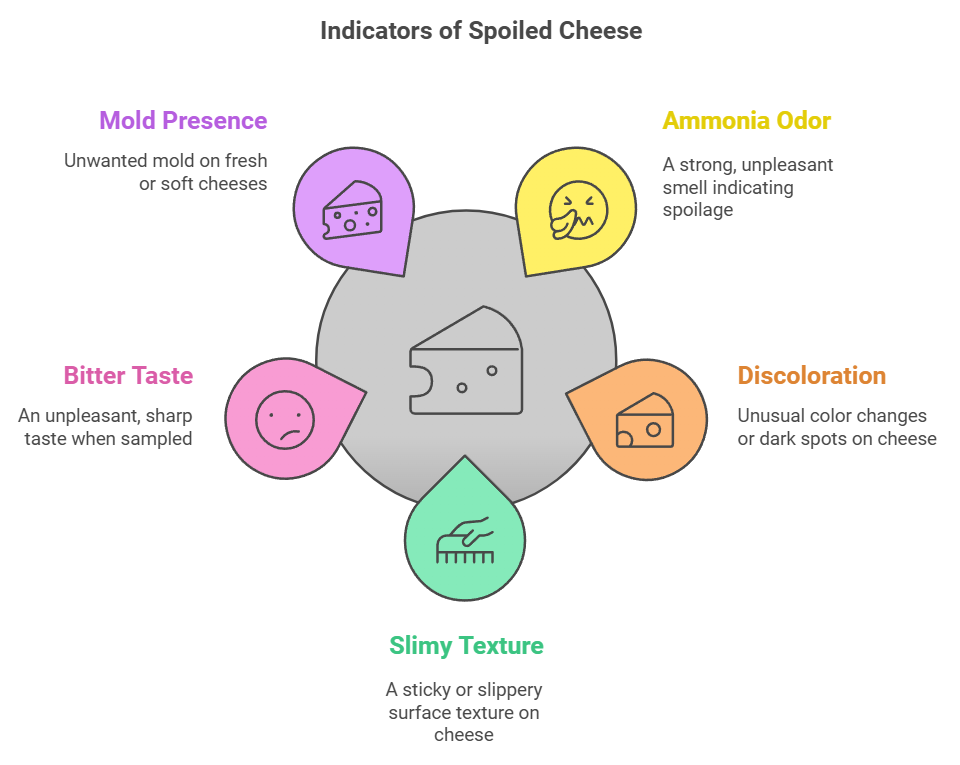
Knowing when to discard cheese is crucial for food safety and preventing illness. While some cheeses develop unique flavors and textures as they age, others become unsafe to eat. Recognizing the signs of spoilage allows you to protect your health and avoid wasting food. This section Artikels the indicators that suggest a cheese should be discarded, focusing on excessive acidity, mold growth, and safe disposal practices.
Indicators of Unsafe Cheese Consumption
Several visual, olfactory, and textural cues signal that a cheese is no longer safe to eat. Ignoring these signs can lead to foodborne illnesses.
- Unusual Odor: A strong, ammonia-like smell, or a generally unpleasant odor, often indicates that the cheese has spoiled. This is especially true for cheeses that are not naturally pungent. For example, a normally mild cheddar cheese that emits a strong, sour smell should be discarded.
- Discoloration: Changes in color, such as the appearance of pink, green, or black spots that are not typical for the cheese variety, are often signs of spoilage. A normally white or yellow cheese developing blue or green patches indicates mold growth and potential contamination.
- Texture Changes: Cheese that becomes slimy, sticky, or excessively dry is often unsafe. The formation of a hard, crusty surface on a previously soft cheese, or the development of a liquid layer, can also indicate spoilage. For example, if a brie cheese becomes excessively runny and emits a foul odor, it should be discarded.
- Mold Growth (Beyond Acceptable Varieties): While some cheeses, like blue cheese, are intentionally mold-ripened, the presence of unexpected mold types or excessive mold growth on other cheeses is a clear indication of spoilage.
Identifying Mold Growth that Requires Discarding
Mold growth is a primary indicator of cheese spoilage. Understanding the types of mold that necessitate discarding cheese is essential for food safety.
- Mold Appearance: The color and texture of the mold are key indicators. Discard cheese if you see mold that is not typical for the cheese variety, or if the mold is fuzzy, colored (green, black, pink), or spreading rapidly. For instance, a hard cheese that develops a significant amount of green mold on its surface should be discarded.
- Mold on Soft Cheeses: Soft cheeses, such as brie or camembert, have high moisture content, making them more susceptible to mold contamination. Any mold growth on these cheeses, even small spots, usually means the entire cheese should be discarded, as mold can spread easily throughout.
- Mold on Hard Cheeses: Hard cheeses can sometimes be salvaged by cutting away the mold, provided the mold is only on the surface and hasn’t penetrated deep into the cheese. However, if the mold is widespread, or if you see any signs of mold growth within the cheese, it is best to discard the entire piece.
- Mold Odor: If the cheese smells strongly of mold, even if you don’t see much, it’s safer to discard it. The odor indicates that mold spores are present throughout the cheese.
Guidelines for Safely Discarding Cheese
Proper disposal of spoiled cheese is important to prevent the spread of mold spores and protect the environment.
- Wrapping the Cheese: Before discarding spoiled cheese, wrap it securely in plastic wrap or a sealed bag to prevent the spread of mold spores. This minimizes the risk of mold spreading to other food items or surfaces.
- Disposing in the Trash: Place the wrapped cheese in a trash receptacle that is regularly emptied. Avoid composting spoiled cheese, as it can introduce unwanted mold spores into your compost pile.
- Cleaning Surfaces: Thoroughly clean any surfaces that have come into contact with the spoiled cheese, such as cutting boards, knives, and countertops. Use hot, soapy water to remove any mold spores. Consider using a bleach solution for extra sanitization.
- Environmental Considerations: While cheese disposal in landfills is common, it’s worth considering the environmental impact. Reducing food waste is important. In the case of spoiled cheese, ensuring it is properly sealed and disposed of minimizes the environmental impact.
Acidic Cheese in Different Varieties
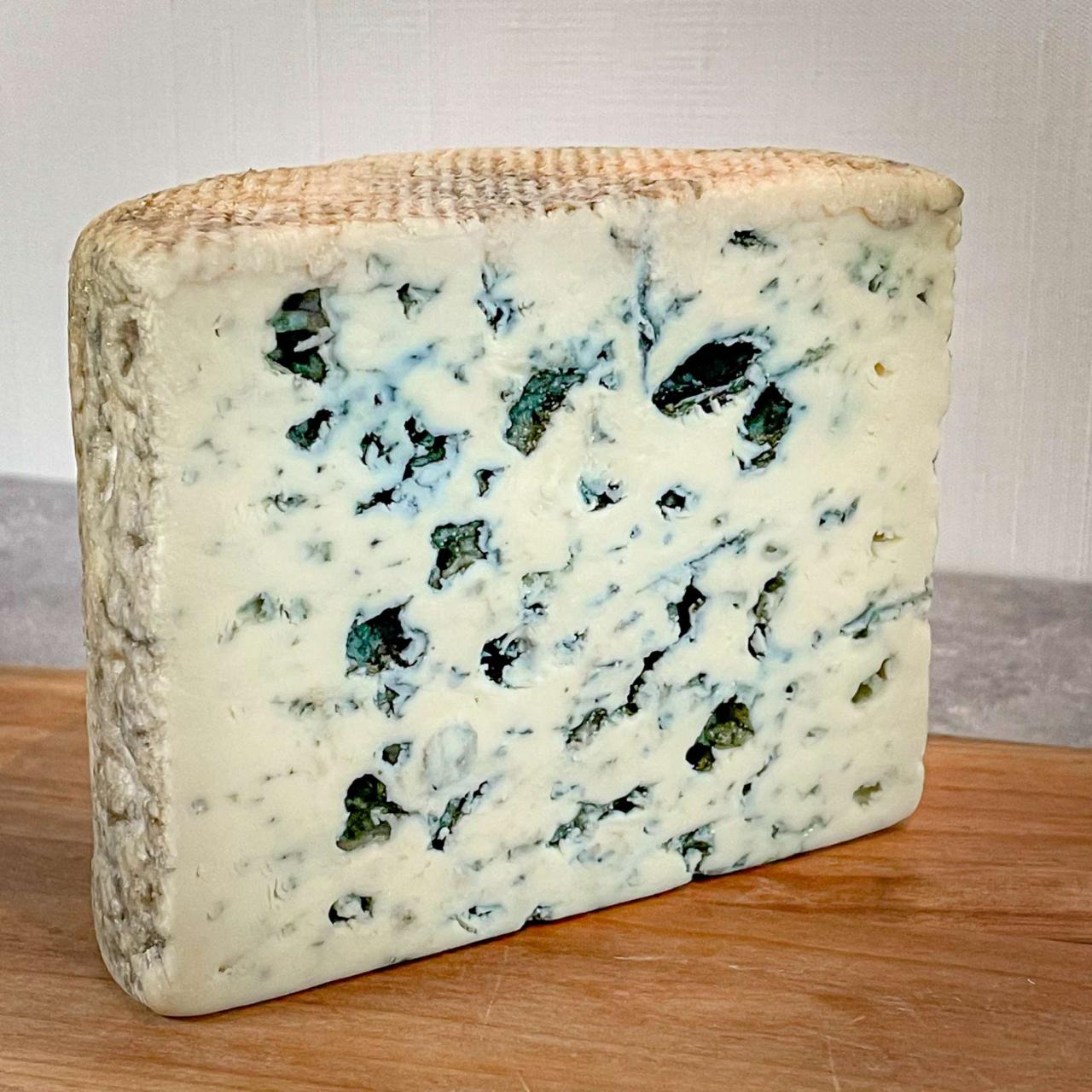
The susceptibility to acidity varies significantly across different cheese types, reflecting the diverse manufacturing processes and inherent characteristics of each. Understanding these differences helps in both identifying and addressing acidity issues. Acidity isn’t inherently negative; it contributes to the desired flavor profiles of many cheeses. However, excessive acidity can lead to an unpleasant sour taste, making the cheese unpalatable. This section explores how acidity manifests differently in various cheese varieties, emphasizing the influence of their production methods.
Susceptibility to Acidity in Various Cheese Types
Different cheese types exhibit varying degrees of susceptibility to developing an acidic taste. Some cheeses are naturally more prone to acidity due to their production methods or composition. Others are more resilient.
- Cheddar: Cheddar, a hard cheese, is often aged for extended periods, during which lactic acid bacteria continue to ferment lactose. This can lead to increased acidity. Well-aged cheddar develops a complex flavor profile, with some acidity being a desirable characteristic. However, if the aging process is not carefully controlled, excessive acidity can result in a sharp, sour taste.
- Brie/Camembert: These soft, bloomy-rind cheeses are typically made with a higher moisture content and ripen from the outside in. The aging process involves the growth of molds, which can also influence acidity levels. Overripe brie or camembert may develop a pronounced ammonia-like flavor, often associated with excessive acidity and protein breakdown.
- Mozzarella: Fresh mozzarella, particularly the
-fior di latte* style, has a relatively short shelf life and is often consumed soon after production. While it can develop some acidity, it’s usually less pronounced compared to aged cheeses. The acidity in mozzarella primarily stems from the conversion of lactose to lactic acid by bacteria. - Parmesan: Parmesan, a hard, granular cheese, undergoes a long aging process. During aging, the cheese develops a complex flavor profile, including a desirable level of acidity. The long aging also concentrates the flavors and reduces moisture content. However, like cheddar, improper aging can lead to excessive acidity.
- Feta: Feta, a brined cheese, often has a tangy flavor, which is partially due to the lactic acid produced during fermentation. The brining process also contributes to the flavor. The level of acidity can vary depending on the milk used, the culture, and the brining time.
Acidity Manifestation in Hard Versus Soft Cheeses
The way acidity presents itself differs significantly between hard and soft cheeses, largely due to variations in moisture content, aging processes, and the presence of protective rinds.
- Hard Cheeses: In hard cheeses, acidity tends to be more concentrated. As moisture evaporates during aging, the lactic acid becomes more concentrated, contributing to a sharper, more intense flavor. The texture of hard cheeses can also be affected; excessive acidity may lead to a crumbly or dry texture. The overall flavor profile of hard cheeses is generally more complex, and acidity plays a crucial role in that complexity.
- Soft Cheeses: Soft cheeses have higher moisture content, and the acidity can be more evenly distributed. In some cases, the acidity may be less noticeable, especially if the cheese is consumed relatively fresh. However, in bloomy-rind cheeses like brie and camembert, the acidity can manifest as a more pronounced ammonia-like flavor if the cheese is overripe. The texture of soft cheeses can also be affected by acidity; it might become overly runny or, in some cases, develop an unpleasant grainy texture.
Manufacturing Process Effects on Acidity in Specific Cheese Types
The manufacturing process significantly influences the potential for acidity in specific cheese types. Each step, from milk selection to aging, contributes to the final acidity level.
- Milk Quality: The quality of the milk is fundamental. Milk with higher initial bacteria counts or a pre-existing level of acidity will likely result in cheese with higher acidity. Raw milk cheeses, for example, can exhibit greater variability in acidity compared to those made with pasteurized milk, because of the presence of native bacteria.
- Starter Cultures: The type of starter culture used plays a crucial role. Different cultures produce varying amounts of lactic acid. Some cultures are designed to produce a more rapid acidification, while others are slower. The choice of culture is therefore critical in controlling the rate of acid development.
- Coagulation and Whey Removal: The coagulation process, where milk proteins clump together, influences the moisture content and the subsequent rate of acid development. Efficient whey removal, which contains lactose, can affect the amount of lactose available for conversion to lactic acid.
- Salting: Salting affects the activity of the starter culture and the moisture content, influencing the rate of acidification. Salt also contributes to the flavor profile and inhibits the growth of unwanted microorganisms.
- Aging Conditions: The aging environment, including temperature and humidity, profoundly affects the cheese’s acidity. Higher temperatures generally accelerate acid production. Humidity affects the moisture content, influencing the concentration of lactic acid.
- Examples:
- Cheddar: The cheddaring process, where the curd is cut, stacked, and turned, promotes whey drainage, influencing moisture content and acidity development.
- Brie: The surface ripening of brie is highly dependent on the growth of mold. The mold’s activity affects the acidity and the breakdown of proteins.
- Parmesan: The long aging period of Parmesan allows for a gradual breakdown of proteins and lactose, contributing to its complex flavor profile and acidity.
The Role of pH in Cheese
The pH level of cheese is a critical factor influencing its flavor, texture, and safety. Understanding and managing pH is a cornerstone of cheesemaking, impacting everything from the initial curd formation to the final product’s characteristics. It is a fundamental measurement used throughout the cheesemaking process to ensure consistency and quality.
Significance of pH Levels in Cheese
The pH scale, ranging from 0 to 14, measures the acidity or alkalinity of a substance. A pH of 7 is neutral, values below 7 are acidic, and values above 7 are alkaline or basic. In cheese, the pH significantly affects several aspects:
- Flavor Development: The pH influences the activity of enzymes and bacteria that break down proteins and fats, creating the characteristic flavors of different cheeses. Lower pH levels often result in tangier, more acidic flavors, while higher pH levels contribute to milder flavors.
- Texture: pH affects the structure of the cheese curd. As the pH drops during cheesemaking, the curd becomes firmer and more elastic. This is crucial for achieving the desired texture of various cheese types, from soft cheeses to hard cheeses.
- Safety: pH plays a crucial role in inhibiting the growth of harmful bacteria. Most foodborne pathogens thrive in a neutral or slightly alkaline environment. By lowering the pH, cheesemakers create an environment that is less conducive to the growth of these bacteria, enhancing the safety of the cheese.
Monitoring and Management of pH in Cheesemaking
Cheesemakers meticulously monitor and manage pH levels throughout the cheesemaking process using specialized equipment and techniques. This is essential for achieving the desired characteristics of the final cheese product.
- Measurement Tools: Cheesemakers use pH meters with electrodes specifically designed for food products to measure the pH of the milk, curd, and cheese at various stages. These meters provide accurate and reliable readings.
- Stages of Monitoring: pH is monitored at key stages:
- Milk Preparation: Before adding cultures or rennet.
- Curd Formation: During the coagulation process.
- Whey Removal: As whey is drained from the curd.
- Salting: After the curd has been formed and cut.
- Aging: Throughout the ripening process.
- pH Control Techniques: Cheesemakers employ several strategies to control pH:
- Starter Cultures: Adding specific bacterial cultures to the milk to produce lactic acid, which lowers the pH. The choice of culture impacts the rate and extent of acidification.
- Acid Addition: In some cases, food-grade acids (such as citric acid or lactic acid) are added to milk to accelerate acidification.
- Whey Removal: Removing whey, which contains lactose (a sugar that bacteria convert to lactic acid), helps to control the rate of pH decline.
- Salting: Salt can affect the pH, influencing both the rate of acidification and the final flavor.
Visual Representation of the pH Scale in Relation to Cheese
The pH scale visually represents the acidity or alkalinity of cheese, highlighting the range within which different cheese varieties fall.
Imagine a horizontal line representing the pH scale, numbered from 0 to 14.
At the center, marked with a vertical line, is 7 (Neutral).
To the left of 7 (0-6.9) is the acidic range, with the lowest value, 0, representing highly acidic substances.
To the right of 7 (7.1-14) is the alkaline (or basic) range, with 14 representing highly alkaline substances.
Now, let’s visualize where different cheese types typically fall on this scale:
- Fresh Cheeses (e.g., Cream Cheese, Cottage Cheese): These cheeses are typically found in the range of 4.6 to 5.1 pH. This relatively low pH contributes to their tangy flavor and soft texture. Visualize these clustered close to the acidic end, slightly above 4.
- Soft-Ripened Cheeses (e.g., Brie, Camembert): These cheeses start with a lower pH (around 4.6-4.8) but become less acidic during ripening, often reaching 6.8-7.4 pH. Visualize these starting near the fresh cheeses and moving closer to the neutral end of the scale.
- Semi-Hard Cheeses (e.g., Cheddar, Gouda): These cheeses typically have a pH between 5.0 and 5.5. This pH range helps develop their characteristic flavors and textures during aging. Visualize these falling in the middle of the acidic range.
- Hard Cheeses (e.g., Parmesan, Gruyère): These cheeses often have a higher pH, usually between 5.2 and 5.7, after aging. Visualize these at the less acidic end, closer to the neutral value.
This visual representation illustrates how the pH varies across different cheese types and how it impacts their characteristics. It emphasizes that cheese production involves careful monitoring and manipulation of pH to achieve the desired results.
Testing for Acidity
Understanding the acidity level of cheese is crucial for assessing its quality and edibility. While professional cheese makers use sophisticated equipment, there are methods to get a general idea of a cheese’s acidity at home. These tests are not as precise as laboratory methods, but they can provide valuable insights.
Testing Acidity with Baking Soda
A simple, at-home method utilizes baking soda (sodium bicarbonate) to gauge acidity. Baking soda reacts with acids, producing carbon dioxide gas. The amount of gas produced correlates with the acidity level.To perform this test:
- Prepare the cheese sample. Take a small, equal-sized piece of the cheese you want to test. A teaspoon-sized amount is usually sufficient.
- Mix the baking soda solution. In a small bowl or cup, mix about ½ teaspoon of baking soda with a tablespoon of water. Stir until the baking soda is mostly dissolved.
- Add the cheese to the solution. Place the cheese sample into the baking soda solution.
- Observe the reaction. Watch for any signs of a reaction, such as fizzing or bubbling.
Interpreting Results
The reaction between the baking soda and the cheese will indicate the acidity level.
- No reaction: If there’s little to no fizzing, the cheese is likely not highly acidic. This doesn’t necessarily mean the cheese is perfect; it could be bland or have other issues.
- Slight fizzing: A gentle fizzing indicates a moderate level of acidity. The cheese might have a slightly tangy taste, which is normal for many cheese varieties.
- Strong fizzing: Vigorous bubbling suggests a higher level of acidity. The cheese might taste overly sour or tart, indicating it could be nearing its expiration date or has been improperly stored.
Limitations of the Baking Soda Test
While useful, the baking soda test has several limitations:
- Qualitative, not quantitative: This test provides a general sense of acidity, not a precise measurement. You can’t determine the exact pH value.
- Sensitivity to other factors: Other components in the cheese can affect the reaction. For example, certain flavorings or additives might also react with the baking soda.
- Inability to distinguish causes: The test doesn’t tell you the cause of the acidity. It could be due to lactic acid from fermentation, or other factors related to improper storage or spoilage.
Acidic Cheese and Food Safety
Consuming cheese that is overly acidic can pose potential health risks, and understanding these risks is crucial for safe consumption. Acidity levels directly influence the environment within the cheese, affecting the growth of harmful bacteria. This section will explore the potential health hazards and provide guidance on ensuring cheese safety.
Health Risks of Consuming Overly Acidic Cheese
Eating cheese that is too acidic can lead to several health concerns. The elevated acidity can indicate the presence of undesirable microorganisms or a breakdown of the cheese’s structure that makes it more susceptible to spoilage.
How Acidity Affects Bacterial Growth in Cheese
The pH level of cheese plays a significant role in controlling the growth of bacteria. Most harmful bacteria thrive in a neutral or slightly alkaline environment. When cheese becomes overly acidic, it creates an environment that inhibits the growth of many of these pathogens, such as
- Listeria monocytogenes* and
- Salmonella*. However, it’s important to remember that while acidity can suppress some bacteria, it doesn’t guarantee complete safety.
Food Safety Recommendations for Cheese Consumption
Here are some essential food safety guidelines to keep in mind when enjoying cheese:
- Store cheese properly: Keep cheese refrigerated at temperatures below 40°F (4°C) to slow bacterial growth.
- Check for signs of spoilage: Discard cheese if you observe mold growth (other than what is intended for the cheese type), discoloration, a sour or ammonia-like smell, or a slimy texture.
- Follow “best by” dates: Consume cheese before the expiration date or within a reasonable timeframe after opening, as indicated on the packaging.
- Handle cheese with clean utensils: Use clean knives and serving utensils to prevent cross-contamination.
- Be cautious with soft cheeses: Pregnant women, young children, the elderly, and individuals with weakened immune systems should avoid or consume soft cheeses (e.g., brie, feta, camembert) only if they are pasteurized.
Last Recap
In conclusion, mastering the art of “How to Identify and Fix Acidic-Tasting Cheese” empowers you to become a more discerning cheese consumer. We’ve explored the origins of acidity, from the microscopic world of bacteria to the environmental factors that shape flavor. Armed with this knowledge, you can confidently navigate the cheese aisle, identify potential problems, and even revive slightly acidic cheeses through clever pairings.
Remember to prioritize food safety and discard any cheese that shows signs of spoilage. Embrace the journey of discovery, and savor the delightful world of cheese, one bite at a time.