Discover the fascinating world of cheese rind preservation with How to Oil a Cheese Rind as an Alternative to Waxing! This method offers a compelling alternative to traditional waxing, promising to enhance both the flavor and texture of your homemade cheeses. From understanding the crucial role of the rind to mastering the art of oil application, we’ll embark on a journey that unlocks the secrets of this time-honored technique.
Whether you’re a seasoned cheesemaker or a curious beginner, this guide will equip you with the knowledge and skills needed to elevate your cheese aging process. We’ll explore the advantages of oiling, the best oils to use, and the step-by-step process to achieve perfectly oiled cheese rinds, resulting in delicious and visually appealing cheeses. Prepare to transform your cheesemaking experience!
Understanding Cheese Rind and Its Purpose
The cheese rind is more than just the outer layer of a cheese; it’s a dynamic ecosystem and a crucial component in the cheesemaking process. It plays a significant role in the development of flavor, texture, and the overall character of the cheese. Understanding the rind’s purpose is fundamental to appreciating the art and science of cheese aging.
The Function of a Cheese Rind
The cheese rind acts as a protective barrier, influencing how the cheese ages and develops. It controls moisture loss, preventing the cheese from drying out too quickly, and it also serves as a gateway for the entry of beneficial microorganisms. These microorganisms contribute to the unique flavors and textures found in different cheese varieties.
Different Types of Cheese Rinds
Cheese rinds come in a wide variety, each contributing unique characteristics to the cheese. The development of the rind is influenced by cheesemaking techniques, the environment in which the cheese is aged, and the presence of specific microorganisms.
- Natural Rind: These rinds develop naturally through the interaction of the cheese with its environment. They are often formed by molds, yeasts, and bacteria present in the aging room or on the cheese itself. Examples include the rinds of aged cheddars and certain alpine cheeses like Gruyère. These rinds can vary in color and texture, often appearing dry and sometimes crusty.
They are usually edible, adding complexity to the cheese’s flavor.
- Washed Rind: Washed-rind cheeses are regularly washed with brine, beer, wine, or other liquids during aging. This process encourages the growth of specific bacteria, typically Brevibacterium linens, which contributes to the characteristic orange color and pungent aroma. Examples include Taleggio and Epoisses. The washing process also helps to control the growth of unwanted molds.
- Bloomy Rind: Bloomy rinds are characterized by a soft, white, downy surface, often formed by the mold Penicillium candidum. These rinds are typically found on cheeses like Brie and Camembert. The mold grows on the surface of the cheese, creating a soft, edible rind and contributing to the cheese’s creamy texture and mushroomy flavors.
- Clothbound Rind: Some cheeses, like clothbound cheddar, are wrapped in cloth during aging. This allows for some moisture loss while also protecting the cheese from excessive drying. The cloth also encourages the growth of beneficial molds and bacteria on the surface. The resulting rind is often dry and slightly rough.
- Waxed Rind: Cheese can also be protected by a wax coating. This method seals the cheese, preventing moisture loss and controlling the development of the cheese. Waxed rinds are often found on cheddars and other hard cheeses. The wax rind itself is not typically eaten.
Benefits of Rind Development on Cheese Flavor and Texture
The development of a rind significantly impacts both the flavor and texture of the cheese. As the rind matures, it influences the interior of the cheese through various processes.
- Flavor Development: The microorganisms on the rind break down proteins and fats within the cheese, creating a complex array of flavor compounds. These compounds contribute to the cheese’s distinctive taste profile. For example, the Brevibacterium linens in washed-rind cheeses produces strong, savory flavors.
- Texture Transformation: The rind controls moisture loss, which affects the texture of the cheese. In bloomy-rind cheeses, the rind softens the interior, leading to a creamy texture. In hard cheeses, the rind helps to create a firmer texture over time.
- Aroma Production: The rind contributes significantly to the aroma of the cheese. The volatile compounds produced by the microorganisms on the rind are responsible for the complex and often pungent smells associated with different cheese types.
Why Cheesemakers Choose to Protect the Rind
Cheesemakers choose to protect the rind for several reasons, including preserving the cheese’s quality, controlling the aging process, and ensuring food safety. The choice of protection method depends on the desired cheese style and aging characteristics.
- Moisture Control: Rinds help to regulate moisture loss. Excessive moisture loss can lead to a dry, crumbly cheese, while insufficient moisture loss can result in an overly soft or even spoiled cheese.
- Microbial Control: The rind acts as a barrier, preventing the growth of unwanted molds and bacteria that could spoil the cheese.
- Flavor Development and Consistency: Protecting the rind helps to maintain the desired flavor profile and ensures that the cheese ages consistently.
- Aesthetics and Presentation: A well-developed rind can enhance the visual appeal of the cheese, making it more attractive to consumers.
Why Oil Instead of Wax? Exploring Alternatives
Oiling a cheese rind presents a compelling alternative to waxing, offering distinct advantages and catering to specific cheese types and aging processes. This exploration delves into the benefits of oiling, comparing it to waxing, and highlighting the historical context behind this traditional method.
Advantages of Oiling Over Waxing
Waxing is a common method for rind protection, but oiling offers several potential benefits that make it a worthy alternative. These advantages often depend on the specific characteristics of the cheese being aged.
- Enhanced Flavor Development: Oiling can promote a different flavor profile compared to waxing. It allows for a more nuanced interaction between the cheese and its environment. Certain molds and bacteria, crucial for flavor development, may thrive better on an oiled surface than a waxed one. This can lead to more complex and interesting flavor profiles, particularly in cheeses with a natural rind.
- Natural Rind Preservation: Oiling can help maintain the natural rind’s appearance and texture. Waxing often creates a barrier that can alter the rind’s character. Oiling, on the other hand, can nourish and hydrate the rind, allowing it to age gracefully and develop its own unique characteristics. This is especially beneficial for cheeses where the rind is an integral part of the eating experience.
- Ease of Application and Maintenance: Oiling is generally simpler to apply than waxing. It doesn’t require specialized equipment like a wax melter. Re-oiling is also easier, allowing for more flexibility in managing the aging process and responding to environmental changes. This can be particularly useful for home cheesemakers or those who prefer a more hands-on approach.
- Aesthetic Appeal: An oiled rind can develop a beautiful, natural sheen. The oil can enhance the colors and textures of the rind, creating a visually appealing cheese. This can be a significant advantage for cheeses intended for display or sale, as the appearance is a crucial factor for consumers.
Moisture Retention: Oil vs. Wax
Moisture retention is critical during cheese aging. Both oil and wax offer protection, but their mechanisms differ, leading to variations in the final product.
- Wax’s Moisture Barrier: Wax creates a nearly impermeable barrier, effectively sealing the cheese from moisture loss and environmental factors. This can be ideal for cheeses where a consistent moisture level is essential throughout the aging process, preventing excessive drying. However, this can also hinder the cheese’s ability to “breathe,” potentially impacting flavor development.
- Oil’s Permeability: Oil, while providing protection, is more permeable than wax. It allows for a degree of moisture exchange. This means some moisture can evaporate from the cheese, and some environmental humidity can be absorbed. This can lead to a more dynamic aging process, with the rind evolving and interacting with its surroundings. The type of oil used also influences the permeability.
For example, a heavier oil will offer a more robust barrier than a lighter one.
- Impact on Cheese Texture: The difference in moisture retention affects the cheese’s texture. Waxed cheeses tend to have a firmer, drier texture due to minimal moisture loss. Oiled cheeses, with some moisture exchange, may develop a slightly more supple and sometimes more complex texture, particularly in the rind.
Suitable Cheese Types for Oiling
Certain cheese types benefit more from oiling than waxing. This selection often depends on the desired rind development and flavor profile.
- Cheeses with Natural Rinds: Cheeses with naturally occurring rinds, like bloomy rind cheeses (e.g., Camembert, Brie) or washed-rind cheeses (e.g., Taleggio, Munster), are excellent candidates for oiling. Oiling can support the development of desirable molds and bacteria on the rind, enhancing the cheese’s flavor and aroma.
- Hard Cheeses with Open Textures: Some hard cheeses with open textures, such as certain cheddars or goudas, can benefit from oiling. The oil can help to slow down moisture loss while still allowing for some rind development. This can result in a more flavorful and textured cheese.
- Cheeses Where Rind Development is Key: If the rind’s flavor and texture are integral to the cheese’s character, oiling is a good choice. Oiling fosters a more active rind, allowing for a more complex interplay of flavors and aromas.
Historical Context and Origins of Oiling Cheese Rinds
Oiling cheese rinds is a practice with deep historical roots, predating the widespread use of wax. It represents a traditional approach to cheese preservation and aging.
- Ancient Preservation Techniques: Historically, oil was a readily available resource used for food preservation. In ancient times, various cultures, including the Romans and Greeks, used olive oil and other oils to coat cheeses, protecting them from spoilage and pests. This method was practical and effective, utilizing locally sourced ingredients.
- Regional Variations: The specific oils and techniques varied depending on the region and the cheese type. Olive oil, being readily available in the Mediterranean, was a common choice. Other oils, like vegetable oils or animal fats, were also used in different parts of the world. These variations contributed to the unique flavors and characteristics of regional cheeses.
- Transition to Waxing: The adoption of wax as a rind coating material became more widespread in the 20th century. Wax offered a more consistent and easily controlled protective barrier. However, the practice of oiling cheese rinds persisted, particularly in traditional cheesemaking communities and for specific cheese styles.
- Modern Revival: In recent years, there’s been a renewed interest in traditional cheesemaking methods, including oiling. Cheesemakers are rediscovering the benefits of oiling, appreciating its ability to enhance flavor development, promote natural rind formation, and offer a more sustainable alternative to waxing.
Choosing the Right Oil
Selecting the appropriate oil is crucial for successfully oiling a cheese rind. The choice of oil significantly impacts the rind’s protection, the cheese’s flavor development, and its overall aging process. Understanding the characteristics of different oils and their effects is essential for making an informed decision.
Characteristics of Suitable Oils
Oils suitable for cheese rind preservation share several key characteristics that contribute to their effectiveness. These characteristics ensure proper rind development and cheese protection.* High Smoke Point: Oils with high smoke points are preferable. This prevents the oil from breaking down and becoming rancid at lower temperatures during storage. A high smoke point indicates stability when exposed to heat.
Neutral Flavor Profile
Ideally, the oil should have a relatively neutral flavor to avoid overpowering the cheese’s natural taste. This allows the cheese’s original flavors to develop and mature without interference.
Good Shelf Life
The oil should possess a decent shelf life to maintain its quality over the cheese’s aging period. This ensures the oil remains effective throughout the cheese’s maturation.
Penetration Ability
The oil should be able to penetrate the rind slightly, creating a protective barrier. This penetration helps to seal the rind and control moisture loss.
Food Grade Quality
Only food-grade oils should be used to ensure safety. This eliminates the risk of introducing harmful substances into the cheese.
Recommended Oils for Oiling Cheese Rinds
Various oils can be used for oiling cheese rinds, each offering distinct advantages and disadvantages. Here’s a list of recommended oils, along with their pros and cons:
- Extra Virgin Olive Oil (EVOO):
- Pros: Readily available, adds a subtle fruity flavor, good penetration, and provides a protective layer.
- Cons: Flavor can be too strong for some cheeses, potentially affecting the cheese’s original taste. The smoke point is relatively lower than other oils.
- Refined Olive Oil:
- Pros: Higher smoke point than EVOO, more neutral flavor, and widely available.
- Cons: Some flavor is lost during the refining process.
- Grapeseed Oil:
- Pros: High smoke point, neutral flavor, and good shelf life.
- Cons: Can be more expensive than other options, and some varieties might not penetrate the rind as effectively.
- Sunflower Oil:
- Pros: Affordable, neutral flavor, and widely available.
- Cons: Can become rancid more quickly than other oils, and its impact on rind texture might vary.
- Coconut Oil (refined):
- Pros: Adds a slight sweetness, solid at room temperature, creating a robust barrier.
- Cons: Distinct coconut flavor, solidifies at room temperature, which can be inconvenient for application.
Importance of Oil Purity and Origin
The purity and origin of the oil play a significant role in the cheese-aging process. The quality of the oil directly impacts the cheese’s flavor profile and safety.* Purity: High-quality, pure oils are essential. Impurities can introduce off-flavors or even harmful substances. Always opt for food-grade oils, ensuring they are free from additives or contaminants.
Origin
The origin of the oil can influence its flavor and characteristics. For instance, olive oils from different regions have distinct flavor profiles. When choosing an oil, consider its origin and how it might complement the cheese.
Processing Methods
The processing methods used to extract the oil can also affect its quality. Cold-pressed oils generally retain more flavor and nutrients.
Impact of Different Oils on Cheese Flavor and Aroma
Different oils contribute unique flavor profiles to the cheese rind, thereby influencing the overall sensory experience. The oil’s flavor and aroma interact with the cheese’s natural flavors during aging.* Olive Oil: Adds a fruity and sometimes peppery note. Extra virgin olive oil imparts a stronger flavor compared to refined olive oil.
Grapeseed Oil
Contributes a neutral flavor, allowing the cheese’s natural flavors to shine through.
Sunflower Oil
Generally imparts a neutral flavor. However, the quality of the sunflower oil can influence its impact.
Coconut Oil
Adds a subtle sweetness and a hint of coconut flavor. This can be particularly appealing for certain types of cheeses.
Other Oils
The use of other oils, like avocado oil or almond oil, can add unique flavor profiles, depending on the cheese type and desired outcome.The choice of oil is a crucial decision, with each oil imparting a distinct flavor. For example, a Pecorino Romano, with its strong, salty flavor, might pair well with a neutral oil like grapeseed, allowing the cheese’s inherent taste to dominate.
Conversely, a milder cheese like Brie might benefit from the subtle fruitiness of extra virgin olive oil.
Preparing the Cheese for Oiling
Before applying oil to your cheese rind, careful preparation is crucial for achieving the desired results: a beautifully protected and properly aged cheese. This stage focuses on creating the ideal environment for the oil to adhere and effectively protect the cheese. The success of oiling hinges on the meticulousness of this preparation phase.
Ideal Conditions for the Cheese Surface
The cheese surface must be in a specific state before oiling. This ensures the oil can properly penetrate the rind and create a protective barrier.The ideal cheese surface should be:
- Clean: Free from any existing mold, debris, or other contaminants. This prevents these elements from being sealed in under the oil, potentially leading to off-flavors or unwanted mold growth.
- Dry: Excess moisture will prevent the oil from adhering correctly. A slightly dry surface allows the oil to absorb and create a good seal.
- Slightly Aged (if applicable): For cheeses with existing rinds, the rind should have developed adequately before oiling. This often means the rind has formed a protective layer, making it more receptive to the oil. The age of the cheese is dependent on the type of cheese, but in general, hard cheeses like cheddar and parmesan are ready after a few weeks to a couple of months.
- Room Temperature: Cheese at room temperature is more pliable, making cleaning easier. It also helps the oil spread more evenly.
Step-by-Step Procedure for Cleaning and Preparing the Cheese Rind
Meticulous cleaning is key to a successful oiling process. Follow these steps to prepare your cheese rind:
- Gather Your Supplies: Assemble all necessary tools and materials before you begin (see list below).
- Gently Brush the Rind: Use a clean, dry brush (a soft-bristled toothbrush or a dedicated cheese brush is ideal) to remove any loose mold, dust, or debris. Brush gently to avoid damaging the rind. If you are using a cheese brush, it should be kept solely for this purpose and cleaned thoroughly after each use.
- Rinse (If Necessary): If the rind is particularly dirty or has stubborn mold, you may need to rinse it. Use cool, clean water. Avoid hot water, which can soften the cheese. Pat the rind dry immediately after rinsing.
- Allow to Dry: After brushing or rinsing, let the cheese rind air dry completely. This might take anywhere from 30 minutes to a few hours, depending on the humidity and the cheese. The surface should feel dry to the touch.
- Inspect the Rind: Carefully examine the rind for any remaining imperfections. If you see any areas of concern (e.g., persistent mold growth), repeat the cleaning steps.
Method for Handling and Storing the Cheese During the Oiling Process
Proper handling and storage during oiling are critical for hygiene and preventing unwanted mold growth.The following method should be applied:
- Clean Work Surface: Ensure your work surface is thoroughly clean and sanitized. Use a food-safe cleaner to wipe down the area.
- Gloves: Wear food-safe gloves to prevent contaminating the cheese with bacteria from your hands.
- Dedicated Area: Choose a dedicated area for the oiling process. Avoid doing this near areas where other food is being prepared to minimize the risk of cross-contamination.
- Drying Rack or Tray: Place the cheese on a clean drying rack or a food-safe tray after cleaning and before oiling. This allows for air circulation around the cheese.
- Storage After Oiling: After oiling, store the cheese in a cheese cave, a wine fridge, or a dedicated refrigerator compartment for cheese. This ensures consistent temperature and humidity levels, which are crucial for aging. If you don’t have these, use a container with a lid and place it in the refrigerator.
- Temperature and Humidity: The ideal storage temperature for most cheeses is between 40-55°F (4-13°C) and a humidity level of 75-85%. Maintaining these conditions helps to prevent the cheese from drying out or growing undesirable molds.
Tools and Materials Needed for Oiling
Having the right tools and materials will make the oiling process efficient and effective.Here’s a list of essential items:
- Food-Grade Oil: Olive oil, grape seed oil, or other suitable oils (as discussed previously).
- Clean Brushes: Soft-bristled brushes for applying the oil. These can be dedicated cheese brushes or new, clean paintbrushes (ensure they are food-safe).
- Clean Cloths or Paper Towels: For wiping excess oil.
- Food-Safe Gloves: To maintain hygiene.
- Clean Work Surface: A clean and sanitized surface to work on.
- Drying Rack or Tray: For the cheese to sit on while drying and after oiling.
- Storage Container: A container with a lid for storing the oiled cheese (e.g., a plastic container or a cheese storage bag).
- Cheese Brush (Optional): A dedicated brush for removing loose mold and debris.
- Cool Water and Clean Cloth (Optional): For rinsing the rind.
The Oiling Process
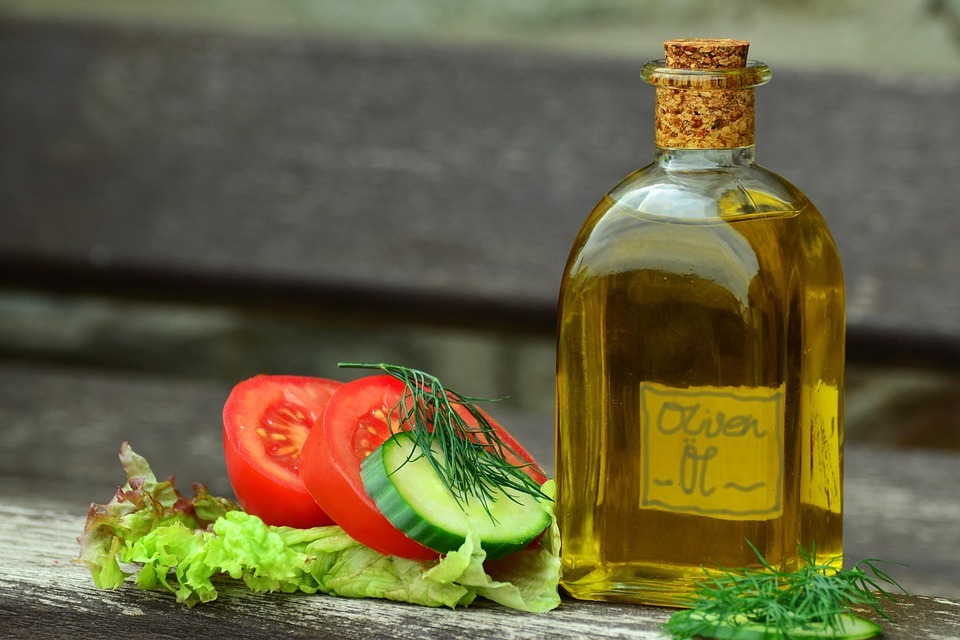
Now that you’ve selected your oil and prepared your cheese, it’s time to dive into the core of this technique: the oiling process itself. This section provides a detailed, step-by-step guide to ensure your cheese rind develops beautifully and your cheese ages gracefully. Remember, patience and consistency are key.
Step-by-Step Guide to Applying Oil
The oiling process involves several crucial steps, each designed to contribute to a healthy rind and well-protected cheese. Careful execution of these steps ensures the best results.
- Gather Your Supplies: Before you begin, make sure you have everything you need readily available. This includes your chosen oil (e.g., olive oil, sunflower oil), a clean, soft brush (such as a pastry brush), clean cloths or paper towels, and the cheese itself, properly prepared.
- Initial Application: Gently brush a thin, even layer of oil across the entire surface of the cheese rind. The goal is to lightly coat the rind, not to saturate it. Avoid applying too much oil, as this can lead to a sticky rind and uneven aging.
- Even Distribution: Ensure the oil is distributed evenly across the surface. Pay close attention to any cracks or crevices in the rind, as these are areas where mold and unwanted bacteria can easily take hold. Using the brush, gently work the oil into these areas.
- Drying Time: After applying the oil, allow the cheese to air dry for a short period, typically 30 minutes to an hour. This allows the oil to partially absorb into the rind and prevents a greasy feel.
- Storage: Place the cheese back into its aging environment (cheese cave, refrigerator, or designated aging space). Ensure the storage environment maintains the correct temperature and humidity levels for the type of cheese.
Techniques for Even Oil Distribution
Achieving even oil distribution is critical for preventing uneven aging and promoting a healthy rind. Several techniques contribute to this.
- Gentle Brushing: Use a soft brush and apply the oil with light, consistent strokes. Avoid scrubbing or pressing too hard, which can damage the rind.
- Multiple Thin Coats: Instead of applying a single thick coat, opt for multiple thin coats. This helps to control the amount of oil absorbed and prevents the rind from becoming overly saturated.
- Rotating the Cheese: When applying the oil, rotate the cheese frequently to ensure all sides are exposed and coated evenly.
- Checking for Coverage: After applying the oil, visually inspect the cheese to ensure that the entire surface is coated. Pay particular attention to any areas that may have been missed.
Frequency and Timing of Oil Application
The frequency and timing of oil application depend on several factors, including the type of cheese, the aging environment, and the desired rind characteristics.
As a general guideline:
- Initial Application: Apply the first coat of oil immediately after the cheese has formed a rind and has been properly dried.
- Frequency: The frequency of subsequent oil applications varies. A good starting point is every 1-2 weeks during the initial aging phase (first few months). As the cheese ages, the frequency can be reduced to once a month or even less often.
- Monitoring: Regularly inspect the rind for dryness, cracks, or signs of unwanted mold. Adjust the oiling frequency based on your observations. If the rind appears dry or cracked, increase the frequency of oiling. If mold develops, clean the rind and re-oil.
- Cheese Type: For cheeses with a shorter aging time, the oiling frequency might be less. For longer-aged cheeses, the frequency might be higher.
Potential Issues and Solutions
Even with careful application, issues can arise during the oiling process. Understanding these potential problems and their solutions will help you maintain the quality of your cheese.
| Issue | Possible Causes | Solutions |
|---|---|---|
| Sticky Rind | Too much oil applied, inadequate drying time, high humidity in the aging environment. | Wipe off excess oil with a clean cloth, increase drying time, adjust humidity levels in the aging environment. |
| Dry or Cracked Rind | Insufficient oiling, low humidity in the aging environment. | Increase the frequency of oil application, increase humidity levels. |
| Unwanted Mold Growth | Improper sanitation, uneven oil distribution, cracks in the rind, unsuitable aging environment. | Clean the rind with a diluted vinegar solution or a cheese-specific mold wash, re-oil the cheese, ensure even oil distribution, adjust aging environment. |
| Uneven Aging | Uneven oil application, inconsistent temperature or humidity in the aging environment. | Ensure even oil application, rotate the cheese regularly, maintain consistent temperature and humidity levels. |
Aging and Monitoring Oiled Cheese
After oiling your cheese, the real adventure begins! This is where you transform your initial effort into a delicious and unique product. Careful monitoring and understanding of the aging process are key to achieving the desired flavor and texture. This section will guide you through the process, helping you recognize the signs of successful aging.
Monitoring Cheese Development
Regularly monitoring your oiled cheese is essential to ensure it ages properly and develops the flavors you expect. This involves observing the rind’s appearance, texture, and smell, as well as the cheese’s overall condition. Record your observations to track progress and identify any potential issues early on. The frequency of monitoring depends on the type of cheese and the aging environment, but generally, check your cheese at least once a week, or even more frequently during the initial stages.
Expected Changes in the Cheese Rind Over Time
The rind’s appearance, texture, and smell will change as the cheese ages. The following table provides a general overview of the expected changes. Remember that these are guidelines, and the actual changes may vary depending on the cheese type, oil used, and aging conditions.
| Timeframe | Appearance | Texture | Smell |
|---|---|---|---|
| Week 1-2 | Oil may appear slightly darker or more translucent. | Rind feels smooth and oily. | Subtle, with hints of the oil used. |
| Month 1-3 | The rind may develop a slight sheen or a very thin, almost invisible bloom. | Slightly firmer, but still pliable. | May develop a more complex aroma, depending on the cheese and oil. |
| Month 3-6+ | Rind may darken further, developing a more pronounced sheen or a slight texture. | Firmer, potentially with some slight cracks or imperfections. | A more robust and complex aroma, characteristic of the cheese type and aging process. |
Factors Influencing the Aging Rate of Oiled Cheese
Several factors influence how quickly and effectively your cheese ages. Understanding these factors allows you to adjust your aging process to achieve your desired results.
- Cheese Type: Different cheeses age at different rates. Hard cheeses generally take longer to age than soft cheeses.
- Oil Type: The oil’s properties can affect the rind’s development and the overall aging process. Some oils might penetrate more quickly or impart different flavors.
- Temperature: Warmer temperatures generally accelerate aging, while cooler temperatures slow it down. The ideal aging temperature varies depending on the cheese type.
- Humidity: Humidity influences the rind’s moisture content. Too much humidity can lead to unwanted mold growth, while too little can dry out the rind.
- Aging Environment: The environment in which the cheese is stored, including airflow and the presence of other cheeses, can affect the aging process.
Indicators of Healthy and Properly Aged Oiled Cheese
Recognizing the signs of a healthy and properly aged cheese is crucial. These indicators suggest the cheese is developing the desired flavors and textures.
- Appearance: The rind should be intact, with a healthy sheen or subtle texture. Any mold growth should be controlled and not excessive. The color should be uniform or have a slight variation, depending on the cheese type and oil used.
- Texture: The rind should be firm but not overly hard, allowing for a pleasant eating experience. The interior of the cheese should have the expected texture for its type (e.g., creamy for a brie, crumbly for a cheddar).
- Smell: The cheese should have a complex and appealing aroma, characteristic of its type and aging process. Any off-putting smells, such as ammonia, indicate a potential problem.
- Taste: The cheese should have a balanced and enjoyable flavor profile, reflecting its type and aging process. The flavor should be complex and well-developed.
Troubleshooting Common Problems
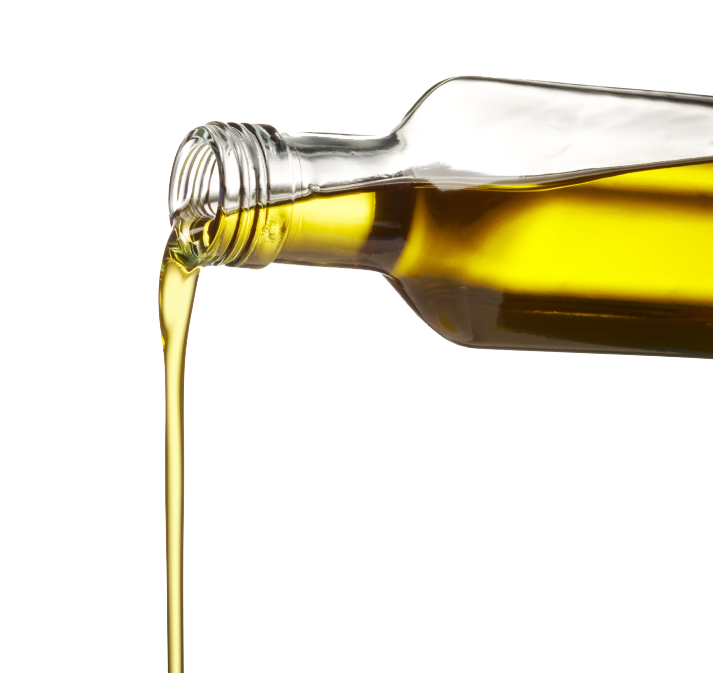
Oiling cheese rinds, while a viable alternative to waxing, can present some challenges. Understanding and addressing these common issues is key to successfully aging and enjoying your oiled cheese. This section will guide you through the most frequent problems and provide practical solutions.
Mold Growth on Oiled Rind
Mold growth is perhaps the most common concern when oiling cheese rinds. It’s important to differentiate between desirable and undesirable molds. The good molds contribute to the cheese’s flavor and development, while the bad ones can spoil the cheese.
- Identifying Undesirable Molds: These often appear as fuzzy, colorful patches (green, black, blue, or pink) that differ from the expected surface bloom. They may also have an off-putting odor.
- Addressing Undesirable Mold:
- Gentle Cleaning: If the mold is superficial, gently wipe it away with a clean cloth dampened with a solution of 3% food-grade hydrogen peroxide and water (1:1 ratio).
- Oil Reapplication: After cleaning, reapply the oil to the affected area.
- Increased Ventilation: Ensure adequate airflow around the cheese to prevent mold growth. If necessary, move the cheese to a more ventilated area in your aging environment.
- Adjusting Humidity: High humidity encourages mold. Monitor and adjust the humidity levels in your aging environment (ideally between 75-85%). Use a hygrometer to measure and a dehumidifier if needed.
- Severe Cases: If the mold penetrates deep into the cheese, or the cheese has a foul odor, it’s best to discard it. This indicates that the cheese has been compromised.
- Preventative Measures:
- Cleanliness: Maintain a clean aging environment and use clean utensils and cloths when handling the cheese.
- Proper Oil Application: Apply a thin, even coat of oil. Excess oil can trap moisture and promote mold growth.
- Regular Monitoring: Inspect the cheese regularly (every few days) for any signs of mold.
Rind Cracking or Drying
Rind cracking and drying are signs that the cheese is losing moisture too quickly. This can affect the cheese’s texture and flavor.
- Causes:
- Low Humidity: Dry environments pull moisture from the cheese.
- Insufficient Oil Application: Not enough oil may fail to protect the rind.
- Excessive Airflow: Strong drafts can dry out the rind.
- Solutions:
- Increase Humidity: Raise the humidity in your aging environment. Use a humidifier or place a container of water nearby.
- Reapply Oil: If the rind is dry or cracked, gently reapply a thin layer of oil.
- Reduce Airflow: Ensure the cheese is not exposed to direct drafts.
- Wrapping: For cheese that is particularly prone to drying, consider wrapping the cheese loosely in cheesecloth or a breathable cheese paper after oiling to help retain moisture.
Rancidity Potential and Prevention
Rancidity is the breakdown of fats, leading to unpleasant flavors and odors. This is a concern when using oil on cheese, especially with oils that have a lower smoke point or are prone to going rancid.
- Identifying Rancidity: A rancid cheese will have a sour, bitter, or metallic taste and smell. The oil may also develop an off-putting odor.
- Prevention:
- Choose the Right Oil: Select oils with a high smoke point and good stability, such as refined olive oil, refined coconut oil, or grapeseed oil. Avoid oils with high levels of polyunsaturated fats, which are more prone to rancidity.
- Storage: Store the cheese in a cool, dark place. Avoid exposure to direct sunlight and heat, which can accelerate rancidity.
- Freshness of Oil: Use fresh, high-quality oil. Avoid using oil that has already been opened for an extended period.
- Proper Application: Apply a thin, even coat of oil. Excess oil can become rancid.
- Monitor Regularly: Regularly inspect the cheese for any signs of rancidity (off-odors or flavors). If you detect rancidity, discard the cheese.
Alternative Methods and Techniques
Oiling a cheese rind offers flexibility in technique and material choice, allowing for tailored approaches based on the specific cheese and desired outcome. This section explores variations in application methods, alternative substances for rind treatment, and comparative analyses of different oiling techniques.
Variations in Oiling Techniques
The method of applying oil to a cheese rind can significantly impact the rind’s texture, appearance, and protective qualities. Experimenting with different applicators and approaches allows for optimization based on cheese type and personal preference.
- Brush Application: This involves using a food-safe brush to apply a thin, even layer of oil. This method is ideal for cheeses with uneven surfaces or intricate molds, ensuring the oil reaches all crevices. Brushes can range from natural bristle to silicone, each offering different levels of stiffness and control.
- Dipping: For smaller cheeses or those with relatively smooth surfaces, dipping the cheese directly into a container of oil can be effective. This method ensures complete coverage but can be wasteful if a large amount of oil is needed. Ensure the oil is at room temperature to avoid shocking the cheese.
- Spraying: Using a food-safe spray bottle can provide a very fine and even coating. This is particularly useful for cheeses with delicate rinds or those prone to mold development. However, spray application may require more oil to achieve full coverage compared to brushing or dipping.
- Wiping: A clean, lint-free cloth can be used to wipe oil onto the rind. This is a simple method suitable for cheeses with a firm, relatively smooth surface. The cloth absorbs excess oil, minimizing the risk of a greasy rind.
Alternative Substances for Rind Treatment
While oil is the primary component, other substances can be incorporated to enhance the rind’s characteristics. These additions can influence flavor, texture, and mold growth.
- Beeswax: Adding a small amount of melted beeswax to the oil creates a slightly thicker, more protective coating. This can be beneficial for cheeses that require a more robust barrier against moisture loss. Use a ratio of approximately 1 part beeswax to 4 parts oil, heating gently until the beeswax is fully dissolved.
- Herbs and Spices: Infusing the oil with herbs and spices introduces flavor complexity. Rosemary, thyme, garlic, and peppercorns are popular choices. Allow the herbs and spices to infuse the oil for several weeks before application, then strain the oil before use.
- Activated Charcoal: Adding activated charcoal to the oil can help absorb excess moisture and inhibit unwanted mold growth. This is particularly useful for cheeses with bloomy rinds. Use a very small amount, as too much can alter the cheese’s appearance.
- Natural Dyes: Incorporating natural dyes, such as annatto or beet juice, can impart color to the rind, enhancing its visual appeal. These dyes can be mixed directly into the oil.
Comparison of Oiling Methods
The following table compares different oiling methods, highlighting their advantages and disadvantages.
| Method | Applicator | Advantages | Disadvantages | Best Suited For |
|---|---|---|---|---|
| Brushing | Food-safe brush (natural or silicone) | Even coverage, good control, suitable for uneven surfaces. | Can be time-consuming, may require multiple coats. | Cheeses with uneven surfaces, bloomy rinds. |
| Dipping | Container of oil | Complete coverage, efficient for small cheeses. | Can be wasteful, potential for uneven coating if cheese is too large. | Small cheeses, cheeses with relatively smooth surfaces. |
| Spraying | Food-safe spray bottle | Fine and even coating, minimal oil usage. | May require multiple coats, can be difficult to control in windy environments. | Cheeses with delicate rinds, cheeses prone to mold. |
| Wiping | Clean, lint-free cloth | Simple and quick, minimizes excess oil. | May not provide complete coverage, best for smooth surfaces. | Cheeses with firm, relatively smooth rinds. |
Application of Oiling Techniques on Different Cheese Types
Different cheese types present unique challenges and opportunities for oiling. Adapting the technique based on the cheese’s characteristics is crucial for success.
- Camembert: For Camembert, a cheese with a bloomy rind, spraying a very thin layer of oil infused with activated charcoal can help manage unwanted mold growth while maintaining the characteristic white rind. This approach balances protection with the cheese’s delicate nature.
- Gouda: Gouda, a cheese with a firm rind, benefits from brushing with oil, possibly incorporating a small amount of beeswax. This strengthens the rind, preventing excessive moisture loss during aging and ensuring a well-developed flavor.
- Parmesan: Parmesan, with its hard rind, may benefit from a thicker oiling, perhaps wiping with a cloth or brushing. This method protects the rind from cracking while allowing the cheese to breathe and age gracefully over a long period.
- Blue Cheese: Blue cheese can be treated with a light oiling, potentially sprayed, to control surface mold and encourage the growth of the desired blue veins. The key is to maintain the proper humidity levels.
Safety and Hygiene Considerations
Oiling cheese rinds, while a fascinating alternative to waxing, demands meticulous attention to safety and hygiene. The process involves handling food products and oils, both of which can harbor risks if not managed correctly. Proper practices are essential to prevent foodborne illnesses and ensure the quality and safety of the final product.
Importance of Food Safety Practices
Food safety practices are paramount when oiling cheese. Cheese, particularly during aging, provides an environment conducive to microbial growth. Improper handling can lead to the proliferation of harmful bacteria, such as
- Listeria monocytogenes* or
- Salmonella*, posing serious health risks. Furthermore, the oils used can also become contaminated if not stored and handled correctly. Consistent adherence to food safety protocols protects consumers from illness and maintains the integrity of your cheese-making endeavors.
Safety Precautions for Handling Cheese and Oils
Taking the correct precautions is crucial for a safe cheese-making experience.
- Hand Hygiene: Wash hands thoroughly with soap and warm water for at least 20 seconds before handling cheese or oil. Dry hands with a clean paper towel.
- Clean Surfaces: Sanitize all work surfaces, including cutting boards, counters, and utensils, using a food-safe sanitizer. Ensure all equipment is clean and dry before use.
- Use Clean Utensils: Employ separate, clean utensils for handling cheese and oil. Avoid cross-contamination by using the same utensil for both.
- Proper Storage: Store cheese at the recommended temperature for its type. Keep oils in airtight containers, away from direct sunlight and heat.
- Avoid Cross-Contamination: Prevent cross-contamination by keeping raw ingredients (like unpasteurized milk) and cooked products separate.
- Personal Protective Equipment (PPE): Consider wearing gloves when handling cheese and oil, especially if you have cuts or abrasions on your hands.
- Source Oils Responsibly: Purchase food-grade oils from reputable suppliers to minimize the risk of contaminants.
- Inspect for Spoilage: Regularly inspect cheese for signs of spoilage, such as mold growth, discoloration, or off-odors. Discard any cheese that shows these signs.
Proper Storage and Disposal of Used Oils and Materials
The responsible disposal of used oils and materials is critical for environmental protection and personal safety. Improper disposal can contaminate the environment and pose health risks.
- Storage of Used Oil: Allow used oil to cool completely. Store it in a sealed, non-reactive container, away from heat and direct sunlight.
- Disposal Methods: Check local regulations for proper oil disposal. Options include:
- Collection Services: Many municipalities offer oil recycling programs or have designated drop-off locations.
- Composting: Some oils, in small quantities, can be added to compost piles. However, check compatibility with your composting method.
- Waste Disposal: If no other options are available, seal the oil in a leak-proof container and dispose of it in the trash.
- Disposal of Materials: Dispose of used gloves, paper towels, and other disposable materials in a sealed trash bag.
- Avoid Drain Disposal: Never pour oil down the drain, as it can clog pipes and contribute to environmental pollution.
Hygienic Measures for the Cheese-Making Environment
Maintaining a clean and sanitized cheese-making environment is fundamental to preventing contamination.
- Regular Cleaning: Clean and sanitize all equipment and surfaces after each use.
- Ventilation: Ensure adequate ventilation to prevent moisture buildup, which can promote mold growth.
- Temperature and Humidity Control: Maintain the correct temperature and humidity levels for aging cheese.
- Pest Control: Implement pest control measures to prevent insects and rodents from contaminating the cheese-making area.
- Dedicated Workspace: Ideally, dedicate a specific workspace solely for cheese-making to minimize the risk of cross-contamination from other food preparation activities.
- Sanitizing Solutions: Use food-safe sanitizing solutions, such as diluted bleach solutions or commercial sanitizers, to clean equipment and surfaces. Follow the manufacturer’s instructions for proper dilution and contact time.
- Regular Inspections: Conduct regular inspections of the cheese-making environment to identify and address any potential hygiene issues.
Flavor Profiles and Sensory Experiences

Oiling a cheese rind significantly impacts the cheese’s flavor profile and sensory experience. The choice of oil and the aging process work in tandem to influence the final taste, aroma, and texture of the cheese. This section delves into how these factors combine to create a unique and complex cheese experience.
How Oiling Affects Flavor Development
Oiling creates a micro-environment on the cheese rind, influencing moisture migration and the activity of surface molds and bacteria. This, in turn, impacts the flavor development. The oil acts as a barrier, slowing down moisture loss and preventing the rind from drying out too quickly. This controlled environment allows for a more nuanced flavor development compared to unwaxed cheeses or those with other rind treatments.
Different Oils and Their Contribution to Taste
Different oils impart unique flavor characteristics to the cheese. The choice of oil is a crucial element in shaping the final taste profile.
- Olive Oil: Olive oil, particularly extra virgin olive oil, adds a fruity and slightly peppery flavor to the cheese. The intensity of the flavor depends on the type of olive oil used. For example, a robust extra virgin olive oil will contribute a more pronounced flavor compared to a lighter, more refined olive oil.
- Sunflower Oil: Sunflower oil is a neutral-flavored oil, allowing the cheese’s natural flavors to shine through. It’s a good choice if you want to highlight the underlying characteristics of the cheese itself.
- Grapeseed Oil: Grapeseed oil offers a subtle, slightly nutty flavor that complements many cheese varieties. It is also relatively odorless, making it a versatile option.
- Flavored Oils: Infused oils, such as chili-infused olive oil or garlic-infused sunflower oil, can introduce additional layers of flavor. These oils add specific nuances to the cheese’s taste. The added flavor profiles will vary depending on the flavor of the oil.
Sensory Characteristics of Oiled Cheeses
The sensory profile of an oiled cheese is a complex interplay of aroma, texture, and taste.
- Aroma: The aroma of an oiled cheese is often a combination of the cheese’s inherent smells and the fragrance of the oil. Olive oil, for instance, can contribute a fruity or grassy aroma. The aging process also allows the cheese to develop complex aromatic compounds.
- Texture: Oiling helps maintain a supple and often slightly tacky rind. The interior paste of the cheese can also be affected, depending on the cheese type and the oil used. Some cheeses may develop a creamier texture near the rind.
- Taste: The taste of an oiled cheese is a blend of the cheese’s natural flavors and the nuances imparted by the oil. The oil can enhance existing flavors or introduce new ones. The aging process further develops the flavor, often making it more complex and pronounced.
Assessing Cheese Quality by Sensory Profile
Evaluating the quality of an oiled cheese involves a sensory assessment, which includes visual inspection, smelling, tasting, and evaluating the texture.
- Visual Inspection: Observe the rind for even oil coverage, absence of mold growth other than what’s intended, and any signs of damage or spoilage. The rind should appear smooth and slightly glossy.
- Aroma Assessment: Smell the cheese and identify the dominant aromas. These could include the cheese’s natural scent, the oil’s fragrance, and any developing aging aromas. A balanced and pleasant aroma indicates good quality.
- Texture Evaluation: Assess the texture by feeling the rind and tasting the cheese. The texture should be consistent with the cheese type. The interior paste should have a pleasant texture, which varies depending on the cheese type.
- Taste Evaluation: Taste the cheese and identify the flavors. These should be a balance of the cheese’s natural flavors and the oil’s contributions. The taste should be complex, balanced, and pleasant.
- Overall Assessment: Consider all sensory attributes to determine the cheese’s overall quality. A high-quality oiled cheese will have a balanced aroma, a desirable texture, and a complex and enjoyable flavor.
Closure
In conclusion, oiling a cheese rind provides a rewarding and effective alternative to waxing, offering a unique approach to cheese aging. By understanding the principles, selecting the right oils, and following the step-by-step instructions, you can unlock a new dimension of flavor and texture in your cheeses. Embrace this technique, and watch as your creations develop into culinary masterpieces. Happy cheesemaking!