Embark on a flavorful journey with How to Pair Your Homemade Cheese with the Right Wine, a guide designed to elevate your culinary experiences. This exploration unveils the secrets behind perfectly matched pairings, transforming simple gatherings into memorable celebrations. We’ll delve into the world of homemade cheeses, from creamy brie to sharp cheddar, and discover how to unlock their full potential alongside carefully selected wines.
This guide will equip you with the knowledge to navigate the diverse landscape of cheese and wine, from understanding flavor profiles to mastering the art of balancing textures and intensities. Whether you’re a seasoned connoisseur or a curious beginner, you’ll learn practical techniques for creating stunning cheese boards and impressing your guests with your newfound expertise.
The Art of Cheese and Wine Pairing
Pairing homemade cheese with the right wine is an art form, a sensory experience that elevates both the cheese and the wine. The right combination can unlock hidden flavors, creating a symphony of tastes that dance on your palate. It’s about finding the perfect harmony, where each element enhances the other, leading to a truly memorable experience.This guide will explore the fundamentals of this delightful pairing, providing you with the knowledge to create your own cheese and wine pairings at home.
We’ll delve into the world of homemade cheeses, understanding their unique characteristics, and then explore the principles of wine pairing to help you find the perfect match.
Types of Homemade Cheese and Their Characteristics
Understanding the different types of homemade cheese is the first step towards successful pairing. Each cheese boasts a unique profile, shaped by the milk used, the cheesemaking process, and the aging period. Here are some common examples, along with their key characteristics:
- Fresh Cheeses: These cheeses are typically unaged and have a high moisture content. They are known for their mild, milky, and often slightly tangy flavors. Examples include:
- Homemade Ricotta: Creamy, delicate, and slightly sweet.
- Homemade Cottage Cheese: Soft, with a slightly granular texture and a mild, fresh flavor.
- Homemade Chèvre: Soft, spreadable goat cheese with a tangy and earthy flavor.
- Soft-Ripened Cheeses: These cheeses develop a bloomy rind and a creamy interior as they age. They offer a range of flavors, from mild and buttery to rich and earthy. Examples include:
- Homemade Brie: Buttery and mushroomy, with a creamy texture.
- Homemade Camembert: Similar to Brie, but often with a more intense flavor.
- Semi-Hard Cheeses: These cheeses have a firmer texture and a longer aging period than soft cheeses. They offer a more complex flavor profile, ranging from nutty to sharp. Examples include:
- Homemade Havarti: Mild and buttery, with a slightly tangy finish.
- Homemade Gouda: Nutty and caramel-like, with a firm texture.
- Hard Cheeses: These cheeses are aged for extended periods, resulting in a firm, often crystalline texture and intense flavors. Examples include:
- Homemade Parmesan: Sharp, salty, and nutty.
- Homemade Cheddar: Flavors range from mild to sharp, depending on the age.
- Blue Cheeses: These cheeses are characterized by the presence of blue mold, which gives them a distinctive flavor and aroma. Examples include:
- Homemade Gorgonzola: Sharp, pungent, and creamy.
- Homemade Roquefort: Salty, tangy, and intensely flavored.
Benefits of a Well-Executed Cheese and Wine Pairing Experience
A successful cheese and wine pairing elevates the dining experience beyond mere consumption. It’s about creating a harmonious balance of flavors and textures, where the wine complements and enhances the cheese, and vice versa. This thoughtful combination offers several key benefits:
- Enhanced Flavors: The right pairing can unlock hidden flavors in both the cheese and the wine. For example, the acidity in a Sauvignon Blanc can cut through the richness of a Brie, while the tannins in a Cabernet Sauvignon can balance the saltiness of a Parmesan.
- Improved Palate Cleansing: Wine can act as a palate cleanser, refreshing the taste buds between bites of cheese. This allows you to fully appreciate the different flavors and textures of each cheese.
- Increased Enjoyment: The combination of cheese and wine is often greater than the sum of its parts. The interaction between the two can create a more complex and satisfying sensory experience, leading to increased enjoyment.
- Educational Opportunity: Pairing cheese and wine is an excellent way to learn more about both. It encourages exploration of different varieties and helps develop a more refined palate. You begin to understand the nuances of flavor and how different elements interact.
- Social Enhancement: Sharing a well-paired cheese and wine experience with others is a fantastic social activity. It encourages conversation, fosters connection, and creates lasting memories.
Understanding Homemade Cheese Varieties
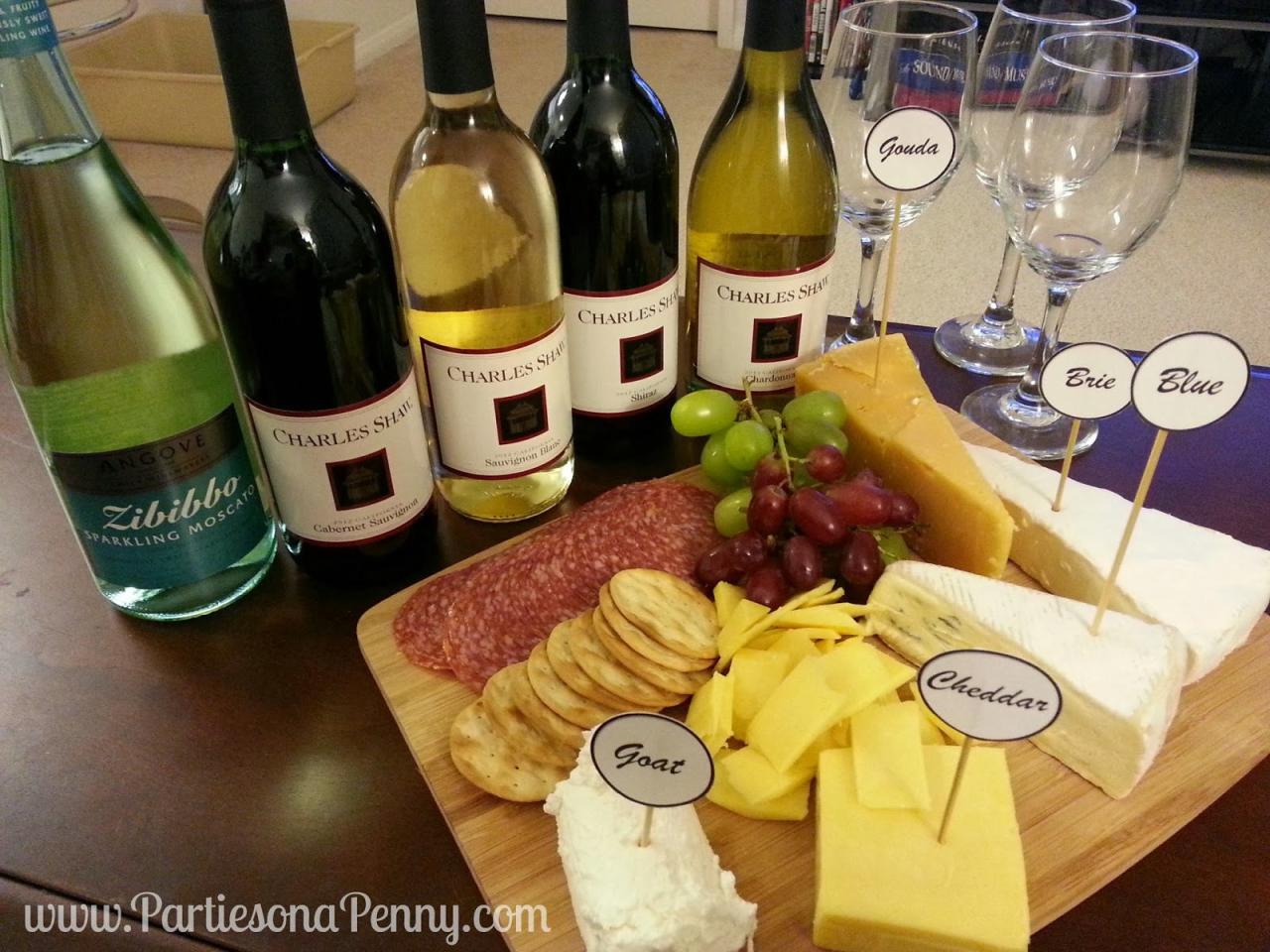
To successfully pair your homemade cheese with wine, you need a solid understanding of the cheese itself. Different cheese varieties possess unique characteristics that dramatically influence their flavor profiles and, consequently, their ideal wine partners. This section will delve into the key categories of cheese, exploring their distinct traits and providing guidance on wine pairings.
Soft Cheeses and Their Wine Pairings
Soft cheeses are known for their creamy textures and delicate flavors, ranging from mild to pungent. Their high moisture content and often bloomy rinds contribute to their characteristic mouthfeel.For example:
- Brie: This classic cheese is characterized by its buttery, earthy flavors. The rind, often edible, adds a slightly mushroomy note. Brie’s delicate nature calls for wines that won’t overpower its subtlety.
- Ideal Wine Pairings: A crisp, dry white wine like a Sauvignon Blanc or a sparkling wine like Champagne or Prosecco complements brie beautifully, cutting through the richness and enhancing the creamy texture. Light-bodied reds, such as Pinot Noir, can also work well, offering a gentle counterpoint.
- Camembert: Similar to brie, Camembert has a more intense flavor, often with a slightly barnyardy aroma.
- Ideal Wine Pairings: A slightly bolder wine is often preferred with Camembert. A dry Rosé or a light-bodied red like Beaujolais can provide a good balance. A crisp cider can also be a good pairing.
- Other Soft Cheeses: Consider other soft cheeses such as fresh goat cheese (chèvre) and triple-creme cheeses. Chèvre pairs well with Sauvignon Blanc due to its acidity, while triple-creme cheeses are excellent with sparkling wines.
Hard Cheeses and Suitable Wine Companions
Hard cheeses, aged for extended periods, develop complex flavors and firm textures. The aging process concentrates flavors, resulting in a wide range of tastes, from mild and nutty to sharp and savory.For example:
- Cheddar: This versatile cheese offers a spectrum of flavors depending on its age. Younger cheddar is milder, while aged cheddar becomes sharper and more intense.
- Ideal Wine Pairings: For younger cheddar, a medium-bodied red like Merlot or a dry Rosé works well. Older, sharper cheddar benefits from a bolder red wine, such as Cabernet Sauvignon or a full-bodied Chardonnay.
- Parmesan: A hard, granular cheese with a salty, nutty flavor.
- Ideal Wine Pairings: Parmesan pairs well with full-bodied red wines like Barolo or Chianti Classico, which can stand up to its strong flavor. Alternatively, a dry, crisp white wine like a Vermentino can provide a refreshing contrast.
- Other Hard Cheeses: Consider other hard cheeses such as Gouda and Gruyère. Gouda pairs well with medium-bodied reds like Pinot Noir or Zinfandel, while Gruyère complements dry white wines or lighter red wines.
Best Wines for Blue Cheeses
Blue cheeses, characterized by their distinctive blue-green veins, are known for their strong, often pungent flavors. These cheeses can be salty, creamy, and intensely flavorful.For example:
- Gorgonzola: A creamy, veined Italian cheese with a slightly sweet and piquant flavor.
- Ideal Wine Pairings: The classic pairing for Gorgonzola is a sweet dessert wine, such as Sauternes or a late-harvest Riesling. The sweetness of the wine balances the cheese’s saltiness and intensity. A tawny port also makes a great pairing.
- Stilton: A firm, blue-veined English cheese with a powerful, complex flavor.
- Ideal Wine Pairings: Similar to Gorgonzola, Stilton pairs well with sweet dessert wines, particularly Port. The sweetness of the wine complements the cheese’s strong flavors.
- Other Blue Cheeses: Consider other blue cheeses such as Roquefort. Roquefort, a sheep’s milk blue cheese, pairs wonderfully with Sauternes or a sweet wine from the southwest of France.
Flavor Profiles and Wine Pairing Suggestions for Fresh Cheeses
Fresh cheeses are unaged and characterized by their high moisture content and mild, often milky flavors. They are typically soft, spreadable, and have a clean, refreshing taste.For example:
- Ricotta: A creamy, slightly sweet cheese made from whey.
- Ideal Wine Pairings: Ricotta pairs well with light-bodied, crisp white wines, such as Pinot Grigio or a dry Rosé. These wines complement the cheese’s delicate flavor without overpowering it.
- Mozzarella: A soft, white cheese with a mild, milky flavor.
- Ideal Wine Pairings: Fresh mozzarella is best paired with crisp, dry white wines like Sauvignon Blanc or a light-bodied red like a Beaujolais. These wines enhance the cheese’s freshness.
- Other Fresh Cheeses: Consider other fresh cheeses such as cottage cheese and mascarpone. Cottage cheese pairs well with light, dry white wines or Rosé, while mascarpone is delicious with sparkling wines or a sweet dessert wine.
Wine Styles to Consider
Pairing wine with homemade cheese is a delightful experience, but understanding the different wine styles and their characteristics is crucial for a successful match. The world of wine offers a vast array of flavors, acidity levels, and sweetness, all of which interact uniquely with the diverse profiles of homemade cheeses. Knowing which wine styles complement which cheeses can elevate your tasting experience and enhance the flavors of both.
Suitable Wine Styles
When selecting wines for cheese pairings, consider the following styles, each offering a distinct set of characteristics that can beautifully complement different cheese varieties.
- Dry Whites: Crisp and refreshing, dry white wines often pair well with fresh and soft cheeses due to their acidity.
- Light Reds: These wines typically have lower tannins and are versatile enough to pair with a range of cheeses, including semi-hard and some soft cheeses.
- Medium-Bodied Reds: With more structure and tannins, these wines can handle richer, more flavorful cheeses.
- Full-Bodied Reds: These robust wines, often with higher tannins, are best suited for hard, aged cheeses.
- Rosé: A versatile choice, rosé wines offer a balance of fruitiness and acidity, making them suitable for various cheese types.
- Dessert Wines: Sweet wines like Sauternes or Port are perfect for pairing with blue cheeses or other intensely flavored cheeses.
- Sparkling Wines: The effervescence and acidity of sparkling wines make them a great match for a variety of cheeses, from creamy to aged.
Wine Style Characteristics
Understanding the flavor profiles of different wine styles is key to successful cheese pairings. The following table illustrates the characteristics of several wine styles, along with examples of wine types:
| Wine Style | Flavor Profile | Example Wine Types | Cheese Pairing Suggestions |
|---|---|---|---|
| Dry Whites | Crisp, refreshing, citrusy, often with notes of green apple or pear. High acidity. | Sauvignon Blanc, Pinot Grigio, Albariño | Fresh goat cheese, feta, ricotta |
| Light Reds | Light-bodied, fruity, often with notes of red berries. Lower tannins. | Pinot Noir, Gamay | Brie, Camembert, young cheddar |
| Medium-Bodied Reds | More structure than light reds, with notes of red and black fruit. Moderate tannins. | Chianti, Merlot, Zinfandel | Gouda, Gruyère, aged cheddar |
| Full-Bodied Reds | Rich, complex, with notes of dark fruit, spice, and often oak. High tannins. | Cabernet Sauvignon, Syrah/Shiraz, Barolo | Aged Gouda, Parmesan, Stilton |
| Rosé | Fruity, with notes of strawberry, raspberry, and often citrus. Balanced acidity. | Provence Rosé, White Zinfandel | Manchego, Havarti, Swiss |
| Dessert Wines | Sweet, often with notes of honey, apricot, or caramel. High sugar content. | Sauternes, Port, Ice Wine | Blue cheese (Roquefort, Gorgonzola), aged cheddar |
| Sparkling Wines | Effervescent, with varying degrees of dryness and fruitiness. High acidity. | Champagne, Prosecco, Cava | Brie, goat cheese, Gruyère |
Importance of Acidity, Tannins, and Sweetness
Three key elements play a crucial role in wine and cheese pairings: acidity, tannins, and sweetness. Their interaction determines the overall harmony of the pairing.
- Acidity: The acidity in wine cuts through the richness and fat of cheese, cleansing the palate and preventing the pairing from becoming cloying. High-acid wines are excellent with creamy cheeses, as they provide a refreshing counterpoint.
- Tannins: Tannins, found primarily in red wines, bind with the proteins in cheese, creating a drying sensation. They can be a great complement to rich cheeses, but too much tannin can overpower softer cheeses.
For example, a Cabernet Sauvignon with high tannins can pair well with a hard, aged cheddar, as the tannins will cut through the cheese’s richness.
- Sweetness: Sweetness in wine balances the saltiness and intensity of many cheeses. Sweet wines often work beautifully with blue cheeses, creating a harmonious blend of flavors.
A Sauternes, a sweet dessert wine, is a classic pairing with Roquefort, as the sweetness tames the blue cheese’s sharpness.
Sparkling Wines and Cheese
Sparkling wines are incredibly versatile and pair well with a wide range of cheeses. Their effervescence and acidity provide a refreshing contrast to the richness of cheese, while their varying levels of dryness and fruitiness offer diverse pairing options.
- Champagne and Brie: The bubbles and acidity of Champagne cut through the creamy texture of Brie, while the wine’s subtle fruit notes complement the cheese’s flavor.
- Prosecco and Goat Cheese: The light, fruity character of Prosecco pairs beautifully with the tanginess of goat cheese.
- Cava and Manchego: Cava’s crispness and citrusy notes provide a refreshing counterpoint to the nutty and slightly salty flavors of Manchego.
Matching Cheese and Wine: A Practical Guide

Pairing cheese and wine is an art form, but it’s also a science. Understanding the interaction between flavors, textures, and aromas is key to creating a successful pairing. This guide provides a practical, step-by-step approach to help you confidently select the perfect wine to complement your homemade cheese.
Step-by-Step Cheese and Wine Pairing Procedure
The following steps offer a structured approach to pairing cheese with wine, ensuring a harmonious experience.
- Assess the Cheese: Begin by evaluating the cheese’s texture (soft, semi-hard, hard) and intensity (mild, medium, strong). Consider its aroma and dominant flavor profiles (nutty, earthy, fruity, tangy).
- Consider the Wine’s Characteristics: Identify the wine’s primary characteristics, including its body (light, medium, full), acidity, sweetness, and tannins.
- Match Intensity: Generally, pair mild cheeses with lighter-bodied wines and stronger cheeses with fuller-bodied wines. This helps to prevent either the cheese or the wine from overpowering the other.
- Consider Textural Harmony: Creamy cheeses often pair well with wines that have high acidity or effervescence, which can cut through the richness. Harder cheeses benefit from wines with tannins that can cleanse the palate.
- Flavor Complementarity: Look for flavor profiles that complement each other. For example, a cheese with a nutty flavor may pair well with a wine that has a hint of hazelnut or almond.
- Experiment and Refine: The best way to learn is by trying different pairings. Keep notes on your experiences and adjust your selections based on your preferences.
Balancing Flavors in Cheese and Wine Pairings
Balancing flavors is essential for a successful pairing. The goal is to create a synergy where the cheese and wine enhance each other’s qualities.
Avoid pairings where the cheese overpowers the wine, leaving the wine tasting thin or bitter. Similarly, prevent the wine from masking the cheese’s delicate flavors.
Key strategies include:
- Acidity and Richness: High-acid wines cut through the richness of creamy cheeses, creating a refreshing contrast.
- Tannins and Fat: Tannins in red wines bind with the fat in cheese, which can reduce the perception of bitterness in the wine and cleanse the palate.
- Sweetness and Saltiness: Sweet wines can balance the saltiness in cheeses, providing a balanced experience.
- Flavor Profiles: Matching flavor profiles can enhance the overall experience. For example, a cheese with fruity notes may pair well with a wine with similar characteristics.
Cheese and Wine Pairing Examples
The following examples illustrate common cheese and wine pairings, providing a starting point for your own explorations.
- Brie and Champagne: The creamy texture of Brie is beautifully balanced by the acidity and effervescence of Champagne. The bubbles cleanse the palate, and the subtle flavors complement each other.
- Cheddar and Cabernet Sauvignon: The firm texture and often nutty and sharp flavors of Cheddar find a good partner in Cabernet Sauvignon. The tannins in the wine cut through the cheese’s fat, while the wine’s fruitiness complements the cheese’s savory notes.
- Goat Cheese and Sauvignon Blanc: The tangy, fresh flavor of goat cheese is enhanced by the bright acidity and citrus notes of Sauvignon Blanc. The wine’s herbal undertones also harmonize with the cheese.
- Gouda and Merlot: The nutty, caramel-like notes of Gouda pair well with the medium body and soft tannins of Merlot. The wine’s fruitiness complements the cheese’s complex flavors.
- Blue Cheese and Port: The strong, salty, and pungent flavors of blue cheese are perfectly balanced by the sweetness and richness of Port wine. The sweetness of the port mellows the cheese’s intensity.
Considering Wine Age and Vintage
The age and vintage of a wine can significantly impact its pairing potential. Older wines often have more complex flavor profiles and softer tannins, while younger wines can be more vibrant and fruit-forward.
Here are some considerations:
- Older Wines: Older wines, particularly red wines, often have more subtle flavors and softer tannins. They may pair well with cheeses that have a similar level of complexity and less intensity. Consider pairing a well-aged Barolo with a mature Gruyère.
- Younger Wines: Younger wines often have bolder fruit flavors and higher acidity. They are well-suited for pairing with younger, fresher cheeses or cheeses with higher acidity. Consider pairing a crisp Sauvignon Blanc with a fresh goat cheese.
- Vintage Variation: Vintage variation impacts the wine’s characteristics. A warmer vintage might produce a richer, more full-bodied wine, while a cooler vintage might produce a lighter, more acidic wine. Pay attention to vintage charts and reviews when selecting a wine for pairing. For example, a warmer vintage of Cabernet Sauvignon might pair better with a more robust cheddar than a cooler vintage.
Common Cheese and Wine Pairings and Why They Work
Exploring the world of cheese and wine pairings unveils a fascinating interplay of flavors, textures, and aromas. Understanding why certain combinations work so well enhances the enjoyment of both the cheese and the wine. This section will delve into classic pairings, the science behind them, and some less-conventional matches that offer equally delightful experiences.
Classic Cheese and Wine Pairings
Several cheese and wine pairings have become iconic due to their harmonious balance. These pairings are often considered the gold standard and provide a solid foundation for exploring other combinations.
- Goat Cheese and Sauvignon Blanc: This is a quintessential pairing. The crisp acidity of Sauvignon Blanc cuts through the creamy tanginess of goat cheese. The wine’s herbaceous notes complement the cheese’s fresh, grassy flavors.
- Brie and Champagne: The richness and creaminess of Brie are beautifully balanced by the bubbles and acidity of Champagne. The effervescence cleanses the palate, preparing it for the next bite of cheese.
- Cheddar and Cabernet Sauvignon: The bold tannins of Cabernet Sauvignon pair well with the sharpness and nutty flavors of aged cheddar. The wine’s structure stands up to the cheese’s intensity.
- Gouda and Merlot: The caramel and nutty notes of Gouda find a perfect match in the softer tannins and fruity characteristics of Merlot. The wine’s subtle sweetness complements the cheese’s complexity.
- Roquefort and Sauternes: The salty, pungent flavors of Roquefort, a blue cheese, are wonderfully offset by the sweetness and honeyed notes of Sauternes, a dessert wine. The sweetness of the wine helps to balance the intensity of the cheese.
The Science Behind the Pairings
The success of cheese and wine pairings often lies in the chemical reactions that occur when the two are consumed together. These reactions can enhance the flavors and textures of both the cheese and the wine.
- Acidity and Fat: The acidity in wine, particularly in white wines like Sauvignon Blanc, helps to cut through the fat in cheese, cleansing the palate and preventing the cheese from becoming overly rich.
- Tannins and Protein: The tannins in red wines bind with the proteins in cheese, softening the tannins and creating a smoother mouthfeel. This is why a Cabernet Sauvignon pairs well with cheddar.
- Sweetness and Salt: Sweet wines can balance the saltiness of cheeses, especially blue cheeses. The sweetness of Sauternes, for instance, complements the intense saltiness of Roquefort.
- Aroma and Flavor Profiles: The aromas and flavor profiles of the wine and cheese should complement each other. For example, the grassy notes of Sauvignon Blanc enhance the fresh flavors of goat cheese.
Here are some examples of how specific wine characteristics enhance the cheese experience:
- Acidity in Sauvignon Blanc: Provides a refreshing counterpoint to the richness of goat cheese, cleansing the palate.
- Tannins in Cabernet Sauvignon: Soften the mouthfeel of cheddar, creating a smoother experience.
- Sweetness in Sauternes: Balances the saltiness and pungency of Roquefort, enhancing its complexity.
Lesser-Known Pairings
While classic pairings are well-established, exploring less-conventional combinations can lead to exciting discoveries. These pairings may not be as widely known, but they offer unique and enjoyable experiences.
- Manchego and Sherry: The nutty and slightly salty flavors of Manchego cheese are beautifully complemented by the dry, nutty, and sometimes oxidative notes of Sherry, particularly Fino or Amontillado styles. This pairing is common in Spain and showcases regional harmony.
- Comté and Vin Jaune: Comté, a hard, nutty cheese from France, finds a perfect match in Vin Jaune, a Jura wine aged in oak barrels. The complex, oxidative flavors of the wine mirror the cheese’s nutty and savory notes, creating a rich and satisfying experience.
- Taleggio and Gewürztraminer: The earthy, slightly pungent flavors of Taleggio cheese are enhanced by the aromatic, off-dry Gewürztraminer. The wine’s floral notes and slight sweetness balance the cheese’s intensity.
- Gruyère and Pinot Noir: The savory, nutty, and slightly sweet notes of Gruyère are enhanced by the earthy and fruity notes of Pinot Noir. The wine’s lighter body and balanced acidity won’t overwhelm the cheese.
Beyond the Basics: Exploring Advanced Pairings
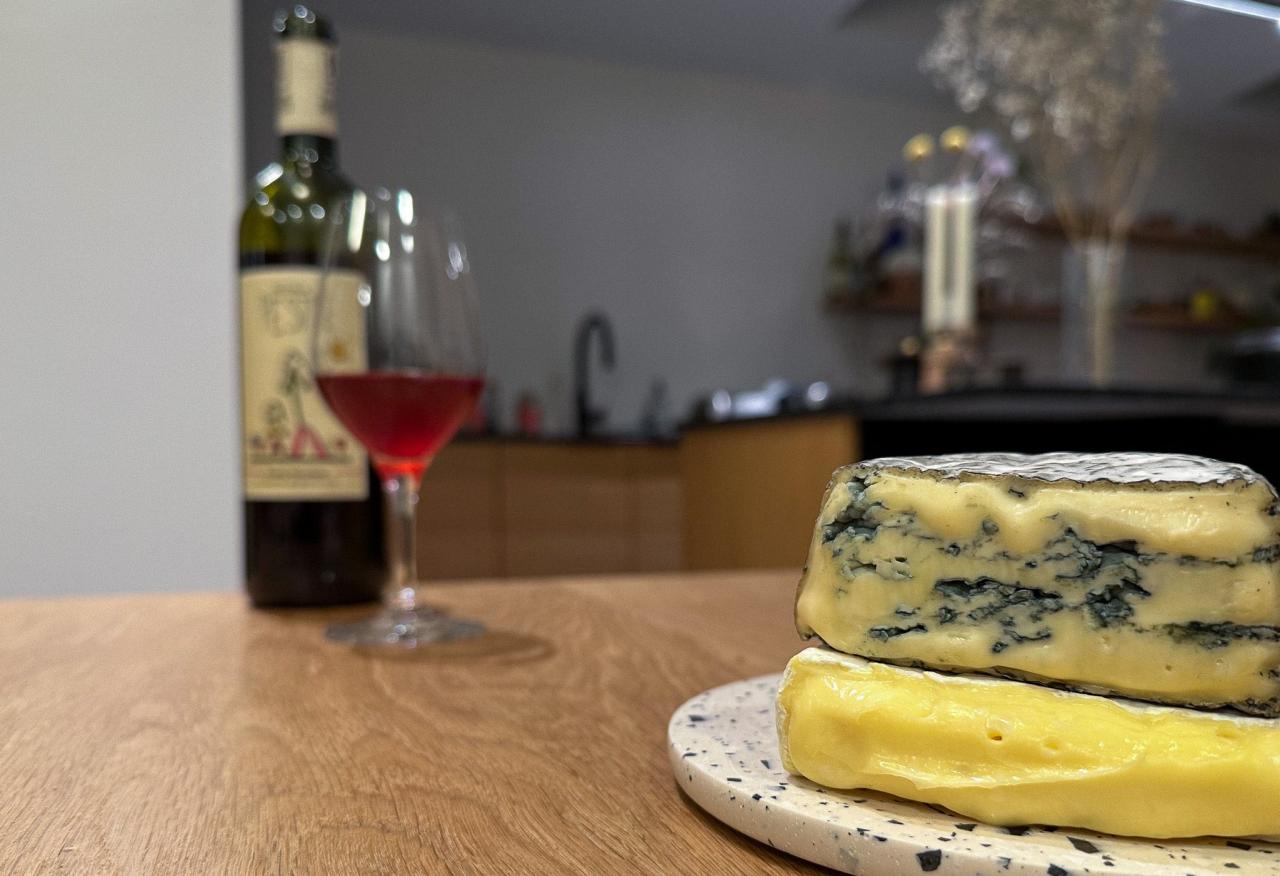
Pairing cheese and wine is an art, and as you become more experienced, you’ll want to explore pairings that go beyond the familiar. This section delves into more complex combinations, offering guidance on how to create truly memorable cheese and wine experiences. We’ll explore the world of fortified wines, regional influences, non-traditional wines, and how to design your own tasting events.
Pairing Cheese with Fortified Wines
Fortified wines, with their higher alcohol content and often richer flavors, present unique pairing opportunities. Their sweetness and complexity can complement a wide range of cheeses.
- Port: Ruby Port, with its fruity sweetness, is a classic match for Stilton and other blue cheeses. The sweetness cuts through the cheese’s sharpness, creating a balanced experience. Tawny Port, with its nutty and caramel notes, pairs well with aged cheddar, Gouda, or even a creamy Brie. The complex flavors of the port echo the aged cheese’s profile.
- Sherry: Fino Sherry, with its dry and salty character, is surprisingly versatile. It can cleanse the palate alongside Manchego cheese. Amontillado Sherry, with its nutty and oxidative notes, complements aged cheeses like Comté. Oloroso Sherry, with its richer, more complex flavors, is a great match for aged cheddars and other hard cheeses. The savory notes of the sherry enhance the cheese’s complexity.
- Madeira: This fortified wine, known for its longevity and diverse flavor profiles, offers interesting pairing possibilities. Sercial Madeira, the driest style, can work with aged cheddar. Bual Madeira, with its sweeter notes, complements blue cheeses and rich, creamy cheeses. Malmsey Madeira, the sweetest style, is a decadent match for blue cheeses and chocolate desserts.
Comparing and Contrasting Pairings Based on Regional Influences
Regional pairings often reflect the culinary traditions of a specific area, showcasing how the local cheese and wine complement each other.
- France: French pairings are a classic example of regional harmony. Consider the Loire Valley, where goat cheese like Sancerre or Crottin de Chavignol is often paired with Sauvignon Blanc. In Burgundy, the rich, earthy flavors of Epoisses cheese are beautifully balanced by a Burgundy Pinot Noir. These pairings have developed over centuries, reflecting the terroir of the region.
- Italy: Italian pairings offer a wealth of options. The robust flavors of Parmigiano-Reggiano cheese are often paired with a Barolo or Barbaresco wine from Piedmont. In Tuscany, Pecorino cheese pairs well with a Chianti Classico. The acidity of the wine cuts through the richness of the cheese.
- Spain: Spanish pairings are also incredibly diverse. Manchego cheese from La Mancha region is often paired with Rioja wines, with their fruit-forward flavors and moderate tannins. In the Basque Country, Idiazabal cheese pairs well with Txakoli, a slightly sparkling, dry white wine.
Pairing Cheese with Non-Traditional Wines
Expanding your horizons to include non-traditional wines can lead to exciting discoveries.
- Orange Wines: These wines, made by macerating white grapes with their skins, offer a unique profile of tannins and oxidative notes. They pair well with cheeses that have a bit of age and complexity, such as Gruyère, aged Gouda, or even a pungent washed-rind cheese. The tannins in the wine can cut through the richness of the cheese, while the oxidative notes complement the cheese’s flavors.
- Sake: Sake, a Japanese rice wine, offers a wide range of styles, from dry to sweet. Dry sake can pair well with fresh cheeses like mozzarella or ricotta. Junmai Daiginjo sake, with its delicate flavors, can complement milder cheeses. Richer styles of sake, such as Nigori (unfiltered sake), can pair with stronger cheeses like blue cheese.
- Other Considerations: Experimenting with other wines like natural wines, biodynamic wines, and even sparkling wines made from unusual grapes can provide fascinating pairings. Consider the wine’s acidity, tannins, and sweetness when making your selections.
Creating a Cheese and Wine Tasting Experience
Designing a cheese and wine tasting experience allows you to explore pairings in a structured and enjoyable way.
- Planning the Tasting: Start by selecting a variety of cheeses, ranging in texture and flavor. Include a selection of wines that complement the cheeses. Consider a theme, such as regional pairings or a focus on specific wine styles.
- Arranging the Cheese Board: Arrange the cheeses on a board, from mildest to strongest. Provide separate knives for each cheese to prevent flavor contamination. Include accompaniments like crackers, bread, fruit, nuts, and preserves to cleanse the palate and enhance the pairings.
- Serving the Wine: Serve the wines in the correct glassware at the appropriate temperature. Start with lighter-bodied wines and progress to fuller-bodied ones. Provide tasting notes or information about each wine and cheese to guide your guests.
- Tasting Process: Encourage guests to taste the cheese first, then the wine. Consider the flavors and textures of both, and how they interact. Discuss the pairings and share your observations.
- Example Tasting Experience: A tasting could feature a soft cheese (e.g., Brie) paired with a crisp Sauvignon Blanc, a semi-hard cheese (e.g., Gruyère) with a Pinot Noir, a hard cheese (e.g., aged cheddar) with a Tawny Port, and a blue cheese (e.g., Stilton) with a sweet Sauternes. This provides a diverse range of pairings to explore.
Serving and Presentation Tips
Presenting cheese and wine beautifully elevates the entire tasting experience, transforming a simple snack into a sophisticated event. Thoughtful arrangement and preparation not only enhance the visual appeal but also allow the flavors and aromas to shine. Here’s how to create a cheese board and serve your pairings like a pro.
Arranging a Cheese Board
A well-designed cheese board is a feast for the eyes as well as the palate. The goal is to create a visually appealing and accessible arrangement that encourages exploration and enjoyment.
- Choose a Board: Select a board that complements your style. Wood boards offer a rustic charm, while marble or slate boards provide a sleek, modern look. The size should be appropriate for the number of cheeses and accompaniments.
- Arrange Cheeses: Place cheeses with different textures, colors, and shapes in a way that’s both attractive and functional. Consider the “clock method”: arrange cheeses around the board, starting with the mildest flavor and progressing to the strongest.
- Consider Color and Texture: Contrast is key. Pair creamy, pale cheeses with firmer, darker cheeses. Include cheeses with different textures, from soft and spreadable to hard and crumbly.
- Add Accompaniments: Place crackers, bread, fruits, nuts, and other accompaniments strategically around the cheeses. Consider placing them near the cheeses they best complement.
- Label the Cheeses: Clearly label each cheese to help guests identify them and understand their characteristics. Small cheese markers or handwritten labels work well.
Illustrative Image Descriptions:
Cheese Board Arrangement 1: A rectangular wooden board featuring a diverse selection of cheeses. A wheel of brie, with its creamy, pale rind, is placed prominently, next to a wedge of sharp cheddar, its golden hue providing a contrast. Crumbled blue cheese, displaying a vibrant blue veining, sits near a semi-hard cheese, which is a deep orange. Garnishes include sprigs of rosemary, clusters of red grapes, and a small bowl of honey, adding pops of green, red, and gold.
Cheese Board Arrangement 2: A circular slate board with a selection of cheeses arranged in a clockwise fashion, from mild to strong. A soft, white-rinded goat cheese sits near a dark, aged gouda, its crystals visible. A slice of Gruyère, showcasing its pale yellow color, is paired with a portion of a rich, chocolate-colored cheese. Accompaniments include toasted baguette slices, walnuts, dried apricots, and a small dish of fig jam, creating a spectrum of colors and textures.
Proper Serving Temperatures for Cheese and Wine
Temperature plays a crucial role in how cheese and wine taste. Serving them at the correct temperature allows their flavors and aromas to fully develop and be appreciated.
- Cheese: Allow cheese to come to room temperature (approximately 68-72°F or 20-22°C) for about an hour before serving. This allows the fats to soften and the flavors to bloom. Softer cheeses should be brought to room temperature for a shorter period, while harder cheeses can benefit from a longer time.
- Wine: Wine should be served at the recommended temperature for its style. White and rosé wines are typically served chilled (45-55°F or 7-13°C), while red wines are often served slightly cooler than room temperature (55-65°F or 13-18°C). Consider using a wine thermometer to ensure the correct temperature.
Example: A study by the Wine & Spirit Education Trust (WSET) found that serving a Sauvignon Blanc at 50°F (10°C) can significantly enhance its crisp acidity and aromatic qualities compared to serving it at a warmer temperature.
Garnishes and Accompaniments
Garnishes and accompaniments are essential for enhancing the cheese and wine experience. They add visual appeal, complement flavors, and provide textural contrast.
- Fruits: Fresh fruits like grapes, berries, apple slices, and pear slices offer sweetness and acidity to balance rich cheeses. Dried fruits such as figs, dates, and apricots provide concentrated sweetness and chewy textures.
- Nuts: Nuts like walnuts, almonds, and pecans provide a crunchy texture and nutty flavors that complement many cheeses.
- Crackers and Bread: Offer a variety of crackers and bread to provide different textures and flavors. Plain crackers are good for tasting the cheese on its own, while flavored crackers or bread can add complexity.
- Condiments: Jams, honey, chutneys, and mustards can add sweetness, tang, or spice to complement the cheese and wine.
- Herbs and Spices: Fresh herbs like rosemary, thyme, and basil can add aromatic notes. Spices like black pepper or paprika can add a touch of heat.
Example: Pairing a sharp cheddar with apple slices, walnuts, and a drizzle of honey is a classic combination that balances the cheese’s sharpness with sweetness, crunch, and creaminess. A triple cream cheese pairs well with fresh berries and a glass of crisp, chilled Prosecco.
End of Discussion
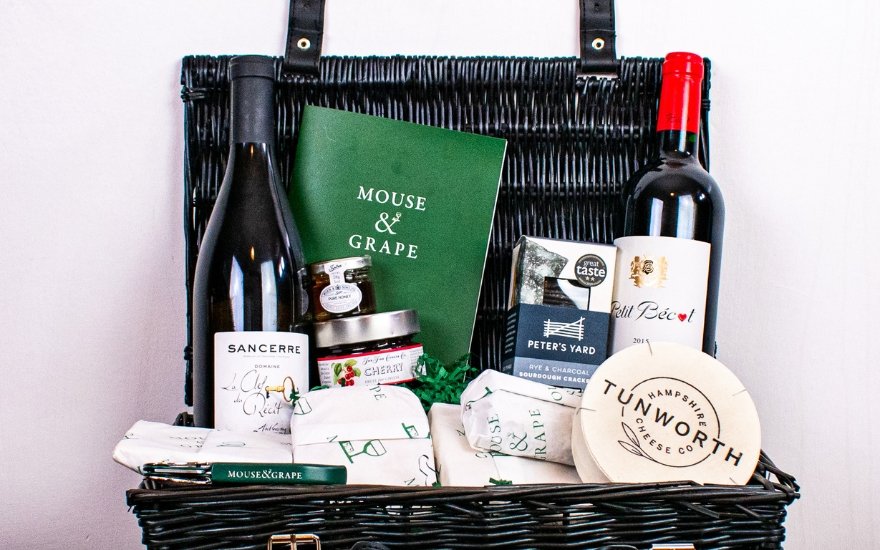
In conclusion, mastering the art of pairing homemade cheese with the right wine is a rewarding experience that enriches both the palate and the social experience. From understanding cheese varieties to exploring wine styles and mastering serving techniques, this guide has provided you with the tools to confidently create pairings that will delight and impress. So, gather your favorite cheeses, uncork a bottle of wine, and embark on a delicious adventure of discovery!