How to Pasteurize Raw Milk Safely at Home is a crucial skill for anyone interested in the benefits of raw milk while mitigating potential health risks. This guide dives into the process, offering a detailed roadmap to transform raw milk into a safe and delicious product you can enjoy at home. We’ll explore the differences between raw and pasteurized milk, the science behind the process, and the equipment you’ll need.
This comprehensive guide will walk you through everything from understanding the legal landscape surrounding raw milk to mastering the step-by-step process of pasteurization. We’ll cover essential equipment, safety precautions, troubleshooting tips, and alternative methods, empowering you to make informed decisions and enjoy the wholesome goodness of pasteurized milk with confidence. You’ll learn the importance of sanitation, proper storage, and how to identify and avoid common pitfalls.
Understanding Raw Milk and Pasteurization
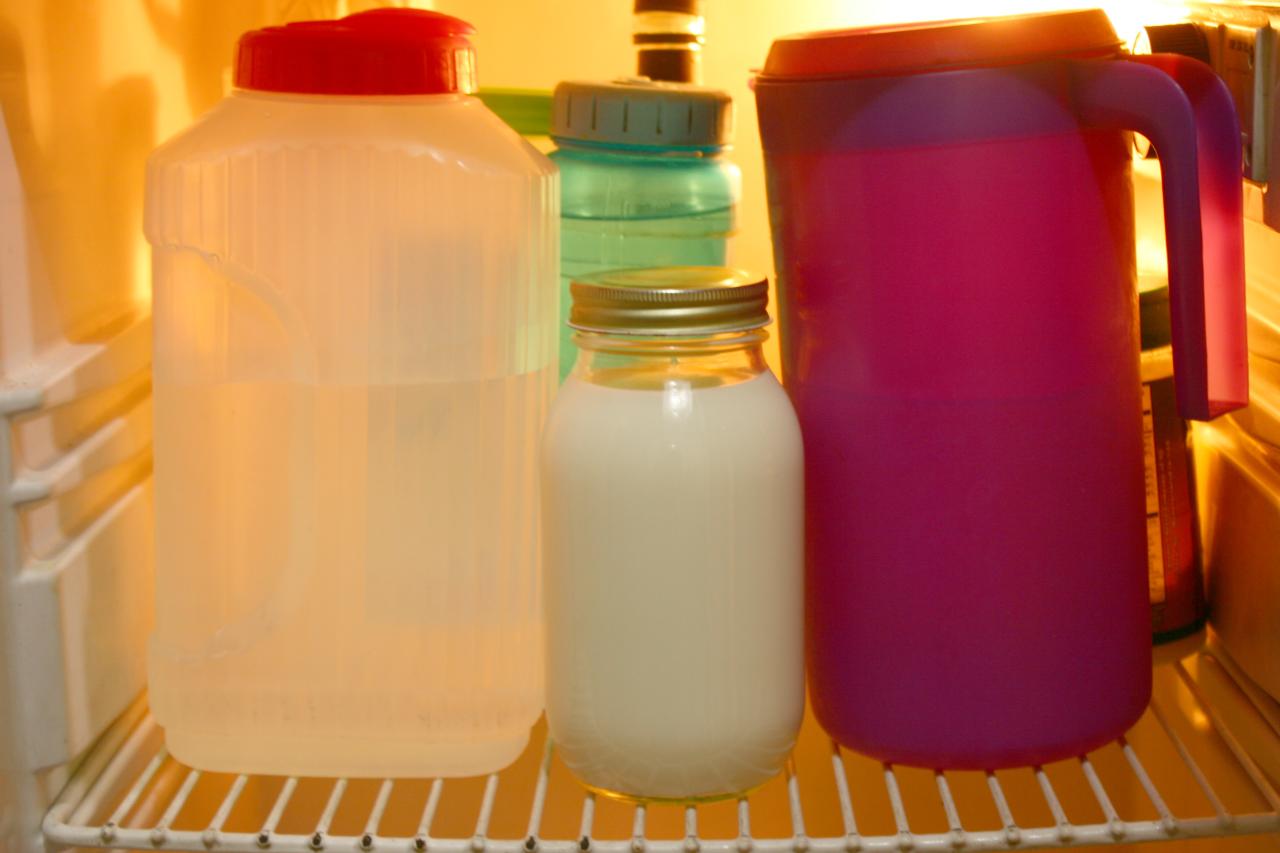
Raw milk, also known as unpasteurized milk, is milk that has not been heated to kill harmful bacteria. Pasteurization, on the other hand, is a heat treatment process designed to eliminate these bacteria, making milk safer for consumption. Understanding the differences between raw and pasteurized milk, along with the associated risks and regulations, is crucial for making informed choices about what you consume.
Raw Milk vs. Pasteurized Milk: A Comparison
The primary difference lies in the processing method. Raw milk comes directly from the animal and has not undergone any heat treatment. Pasteurized milk, however, has been heated to a specific temperature for a set time to kill pathogens.
Here’s a breakdown of the pros and cons:
- Raw Milk Pros: Some proponents claim raw milk offers potential benefits like improved digestion due to the presence of natural enzymes, and a richer flavor profile. It’s also argued that it contains beneficial bacteria that are killed during pasteurization. However, these benefits are not scientifically proven and are often debated.
- Raw Milk Cons: The significant risk of raw milk lies in the potential presence of harmful bacteria such as Salmonella, E. coli, Listeria, and Campylobacter. These can cause severe illness, including food poisoning, and can be especially dangerous for vulnerable populations like children, pregnant women, the elderly, and individuals with weakened immune systems.
- Pasteurized Milk Pros: The primary benefit is safety. Pasteurization effectively eliminates most harmful bacteria, significantly reducing the risk of foodborne illnesses. Pasteurized milk is widely available and has a long shelf life compared to raw milk.
- Pasteurized Milk Cons: Some argue that pasteurization can destroy beneficial enzymes and some vitamins. The heating process can also slightly alter the taste and texture of the milk.
Health Risks Associated with Raw Milk Consumption
Consuming raw milk carries several health risks due to the potential presence of harmful microorganisms.
The following are some of the health risks associated with raw milk consumption:
- Bacterial Infections: Raw milk can harbor various bacteria that cause illness.
- Salmonella: Causes symptoms like diarrhea, fever, and abdominal cramps.
- E. coli: Can cause severe abdominal cramps, bloody diarrhea, and vomiting; in severe cases, it can lead to kidney failure (Hemolytic Uremic Syndrome – HUS).
- Listeria: Can cause listeriosis, a serious infection that can be particularly dangerous for pregnant women, newborns, the elderly, and people with weakened immune systems, leading to fever, muscle aches, and sometimes meningitis.
- Campylobacter: Causes diarrhea, abdominal cramps, and fever.
- Parasitic Infections: Raw milk may contain parasites, although less common than bacterial contamination.
- Antibiotic Resistance: Raw milk can contribute to the spread of antibiotic-resistant bacteria if the animal from which the milk is derived was treated with antibiotics.
Pasteurization effectively mitigates these risks by:
- Killing Harmful Bacteria: The heat treatment process destroys the pathogens, making the milk safe for consumption.
- Reducing the Risk of Illness: By eliminating harmful bacteria, pasteurization significantly lowers the chances of contracting foodborne illnesses.
- Improving Public Health: Pasteurization has been a major public health achievement, reducing the incidence of milk-related illnesses.
Legal Regulations Surrounding Raw Milk
Raw milk regulations vary significantly by region. Understanding the legal status in your area is crucial to avoid legal issues and ensure you are consuming milk safely.
Here’s a table summarizing the legal status of raw milk in different regions:
| Region | Legal Status | Restrictions | Relevant Links |
|---|---|---|---|
| United States (varies by state) | Varies widely: Legal for retail sale in some states, legal for on-farm sales only in others, illegal in others. | Restrictions may include labeling requirements, permit requirements, limits on sales volume, and testing requirements. | Real Milk: Raw Milk Regulations by State |
| European Union (varies by country) | Generally legal for direct sale from the farm, but often with strict hygiene and labeling requirements. Retail sales are often pasteurized. | Restrictions on hygiene standards, labeling (e.g., “raw milk for consumption”), and farm inspections. | European Commission: Milk Safety |
| Canada (varies by province) | Mostly illegal for retail sale, but some provinces allow on-farm sales or direct sales to consumers. | Restrictions include strict hygiene standards, testing, and labeling requirements. Sales are generally limited to the province of origin. | Canadian Food Inspection Agency: Milk and Dairy Products |
| Australia (varies by state) | Generally illegal for retail sale, but some states permit limited sales, often with stringent regulations. | Restrictions include specific labeling requirements, testing protocols, and on-farm hygiene standards. | Food Standards Australia New Zealand |
Disclaimer: Regulations are subject to change. Always consult the most current official sources for accurate and up-to-date information. The links provided are for informational purposes only and do not constitute legal advice.
Equipment Needed for Home Pasteurization
Pasteurizing raw milk safely at home requires specific equipment to ensure accurate temperature control and prevent contamination. Using the right tools is crucial for a successful and safe pasteurization process, minimizing the risk of foodborne illnesses. This section details the essential equipment needed and their functions.
Pasteurization Vessel
The pasteurization vessel is where the milk is heated. The choice of vessel impacts the evenness of heating and the ease of temperature control.
- Stainless Steel Pot: A stainless steel pot is an excellent choice due to its durability and resistance to rust. It’s also non-reactive, meaning it won’t interact with the milk and alter its flavor. Choose a pot with a heavy bottom to ensure even heat distribution and prevent scorching. The size of the pot should be appropriate for the amount of milk you typically pasteurize.
- Double Boiler: A double boiler provides a gentler heating method. It consists of two pots: one that holds water and another that sits on top, containing the milk. The water in the lower pot is heated, creating steam that gently heats the milk in the upper pot. This method is particularly useful for preventing scorching and ensuring a more consistent temperature.
Heat Source
The heat source provides the energy needed to raise the milk’s temperature to the pasteurization level. The choice of heat source impacts the speed and control of the heating process.
- Stovetop: A stovetop, whether gas or electric, is a common and readily available heat source. It allows for relatively good control over the heating process, particularly with a heavy-bottomed pot. However, it requires careful monitoring to prevent overheating or scorching.
- Induction Cooktop: Induction cooktops offer precise temperature control and rapid heating. They heat the pot directly, making them very efficient. They also tend to be safer than other stovetop options, as the cooktop surface doesn’t get as hot.
Thermometer
Accurate temperature monitoring is critical for successful pasteurization. The thermometer allows you to track the milk’s temperature and ensure it reaches the required level for the correct duration.
- Digital Thermometer: Digital thermometers provide a quick and easy way to read the milk’s temperature. They typically offer a digital display and are easy to use. They can be calibrated to ensure accuracy.
- Instant-Read Thermometer: Instant-read thermometers offer a fast temperature reading, which is beneficial for quickly checking the milk’s temperature during the pasteurization process. Choose one with a long probe to reach the center of the milk.
- Calibration: Regularly calibrate your thermometer to ensure its accuracy. You can do this by placing the thermometer in boiling water (212°F or 100°C at sea level) and verifying that it reads the correct temperature. If it doesn’t, adjust it according to the manufacturer’s instructions or replace it.
- Accuracy Level: Aim for a thermometer with an accuracy of +/- 1°F or 0.5°C. This level of accuracy is sufficient for ensuring safe and effective pasteurization.
Cooling Bath
Rapidly cooling the milk after pasteurization prevents the growth of any remaining bacteria. A cooling bath is a simple and effective way to achieve this.
- Ice Water Bath: A large bowl or sink filled with ice water is ideal. Place the pot of pasteurized milk in the ice water bath immediately after heating and stir frequently to speed up the cooling process. The milk should be cooled to below 40°F (4.4°C) as quickly as possible.
Bottling Equipment
After pasteurization and cooling, the milk needs to be stored in clean containers to prevent recontamination.
- Clean Bottles or Containers: Use clean, food-grade bottles or containers for storing the pasteurized milk. Ensure they are thoroughly washed and sanitized before use. Glass bottles or food-grade plastic containers are suitable options.
- Sanitizing Solution: A sanitizing solution, such as a diluted bleach solution or a commercial food-grade sanitizer, can be used to sanitize bottles and containers before filling. Follow the manufacturer’s instructions for proper dilution and contact time.
The Science Behind Pasteurization
Pasteurization is a crucial process for ensuring the safety of raw milk, eliminating harmful pathogens while preserving its nutritional value to a significant extent. Understanding the science behind pasteurization is essential for anyone considering home pasteurization, allowing for informed decisions and safe practices. This section delves into the specific temperature and time parameters, different methods, and their impact on milk’s composition.
Temperature and Time Parameters for Pasteurization
The effectiveness of pasteurization hinges on the precise combination of temperature and time. These parameters are designed to eliminate pathogenic microorganisms, primarily bacteria, yeasts, and molds, that can cause illness. The goal is to achieve this without significantly altering the milk’s flavor or nutritional profile. Two primary methods are commonly used, each with its specific requirements:
- Low Temperature Long Time (LTLT) Pasteurization: This method involves heating milk to a lower temperature for a longer duration. Typically, milk is heated to 63°C (145°F) and held at that temperature for 30 minutes. This method is often preferred for home pasteurization due to the equipment requirements and the potential for less impact on milk flavor.
- High Temperature Short Time (HTST) Pasteurization: This method uses a higher temperature for a shorter time. Milk is rapidly heated to 72°C (161°F) and held at that temperature for 15 seconds. HTST is the most common method used in commercial dairies because it is a continuous process that allows for high throughput.
The rationale behind these specific parameters is rooted in the heat resistance of different microorganisms. While many bacteria are killed relatively quickly at lower temperatures, more resistant organisms, such as certain strains ofCoxiella burnetii* (the bacteria that causes Q fever), require higher temperatures or longer exposure times for inactivation. The parameters are designed to target these more resistant pathogens, ensuring a wide margin of safety.
Comparison of Pasteurization Methods
Different pasteurization methods offer varying advantages and disadvantages. The choice of method often depends on factors like equipment availability, desired shelf life, and the potential impact on milk flavor.
- LTLT (Low Temperature Long Time):
- Advantages: Simpler equipment requirements, potentially gentler on milk proteins and flavor.
- Disadvantages: Longer processing time, less suitable for large-scale operations, and may have a slightly shorter shelf life compared to HTST.
- HTST (High Temperature Short Time):
- Advantages: Faster processing time, suitable for large-scale operations, extended shelf life.
- Disadvantages: Requires more sophisticated equipment, potential for slight flavor changes (often described as a “cooked” flavor), and may denature some proteins.
Impact of Pasteurization on Milk’s Nutritional Content and Flavor
Pasteurization inevitably impacts the nutritional content and flavor of milk, though the extent of these changes depends on the method used.
- Nutritional Impact:
- Vitamins: Some water-soluble vitamins, particularly vitamin C and B vitamins, are susceptible to degradation by heat. However, the losses are generally small, especially with HTST. The levels of fat-soluble vitamins (A, D, E, and K) are largely unaffected.
- Proteins: While pasteurization can denature some milk proteins, making them easier to digest for some individuals, the overall impact on protein quality is minimal. Essential amino acids remain intact.
- Minerals: The mineral content of milk, including calcium and phosphorus, remains largely unchanged by pasteurization.
- Flavor Impact:
- LTLT: This method generally has a minimal impact on flavor.
- HTST: Can sometimes result in a slight “cooked” flavor due to the higher temperatures. This flavor is often subtle and may be less noticeable to those accustomed to pasteurized milk.
It’s important to remember that while pasteurization causes some changes, the benefits of eliminating harmful pathogens far outweigh the minor nutritional and flavor alterations. Pasteurization ensures milk is safe for consumption, especially for vulnerable populations such as children, the elderly, and those with weakened immune systems.
Step-by-Step Guide to Home Pasteurization

Pasteurizing raw milk at home can be a rewarding process, providing you with control over your food supply. However, it requires careful attention to detail and adherence to safety protocols. The Low Temperature, Long Time (LTLT) method is generally recommended for home use, as it is less likely to scorch the milk and maintains a better flavor profile compared to higher-temperature methods.
This guide provides a detailed, step-by-step procedure to ensure a safe and successful pasteurization process.
Preparing Your Equipment and Workspace
Before you begin, proper preparation is essential for a successful and safe pasteurization process. This involves sanitizing all equipment and setting up a clean workspace.
- Gather and Sanitize Equipment: Start by assembling all necessary equipment. This includes a stainless steel pot (at least 2 gallons for a typical batch), a thermometer (digital thermometers are highly recommended for accuracy), a stirring utensil (a stainless steel whisk or spoon), a heat source (stove or induction cooktop), and sanitized glass bottles or containers for storage.
- Sanitize Everything Thoroughly: Wash all equipment with hot, soapy water. Then, sanitize all equipment. For glass bottles, boiling them for 10 minutes is a reliable method. For other equipment, you can use a food-grade sanitizer solution, following the manufacturer’s instructions. Ensure all equipment is completely dry before use to prevent diluting the milk and to avoid any chance of introducing bacteria.
- Prepare Your Workspace: Clean and sanitize your workspace, including countertops and any surfaces that will come into contact with the milk or equipment. This minimizes the risk of contamination.
Pasteurizing the Milk (LTLT Method)
The Low Temperature, Long Time (LTLT) method involves heating the milk to a specific temperature for a specific duration. This method effectively eliminates harmful bacteria while preserving the milk’s flavor and nutritional value.
- Pour the Raw Milk into the Pot: Gently pour the raw milk into the sanitized stainless steel pot. Avoid splashing to minimize the risk of contamination.
- Heat the Milk Slowly: Place the pot on your heat source. Heat the milk slowly and evenly, stirring constantly with your stainless steel utensil to prevent scorching on the bottom of the pot and to ensure even heat distribution.
- Monitor the Temperature: Carefully monitor the milk’s temperature using your thermometer. The target temperature for LTLT pasteurization is 145°F (63°C).
- Maintain the Target Temperature for 30 Minutes: Once the milk reaches 145°F (63°C), maintain this temperature for 30 minutes. This is a critical step, and accuracy is crucial. Use a timer to track the duration. Continue stirring the milk gently and consistently throughout this period to prevent localized overheating.
- Cool the Milk Rapidly: After 30 minutes, immediately remove the pot from the heat. Rapid cooling is crucial to prevent bacterial growth. Place the pot in an ice bath (a larger container filled with ice and cold water). Stir the milk frequently until it cools down to below 40°F (4°C). The faster the cooling, the better.
- Bottle and Store the Milk: Once the milk is cooled, carefully pour it into your sanitized glass bottles or containers. Seal the containers tightly and store them in the refrigerator at a temperature of 40°F (4°C) or below. Properly pasteurized milk should last for approximately 7-10 days when stored correctly.
Checklist for Home Pasteurization
To ensure that you follow each step correctly and safely, use this checklist as a guide.
| Step | Completed | Notes |
|---|---|---|
| Gather and sanitize all equipment. | Ensure all equipment is clean and dry. | |
| Prepare and sanitize the workspace. | Clean countertops and any surfaces. | |
| Pour raw milk into the stainless steel pot. | Avoid splashing. | |
| Heat the milk slowly, stirring constantly. | Use low to medium heat. | |
| Monitor the temperature with a thermometer. | Target temperature: 145°F (63°C). | |
| Maintain 145°F (63°C) for 30 minutes, stirring continuously. | Use a timer. | |
| Remove from heat and cool rapidly in an ice bath. | Cool to below 40°F (4°C). | |
| Bottle and store in the refrigerator. | Use sanitized containers. |
Safety Precautions and Best Practices
Pasteurizing raw milk at home requires meticulous attention to safety to ensure the final product is safe for consumption. Following established safety protocols minimizes the risk of foodborne illnesses and helps preserve the quality of the milk. This section Artikels crucial precautions and best practices to incorporate into your home pasteurization process.
Sanitizing Equipment
Thorough sanitation of all equipment is paramount in preventing bacterial contamination. This includes all surfaces that come into contact with the milk, both before and after pasteurization.Before beginning the pasteurization process:
- Cleaning: Start by washing all equipment with hot, soapy water to remove any visible dirt or residue. This includes the pot used for heating, the thermometer, the stirring utensil, the bottles or containers for storage, and any other tools that will touch the milk.
- Sanitizing: After washing, sanitize the equipment using a food-grade sanitizer. Follow the manufacturer’s instructions for the sanitizer you choose, as concentrations and contact times vary. Common sanitizing agents include:
- Chlorine-based sanitizers: Effective but require careful rinsing to remove chlorine residue.
- Iodophor sanitizers: Offer good sanitizing power and are generally no-rinse, but can stain.
- Quaternary ammonium sanitizers (Quats): Effective and often no-rinse, but some are sensitive to hard water.
- Rinsing (if required): Rinse thoroughly with clean, potable water after sanitizing, if the sanitizer requires it. Allow the equipment to air dry completely.
After the pasteurization process:
- Immediate cleaning: Clean and sanitize all equipment immediately after use to prevent bacterial growth and the buildup of milk solids. This is especially important for the pasteurization pot, which may harbor bacteria that survived the pasteurization process.
- Separate cleaning and sanitizing: Ensure the cleaning and sanitizing processes are distinct and thorough.
Cooling and Storing Pasteurized Milk
Proper cooling and storage are essential for maintaining the quality and safety of pasteurized milk. Rapid cooling inhibits the growth of any remaining bacteria.The following steps are recommended:
- Rapid Cooling: Immediately after pasteurization, cool the milk as quickly as possible. This minimizes the time bacteria have to multiply.
- Ice Bath: Place the pot of hot milk in an ice bath (a sink or container filled with ice and cold water). Stir the milk frequently to promote even cooling.
- Cold Water Bath: Alternatively, use a cold water bath, changing the water frequently to maintain a low temperature.
- Cooling Target: Aim to cool the milk to below 40°F (4°C) as quickly as possible.
- Storage Containers: Once cooled, pour the milk into clean, sanitized containers. Use airtight containers to prevent contamination and off-flavors. Glass bottles or food-grade plastic jugs are suitable.
- Refrigeration: Store the milk in the coldest part of your refrigerator, away from the door where temperature fluctuations are common.
- Shelf Life: Properly pasteurized and stored milk can typically last for 7-10 days in the refrigerator. However, always check for signs of spoilage (sour smell, off-taste, curdling) before consuming.
Common Mistakes to Avoid
Several common mistakes can compromise the safety and effectiveness of home pasteurization. Being aware of these pitfalls can help you produce safe, high-quality milk.Common mistakes include:
- Inaccurate Temperature Measurement: Using an inaccurate thermometer or failing to calibrate it can lead to under-pasteurization, where bacteria survive, or over-pasteurization, which can alter the taste and nutritional value of the milk.
- Solution: Use a calibrated thermometer and verify its accuracy before each use.
- Insufficient Heating Time: Not holding the milk at the correct temperature for the required time can result in incomplete pasteurization.
- Solution: Carefully monitor the temperature and time. Use a timer to ensure the milk is held at the correct temperature for the full duration.
- Contamination during Cooling and Storage: Introducing bacteria during cooling or storage can spoil the milk.
- Solution: Ensure all equipment and containers are thoroughly sanitized. Cool the milk rapidly and store it in a clean, airtight container in the refrigerator.
- Improper Cooling: Slow cooling allows bacteria to multiply.
- Solution: Use an ice bath or cold water bath and stir the milk frequently to cool it quickly.
- Ignoring Milk Quality: Starting with poor-quality raw milk can result in a pasteurized product that still has undesirable flavors or is prone to spoilage.
- Solution: Use fresh, high-quality raw milk from a reputable source. Inspect the milk for any signs of spoilage before pasteurizing.
Troubleshooting Common Issues
Pasteurizing milk at home can sometimes present challenges. It’s important to be prepared for potential problems and know how to address them effectively. This section will guide you through common issues, offering practical solutions to ensure a successful and safe pasteurization process.
Scorching or Burning of Milk
Scorching occurs when milk overheats and sticks to the heating surface, leading to an unpleasant burnt flavor and odor. This can also reduce the milk’s nutritional value.
- Cause: Uneven heating, excessive heat, or prolonged exposure to high temperatures. Using a pot with a thin bottom, stirring inadequately, or heating the milk too quickly can all contribute to scorching.
- Solution:
- Use a heavy-bottomed pot or a double boiler to distribute heat more evenly.
- Heat the milk slowly and gently, avoiding rapid temperature changes.
- Stir the milk constantly, especially at the bottom and sides of the pot, to prevent sticking.
- Consider using a thermometer to monitor the temperature precisely and avoid exceeding the target temperature.
Off-Flavors or Changes in Taste
Sometimes, pasteurized milk can develop an off-flavor, even if it’s not scorched. This could be a result of various factors impacting the milk’s taste profile.
- Cause:
- Bacterial contamination before or during pasteurization.
- Poor-quality raw milk to begin with.
- Improper cleaning of equipment.
- Holding the milk at an incorrect temperature for an extended period after pasteurization.
- Solution:
- Start with the highest-quality raw milk possible. Ensure the milk is fresh and properly handled before pasteurization.
- Thoroughly clean and sanitize all equipment before use.
- Follow the correct pasteurization temperature and time guidelines.
- Cool the milk quickly and store it at the recommended refrigeration temperature (typically below 4°C or 40°F).
- If the off-flavor persists, consider sourcing milk from a different supplier or re-evaluating your cleaning and sanitization protocols.
Incomplete Pasteurization
Incomplete pasteurization means that not all harmful bacteria are killed, potentially leading to illness. This can be difficult to detect without testing.
- Cause:
- Insufficient temperature or time during the pasteurization process.
- Inaccurate thermometer readings.
- Equipment malfunction.
- Solution:
- Double-check your thermometer’s accuracy against a known standard.
- Carefully follow the recommended time and temperature guidelines.
- Ensure the milk reaches and maintains the target temperature throughout the entire process.
- Consider purchasing a reliable digital thermometer with a probe for accurate readings.
- If you suspect incomplete pasteurization, discard the milk.
Testing the Effectiveness of Pasteurization at Home
Testing the effectiveness of home pasteurization is crucial to ensure safety. While complete testing requires laboratory analysis, there are some methods you can use to assess the process.
- Visual Inspection and Sensory Evaluation:
- Observe the milk for any unusual changes in appearance, such as curdling, thickening, or separation.
- Evaluate the milk’s smell and taste. Any off-flavors, sourness, or unusual odors could indicate spoilage or incomplete pasteurization.
- Shelf Life Observation:
- Pasteurized milk should have a longer shelf life than raw milk. Observe how long the milk remains fresh in the refrigerator. If it spoils quickly, it may not have been properly pasteurized.
- Indirect Testing (Acid Test):
- While not a definitive test for bacteria, you can test the acidity of milk using a pH meter or litmus paper. The pH of fresh milk is usually around 6.6-6.8. A lower pH suggests the presence of lactic acid bacteria, indicating potential spoilage.
- Important Note: These home tests provide indications but are not a substitute for professional laboratory analysis. For definitive confirmation of pasteurization effectiveness, it is recommended to have samples tested by a certified laboratory.
Alternative Pasteurization Methods

While the step-by-step guide covered the most common method, there are other approaches to pasteurizing milk at home. These alternative methods offer varying degrees of convenience and suitability, depending on your equipment and preferences. Each method utilizes heat to eliminate harmful bacteria, but the specifics differ.
HTST (High Temperature, Short Time) Pasteurization vs. LTLT (Low Temperature, Long Time) Pasteurization
HTST and LTLT represent two fundamental approaches to pasteurization, differing primarily in temperature and duration. Understanding these differences helps in selecting the most appropriate method.
Here’s a comparison:
- HTST (High Temperature, Short Time): This method involves heating milk to a higher temperature (typically around 72°C or 161°F) for a shorter period (usually 15 seconds). This rapid heating process effectively kills pathogens while minimizing changes to the milk’s flavor and nutritional content. HTST is the most common method used in commercial milk processing.
- LTLT (Low Temperature, Long Time): In contrast, LTLT involves heating milk to a lower temperature (around 63°C or 145°F) for a longer duration (typically 30 minutes). This method is less likely to alter the milk’s taste, but it requires a longer processing time. It can be more suitable for smaller batches or for those prioritizing minimal flavor impact.
The choice between HTST and LTLT depends on your equipment and desired outcome. HTST is generally faster, while LTLT may preserve flavor slightly better.
Using a Double Boiler for Pasteurization
A double boiler provides a gentler and more controlled heating environment compared to direct heat sources. This can be a suitable option for home pasteurization.
Here’s how to pasteurize milk using a double boiler:
- Prepare the Double Boiler: Fill the bottom pot of the double boiler with water. Ensure the water level is below the top pot, where the milk will be placed.
- Add the Milk: Pour the raw milk into the top pot of the double boiler.
- Heat and Monitor: Place the double boiler on the stovetop and heat it over medium heat. Use a thermometer to monitor the milk’s temperature carefully.
- Target Temperature and Time: Aim for 63°C (145°F) for LTLT pasteurization. Maintain this temperature for 30 minutes. If using HTST, aim for 72°C (161°F) for 15 seconds. It is crucial to maintain the target temperature consistently.
- Stir Gently: Stir the milk gently and continuously throughout the heating process to ensure even heating and prevent scorching.
- Cool Rapidly: After the pasteurization time is complete, immediately remove the top pot from the heat and place it in an ice bath to cool the milk rapidly. This helps to prevent the growth of any remaining bacteria.
- Storage: Once cooled, store the pasteurized milk in a clean, airtight container in the refrigerator.
The double boiler method offers a gentler approach to pasteurization, minimizing the risk of scorching the milk. However, it requires careful monitoring to ensure the correct temperature and time are maintained.
Pasteurizing Milk Using a Slow Cooker
A slow cooker can be adapted for home pasteurization, providing a convenient and hands-off approach. It’s essential to understand the limitations and ensure accurate temperature control.
Here’s how to pasteurize milk using a slow cooker:
- Clean the Slow Cooker: Ensure the slow cooker is thoroughly clean.
- Add the Milk: Pour the raw milk into the slow cooker.
- Set the Temperature: Set the slow cooker to the “Low” setting.
- Monitor the Temperature: Use a reliable thermometer to monitor the milk’s temperature carefully. Slow cookers vary in their temperature output; it is crucial to test the specific model you’re using.
- Adjust the Time and Monitor: Aim for 63°C (145°F) for LTLT pasteurization. It is important to adjust the heating time to maintain the required temperature for 30 minutes. Some slow cookers may require preheating or have temperature fluctuations.
- Stir Gently: Stir the milk gently and periodically throughout the heating process to ensure even heating.
- Cool Rapidly: After the pasteurization time is complete, remove the slow cooker pot from the heat and place it in an ice bath to cool the milk rapidly.
- Storage: Once cooled, store the pasteurized milk in a clean, airtight container in the refrigerator.
It is important to test your slow cooker’s temperature accuracy with water before using it for milk. The “Warm” setting is generally not hot enough for pasteurization. The “Low” setting can work, but constant monitoring is essential. This method is generally less precise than other methods, and careful monitoring is critical.
Storing and Using Pasteurized Milk
Now that you’ve successfully pasteurized your milk, it’s crucial to know how to store it properly to maintain its quality and ensure its safety. Equally important is understanding how to incorporate your newly pasteurized milk into your daily life, from enjoying it on its own to using it in a variety of delicious recipes. Let’s explore the best practices for storing and using your homemade pasteurized milk.
Storing Pasteurized Milk
Proper storage is essential to extend the shelf life of pasteurized milk and prevent spoilage. Here’s a breakdown of the key storage practices:* Refrigeration Temperature: The ideal temperature for storing pasteurized milk is at or below 4°C (40°F). This temperature significantly slows down the growth of any remaining bacteria. A refrigerator thermometer is a good investment to ensure your refrigerator is maintaining the correct temperature.* Container Choice: Use clean, airtight containers for storing pasteurized milk.
Glass bottles or food-grade plastic containers are excellent choices. Make sure the containers are thoroughly washed and sanitized before use to prevent contamination.* Placement in Refrigerator: Store milk in the coldest part of your refrigerator, typically away from the door. The door experiences temperature fluctuations each time it is opened, which can affect the milk’s quality and shelf life.* Shelf Life: When stored correctly, pasteurized milk can last for approximately 7-10 days in the refrigerator.
Always check the milk for any signs of spoilage, such as a sour smell, curdling, or changes in color or texture, before consuming it.* Labeling: Label the container with the date of pasteurization to help you track its freshness. This will also help you to know when the milk is approaching its expiration date.
Using Pasteurized Milk in Recipes
Pasteurized milk is a versatile ingredient that can be used in a wide range of recipes. Here’s how to incorporate it into your cooking and baking:* Direct Consumption: Pasteurized milk can be enjoyed directly, just as you would store-bought milk. It’s perfect for drinking, adding to cereal, or using in coffee and tea.* Baking: Pasteurized milk works wonderfully in baking.
It can be used as a liquid ingredient in cakes, muffins, bread, and other baked goods. It provides moisture, helps to develop gluten, and contributes to the overall texture and flavor.* Cooking: Use pasteurized milk in cooking for sauces, soups, and custards. It can be incorporated into mashed potatoes, creamy pasta sauces, and other savory dishes.* Yogurt and Cheese Making: While not covered in detail here, pasteurized milk can also be used to make yogurt and certain types of cheese at home.
However, you’ll need to introduce specific starter cultures and follow appropriate procedures.* Recipe Adjustments: Generally, you can substitute pasteurized milk for raw milk in recipes without any significant adjustments. However, keep in mind that pasteurized milk may have a slightly different flavor profile compared to raw milk, depending on the pasteurization method. The heat treatment can subtly alter the proteins and sugars in the milk.
Creative Ideas for Using Pasteurized Milk
Beyond the basics, here are some creative ways to incorporate pasteurized milk into your cooking and baking:* Homemade Ice Cream: Use pasteurized milk as the base for homemade ice cream. Combine it with cream, sugar, and your favorite flavorings for a delicious treat.* Smoothies and Milkshakes: Blend pasteurized milk with fruits, vegetables, and other ingredients to create healthy and refreshing smoothies and milkshakes.* Creamy Soups: Add pasteurized milk to soups to create a creamy texture.
For example, use it in a cream of tomato soup or a creamy vegetable soup.* Custards and Puddings: Pasteurized milk is the foundation for custards and puddings. It can be used to make vanilla custard, chocolate pudding, or other similar desserts.* Cheese Sauce: Make a homemade cheese sauce using pasteurized milk, butter, flour, and cheese.
It’s perfect for mac and cheese, vegetables, or nachos.
Wrap-Up
In conclusion, pasteurizing raw milk at home can be a rewarding experience, providing access to a nutritious and flavorful product while prioritizing safety. By understanding the process, adhering to best practices, and taking the necessary precautions, you can confidently transform raw milk into a safe and enjoyable addition to your diet. Remember to always prioritize sanitation, accurate temperature control, and proper storage to ensure the highest quality and safety of your pasteurized milk.