Ever wondered how to create creamy homemade cheeses, yogurts, or even perfectly strained stocks? The secret lies in a simple yet versatile tool: the cheesecloth. This guide, “How to Use a Cheesecloth and Drain Whey Effectively,” unveils the art of cheesecloth usage, taking you beyond basic straining to explore its rich history and practical applications in your kitchen.
From understanding the different grades of cheesecloth and choosing the right one for the job, to mastering the techniques of preparation, setup, and the draining process itself, we’ll cover everything. You’ll learn how to optimize your whey drainage, troubleshoot common issues, and discover exciting ways to use both the strained product and the valuable whey byproduct. Get ready to elevate your culinary skills with this essential kitchen technique!
Introduction to Cheesecloth and Whey
Cheesecloth, a versatile and indispensable tool in the kitchen, often finds itself at the heart of culinary processes. Beyond its role in draining whey, cheesecloth boasts a range of applications, making it a staple for both amateur and professional cooks. Understanding its history and the properties of whey enhances our appreciation for this simple yet effective material.
Purpose and Diverse Uses of Cheesecloth
Cheesecloth’s primary function is filtration and straining, but its applications extend far beyond simply draining whey. Its loose weave allows liquids to pass through while capturing solids, making it perfect for a variety of tasks.
- Straining Stocks and Broths: Cheesecloth effectively removes impurities and clarifies stocks, resulting in a smoother and more refined flavor.
- Making Cheese and Yogurt: It is essential for separating curds from whey in cheesemaking and for thickening yogurt.
- Wrapping Herbs and Spices: Cheesecloth bundles herbs and spices, allowing them to infuse flavor into dishes without releasing small particles.
- Cleaning and Polishing: Its soft, absorbent texture makes it useful for cleaning delicate surfaces and polishing.
- Basting and Roasting: Soaking cheesecloth in melted butter or sauces and draping it over poultry or roasts helps to keep the meat moist during cooking.
Brief History and Origins of Cheesecloth
The origins of cheesecloth can be traced back to ancient times, evolving from a simple woven fabric used primarily for cheesemaking. Its name directly reflects its early association with the production of cheese.
The history is marked by:
- Ancient Origins: Cheesecloth-like fabrics have been used for centuries, with evidence suggesting their use in ancient civilizations for food preparation.
- Early Cheesemaking: The primary purpose was to drain whey from curds during the cheesemaking process, hence the name.
- Industrialization: The industrial revolution brought about advancements in textile production, leading to more standardized and readily available cheesecloth.
Properties and Nutritional Content of Whey
Whey, the byproduct of cheesemaking, is a nutrient-rich liquid with a variety of uses and benefits. Its composition and properties make it valuable in both food and other industries.
Whey’s characteristics include:
- Composition: Whey primarily consists of water, lactose (milk sugar), whey proteins, and minerals.
- Nutritional Value: It is a good source of protein, particularly whey protein, which is known for its high bioavailability and essential amino acid content.
- Types of Whey:
- Sweet Whey: Produced during the making of hard cheeses, such as cheddar.
- Acid Whey: Produced during the making of soft cheeses, such as cottage cheese.
- Uses:
- Food Industry: Used as an ingredient in various food products, including protein powders, baked goods, and processed foods.
- Animal Feed: Used as a supplement in animal feed due to its protein content.
- Other Applications: Used in the production of biofuels and other industrial applications.
The nutritional benefits are notable. Whey protein supplements are widely used by athletes and bodybuilders to support muscle growth and recovery. In the food industry, whey is added to improve the texture and nutritional value of various products. For example, whey protein concentrate is added to some bread recipes to increase the protein content and improve the bread’s texture and shelf life.
Choosing the Right Cheesecloth
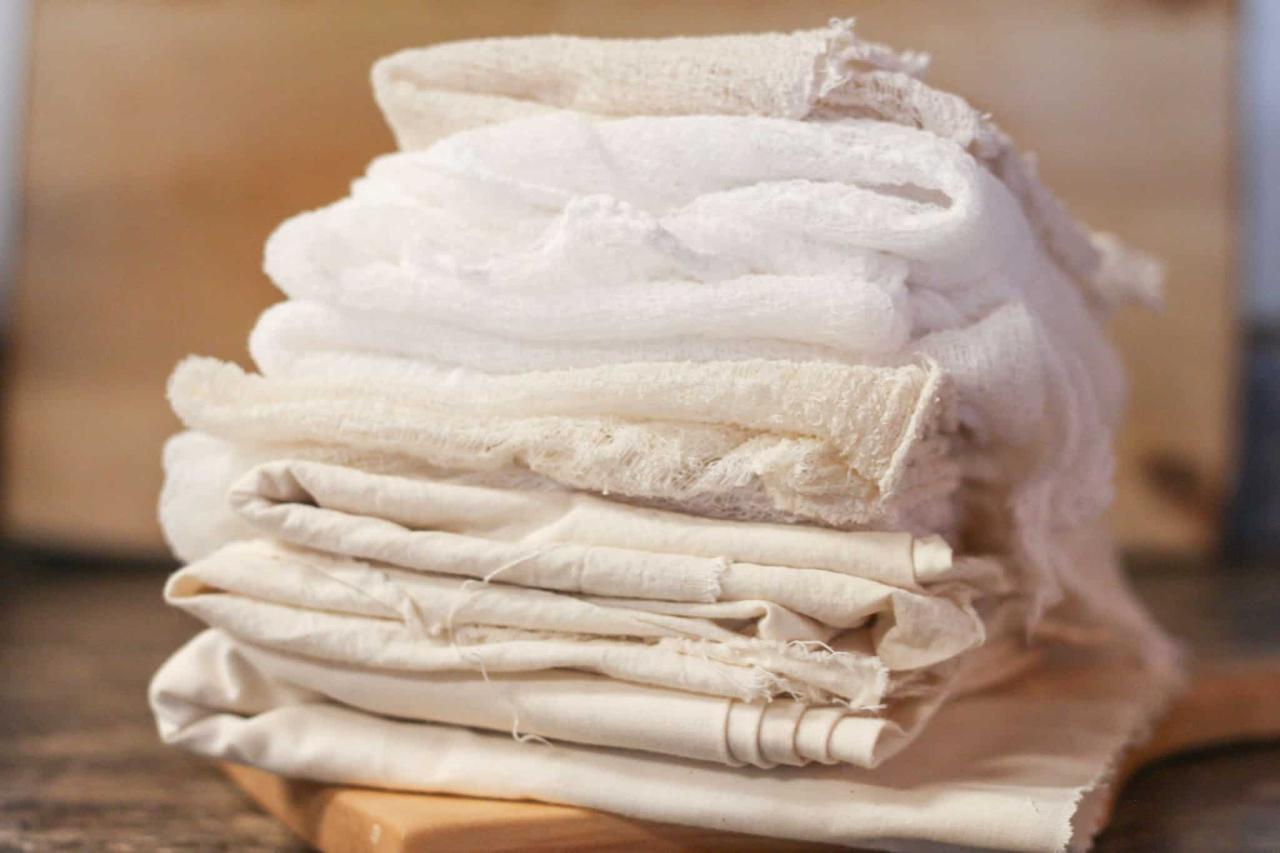
Selecting the appropriate cheesecloth is crucial for successful whey drainage. The right choice ensures efficient filtration and prevents unwanted particles from contaminating your final product. Understanding the different grades, materials, and thread counts will empower you to make an informed decision.
Grades of Cheesecloth and Suitability
Cheesecloth is categorized by its grade, which refers to its thickness and weave. The grade significantly impacts its filtration capabilities and is often linked to the thread count. Different grades are suited for various culinary tasks.
- Grade 40: This is the most common grade, offering a relatively open weave. It is suitable for general straining, such as removing seeds from juice or herbs from oil. While usable for whey drainage, it may allow some fine particles through, resulting in a less clear final product.
- Grade 50: This grade has a tighter weave than Grade 40, making it more effective for draining whey. It provides a good balance between filtration and drainage speed, suitable for soft cheeses.
- Grade 60: The tightest weave typically available for cheesecloth. It offers the best filtration, producing the clearest whey. It’s ideal for making hard cheeses where a smooth texture is desired. However, drainage can be slower.
- Grade 90: Used for very fine straining and polishing. Not usually recommended for cheese making, as it is too fine and would restrict whey drainage.
Advantages and Disadvantages of Cheesecloth Materials
Cheesecloth is primarily made from cotton or muslin, each possessing unique characteristics that affect its suitability for whey drainage.
- Cotton Cheesecloth: Cotton is the most common material. It’s absorbent, durable, and relatively inexpensive.
- Advantages: Readily available, affordable, washable, and reusable if properly cared for. It can withstand high temperatures.
- Disadvantages: Can shrink after washing, requiring pre-washing before use. May impart a slight cotton taste if not thoroughly rinsed.
- Muslin Cheesecloth: Muslin is a finer weave of cotton, generally softer and more tightly woven than standard cotton cheesecloth.
- Advantages: Provides finer filtration than standard cotton cheesecloth. Less likely to leave lint.
- Disadvantages: Can be more expensive than standard cotton cheesecloth. May require more careful handling to prevent tearing.
Determining the Thread Count of a Cheesecloth
Thread count, the number of threads per square inch, is a key indicator of cheesecloth quality and its ability to filter whey. Higher thread counts generally indicate a tighter weave and finer filtration. However, thread count isn’t always explicitly stated on the packaging.
- Visual Inspection: The easiest way to estimate the thread count is by visually inspecting the cheesecloth. Hold it up to the light and observe the weave. A tighter weave indicates a higher thread count.
- Comparing Samples: If you have multiple cheesecloths, compare their weaves. The one with the tighter weave likely has a higher thread count.
- Checking the Packaging: Some manufacturers will indicate the thread count on the packaging. This is the most reliable way to determine the thread count if it’s available.
- Estimating Thread Count (if not provided): If the thread count isn’t stated, you can make an educated guess based on the grade. For example, Grade 50 cheesecloth generally has a higher thread count than Grade 40.
Preparing the Cheesecloth
Now that you’ve selected the perfect cheesecloth, it’s time to get it ready for action! Proper preparation ensures your cheesecloth performs its best and, more importantly, keeps your food safe from unwanted bacteria. Let’s dive into the essential steps.
Washing and Preparing a New Cheesecloth
A brand-new cheesecloth, fresh from the package, might contain manufacturing residues that could affect the flavor of your cheese or other creations. Thorough washing is a must.First, give the cheesecloth a good rinse under hot water to remove any loose fibers or dust. Next, wash the cheesecloth in a washing machine using hot water and unscented detergent. Avoid using fabric softener, as it can leave a residue that might interfere with the draining process.
After washing, rinse the cheesecloth thoroughly. It’s best to run it through a second rinse cycle to ensure all detergent is gone. Finally, air dry the cheesecloth completely. This is preferable to using a dryer, which can shrink the cloth and make it less effective. Make sure the cheesecloth is completely dry before storing it to prevent mold or mildew growth.
Sanitizing the Cheesecloth Before Use
Sanitizing is crucial to eliminate any potential bacteria that could spoil your cheese or other foods. This step is particularly important if you’re working with dairy products, which are susceptible to bacterial growth.There are several effective sanitizing methods. The most common involves boiling the cheesecloth. Place the washed cheesecloth in a pot of boiling water and boil for about 10-15 minutes.
This effectively kills most bacteria. Alternatively, you can sanitize the cheesecloth using a food-grade sanitizing solution. Follow the manufacturer’s instructions for dilution and soaking time. Ensure the sanitizing solution is thoroughly rinsed from the cheesecloth after sanitizing.
Folding the Cheesecloth for Optimal Draining
Proper folding is key to efficient whey drainage and preventing solids from escaping. The goal is to create a sturdy, multi-layered barrier. Here’s a visual guide to achieve the best results:* Layering: The primary goal is to create multiple layers of cheesecloth to act as a filter. The more layers, the finer the filtration and the less likely solids are to pass through.* Single Layer Method: Lay the cheesecloth flat on a clean surface.
Place your item in the center of the cloth. Bring the edges of the cheesecloth up and over the item, overlapping them to create a sealed pouch. Secure the top with a rubber band, kitchen twine, or clips.* Double Layer Method: Fold the cheesecloth in half to create two layers. Place the item in the center. Fold the sides of the cheesecloth over the item, creating a square or rectangular package.
Tuck the ends of the cheesecloth under to secure. This method offers increased filtration and is useful for items with finer particles.* Four-Layer Method: Similar to the Double Layer method, but you start with the cheesecloth folded in quarters. This creates four layers of filtration.* Suspension Method: Place the cheesecloth inside a colander or a similar straining device, allowing the edges to hang over the sides.
Pour the contents to be drained into the center of the cheesecloth. The weight of the item will naturally draw the whey downwards.
Setting Up for Draining Whey
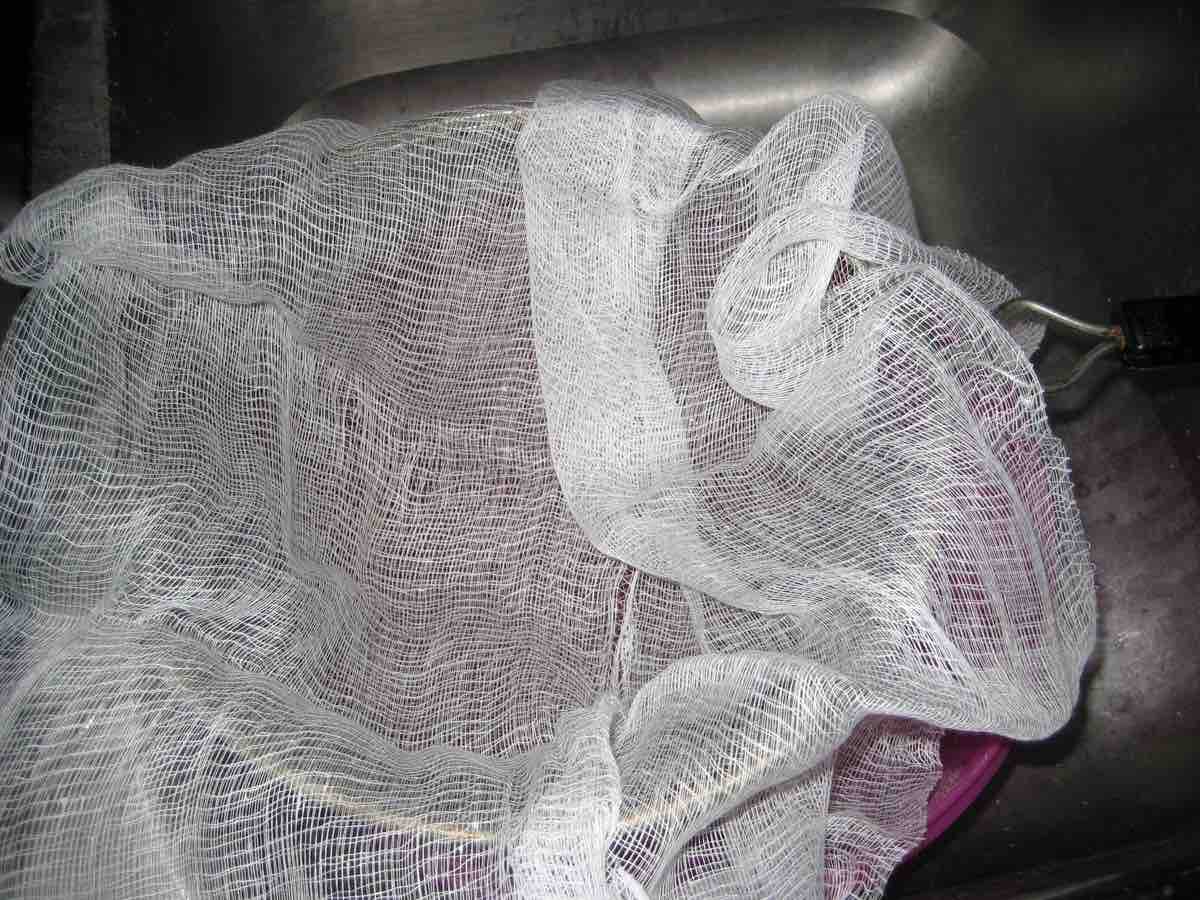
Draining whey effectively is crucial for achieving the desired consistency and texture in your cheese or yogurt. Proper setup ensures efficient drainage, prevents messes, and maintains the integrity of your product. This section details the necessary setups, tools, and materials to facilitate a smooth and successful whey drainage process.
Containers and Setups for Draining Whey
Several container options and setups are suitable for draining whey, each with its own advantages. Selecting the right setup depends on the volume of whey, the consistency of the product, and personal preference.* Colander and Bowl: This is a classic and straightforward setup. Place the cheesecloth-lined colander over a bowl to collect the whey. The bowl should be large enough to accommodate the whey without overflowing.
Ensure the colander is stable and doesn’t tip easily.* Hanging Method: For soft cheeses or yogurt, suspending the cheesecloth bag is often preferred. This allows whey to drain freely from all sides. You can hang the bag from a kitchen cabinet knob, a hook, or even a specially designed yogurt strainer. Make sure the hanging location is stable and allows for sufficient drainage space.* Stackable Strainers: Some specialized strainers come with multiple layers, allowing for stacking.
The cheesecloth is placed within the strainer, and the whey drains through the bottom layer. This setup is beneficial for draining smaller quantities and offers a compact footprint.* Cheesecloth Bag: Using a cheesecloth bag to hold the curd or yogurt allows for easy handling and uniform drainage. The bag can be suspended or placed in a colander. It is important to use a strong cheesecloth to prevent tearing and product loss.
Essential Tools and Materials for Whey Drainage
Having the right tools and materials will simplify the whey drainage process and improve its effectiveness.* Cheesecloth: As discussed previously, choose the right grade and cut it to the appropriate size.
Colander or Strainer
A colander or strainer with adequate drainage holes is essential. Stainless steel or plastic options are suitable.
Bowl or Container
A bowl or container large enough to collect the whey without overflowing. Consider using a measuring jug for accurate volume tracking.
Hanging Apparatus (optional)
If using the hanging method, a sturdy hook, cabinet knob, or yogurt strainer is needed.
Rubber Bands or Twine
To secure the cheesecloth around the container or bag.
Weight (optional)
A weight can be used to gently press the curd, accelerating whey drainage. Use a clean, food-safe weight, such as a plate or a jar filled with water.
Food-Safe Gloves (optional)
For hygienic handling of the cheese or yogurt.
Comparing Different Draining Setups
The following table compares various draining setups, considering factors such as stability, ease of use, and cleaning.
| Setup | Stability | Ease of Use | Cleaning | Best Suited For |
|---|---|---|---|---|
| Colander and Bowl | Good, provided the colander is stable. | Simple and straightforward. | Easy, usually dishwasher safe. | Small to medium batches of cheese or yogurt. |
| Hanging Method | Generally good, depending on the hanging point. | Requires a secure hanging location. | Can be slightly more complex due to the hanging aspect. | Soft cheeses, yogurt, and products requiring a very dry consistency. |
| Stackable Strainers | Good, usually designed for stability. | Compact and convenient for small batches. | Relatively easy, parts may need separate cleaning. | Small batches, products with a specific texture. |
| Cheesecloth Bag | Good, as the bag is usually supported by a colander or hanging method. | Requires careful handling of the bag to prevent spills. | Can be slightly more complex, as the bag needs to be cleaned thoroughly. | Cheeses and yogurts with a specific texture that benefit from even drainage. |
The Draining Process
Now that you’ve prepared your cheesecloth and setup, it’s time to put it all into action and drain that whey! This is where patience and a gentle hand come into play. The goal is to separate the solids from the liquid (whey) efficiently, resulting in the desired texture for your final product, whether it’s cheese, yogurt cheese, or another culinary creation.
Pouring the Mixture
The pouring process is crucial for a successful drain. A careful and controlled pour ensures the mixture distributes evenly within the cheesecloth, promoting efficient whey separation.To begin, gently pour the whey-containing mixture into the center of the prepared cheesecloth. Avoid pouring too quickly, as this can cause the mixture to spill over the sides or create uneven distribution. Instead, pour in a slow, steady stream.As the mixture fills the cheesecloth, observe how it spreads.
If it seems to be concentrated in one area, gently nudge the cheesecloth to redistribute the mixture. You can use a spoon or spatula to help guide the mixture, but be careful not to puncture the cheesecloth.Remember, a slow and steady pour is key. Rushing this step can lead to an unevenly drained product and a less-than-desirable outcome.
Ensuring Even Distribution
Even distribution of the mixture is vital for uniform draining and the desired final texture. Here’s how to achieve it:After pouring, gently tap the container holding the cheesecloth on the counter to help settle the mixture. This encourages the mixture to spread out evenly.If the mixture appears to be thicker in certain areas, gently use a spoon or spatula to redistribute it.
Avoid stirring vigorously, as this can disrupt the curd structure. Instead, gently lift and fold the mixture over itself.Monitor the draining process closely. If you notice any areas where the whey is not draining as quickly, gently adjust the cheesecloth to improve flow. For example, if a portion of the cheesecloth is pressed against the side of the container, gently pull it away to create more space for the whey to escape.
Preventing Cheesecloth Clogging
Clogging can significantly slow down the draining process. Prevent this with the following techniques:
- Choose the right cheesecloth: Use a cheesecloth with an appropriate weave. A tighter weave is better for finer curds, but a looser weave can help prevent clogging with larger particles. Consider using multiple layers of cheesecloth if your mixture contains many small particles.
- Gentle Pouring: As mentioned earlier, pour the mixture slowly and steadily. This helps prevent a sudden influx of solids that can overwhelm the cheesecloth.
- Avoid Overfilling: Don’t overfill the cheesecloth. Leave enough space for the whey to drain freely.
- Gentle Handling: Avoid excessive handling of the cheesecloth during the draining process. Constantly moving or pressing on the cheesecloth can compact the solids and hinder drainage.
- Check for Blockages: Periodically check the cheesecloth for any visible blockages. If you see any, gently use a toothpick or similar tool to dislodge the obstruction. Be very careful not to tear the cheesecloth.
- Control the Temperature: If draining in a warm environment, the curds might dry out and block the cheesecloth. Consider placing the draining setup in a cooler area.
Techniques for Whey Drainage
Now that you’ve prepared your cheesecloth and set up your draining station, let’s delve into the techniques that will help you effectively separate whey from your cheese curds or other ingredients. These methods range from simple gravity-based approaches to more advanced techniques that can significantly speed up the process. Understanding these options allows you to tailor your drainage method to your specific needs and desired cheese consistency.
Impact of Gravity on Whey Drainage
Gravity is the primary force behind whey drainage. The effectiveness of gravity-based drainage depends on several factors, including the size of the cheesecloth mesh, the weight of the curds, and the ambient temperature. The process is often slow, but it’s simple and requires minimal equipment.To understand gravity’s influence, consider these key points:
- Mesh Size: A finer mesh cheesecloth will initially slow down drainage because the whey must pass through smaller openings. However, this also prevents smaller curd particles from escaping, resulting in a smoother final product.
- Curd Weight: As the curds accumulate in the cheesecloth, their weight increases. This added weight helps to compress the curds and force more whey out.
- Temperature: Warmer temperatures can slightly increase the rate of drainage. Heat makes the curds more pliable, which may help whey to escape more easily.
Using Weights to Expedite Drainage
Using weights is a common method to speed up the whey drainage process. By applying pressure to the curds, you force the whey out more quickly than gravity alone. The amount of weight you use will affect the final texture of your cheese.Here’s how to use weights effectively:
- Preparation: After setting up your cheesecloth and curds, place a flat, food-safe surface (like a plate or cutting board) on top of the curds.
- Weight Selection: Choose a weight that’s appropriate for your cheese. Start with a lighter weight and increase it gradually. Examples of weights include:
- Canned goods: A few cans of food are a simple option.
- Specialized weights: Consider purchasing cheese-making weights.
- Application: Carefully place the weight on top of the plate or cutting board. Ensure the weight is evenly distributed.
- Monitoring: Regularly check the drainage process. Adjust the weight or the draining time as needed to achieve your desired cheese texture.
The pressure from the weight compresses the curds, squeezing out the whey. The heavier the weight, the faster the drainage and the firmer the final cheese. Be mindful not to use too much weight, which could result in a dense, rubbery cheese.
Alternative Methods for Draining Whey
While gravity and weights are common, other methods can be used for whey drainage, especially for larger-scale cheese-making operations or when a specific cheese texture is desired. One such method is the use of a cheese press.A cheese press provides a consistent and controlled pressure for draining whey. They come in various sizes and designs, from simple manual presses to more complex hydraulic models.Here’s how a cheese press works:
- Preparation: Place the cheese curds in a cheese mold lined with cheesecloth.
- Pressing: Place the mold in the cheese press. Apply pressure using the press mechanism. The pressure can be adjusted to control the rate and intensity of whey drainage.
- Drainage: The press applies constant pressure, forcing whey out of the cheese curds. The whey is collected at the base of the press.
- Monitoring: Monitor the drainage process, adjusting the pressure as needed. The amount of time the cheese is pressed will affect the final texture.
The cheese press provides a significant advantage over gravity and weight-based methods because it allows for precise control over the pressure applied. This results in a more consistent and predictable cheese texture. Using a cheese press is common in the production of hard cheeses like cheddar and Parmesan, where consistent and firm textures are required.
Monitoring the Drainage
Keeping a close eye on the draining process is crucial for achieving your desired final product. The amount of time whey drains directly impacts the texture and consistency. This section will guide you through visual cues and techniques to monitor the process effectively.
Visual Cues for Sufficient Drainage
Several visual indicators signal that the whey has drained sufficiently. Recognizing these cues helps you determine when to stop the process, preventing over-draining and ensuring the desired texture.The key visual cues to watch for include:* The rate of dripping significantly slows down. Initially, whey will drip quite rapidly, but as the process continues, the drips become less frequent.
The change in the dripping rate is a primary indicator.
- The cheese or yogurt begins to hold its shape. As whey drains, the solid component (cheese curds, yogurt, etc.) becomes more compact and less pliable. It will start to retain its form and not spread out.
- The surface of the solid mass appears drier. The surface will lose its glossy, wet appearance, and begin to look slightly matte. This is because most of the free whey has been removed.
- A clear separation of whey from the solid. The whey draining will appear clear or slightly translucent. If the whey is still cloudy, it may indicate that the draining is not complete, and some of the solids are still suspended.
Adjusting Draining Time for Desired Consistency
The draining time is a critical factor in determining the final consistency of your product. The longer the whey drains, the firmer the result. Adjusting the time allows you to fine-tune the texture to your preference.* For a softer product, such as a creamier cheese or yogurt, drain for a shorter period. This retains more whey, resulting in a higher moisture content.
- For a firmer product, such as a harder cheese or Greek yogurt, drain for a longer period. This removes more whey, concentrating the solids and resulting in a denser texture.
- The exact draining time will depend on the specific recipe, the type of cheesecloth used, and the ambient temperature. Experimentation is often necessary to achieve the perfect consistency. Start with the recipe’s recommended time and adjust based on the visual cues and your preference.
- Consider the initial moisture content of your starting ingredient. If you’re using a very wet base, you may need to drain for a longer period.
Troubleshooting Common Drainage Issues
Sometimes, the draining process doesn’t go as smoothly as planned. Slow draining or incomplete separation can be frustrating. Here are some common issues and how to address them:* Slow Draining: Ensure the cheesecloth isn’t clogged. Gently lift the cheesecloth and inspect for any blockages. If the cheesecloth is clogged, gently rinse it with cool water.
Make sure the setup allows for proper drainage. The draining container must be positioned so that the whey can flow freely. Check that the cheesecloth isn’t touching the bottom of the container, preventing drainage. The curd or yogurt may be too dense. If the starting product is very thick, it may drain more slowly.
Gently stir or break up the curds/yogurt slightly to help release the whey. The temperature may be too low. Warmer temperatures can slightly speed up the draining process. However, avoid excessive heat, which can affect the quality of the final product.
Incomplete Separation
The cheesecloth may be too fine. Using a very fine cheesecloth can sometimes trap whey. Experiment with different cheesecloth grades. The product may not have been properly prepared. Ensure the cheese curds or yogurt have been allowed to set properly before draining.
The draining time may be insufficient. Allow additional draining time, monitoring for the visual cues of sufficient drainage. The whey may be reabsorbed. Ensure that the drained product is kept in a cool environment, as warm temperatures may cause some of the whey to be reabsorbed.
Handling the Drained Whey
After the cheesecloth has worked its magic, the precious whey is left behind. Now it’s time to handle this byproduct of your cheese-making adventure, ensuring its proper storage and exploring its diverse applications. Let’s dive into the best practices for managing your drained whey.
Storing the Drained Whey and Its Shelf Life
Proper storage is essential to maintain the quality and safety of your drained whey. The shelf life of whey depends on various factors, including its initial quality, storage conditions, and whether it has been pasteurized.Here’s how to store whey effectively:* Refrigeration: The most common method is refrigeration. Immediately after draining, transfer the whey to an airtight container, such as a glass jar or a food-grade plastic container.
Store it in the refrigerator at a temperature of 4°C (40°F) or below. Properly refrigerated whey can typically last for about 5-7 days.
Freezing
Freezing is an excellent way to extend the shelf life of whey. Pour the whey into freezer-safe containers, leaving some headspace for expansion. Whey can be frozen for up to 6 months. Thaw frozen whey in the refrigerator before using it.
Pasteurization (Optional)
If you wish to further extend the shelf life, you can pasteurize the whey. Heat the whey to 72°C (161°F) for 15 seconds, then cool it rapidly. Pasteurization helps eliminate harmful bacteria and extends the shelf life to about 2-3 weeks in the refrigerator.
Signs of Spoilage
Always inspect the whey before using it. Discard whey if you observe any of the following signs:
Off-putting odor (sour or rotten smell).
Changes in color (cloudiness or discoloration).
Presence of mold or other visible growths.
Thickening or curdling.
Potential Uses of the Drained Whey
Whey, often discarded, is a versatile ingredient with numerous applications. From culinary delights to gardening solutions, this byproduct of cheese-making is worth exploring.Here are some potential uses for drained whey:* Cooking and Baking: Whey can be used as a substitute for water or milk in many recipes, adding a subtle tang and boosting the nutritional value.
Beverages
Whey can be added to smoothies, juices, or used as a base for refreshing drinks.
Animal Feed
Whey is a good source of protein and can be used as a supplement for livestock, such as pigs and chickens. However, consult with a veterinarian or animal nutritionist before using whey in animal feed.
Fertilizer
Whey is a good source of nutrients and can be used as a fertilizer for plants.
Cleaning
Whey can be used as a natural cleaning agent.
Recipes Utilizing Drained Whey
Whey is a surprisingly adaptable ingredient in the kitchen. Here are some recipe ideas to inspire your culinary creativity:* Whey Pancakes or Waffles: Substitute whey for milk or water in your pancake or waffle recipe for a fluffier texture and a slightly tangy flavor.
Whey Bread
Use whey in bread recipes to add moisture and a subtle sour note.
Whey Smoothies
Blend whey with fruits, vegetables, and other ingredients for a protein-packed and nutritious smoothie.
Whey Soup
Use whey as a base for soups, such as vegetable soup or chicken noodle soup.
Whey Marinades
Marinate meat or vegetables in whey to tenderize and add flavor.
Whey Rice or Oatmeal
Cook rice or oatmeal in whey for a creamier and more flavorful result.
Whey-Based Beverages
Create refreshing drinks by mixing whey with fruit juice, herbs, or spices.
Cleaning and Storing the Cheesecloth
After successfully draining whey, the next crucial step is properly cleaning and storing the cheesecloth. This ensures its longevity, prevents the growth of mold and bacteria, and guarantees it’s ready for the next culinary adventure. Proper care maintains the cheesecloth’s integrity, ensuring consistent performance and preventing any unwanted flavors from transferring to your food.
Cleaning the Cheesecloth
Cleaning the cheesecloth is essential to remove any lingering residue from the whey or cheese-making process. Thorough cleaning prevents mold and bacterial growth, preserving the cloth’s quality and extending its lifespan.Here’s a step-by-step guide to thoroughly clean your cheesecloth:
- Rinse Immediately After Use: Immediately after use, rinse the cheesecloth under cold running water. This initial rinse removes the bulk of the whey and any solid particles before they can dry and become difficult to remove.
- Pre-Soak (Optional): If the cheesecloth is heavily soiled, consider soaking it in cold water for about 30 minutes. This helps loosen any stubborn residue.
- Wash with Hot, Soapy Water: Fill a clean sink or basin with hot water and add a mild, unscented dish soap. Gently hand-wash the cheesecloth, rubbing the fabric together to remove any remaining particles. Avoid using harsh detergents or bleach, as they can damage the cloth’s fibers and alter the taste of future food preparations.
- Rinse Thoroughly: Rinse the cheesecloth under cold, running water until all traces of soap are gone. Ensure no soapy residue remains, as this can affect the taste of your food.
- Boil (Optional, for Deep Cleaning): For a deeper clean, especially if the cheesecloth has been used for dairy products, you can boil it in a pot of water for about 10 minutes. This helps sterilize the cloth and remove any lingering bacteria. Always supervise the boiling process.
- Rinse After Boiling (if applicable): After boiling, rinse the cheesecloth again under cold water.
- Dry Completely: The most important step is to dry the cheesecloth completely. You can either air-dry it or machine-dry it on a low heat setting. If air-drying, hang it in a well-ventilated area away from direct sunlight. Direct sunlight can weaken the fibers over time. Ensure the cheesecloth is completely dry before storing it.
Any moisture can promote mold growth.
Storing the Cheesecloth
Proper storage is crucial for maintaining the cheesecloth’s quality and preventing damage or contamination. It ensures the cloth is clean, dry, and ready for future use.Here’s how to properly store your cheesecloth:
- Ensure Complete Dryness: Before storing, make absolutely certain the cheesecloth is completely dry. Any residual moisture can lead to mold or mildew growth.
- Fold Neatly: Once dry, fold the cheesecloth neatly. This helps prevent tangling and makes it easier to handle when you need to use it again.
- Store in a Clean, Dry Place: Store the folded cheesecloth in a clean, dry, and well-ventilated location. A drawer, cabinet, or airtight container is suitable.
- Avoid Airtight Containers (unless completely dry): While airtight containers can protect the cheesecloth, ensure it’s completely dry before sealing it. Trapping moisture can lead to mold growth. If using an airtight container, consider placing a desiccant packet inside to absorb any residual moisture.
- Avoid Sunlight and Extreme Temperatures: Store the cheesecloth away from direct sunlight and extreme temperatures, which can degrade the fabric over time.
- Consider a Resealable Bag or Container: A resealable bag or a clean container provides an extra layer of protection from dust, pests, and odors. Label the container with the date of the last cleaning for reference.
- Inspect Before Each Use: Before each use, inspect the cheesecloth for any signs of mold, mildew, or damage. Discard the cheesecloth if it shows any signs of deterioration.
Troubleshooting and Common Mistakes
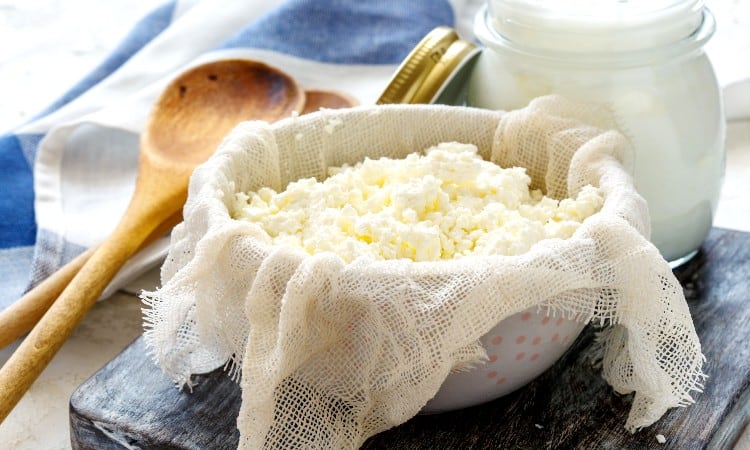
Draining whey with a cheesecloth is generally straightforward, but occasional issues can arise. Understanding these potential problems and knowing how to address them will ensure a successful whey drainage process. This section will cover common difficulties and offer solutions, as well as highlight mistakes to avoid for optimal results.
Slow Drainage
Slow drainage is a frustrating but common issue. Several factors can contribute to this, and identifying the cause is the first step in resolving it.The reasons for slow drainage, and the corresponding solutions, are:
- Cheesecloth Clogging: The cheesecloth pores can become blocked by solid particles. This is particularly common if the curd or cheese mixture wasn’t strained well initially.
- Solution: Gently lift the cheesecloth and rinse it under cool water to dislodge any blockages. Avoid excessive handling, as this can compact the curds. If the cheesecloth is severely clogged, consider using a fresh, clean one.
- Curd Compactness: Overly compacted curds or cheese mixtures will impede whey flow.
- Solution: Gently loosen the curds with a spoon or spatula. Ensure the cheesecloth is not tightly packed. You can also try using a lighter weight or a less dense cheesecloth.
- Temperature: The temperature of the mixture can affect drainage speed. Cold mixtures may drain slower than warmer ones.
- Solution: If the mixture is too cold, allow it to warm slightly at room temperature. Be mindful of food safety, and don’t let it sit out for too long.
- Cheesecloth Type: Using a cheesecloth with too fine a weave will restrict drainage.
- Solution: Choose a cheesecloth with a more open weave for faster drainage. Experiment with different grades of cheesecloth to find the optimal one for your specific application.
Incomplete Whey Separation
Sometimes, the whey may not fully separate from the curds or cheese mixture. This can result in a product that is too wet.Possible reasons for incomplete whey separation:
- Insufficient Draining Time: Allowing insufficient time for the whey to drain is a frequent issue.
- Solution: Increase the draining time. Check the instructions and the type of cheese, as this can affect the time required.
- Cheesecloth Material or Size: The cheesecloth material and size affect the separation of whey.
- Solution: Make sure the cheesecloth is properly sized for the container, and that it isn’t damaged.
- Curd Composition: The type of milk and the cheesemaking process affect the curd composition.
- Solution: Adjust the cheesemaking process based on the recipe and the type of cheese you are making.
Common Mistakes to Avoid
Avoiding common mistakes is key to successful whey drainage. Here’s a list of errors to steer clear of:
- Using the Wrong Cheesecloth: Not selecting the appropriate cheesecloth for the task, either too fine or too coarse. This can lead to slow drainage or curd loss.
- Packing the Curds Too Tightly: Overfilling or packing the cheesecloth too densely. This restricts whey flow.
- Using a Dirty Cheesecloth: Failing to thoroughly clean the cheesecloth before use. Residue from previous use can contaminate the product and impede drainage.
- Disturbing the Curds Excessively: Constantly moving or agitating the curds during draining, which can compact them and slow down the process.
- Ignoring Drainage Time: Not allowing sufficient time for the whey to drain completely. Rushing the process can result in a wetter product.
- Using a Cheesecloth with Holes: Cheesecloths with tears or holes will let the curds through, resulting in a loss of product.
- Improper Support: Failing to provide adequate support for the cheesecloth and curds, which can lead to spillage or uneven drainage.
- Not Monitoring the Process: Neglecting to check on the draining process periodically. This can lead to unexpected issues.
Conclusion
In conclusion, mastering the art of cheesecloth usage is a gateway to a world of culinary possibilities. “How to Use a Cheesecloth and Drain Whey Effectively” has provided you with the knowledge and techniques needed to confidently strain whey, experiment with textures, and unlock the full potential of your ingredients. From choosing the right cheesecloth to repurposing the drained whey, you’re now equipped to create delicious, homemade delights.
Embrace the journey, experiment with flavors, and enjoy the rewarding results of your newfound cheesecloth expertise!