Embark on a delightful exploration of “How to Use Your Homemade Cheese in Classic Recipes,” where the art of crafting cheese meets the joy of classic cooking. Imagine the satisfaction of transforming simple ingredients into creamy, flavorful cheeses, then incorporating them into your favorite dishes. This guide unveils the secrets to elevating your culinary creations, from the simple pleasures of a Caprese salad to the comforting warmth of a macaroni and cheese.
We’ll delve into the history of cheesemaking, explore the nuances of aging and storage, and unlock a world of recipes showcasing the versatility of homemade cheese. Whether you’re a seasoned chef or a kitchen novice, prepare to discover how homemade cheese can transform ordinary meals into extraordinary experiences, all while celebrating the rich traditions of global cuisine.
Embracing Homemade Cheese in the Kitchen
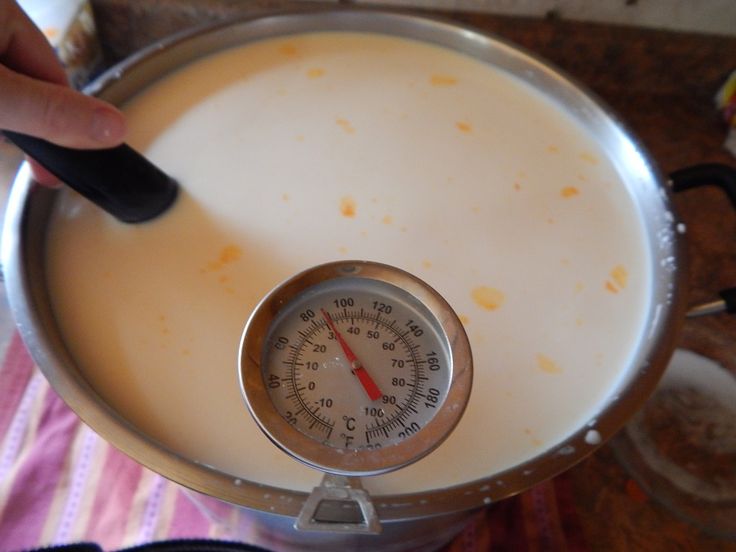
Welcome to a world where the simple act of creating cheese transforms your cooking. This guide explores the delightful possibilities that arise when you replace store-bought cheese with your own creations in classic recipes. From the subtle nuances of flavor to the satisfaction of crafting something from scratch, homemade cheese elevates your culinary experience.
Benefits of Homemade Cheese in Classic Recipes
Using homemade cheese offers several advantages over its store-bought counterparts. The primary benefit lies in the control you have over ingredients. You choose the milk, the cultures, and the salt, allowing you to avoid preservatives and tailor the flavor to your preferences. Furthermore, homemade cheese often boasts a fresher, more vibrant taste, as it hasn’t undergone the aging and processing typical of commercial production.
This freshness translates directly into enhanced flavors in your dishes. For example, a homemade ricotta will provide a creamier texture and a cleaner taste in your lasagna, compared to a store-bought version.
A Brief History of Cheese Making and Its Culinary Traditions
Cheese making has a rich history, dating back thousands of years. The exact origins are debated, but evidence suggests cheese production began in the Near East around 8,000 BCE. Nomadic peoples likely discovered the process accidentally, perhaps by storing milk in animal stomachs, which contain rennet, a natural enzyme that curdles milk. Over time, cheese making spread across the globe, with each region developing unique techniques and cheese varieties.
The Romans, for example, were avid cheese consumers and helped spread cheese making throughout Europe. This ancient practice is deeply interwoven with culinary traditions worldwide. Italian cuisine relies heavily on cheeses like Parmesan and mozzarella, while French cuisine features Camembert and Brie. Each cheese carries the history and culture of its origin.
The Satisfaction of Using Homemade Cheese: A Personal Story
I recall the first time I made mozzarella. The recipe seemed daunting, but the result was transformative. The store-bought mozzarella, usually a pale, rubbery disc, was replaced by a fresh, supple ball of cheese. The taste was remarkably different, with a delicate, milky flavor that store-bought cheese simply couldn’t match. I used it in a simple Caprese salad: sliced tomatoes, fresh basil, and my homemade mozzarella.
The difference was astonishing. The tomatoes and basil were enhanced, and the cheese melted in my mouth. It was a revelation. It wasn’t just about the flavor; it was about the connection to the food, the pride in creating something from scratch. The experience solidified my commitment to making cheese and using it to elevate my cooking.
Preparing Your Homemade Cheese for Culinary Use
Now that you’ve lovingly crafted your own cheese, it’s time to get it ready for its starring role in your culinary creations. Proper preparation is key to unlocking the full potential of your homemade cheese, ensuring its flavors and textures shine. This section will guide you through the crucial steps of aging, storing, and incorporating your cheese into your favorite recipes.
Ideal Aging Process for Different Types of Homemade Cheese
The aging process is what transforms a simple curd into a complex and flavorful cheese. The duration and conditions of aging vary greatly depending on the cheese type. Understanding these nuances is essential for achieving the desired results.
- Fresh Cheeses: Fresh cheeses like ricotta, mozzarella, and chèvre are typically not aged. They are meant to be enjoyed soon after making. However, even fresh cheeses can benefit from a short rest in the refrigerator to allow flavors to meld.
- Soft Cheeses: Soft cheeses, such as Brie and Camembert, undergo a relatively short aging period, usually a few weeks to a couple of months. These cheeses are aged in a controlled environment with specific temperature and humidity levels to encourage the growth of desirable molds on the rind.
- Semi-Hard Cheeses: Semi-hard cheeses, like Gouda or Havarti, require a longer aging period, often several months. During this time, the cheese develops a firmer texture and more complex flavors. The cheese is typically stored in a cooler environment, and may be turned periodically to ensure even aging.
- Hard Cheeses: Hard cheeses, such as Parmesan or cheddar, undergo the longest aging process, which can range from several months to several years. These cheeses are aged in carefully controlled environments with specific temperature and humidity to develop their characteristic sharpness and texture. Frequent turning and monitoring are critical.
Common Mistakes in Cheese Storage That Can Impact Flavor and Texture
Proper storage is crucial to preserve the quality of your homemade cheese. Incorrect storage can lead to undesirable changes in flavor, texture, and even the development of unwanted molds.
- Improper Wrapping: Cheese should be wrapped in breathable material like cheese paper or wax paper. Plastic wrap can trap moisture, leading to mold growth and a slimy texture. If using plastic wrap, replace it frequently.
- Incorrect Temperature: Cheese should be stored in the refrigerator, ideally in the vegetable crisper drawer, which offers a more stable temperature and humidity. Avoid storing cheese in the warmest part of the refrigerator or near strong-smelling foods.
- Humidity Issues: Too much humidity can promote mold growth, while too little can dry out the cheese. The vegetable crisper drawer helps maintain optimal humidity levels.
- Flavor Absorption: Cheese can absorb flavors from other foods in the refrigerator. Store cheese away from strong-smelling items like onions or garlic.
- Temperature Fluctuations: Frequent temperature changes can negatively affect the cheese’s texture and flavor. Avoid storing cheese near the refrigerator door, where temperatures fluctuate more often.
Methods for Grating, Melting, and Incorporating Homemade Cheese into Recipes
Once your cheese is aged and stored properly, it’s time to put it to work in the kitchen. The way you prepare your cheese for cooking can significantly impact the final dish.
- Grating: The method for grating cheese depends on its hardness. For hard cheeses, use a box grater or a microplane. For softer cheeses, you might need to chill the cheese slightly before grating to prevent it from sticking. A cheese grater with different blade sizes will allow you to create the desired texture, from fine to coarse.
- Melting: Melting cheese requires a gentle approach to prevent it from becoming greasy or separating. Melt cheese slowly over low heat, stirring frequently. Adding a small amount of liquid, such as milk or cream, can help achieve a smooth and creamy texture. Different cheeses melt differently. Experiment to find the best approach for each type.
- Incorporating into Recipes: The method for incorporating cheese depends on the recipe. Cheese can be added to sauces, baked goods, salads, and many other dishes. For sauces, add grated cheese gradually, stirring until melted and smooth. In baked goods, cheese can be mixed into the batter or sprinkled on top. In salads, cheese can be crumbled or shredded.
Consider the flavor profile of your cheese when pairing it with other ingredients. For example, a sharp cheddar works well with apples and walnuts, while a creamy brie pairs beautifully with berries.
Classic Recipes Showcasing Fresh Homemade Cheese
Having crafted your own fresh cheeses, the next step is to transform them into delicious dishes. Homemade cheese elevates classic recipes, providing a depth of flavor and texture that store-bought varieties often lack. This section explores several ways to utilize your homemade creations, showcasing their versatility and highlighting how they can enhance your culinary endeavors.
We’ll delve into a selection of recipes, explore variations, and provide a detailed guide for a specific dish, demonstrating the diverse applications of your homemade cheese.
Recipes Featuring Fresh Cheese
Below is a table showcasing classic recipes that prominently feature fresh cheeses like ricotta and mozzarella. Each recipe includes key ingredients, a brief description of the cooking steps, and a visual description to help you envision the final product. These recipes are starting points; feel free to adapt them to your preferences and available ingredients.
| Recipe | Ingredients | Instructions | Visual Description |
|---|---|---|---|
| Caprese Salad | Fresh mozzarella, ripe tomatoes, fresh basil, balsamic glaze, olive oil, salt, pepper. | Slice tomatoes and mozzarella. Arrange on a plate with basil leaves. Drizzle with olive oil and balsamic glaze. Season with salt and pepper. | A vibrant plate featuring alternating slices of red tomatoes and creamy white mozzarella, interspersed with bright green basil leaves. A drizzle of dark balsamic glaze adds visual appeal and depth. |
| Ricotta Pancakes | Homemade ricotta cheese, eggs, flour, baking powder, sugar, vanilla extract, butter. | Whisk wet ingredients. Combine with dry ingredients. Cook spoonfuls of batter on a hot griddle until golden brown. Serve with syrup and fresh fruit. | Fluffy, golden-brown pancakes, slightly speckled, stacked on a plate. A dollop of fresh ricotta cheese and a drizzle of maple syrup are visible, along with a scattering of fresh berries. |
| Lasagna | Homemade ricotta cheese, lasagna noodles, ground meat, tomato sauce, mozzarella cheese, Parmesan cheese, eggs. | Layer noodles, ricotta mixture, meat sauce, and mozzarella in a baking dish. Repeat layers. Bake until bubbly and golden brown. | A rectangular baking dish filled with layers of pasta, meat sauce, and cheese, with a golden-brown, bubbly top layer of melted mozzarella and Parmesan. |
| Spinach and Ricotta Stuffed Shells | Homemade ricotta cheese, jumbo pasta shells, spinach, Parmesan cheese, garlic, eggs, tomato sauce, mozzarella cheese. | Cook pasta shells. Mix ricotta, spinach, Parmesan, garlic, and eggs. Fill shells with mixture. Bake in tomato sauce and topped with mozzarella. | Large pasta shells filled with a green, creamy filling, arranged in a baking dish covered in red tomato sauce. The dish is topped with melted, bubbly mozzarella cheese. |
Caprese Salad Variations with Homemade Mozzarella
The classic Caprese salad is a testament to the simplicity and beauty of fresh ingredients. Here are some variations using homemade mozzarella, each offering a unique flavor profile:
- Classic Caprese: Thinly sliced homemade mozzarella, ripe heirloom tomatoes, fresh basil leaves, extra virgin olive oil, balsamic glaze, sea salt, and freshly ground black pepper. The quality of the mozzarella and tomatoes is key to this simple yet elegant dish.
- Pesto Caprese: Replace some of the basil with pesto. Homemade pesto, using fresh basil, pine nuts, Parmesan cheese, garlic, and olive oil, adds a layer of complexity to the classic.
- Peach and Prosciutto Caprese: Slices of ripe peaches and prosciutto complement the mozzarella and tomatoes, creating a sweet and savory experience. A drizzle of honey adds an extra touch of sweetness.
- Grilled Caprese: Grill thick slices of tomatoes and mozzarella for a smoky flavor. This variation is especially delicious when served with a balsamic reduction.
- Caprese Skewers: Thread cherry tomatoes, small mozzarella balls (made from your homemade mozzarella), and basil leaves onto skewers for an easy appetizer. Drizzle with olive oil and balsamic vinegar before serving.
Homemade Ricotta Ravioli
Making ravioli from scratch is a rewarding culinary experience. This section guides you through the process of creating delicious ricotta ravioli, using your homemade ricotta cheese.
Pasta Dough Preparation
Creating the perfect pasta dough is crucial for delicious ravioli. The following ingredients and steps provide a reliable method.
Ingredients:
- 3 cups all-purpose flour, plus more for dusting
- 4 large eggs
- 1 teaspoon salt
- 1 tablespoon olive oil
- 2-4 tablespoons water (if needed)
Instructions:
- Make a well: On a clean work surface, mound the flour and make a well in the center.
- Add wet ingredients: Crack the eggs into the well. Add the salt and olive oil.
- Incorporate ingredients: Using a fork, gently whisk the eggs and olive oil, gradually incorporating the flour from the inner edges of the well.
- Knead the dough: Once a shaggy dough forms, use your hands to knead it for 8-10 minutes, until it becomes smooth and elastic. If the dough is too dry, add water, a teaspoon at a time. If it is too sticky, add flour, a tablespoon at a time.
- Rest the dough: Wrap the dough tightly in plastic wrap and let it rest at room temperature for at least 30 minutes (or up to 2 hours). This allows the gluten to relax, making it easier to roll.
Filling Preparation
The filling is where the flavor of your ravioli truly shines. Using homemade ricotta provides a superior texture and taste.
Ingredients:
- 1 pound homemade ricotta cheese, drained
- 1/2 cup grated Parmesan cheese
- 1 large egg, lightly beaten
- 1/4 cup chopped fresh herbs (such as parsley, basil, or chives)
- Salt and freshly ground black pepper to taste
Instructions:
- Combine ingredients: In a medium bowl, combine the ricotta cheese, Parmesan cheese, egg, and herbs.
- Season the filling: Season the mixture with salt and pepper to taste.
- Mix thoroughly: Mix well until all ingredients are evenly distributed.
- Chill the filling: Cover the filling and refrigerate it for at least 30 minutes before using. This helps the filling firm up and makes it easier to handle.
Recipes Featuring Soft and Semi-Soft Homemade Cheese
Soft and semi-soft cheeses, with their creamy textures and delicate flavors, are incredibly versatile in the kitchen. They melt beautifully, add richness to dishes, and pair well with a wide range of ingredients. This section explores several classic recipes that showcase the delicious possibilities of your homemade soft and semi-soft cheeses.
Gourmet Grilled Cheese Sandwich Combinations
The humble grilled cheese sandwich is elevated to gourmet status with the addition of high-quality, homemade cheese. Experimenting with different cheese combinations and complementary ingredients can create a truly unforgettable culinary experience.Here are some gourmet grilled cheese ideas:
- Classic Comfort: Use a creamy homemade brie or camembert. Pair it with thinly sliced green apples and a drizzle of honey on sourdough bread. The sweetness of the apple and honey perfectly balances the richness of the cheese.
- Spicy Delight: Combine a homemade pepper jack or a soft cheese infused with chili flakes with a layer of caramelized onions on a rustic multigrain bread. The spicy cheese and sweet onions offer a delightful contrast.
- Savory Herbaceous: Use a homemade herbed goat cheese. Add fresh basil and sun-dried tomatoes on ciabatta bread. This combination is bursting with fresh, vibrant flavors.
- Mediterranean Fusion: Combine a homemade feta or a soft cheese marinated in olive oil with roasted red peppers and a sprinkle of Kalamata olives on focaccia bread. The salty olives and sweet peppers complement the tangy cheese beautifully.
Classic French Onion Soup with Homemade Cheese
French onion soup is a timeless classic, and the quality of the cheese topping plays a crucial role in its success. Using homemade cheese elevates this dish to a whole new level of deliciousness.The following steps are for making a classic French onion soup, highlighting the cheese component:
- Caramelize the Onions: Slowly caramelize thinly sliced onions in butter until they are deeply golden brown and sweet. This process can take up to an hour, but it is crucial for developing the soup’s flavor.
- Add Broth and Simmer: Add beef broth (homemade is best!) and simmer for at least 30 minutes to allow the flavors to meld. Season with salt, pepper, and a bay leaf.
- Toast the Bread: Slice baguette into thick slices and toast them until golden brown.
- Assemble the Soup: Ladle the soup into oven-safe bowls. Place a toasted baguette slice on top of each bowl.
- Add the Cheese: Generously top the baguette with a layer of homemade Gruyère or a similar semi-hard cheese. Homemade Gruyère provides a rich, nutty flavor that complements the soup beautifully.
- Broil: Place the bowls under the broiler until the cheese is melted, bubbly, and slightly browned. Watch closely to prevent burning.
- Serve Immediately: Serve the soup immediately, allowing the cheese to cool slightly before eating.
Soft Cheeses in Quiches and Tarts
Soft cheeses add a luxurious creaminess and depth of flavor to quiches and tarts. Their delicate nature makes them ideal for blending with other ingredients and creating a variety of delicious flavor combinations.Here are some tips for incorporating soft cheeses into quiches and tarts:
- Choose the Right Cheese: Consider the flavor profile you want to achieve. Brie and Camembert add a rich, buttery flavor, while goat cheese provides a tangy note. Ricotta and mascarpone offer a creamy, mild base.
- Pair with Complementary Flavors: Soft cheeses pair well with a variety of ingredients. For example:
- Brie or Camembert with mushrooms, spinach, and caramelized onions.
- Goat cheese with roasted vegetables, such as asparagus, zucchini, and bell peppers.
- Ricotta with fresh herbs, such as basil and chives, and sun-dried tomatoes.
- Incorporate into the Custard: Soft cheeses can be incorporated directly into the custard base for added creaminess and flavor. Simply whisk the cheese into the eggs and cream before pouring it into the prepared crust.
- Pre-Bake the Crust: Always pre-bake the crust before adding the filling to prevent a soggy bottom.
- Don’t Overbake: Bake the quiche or tart until the filling is set but still slightly jiggly in the center. Overbaking can dry out the cheese and filling.
- Example of a Flavor Pairing: A classic quiche Lorraine, traditionally made with Gruyère, can be reimagined with homemade Gruyère, a soft cheese, such as a brie, and bacon. The richness of the brie complements the savory bacon and Gruyère. The image would show a quiche with a golden-brown crust and a filling that showcases the bacon, cheese, and egg custard, illustrating the visual appeal.
Hard and Aged Cheese Applications in Traditional Dishes
:max_bytes(150000):strip_icc()/JF_75597_HomemadeFreshCheese_2x1_12801-6071ded2939c47b89063fecbaf362661.jpg "How to Make Homemade Cheese Recipe")
Hard and aged cheeses, with their complex flavors and robust textures, unlock a world of culinary possibilities. They bring depth and character to a wide range of classic dishes, transforming simple ingredients into unforgettable meals. From creamy sauces to bubbling gratins, the versatility of these cheeses shines.
Macaroni and Cheese with Aged Homemade Cheddar
Macaroni and cheese, a beloved comfort food, becomes an elevated experience with the addition of aged homemade cheddar. The sharp, nutty notes of the cheese meld beautifully with the creamy sauce and tender pasta.Here’s a guide to crafting this classic:
- Prepare the Cheese Sauce: In a saucepan, melt butter over medium heat. Whisk in flour to create a roux. Gradually whisk in milk, ensuring no lumps form. Bring to a simmer, then reduce heat.
- Incorporate the Cheese: Gradually add grated aged cheddar cheese to the simmering sauce, whisking until fully melted and smooth. Season with salt, pepper, and a pinch of nutmeg. The nutmeg enhances the cheese’s flavor.
- Cook the Pasta: Cook elbow macaroni or your preferred pasta shape according to package directions. Drain the pasta, reserving some of the pasta water.
- Combine and Bake: Add the cooked pasta to the cheese sauce, tossing to coat. If the sauce is too thick, add a little pasta water to reach your desired consistency. Pour the mixture into a greased baking dish.
- Bake and Serve: Bake in a preheated oven at 375°F (190°C) for 20-25 minutes, or until bubbly and golden brown. For extra crispiness, you can add a breadcrumb topping before baking.
Perfect Cheese Soufflé
A cheese soufflé is a testament to culinary precision, and the quality of the cheese is paramount to its success. The right cheese provides both flavor and structure, allowing the soufflé to rise and hold its shape.Here’s a guide to making a perfect soufflé:
- Prepare the Cheese Sauce: Create a béchamel sauce (butter, flour, milk) as described above. Then, whisk in grated aged cheese (such as Gruyère, Emmental, or a sharp cheddar) until melted and smooth.
- Separate Eggs: Separate egg yolks from egg whites. Add the egg yolks, one at a time, to the cheese sauce, whisking constantly.
- Whip Egg Whites: In a separate, clean bowl, whip the egg whites with a pinch of salt until stiff peaks form. Be careful not to over-whip.
- Combine and Bake: Gently fold a portion of the whipped egg whites into the cheese sauce to lighten it. Then, gently fold in the remaining egg whites until just combined. Pour the mixture into a prepared soufflé dish (butter and lightly flour).
- Bake: Bake in a preheated oven at 375°F (190°C) for 30-40 minutes, or until the soufflé has risen and is golden brown. Serve immediately.
Gratins and Casseroles with Aged Cheeses
Gratins and casseroles are ideal vehicles for showcasing the flavors of aged cheeses. The cheeses melt beautifully, creating a rich and satisfying dish. The choice of cheese and accompanying ingredients can be customized to create endless variations.
- Potato Gratin: Thinly sliced potatoes layered with a creamy sauce (often béchamel or heavy cream), garlic, and grated Gruyère or Comté cheese. For a variation, incorporate caramelized onions or a sprinkle of fresh thyme.
- Cauliflower Gratin: Roasted or steamed cauliflower florets coated in a cheese sauce (Gruyère, Parmesan, or cheddar) and baked until golden brown. Consider adding a sprinkle of toasted breadcrumbs for texture.
- Broccoli and Cheddar Casserole: Broccoli florets combined with a creamy cheddar cheese sauce, often with a breadcrumb topping. Add cooked chicken or ham for a heartier meal.
- French Onion Soup Gratinée: Caramelized onions simmered in beef broth, topped with a slice of crusty bread and melted Gruyère or Swiss cheese. The cheese becomes bubbly and golden under the broiler.
- Spinach and Artichoke Casserole: A creamy mixture of spinach, artichoke hearts, and Parmesan cheese, baked until bubbly and golden. Serve as a side dish or appetizer.
Pairing Homemade Cheese with Complementary Ingredients
The art of pairing homemade cheese elevates the dining experience, transforming simple ingredients into a symphony of flavors and textures. Successful pairings consider the cheese’s characteristics – its creaminess, sharpness, saltiness, and aroma – and select accompaniments that either complement or contrast these qualities. This exploration delves into the delightful world of cheese pairings, providing insights into fruits, nuts, wines, and the art of crafting a perfect cheese board.
Pairing Cheese with Fruits and Nuts
Fruits and nuts offer a delightful counterpoint to the richness of homemade cheese. Their sweetness, acidity, and varied textures create a balanced and satisfying experience.
- Soft Cheeses: Creamy, mild soft cheeses like Brie or Camembert pair beautifully with fresh or dried fruits.
- Examples: Sliced apples or pears with Brie, dried apricots or figs with Camembert. The fruit’s acidity cuts through the cheese’s richness, creating a harmonious balance.
- Semi-Soft Cheeses: Semi-soft cheeses, like Havarti or Monterey Jack, benefit from the crunch and nutty flavors of nuts.
- Examples: Walnuts or pecans with Havarti, almonds with Monterey Jack. The nuts provide a textural contrast and complement the cheese’s milder flavor profile.
- Hard Cheeses: Hard cheeses, such as cheddar or parmesan, are enhanced by the sweetness of dried fruits and the complexity of nuts.
- Examples: Cheddar with dried cranberries or cherries and walnuts, Parmesan with figs and almonds. The sweetness of the dried fruit balances the sharpness of the cheese, while the nuts add a satisfying crunch.
Pairing Cheese with Wine
Wine and cheese pairings are a classic combination, where the right selection can elevate both components. Consider the intensity and flavor profile of the cheese when choosing a wine.
- Soft Cheeses: Lighter-bodied white wines or sparkling wines often pair well with soft cheeses.
- Examples: A dry Riesling or a crisp Sauvignon Blanc with Brie or Camembert. The acidity of the wine cuts through the richness of the cheese. A sparkling wine, such as Prosecco, can also cleanse the palate.
- Semi-Soft Cheeses: Medium-bodied red wines or fruit-forward white wines can complement semi-soft cheeses.
- Examples: A Pinot Noir or a light-bodied Beaujolais with Havarti or a Gewürztraminer with Monterey Jack. The wines should have enough acidity and fruit to balance the cheese’s flavors.
- Hard Cheeses: Bold red wines or fortified wines pair well with hard cheeses.
- Examples: A Cabernet Sauvignon or a Merlot with cheddar, or a Tawny Port with Parmesan. The tannins in the red wine can cut through the richness and saltiness of the hard cheese. The sweetness of the port complements the cheese’s complex flavors.
Cheese and Wine Combination Tasting Notes
Understanding how flavors interact is crucial for successful pairings. The following are examples of cheese and wine combinations with tasting notes.
- Brie and Champagne: The creamy, buttery texture of Brie is beautifully complemented by the bubbles and acidity of Champagne. The pairing creates a refreshing and elegant experience. The Champagne’s citrus notes cut through the richness of the cheese.
- Cheddar and Cabernet Sauvignon: The sharpness and nutty notes of cheddar are enhanced by the tannins and dark fruit flavors of Cabernet Sauvignon. The wine cleanses the palate after each bite of cheese.
- Gouda and Merlot: The caramel-like sweetness and slightly nutty flavor of Gouda are complemented by the softer tannins and fruity notes of Merlot. This combination offers a balanced and approachable pairing.
Designing Cheese Boards with Homemade Cheeses and Accompaniments
A well-designed cheese board is a visual and culinary delight. Consider the arrangement, variety, and balance of flavors when creating a cheese board.
- Cheese Selection: Include a variety of cheeses, considering textures and flavor profiles. Aim for a balance of soft, semi-soft, and hard cheeses. Offer at least three different types of cheese.
- Accompaniments: Select accompaniments that complement the cheeses. Include fruits (fresh and dried), nuts, crackers or crusty bread, and perhaps a small dish of honey or preserves.
- Arrangement: Arrange the cheeses on the board, leaving space between them to prevent flavors from mingling. Place the accompaniments around the cheeses, creating an appealing visual display.
- Presentation: Use a wooden board, slate, or other attractive serving surface. Include small knives or spreaders for each cheese. Label each cheese with a small tag to identify it.
Incorporating Homemade Cheese into International Cuisine
Homemade cheese offers a fantastic opportunity to explore global flavors. The versatility of homemade cheese allows you to adapt it to a wide array of international cuisines, enhancing traditional dishes with fresh, customized flavors. This section delves into how your homemade creations can shine in various culinary traditions.
Italian Dishes Using Homemade Cheese
Italian cuisine is renowned for its reliance on fresh, high-quality ingredients, making homemade cheese a natural fit. From creamy sauces to bubbling pizzas, your cheese can elevate classic Italian dishes.
- Pizza: Homemade mozzarella is a pizza’s best friend. Its melting properties and mild flavor perfectly complement the other toppings. Freshly made ricotta can be dolloped on top after baking for a creamy finish. Imagine a pizza, its crust golden brown, covered in a layer of melted mozzarella, with a few basil leaves and a drizzle of olive oil. The aroma of the cheese, the tomato sauce, and the basil will create a symphony of Italian flavors.
- Pasta Sauces: A creamy Alfredo sauce made with your own homemade cheese is a world apart from store-bought versions. Freshly grated Parmesan or Pecorino Romano, if you’ve made a hard cheese, adds depth and sharpness to pasta sauces. Think of a simple spaghetti aglio e olio, transformed with a generous grating of your homemade Parmesan. The salty, nutty flavor of the cheese enhances the garlic and olive oil.
- Lasagna and Baked Pasta Dishes: Homemade ricotta and mozzarella are essential components in lasagna. The fresh, milky ricotta provides a creamy layer, while the mozzarella melts beautifully, creating a stringy, cheesy pull. Consider a lasagna, with layers of pasta, rich meat sauce, creamy ricotta, and melted mozzarella, baked to golden perfection.
Mexican Cuisine with Homemade Cheese
Mexican cuisine makes extensive use of cheese, from creamy queso fresco to melting Oaxaca. Your homemade cheese can easily be integrated into traditional Mexican recipes, adding a personal touch.
- Enchiladas: Enchiladas, with their flavorful fillings and sauces, are perfect for showcasing homemade cheese. Crumble fresh queso fresco or cotija over the top for a salty, tangy finish, or use a melting cheese like a homemade Oaxaca for a gooey, cheesy interior. Envision a plate of enchiladas, the corn tortillas filled with seasoned chicken or beef, smothered in a rich sauce, and topped with crumbled queso fresco.
The cheese provides a fresh, vibrant counterpoint to the rich flavors of the enchiladas.
- Quesadillas: Quesadillas are a simple, yet satisfying dish. Use your homemade cheese as the star ingredient. A homemade Oaxaca cheese will melt beautifully, creating a stringy, cheesy pull. The possibilities are endless – add sautéed vegetables, seasoned meats, or just enjoy the cheese on its own. Picture a quesadilla, with melted cheese oozing out from between the tortillas, with a side of salsa and guacamole.
- Tacos: While many cheeses work well in tacos, a crumbly, salty cheese like homemade cotija adds a wonderful textural element and a burst of flavor. Sprinkle it over your tacos, along with your favorite toppings, for a satisfying meal. Imagine a taco, with seasoned meat, fresh vegetables, and a generous sprinkle of cotija cheese. The cheese’s salty flavor will complement the savory meat and fresh vegetables.
Incorporating Homemade Cheese into Indian Recipes
Indian cuisine utilizes cheese, primarily paneer, in a variety of dishes. Your homemade cheese can be adapted to create similar results, or to bring a new dimension to these flavorful dishes.
Paneer, a fresh, non-melting cheese, is a staple in Indian cooking. It can be easily replicated at home, offering a fresh and flavorful ingredient for classic dishes.
- Paneer Tikka Masala: Replace store-bought paneer with your homemade cheese, cut into cubes, marinated, and cooked in a tandoor oven or pan-fried. The creamy, fresh cheese complements the rich, tomato-based sauce.
- Palak Paneer: Use your homemade paneer in this classic spinach and cheese dish. The fresh cheese adds a soft texture and a mild flavor that balances the earthy spinach.
- Paneer Bhurji: Crumble your homemade cheese and scramble it with onions, tomatoes, and spices for a quick and flavorful breakfast or side dish.
Troubleshooting Common Issues with Homemade Cheese Recipes
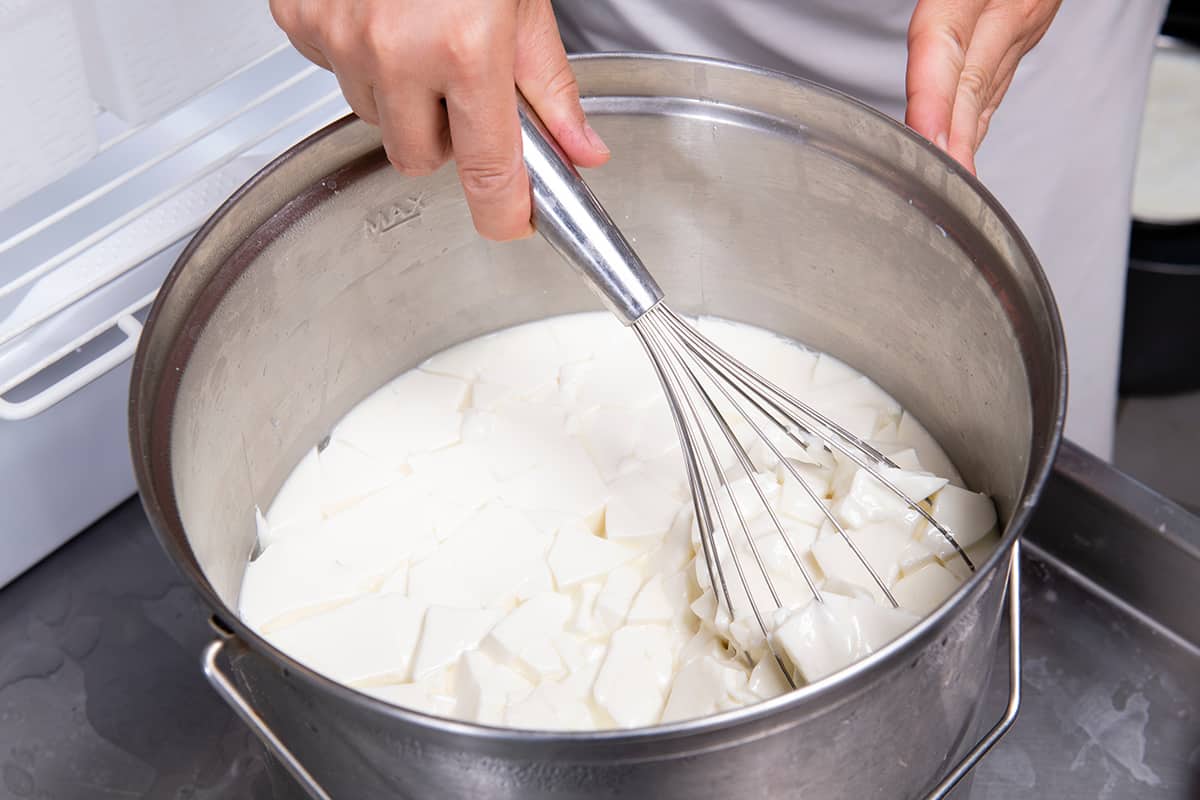
Creating homemade cheese is a rewarding experience, but it can sometimes present challenges. Understanding common problems and knowing how to address them is crucial for success. This section will delve into the most frequent issues encountered when working with homemade cheese and provide practical solutions.
Melting Cheese Problems and Solutions
Melting homemade cheese can be tricky. Achieving the right texture and preventing it from becoming greasy is a common hurdle. Here are some key points to consider:
- Temperature Control: Overheating is the primary culprit behind greasy cheese. Use low and slow heat. Avoid high temperatures, which can cause the fats to separate.
- Gentle Heating Methods: Consider using a double boiler or a slow cooker for melting cheese. These methods provide more even heat distribution.
- Adding Acid: A small amount of acid, such as lemon juice or white wine, can help emulsify the cheese and prevent it from separating. Start with a teaspoon per cup of cheese and adjust to taste.
- Stirring Technique: Stir the cheese frequently and gently while melting. Avoid over-stirring, which can also contribute to greasiness. Use a wooden spoon or a heat-resistant spatula.
- Starch Addition: Adding a small amount of starch, like cornstarch or tapioca starch, can help bind the cheese and prevent separation. Mix about 1/2 teaspoon of starch with a tablespoon of cold water, then add it to the cheese while melting.
- Cheese Type: Some cheeses melt better than others. For example, aged cheddar and Monterey Jack melt more smoothly than fresh cheeses like ricotta.
- Example: If you’re making a cheese sauce, start with a roux (butter and flour) before adding the milk and cheese. This provides a stable base and helps prevent separation.
Adjusting Recipes for Homemade Cheese Flavors
Homemade cheese has unique flavors that differ from commercially produced cheese. Adapting recipes to complement these flavors is essential for optimal results.
- Flavor Profile Awareness: Consider the specific flavor profile of your homemade cheese. Is it tangy, mild, sharp, or nutty? Understanding its characteristics is key.
- Balancing Flavors: When using tangy homemade cheese, balance the flavors with other ingredients. For instance, pair it with sweet fruits, honey, or a touch of sugar.
- Reducing Salt: Homemade cheese often has a different salt content than store-bought cheese. Adjust the salt in your recipe accordingly. Taste the cheese before adding any salt.
- Ingredient Pairings: Experiment with complementary ingredients. For example, a sharp cheddar-style cheese pairs well with apples and walnuts. Soft cheeses can be enhanced with herbs and spices.
- Recipe Modification: Be prepared to adjust the amount of cheese in a recipe. Homemade cheese might be more potent or milder than the commercial version, impacting the final flavor. Start with a smaller amount and increase it to your liking.
- Example: If using a homemade goat cheese in a quiche, consider adding fresh herbs like chives or thyme to complement its tangy flavor. You might also reduce the amount of salt in the egg mixture.
Recipe Variations and Creative Twists
Homemade cheese offers a fantastic opportunity to elevate classic recipes and explore exciting culinary possibilities. This section delves into adapting traditional dishes, incorporating seasonal ingredients, and creating unique fusion cuisine, all while showcasing the versatility of your homemade creations.
Recipe Variations for Classic Dishes
Adapting classic dishes to incorporate homemade cheese is a straightforward way to personalize your cooking and introduce new flavors. Here’s a table highlighting variations, including vegan alternatives:
| Classic Dish | Homemade Cheese Variation | Vegan Alternative |
|---|---|---|
| Mac and Cheese | Use a sharp cheddar made with homemade cheese for a bolder flavor. Experiment with different cheese textures (soft, semi-hard) for varied creaminess. | Cashew “cheese” sauce with nutritional yeast and plant-based milk. Add roasted vegetables for extra flavor and nutrients. |
| Pizza | Use homemade mozzarella or ricotta as the base cheese. Experiment with different herb-infused cheeses or flavored cheese (e.g., chili cheese). | Use a cashew-based mozzarella alternative or a blend of plant-based cheeses. Add a drizzle of olive oil after baking for added flavor. |
| Lasagna | Substitute store-bought ricotta with homemade ricotta for a fresher taste and texture. Incorporate a parmesan made with homemade cheese for grating. | Use a tofu-based ricotta alternative or a cashew-based cheese sauce. Consider adding spinach or other vegetables for added flavor and texture. |
| Quesadillas | Use homemade Oaxaca or a similar melting cheese. Add a layer of crumbled homemade cotija for a salty finish. | Use a blend of plant-based cheeses that melt well. Add black beans, corn, or other vegetables for extra flavor. |
| Grilled Cheese | Use a variety of homemade cheeses, like a combination of cheddar and a soft cheese like brie or camembert. Experiment with different bread types. | Use plant-based cheese slices or a homemade cheese sauce. Add roasted tomatoes or caramelized onions for extra flavor. |
Adapting Recipes to Incorporate Seasonal Ingredients
Seasonal ingredients can dramatically enhance the flavor profile of your dishes. Using homemade cheese with seasonal produce creates a symphony of flavors.
- Spring: Incorporate fresh, vibrant ingredients. For example, combine homemade goat cheese with asparagus and ramps in a quiche or frittata. The delicate flavor of goat cheese complements the fresh, slightly bitter notes of asparagus and ramps.
- Summer: Focus on ripe, juicy produce. For example, use homemade mozzarella with fresh tomatoes and basil in a caprese salad. The creamy mozzarella, combined with the sweetness of the tomatoes and the aromatic basil, is a classic summer combination.
- Autumn: Embrace warm, earthy flavors. Consider using homemade cheddar or Gruyère with roasted root vegetables like butternut squash and parsnips in a gratin or soup. The sharpness of the cheese complements the sweetness of the vegetables.
- Winter: Utilize hearty, warming ingredients. Pair homemade blue cheese with roasted pears and walnuts in a salad or tart. The richness of the blue cheese complements the sweetness of the pears and the crunch of the walnuts.
Creating Fusion Dishes with Homemade Cheese
Fusion cuisine offers a playground for culinary creativity, and homemade cheese can be the star. Consider these ideas:
- Mexican-Italian Fusion: Create a quesadilla using homemade Oaxaca cheese with Italian sausage and roasted red peppers. The mild flavor of Oaxaca complements the bold Italian sausage.
- French-Asian Fusion: Use homemade brie in a banh mi sandwich, combined with pickled vegetables and cilantro. The creamy brie adds a luxurious touch to the Vietnamese sandwich.
- Indian-American Fusion: Make a grilled cheese sandwich using homemade paneer and a spicy chutney. The mild paneer balances the spiciness of the chutney.
- Mediterranean-American Fusion: Create a pizza with homemade feta, Kalamata olives, and sun-dried tomatoes. The salty feta complements the olives and tomatoes.
Summary
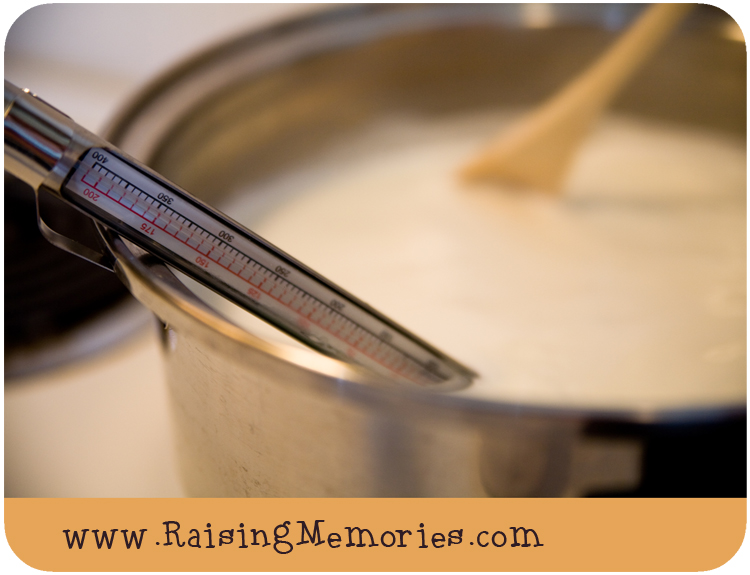
From fresh ricotta to aged cheddar, the possibilities with homemade cheese are endless. We’ve journeyed through classic recipes, explored flavor pairings, and uncovered creative twists, all designed to inspire your culinary adventures. Remember, the key is experimentation and enjoying the process. So, gather your ingredients, embrace the satisfaction of crafting your own cheese, and let the flavors of your homemade creations elevate your meals to new heights.