Embark on a culinary journey with How to Freeze Your Homemade Cheese for Later, where we transform the art of preserving your homemade creations into a simple, accessible guide. This comprehensive exploration dives deep into the intricacies of freezing cheese, ensuring you can savor your delicious batches long after they’re made. From understanding the science behind texture changes to mastering the best techniques, this guide is your key to unlocking the full potential of your homemade cheese.
We’ll cover everything from the challenges of freezing different cheese types to the essential tools and methods for optimal results. You’ll learn how to prepare your cheese for freezing, discover the best thawing techniques, and explore creative ways to use your thawed cheese in a variety of recipes. Get ready to say goodbye to cheese waste and hello to a world of perfectly preserved flavor!
Understanding the Challenges of Freezing Homemade Cheese
Freezing homemade cheese can be a convenient way to extend its shelf life, but it’s crucial to understand how the process affects the final product. Different cheese types react differently to freezing, and knowing these nuances can help you avoid disappointment and enjoy your homemade creations for longer. Understanding these challenges will allow you to make informed decisions about which cheeses to freeze and how best to prepare them.
Effects of Freezing on Texture and Flavor
Freezing fundamentally alters the structure of cheese. Water molecules within the cheese form ice crystals, which can damage the protein network and fat globules. This damage often leads to changes in texture and, sometimes, flavor. The extent of these changes depends on the cheese’s composition and moisture content.The primary textural changes observed are:
- Crumbly Texture: The formation of ice crystals can break down the cheese’s structure, making it crumbly, especially in cheeses with higher moisture content.
- Mealy Texture: Some cheeses may develop a mealy or grainy texture due to the disruption of fat and protein molecules.
- Loss of Creaminess: Freezing can cause a loss of creaminess, especially in softer cheeses, as the water content separates.
Flavor changes are less predictable but can include:
- Milder Flavor: Freezing can sometimes mute the flavor of the cheese.
- Off-Flavors: While rare, improper freezing or freezer burn can lead to the development of off-flavors.
Cheese Types That Freeze Well and Those That Do Not
The suitability of a cheese for freezing is largely determined by its moisture content, fat content, and overall structure. Cheeses with lower moisture content and higher fat content generally freeze better.Cheeses that typically freeze
well* include
- Hard Cheeses: Cheeses like cheddar, Parmesan, and Swiss can be frozen, though their texture may become slightly crumbly. It is important to grate or slice these cheeses before freezing to minimize textural changes.
- Semi-Hard Cheeses: Cheeses like Gouda and Monterey Jack can be frozen, but their texture may change more noticeably than hard cheeses.
- Processed Cheeses: Processed cheeses often freeze well due to their stabilized composition and additives.
Cheeses that typically
do not* freeze well or are best avoided include
- Soft Cheeses: Cheeses like Brie, Camembert, and fresh mozzarella are not recommended for freezing, as their high moisture content leads to significant textural changes, often becoming watery or mushy.
- Fresh Cheeses: Cheeses like ricotta and cottage cheese tend to separate and become grainy upon thawing.
- High-Moisture Cheeses: Cheeses with a very high moisture content, such as some fresh goat cheeses, are also best avoided.
Common Issues and How They Manifest
Several issues can arise when freezing homemade cheese, each impacting the final quality. Understanding these issues allows for better preparation and expectations.
- Changes in Moisture Content: The most common issue is the separation of water from the cheese, leading to a change in texture. This is more pronounced in cheeses with higher moisture levels. This is due to the formation of ice crystals.
- Crumbly Texture: As mentioned earlier, the disruption of the cheese’s protein structure can result in a crumbly texture. This is especially noticeable in hard cheeses.
- Freezer Burn: This occurs when cheese is exposed to air in the freezer, leading to dehydration and changes in flavor and texture. Freezer burn manifests as dry, discolored patches on the cheese surface.
- Flavor Alterations: While less common, the freezing process can sometimes lead to a loss of flavor intensity or the development of off-flavors. This can be caused by oxidation or the breakdown of fats.
Preparing Cheese for Freezing
Freezing homemade cheese successfully hinges on how well you prepare it. Proper preparation ensures that the cheese retains its quality, flavor, and texture as much as possible after thawing. This involves careful portioning, wrapping, and labeling to make the freezing and thawing process as effective as it can be.
Portioning Homemade Cheese
The way you divide your cheese before freezing significantly impacts its usability later. Freezing cheese in usable portions prevents you from thawing more than you need, minimizing waste and repeated freezing, which can degrade the quality.
- Consider your typical usage: Think about how you usually use the cheese. Do you slice it for sandwiches, crumble it on salads, or grate it for cooking? Portioning accordingly makes it easier to grab what you need. For instance, if you frequently use a cup of shredded cheese for a recipe, freeze it in cup-sized portions.
- Cut into manageable sizes: Divide the cheese into smaller blocks, slices, or cubes. This not only makes it easier to thaw specific amounts but also speeds up the freezing process. Smaller pieces freeze faster, resulting in less ice crystal formation and better texture preservation.
- Use a kitchen scale: For consistent portioning, especially if you’re making several batches, use a kitchen scale. This ensures that each portion is the same size, simplifying your meal planning and recipe preparation.
- Shape for convenience: When freezing cheese that will be grated or crumbled, consider shaping it into discs or flattened blocks. This makes it easier to break off or grate the cheese when needed after thawing. For example, if you make a lot of feta cheese, you can freeze it in small, flat, rectangular portions, making it easier to crumble later.
Wrapping and Packaging Materials
The materials you use to wrap and package your cheese are crucial for protecting it from freezer burn and preserving its flavor and texture. Proper wrapping prevents moisture loss and the absorption of off-flavors from other foods in your freezer.
- Choose appropriate wrapping materials:
- Freezer-safe plastic wrap: This is an excellent first layer to tightly wrap the cheese. Make sure to press the wrap directly against the cheese surface to minimize air pockets.
- Aluminum foil: A second layer of aluminum foil adds another barrier against moisture and air. Ensure the foil is tightly sealed around the plastic-wrapped cheese.
- Freezer bags: Place the wrapped cheese into a freezer bag. Press out as much air as possible before sealing the bag. Consider using a vacuum sealer for even better results.
- Avoid using materials that are not freezer-safe: Wax paper and regular plastic wrap are not ideal as they don’t provide a sufficient barrier against moisture and air, leading to freezer burn.
- Consider the freezer bag type: Choose freezer bags over storage bags. Freezer bags are thicker and designed to withstand lower temperatures, offering better protection against freezer burn.
- For long-term storage: For cheese you plan to store for several months, vacuum sealing is the best option. Vacuum sealing removes almost all the air, significantly extending the cheese’s shelf life in the freezer.
Labeling Cheese with Date and Type
Accurate labeling is essential for keeping track of your frozen cheese and ensuring you use it within the recommended timeframe. Proper labeling helps you avoid freezer burn and ensures that you can identify the cheese type and when it was frozen.
- Use freezer-safe labels or a permanent marker: Labels or markers need to withstand the cold and prevent smudging or fading.
- Include the following information:
- Cheese type: Specify the type of cheese (e.g., cheddar, mozzarella, feta).
- Date of freezing: Note the date the cheese was frozen.
- Batch information (optional): If you make multiple batches, you can include batch numbers for tracking.
- Place the label on the outside of the packaging: Ensure the label is clearly visible, so you can easily identify the cheese without unwrapping it.
- Example of a label:
Cheddar Cheese Frozen: 05/03/2024 Batch 1
- Keep a freezer inventory: Consider maintaining a separate list or spreadsheet to track what cheese you have frozen, its quantity, and its expected use-by date. This helps with meal planning and reduces the chances of cheese being forgotten and going to waste.
Optimal Freezing Techniques
Freezing cheese successfully hinges on employing the right methods to preserve its texture and flavor. Improper freezing can lead to undesirable changes, such as a crumbly or watery consistency. The following steps and techniques will help you maximize the quality of your frozen homemade cheese.
Step-by-Step Procedure for Freezing Cheese
Proper preparation is key to successful cheese freezing. This step-by-step guide will help you achieve the best results.
- Prepare the Cheese: Cut the cheese into the desired portions for future use. This can be blocks, slices, or shredded, depending on how you plan to use it later. Smaller portions freeze and thaw more quickly and evenly.
- Wrap the Cheese Tightly: Wrap each portion individually in plastic wrap, pressing it firmly against the cheese to eliminate air pockets. Air is the enemy of frozen cheese, as it can cause freezer burn and degrade the quality.
- Add a Second Layer of Protection: After wrapping in plastic wrap, place the wrapped cheese in a freezer-safe bag or container. This provides an extra layer of protection against freezer burn and helps prevent the cheese from absorbing odors from other foods in the freezer.
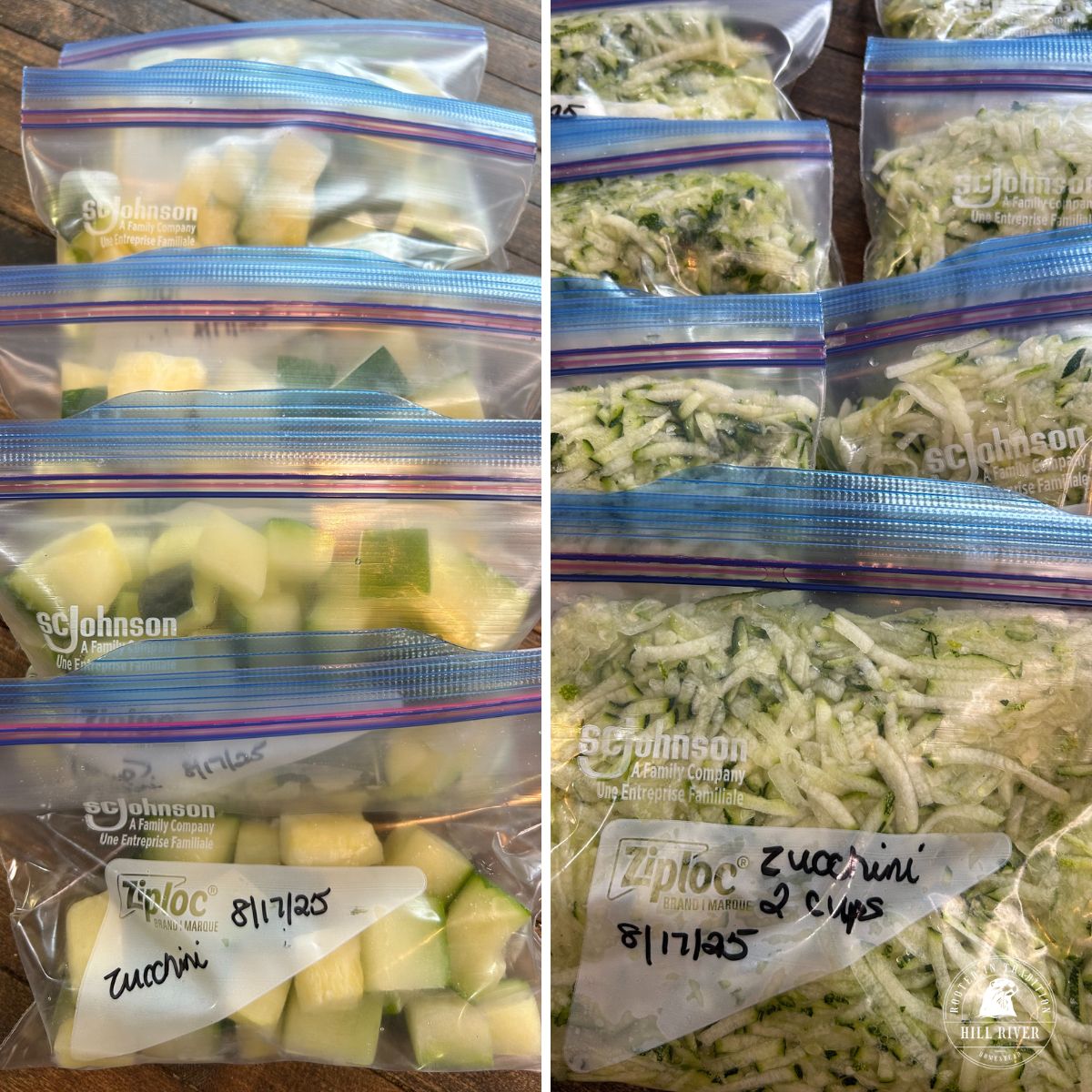
- Label and Date: Clearly label each package with the type of cheese and the date it was frozen. This helps you keep track of how long the cheese has been stored and ensures you use it before it expires.
- Freeze: Place the wrapped cheese in the freezer. For best results, place the packages flat to allow for even freezing.
Flash-Freezing Cheese
Flash-freezing can significantly improve the quality of frozen cheese, especially for cheeses that are naturally high in moisture. This method rapidly freezes the cheese, minimizing the formation of large ice crystals that can damage the cheese’s structure.
- Prepare the Cheese: Cut the cheese into the desired portions. Cubes or slices work well for flash-freezing.
- Arrange on a Baking Sheet: Place the cheese pieces on a baking sheet lined with parchment paper, ensuring the pieces do not touch each other.
- Flash-Freeze: Place the baking sheet in the freezer for 1-2 hours, or until the cheese is frozen solid.
- Package: Once frozen solid, quickly transfer the cheese pieces to a freezer-safe bag or container. Remove as much air as possible, then seal and label.
Ideal Freezer Temperatures and Storage Durations for Different Cheese Types
Maintaining the correct freezer temperature and knowing the appropriate storage times are crucial for preserving cheese quality. Here’s a breakdown of ideal conditions for various cheese types.
The ideal freezer temperature is 0°F (-18°C) or below. This temperature helps to slow down enzymatic activity and microbial growth, extending the shelf life of the cheese.
| Cheese Type | Recommended Storage Duration | Notes |
|---|---|---|
| Hard Cheeses (Cheddar, Parmesan, Gruyère) | 2-3 months | These cheeses freeze relatively well. Expect some textural changes upon thawing, but they can still be used for cooking. |
| Semi-Hard Cheeses (Monterey Jack, Havarti) | 1-2 months | May become slightly crumbly after thawing. Best used in cooked dishes. |
| Soft Cheeses (Brie, Camembert) | Not Recommended | Freezing typically alters the texture significantly. Thawing often results in a mushy or watery consistency. |
| Cream Cheese | 1-2 months | The texture may change after thawing; it might separate or become grainy. Best used in cooked applications. |
| Ricotta Cheese | 1-2 months | Freezing will change the texture and it will become more watery. |
| Shredded Cheese | 1-2 months | Shredded cheese is convenient to freeze. |
Important Note: These are general guidelines. Always check the cheese for signs of spoilage, such as mold, off-odors, or discoloration, before using it, regardless of how long it has been frozen. If you notice any of these signs, discard the cheese.
Thawing Homemade Cheese Safely
Thawing homemade cheese correctly is crucial for maintaining its texture, flavor, and safety. Improper thawing can lead to undesirable changes in the cheese, such as a grainy texture, loss of moisture, and the potential for bacterial growth. This section will guide you through the safest and most effective methods for thawing your homemade cheese, along with what to avoid.
Best Thawing Methods
The goal of thawing cheese is to bring it back to a usable state gradually, minimizing changes to its structure and flavor profile. Slow and controlled thawing is key.
Here are the recommended methods:
- Refrigerator Thawing: This is the safest and most recommended method. Place the frozen cheese in its original packaging or a tightly sealed container in the refrigerator. Allow ample time for thawing; this could take anywhere from 12 hours to several days, depending on the size and type of cheese. Harder cheeses generally take longer to thaw than softer ones.
- Cold Water Thawing: For faster thawing, submerge the sealed cheese in a bowl of cold water. Change the water every 30 minutes to maintain a consistent cold temperature. This method is faster than refrigerator thawing but still maintains a relatively safe temperature. This method is best for smaller portions of cheese.
Methods to Avoid
Certain thawing methods can compromise the safety and quality of your homemade cheese. These methods can create conditions that promote bacterial growth or lead to significant textural changes.
Avoid these thawing methods:
- Thawing at Room Temperature: This is the most dangerous method. Leaving cheese at room temperature for extended periods allows bacteria to multiply rapidly, increasing the risk of foodborne illness. The exterior of the cheese thaws quickly, creating a breeding ground for bacteria while the interior remains frozen, resulting in uneven thawing.
- Using a Microwave: Microwaving cheese can cause uneven heating and drastically alter its texture, making it rubbery or watery. It can also lead to a loss of flavor. The rapid temperature change can also affect the cheese’s structure, causing it to separate or become grainy.
- Thawing in Warm Water: Similar to room temperature thawing, warm water encourages bacterial growth. It can also cause the cheese to soften unevenly and affect its texture.
Signs of Spoiled Cheese After Thawing
Even with careful thawing, it’s essential to recognize the signs of spoilage. If you observe any of these indicators, discard the cheese immediately.
Signs of spoiled cheese include:
- Unpleasant Odor: A sour, ammonia-like, or otherwise off-putting smell is a strong indication of spoilage. Fresh cheese should have a mild, pleasant aroma characteristic of its type.
- Changes in Texture: Excessive sliminess, stickiness, or a significant change in texture (e.g., excessively dry, grainy, or watery) can indicate spoilage. The cheese’s texture should be relatively consistent with its original state.
- Mold Growth: While some cheeses have mold as part of their production, any new or unusual mold growth, especially if it’s not characteristic of the cheese type, is a sign of spoilage. Observe the color and texture of the mold.
- Discoloration: Any unusual discoloration, such as spots or patches of color that are not typical for the cheese, may indicate spoilage. This is especially true if the discoloration is accompanied by other signs of spoilage.
- Sour or Bitter Taste: A significant change in taste, especially a sour or bitter flavor, is a warning sign. The cheese should taste fresh and characteristic of its type.
Using Frozen Cheese in Recipes

Incorporating previously frozen homemade cheese into your cooking can be a rewarding way to reduce food waste and enjoy your creations later. Knowing how to best utilize thawed cheese ensures delicious results, even if the texture has changed slightly during freezing. This section focuses on recipe ideas and techniques to maximize the flavor and usability of your frozen cheese.
Recipe Ideas for Frozen Cheese
Frozen cheese can be a fantastic ingredient in a variety of dishes. The key is to select recipes where the slight textural changes resulting from freezing won’t significantly impact the final product.
- Sauces: Thawed cheese works exceptionally well in sauces. Consider these options:
- Cheese Sauce: Melt thawed cheese into a béchamel sauce for a classic cheese sauce for pasta, vegetables, or nachos. The sauce’s creamy texture will mask any graininess that might have developed in the cheese.
- Alfredo Sauce: Use thawed Parmesan or Romano cheese to create a rich Alfredo sauce. The cheese’s sharpness will still shine through.
- Queso Dip: Blend thawed cheese with other ingredients like tomatoes, chilies, and spices for a flavorful queso dip.
- Soups and Stews: Add thawed cheese to soups and stews for extra flavor and creaminess.
- Cheese Soup: Incorporate thawed cheddar or Gruyère into a cheese soup for a comforting and hearty meal.
- Chili: Stir in thawed Monterey Jack or pepper jack cheese towards the end of the cooking process to add a melty, cheesy layer.
- Baked Dishes: Frozen cheese can be used in many baked dishes.
- Casseroles: Add thawed cheese to casseroles like mac and cheese or vegetable bakes. The cheese will melt and contribute to the overall flavor and texture.
- Lasagna: Use thawed ricotta or mozzarella cheese as a layer in lasagna.
- Pizza: Sprinkle thawed mozzarella or a blend of cheeses on pizza before baking.
- Savory Breads and Muffins: Frozen cheese adds flavor and texture to baked goods.
- Cheese Bread: Incorporate thawed cheddar or Gruyère into bread dough for a cheesy loaf.
- Cheese Muffins: Add thawed cheese to muffin batter for a savory breakfast or snack.
Incorporating Thawed Cheese into Dishes
The method of incorporating thawed cheese can significantly impact the final result. Here’s how to best utilize it:
- Melted Applications: For sauces, soups, and casseroles, melt the cheese directly into the hot liquid or dish. This helps to redistribute any moisture that may have separated during thawing. Stir constantly to ensure even melting and prevent clumping.
- Shredding or Crumbling: If the cheese is suitable for shredding or crumbling after thawing (e.g., cheddar, Monterey Jack), do so before adding it to a dish. This helps distribute the cheese more evenly.
- Avoiding Direct Heat: Avoid using thawed cheese in applications where it will be exposed to direct high heat for extended periods, such as grilling or broiling. The texture might become rubbery or dry.
- Blending: For creamy sauces or dips, consider blending the thawed cheese with other ingredients to achieve a smooth consistency. A food processor or immersion blender works well.
Comparing Fresh vs. Frozen Cheese in Cooking
Understanding the differences between fresh and frozen cheese helps in making informed decisions in the kitchen.
| Attribute | Fresh Cheese | Frozen Cheese |
|---|---|---|
| Texture | Typically has the original texture and consistency. | May have a slightly altered texture, possibly becoming more crumbly or grainy, especially after freezing. |
| Flavor | Often retains its original flavor profile. | Flavor can sometimes become more concentrated or slightly altered, depending on the cheese type. |
| Best Uses | Ideal for dishes where texture is critical, such as cheese boards, salads, and sandwiches. | Best suited for cooked dishes where texture changes are less noticeable, like sauces, soups, and baked goods. |
| Shelf Life | Shorter shelf life; should be used within a few days of purchase. | Extended shelf life due to freezing; can be stored for several months. |
By understanding the characteristics of both fresh and frozen cheese, you can make the most of your ingredients and create delicious meals while minimizing food waste.
Types of Cheese and Freezing Suitability
Knowing which cheeses freeze well and which ones don’t is crucial for successful cheese storage. Different cheese types have varying compositions, influencing how they react to freezing and thawing. Understanding these differences allows you to plan accordingly, minimizing texture changes and ensuring the best possible eating experience.
Freezing Characteristics of Various Cheese Types
The following table provides a guide to the freezeability of common cheese varieties. It considers factors such as moisture content, fat content, and aging process. This information will help you decide which cheeses are suitable for freezing and how to best use them after thawing.
| Cheese Type | Freezeability | Best Uses After Thawing | Notes |
|---|---|---|---|
| Hard Cheeses (Cheddar, Parmesan, Swiss) | Good | Cooking, grating, sauces | May become slightly crumbly after thawing; best grated or used in cooked dishes. |
| Semi-Hard Cheeses (Monterey Jack, Gouda, Havarti) | Fair | Cooking, sandwiches (if used immediately) | Texture may change, becoming slightly grainy; best used in cooked applications. |
| Soft Cheeses (Brie, Camembert) | Poor | Not Recommended | Texture and flavor significantly deteriorate; generally not recommended for freezing. |
| Fresh Cheeses (Mozzarella, Feta, Ricotta) | Fair | Cooking, dips, sauces | Texture may become watery or grainy; best used in cooked dishes. Feta in brine freezes better than other fresh cheeses. |
| Processed Cheese | Good | Cooking, sandwiches | Maintains texture well due to added stabilizers; ideal for cooking. |
| Blue Cheeses (Roquefort, Gorgonzola) | Fair | Cooking, crumbles for salads | Texture may change, becoming slightly crumbly; flavor can intensify. |
Differences in Freezing Hard, Soft, and Aged Cheeses
The differences in how hard, soft, and aged cheeses freeze are primarily due to their moisture content and protein structure. These factors influence how ice crystals form and affect the cheese’s texture during the freezing and thawing process.
- Hard Cheeses: These cheeses, such as cheddar and Parmesan, have a lower moisture content and a more tightly bound protein structure. This allows them to freeze and thaw relatively well, although they may become slightly crumbly. Because of the lower water content, ice crystals have less space to form and therefore, cause less structural damage during freezing.
- Soft Cheeses: Soft cheeses, like Brie and Camembert, have a high moisture content and a delicate protein structure. Freezing can cause significant damage to their structure, leading to a mushy and unappetizing texture. The large ice crystals that form during freezing disrupt the protein network.
- Aged Cheeses: Aged cheeses, such as well-aged cheddar or Gouda, have undergone significant protein breakdown during the aging process. This makes them more susceptible to textural changes during freezing. While some aged cheeses can be frozen, their texture may become more crumbly or mealy after thawing.
Impact of Fat Content on Freezing Quality
The fat content of cheese plays a significant role in its freezing quality. Higher-fat cheeses tend to freeze better than lower-fat cheeses. Fat acts as a buffer, helping to protect the protein structure from damage caused by ice crystal formation.
- High-Fat Cheeses: Cheeses with a higher fat content, such as cheddar or Brie, often freeze better because the fat molecules help to insulate the protein network from the damaging effects of ice crystal formation. The fat content helps to maintain a smoother texture during thawing.
- Low-Fat Cheeses: Low-fat cheeses, such as part-skim mozzarella or reduced-fat cheddar, tend to become drier and more rubbery after freezing and thawing. The lack of fat leaves the protein structure more vulnerable to ice crystal damage.
- Example: Consider a comparison between full-fat and low-fat cheddar cheese. Full-fat cheddar, with its higher fat content, will typically retain a more acceptable texture after freezing than low-fat cheddar, which may become noticeably drier and more crumbly.
Troubleshooting Common Freezing Problems
:max_bytes(150000):strip_icc():focal(749x0:751x2)/freeze-dried-caramel-mms-100825-1-02fffe757bf24024afa83302f8ec25ef.jpg "Freeze Dried Fruit: Step-by-Step Guide1")
Freezing homemade cheese isn’t always a perfect process, and sometimes things go wrong. Understanding how to identify and address common freezing issues can help you salvage your cheese and prevent future problems. Let’s delve into some of the most frequent challenges and their solutions.
Addressing Dry or Crumbly Cheese
Sometimes, after thawing, your cheese might be drier or more crumbly than when you froze it. This often results from ice crystal formation during freezing, which damages the cheese’s structure and removes moisture.Here are several methods to address this:
- Use the cheese in cooked dishes. The change in texture is less noticeable when the cheese is melted or incorporated into a sauce. Think of mac and cheese, casseroles, or grilled cheese sandwiches.
- Rehydrate the cheese. For harder cheeses, try soaking the cheese in milk or cream for a short time to restore some moisture. Be careful not to over-soak, as this can make the cheese mushy.
- Grate the cheese. Grating the cheese can help break up the crumbly texture, making it more suitable for sprinkling over dishes or adding to salads.
- Blend the cheese. If the cheese is very dry and crumbly, consider blending it into a sauce or dip. This can help mask the texture issues.
Solutions for Cheese Developing Off-Flavors
Off-flavors in frozen cheese are often caused by oxidation or the absorption of odors from other foods in the freezer. This can lead to a stale, metallic, or otherwise unpleasant taste.Here’s how to handle cheese with off-flavors:
- Check your freezer’s temperature. A consistent temperature of 0°F (-18°C) or lower is crucial for preserving cheese quality. Fluctuations can accelerate flavor changes.
- Ensure proper packaging. Air exposure is a primary cause of oxidation. Make sure your cheese is tightly wrapped in airtight packaging, such as freezer-safe bags or containers, before freezing. Consider double-wrapping for extra protection.
- Use the cheese quickly. Once thawed, use the cheese as soon as possible. The longer it sits, the more likely it is to develop off-flavors.
- Mask the flavor. If the off-flavor is mild, you might be able to use the cheese in dishes with strong flavors that can mask the issue. For example, use it in a chili, a spicy pasta sauce, or a dish with garlic and herbs.
- Discard the cheese. If the off-flavor is strong or the cheese tastes spoiled, it’s best to discard it for safety reasons. Food safety is paramount.
Salvaging Improperly Frozen Cheese
Sometimes, despite your best efforts, cheese might not freeze well. This can be due to improper packaging, freezing for too long, or simply the type of cheese. While you can’t always completely restore the original texture or flavor, there are things you can do.Here are some steps you can take:
- Evaluate the damage. Assess the extent of the damage. Is the texture slightly altered, or is the cheese severely damaged? The degree of damage will influence your options.
- Use the cheese in cooked dishes. As mentioned before, cooked dishes are generally the best use for cheese that hasn’t frozen perfectly. The heat will often mask texture changes.
- Repurpose the cheese. If the cheese is still safe to eat but has a changed texture, think about repurposing it. For instance, you could use a softer, slightly grainy cheese in a cheese sauce, a quiche, or a grilled cheese.
- Make cheese spread. If the cheese is too dry to eat on its own, consider making a cheese spread. Combine the cheese with cream cheese, herbs, and spices in a food processor until smooth. This is a great way to use up leftover cheese.
- Compost the cheese. If the cheese is unsafe to eat, consider composting it (if your local regulations allow). Avoid composting cheese that is moldy or has other signs of spoilage.
Equipment and Tools for Freezing Cheese
Freezing cheese successfully relies on having the right tools and equipment. Proper preparation and storage are key to maintaining the quality and flavor of your homemade cheese. This section details the essential items needed for effective cheese freezing.
Essential Tools and Equipment
To freeze cheese effectively, you’ll need a few key items. These tools will help you prepare, package, and store your cheese, ensuring it remains in good condition.
- Cutting Board and Knife: A clean cutting board and a sharp knife are essential for portioning your cheese into manageable sizes before freezing. Consider using a cheese knife for optimal slicing.
- Food Scale: A food scale is helpful for measuring cheese portions accurately. This allows for consistent sizing and easier portioning for recipes later.
- Plastic Wrap: High-quality plastic wrap is needed for wrapping cheese tightly. This helps prevent freezer burn and maintain moisture levels.
- Freezer-Safe Bags or Containers: Choose freezer-safe bags (like zip-top bags) or airtight containers for storing wrapped cheese. These protect the cheese from freezer burn and contamination.
- Labels and Marker: Clearly label each package with the cheese type, date of freezing, and any other relevant information (e.g., recipe use). This prevents confusion and helps with inventory management.
- Vacuum Sealer (Optional but Recommended): A vacuum sealer removes air from the packaging, extending the cheese’s freezer life and preserving its quality.
Benefits of Using Vacuum Sealers
Vacuum sealers offer significant advantages when freezing cheese. By removing air from the packaging, they create a tight seal that protects the cheese from freezer burn and oxidation.
- Extended Freezer Life: Vacuum sealing significantly extends the freezer life of cheese, often up to several months, compared to traditional methods.
- Reduced Freezer Burn: The airtight seal created by a vacuum sealer minimizes the formation of ice crystals, reducing the risk of freezer burn and preserving the cheese’s texture and flavor.
- Preserved Flavor and Texture: Vacuum sealing helps maintain the cheese’s original flavor and texture, preventing it from drying out or absorbing odors from the freezer.
- Space-Saving Storage: Vacuum-sealed packages take up less space in the freezer, allowing for more efficient organization.
Designing a Storage System for Organizing Frozen Cheese
An organized storage system is crucial for managing your frozen cheese inventory. Proper organization makes it easier to find what you need and prevents food waste.
- Categorize by Type: Group cheeses by type (e.g., hard, soft, semi-hard) or by intended use (e.g., grating, melting).
- Label Clearly: Use clear labels with the cheese type, date frozen, and any other relevant information.
- Use a Freezer Inventory: Maintain a list or spreadsheet of the cheeses in your freezer, including the type, date frozen, and estimated use-by date.
- First In, First Out (FIFO): Always use the oldest cheese first. Place newly frozen cheese at the back of the freezer and move older packages to the front.
- Consider Storage Containers: Utilize clear, stackable containers or baskets to keep your cheese organized and easily accessible. This allows for easy visibility and prevents items from getting lost in the freezer.
Visual Guide: Preparing and Freezing Cheese
This visual guide provides a step-by-step walkthrough for preparing and freezing homemade cheese. The goal is to ensure the cheese retains its quality and flavor when thawed. Each stage will be accompanied by detailed descriptions of the necessary actions and the expected visual outcomes. The guide prioritizes clarity and ease of understanding for all users, regardless of their prior experience.
Optimal Lighting and Composition for Visuals
The images within the visual guide should adhere to specific lighting and compositional guidelines to maximize clarity and user comprehension.* The lighting should be soft and diffused, avoiding harsh shadows that obscure details. Natural light is ideal, particularly during the golden hour (shortly after sunrise or before sunset), which provides a warm, even glow. If natural light is unavailable, a softbox setup with two or three lights can be used to achieve a similar effect.
- The composition should be clean and uncluttered, focusing solely on the cheese and the tools involved in each step. A neutral background, such as a clean white or light-colored surface, will help the cheese stand out. Close-up shots are recommended to highlight textures and details, while wider shots can be used to show the overall process.
- Consistent angles and perspectives are crucial. A top-down view is suitable for steps involving wrapping and labeling, while a slightly angled view might be better for showing the cheese’s texture or shape. All images should be in focus, ensuring every detail is sharp and visible.
- Color accuracy is important. The images should accurately represent the cheese’s color, avoiding any color casts. White balance should be carefully adjusted to ensure the colors are true to life.
Visual Style for Clarity and User-Friendliness
The visual style of the guide is designed to be simple, informative, and easy to follow. The use of clear visuals and concise text will enhance the user experience.* Step 1: Cheese Preparation:
Image Description
A close-up shot of a block of freshly made cheddar cheese. The cheese is a rich, creamy yellow color. The surface of the cheese appears smooth, with a few small, irregular air pockets visible. The cheese is resting on a clean, white cutting board. A stainless steel cheese knife is positioned beside the cheese.
Action
The cheese should be allowed to cool completely before proceeding. This prevents excessive moisture from forming during freezing.
Step 2
Cutting and Shaping:
Image Description
The cheddar cheese has been cut into smaller, uniformly sized blocks. The blocks are approximately 1-inch cubes. The cutting board remains clean, with minimal cheese crumbs. The cheese knife is still present, now resting on the cutting board.
Action
Cut the cheese into portions that are suitable for your typical usage. Smaller portions thaw more quickly and are easier to use.
Step 3
Wrapping – First Layer:
Image Description
A single cheese cube is being wrapped in plastic wrap. The plastic wrap is clear and clings tightly to the cheese, leaving no air pockets. The edges of the plastic wrap are neatly folded and sealed.
Action
Wrap each cheese portion individually in a layer of plastic wrap, ensuring a tight seal to prevent freezer burn. The plastic wrap should adhere closely to the cheese surface.
Step 4
Wrapping – Second Layer:
Image Description
The wrapped cheese cube from the previous step is now being wrapped in a second layer of plastic wrap. The second layer provides additional protection against freezer burn.
Action
A second layer of plastic wrap is recommended for added protection. This further reduces the chance of freezer burn.
Step 5
Labeling:
Image Description
The double-wrapped cheese cube is now being labeled with a piece of masking tape. The tape has been affixed to the outside of the plastic wrap. A marker is being used to write the type of cheese and the date.
Action
Label each wrapped cheese portion with the type of cheese (e.g., “Cheddar”), the date it was made, and the date it was frozen.
Step 6
Bagging:
Image Description
Several individually wrapped and labeled cheese cubes are being placed into a freezer-safe zip-top bag. The bag is clear and appears to be a heavy-duty type.
Action
Place the wrapped and labeled cheese portions into a freezer-safe zip-top bag. Remove as much air as possible before sealing the bag.
Step 7
Final Storage:
Image Description
The sealed freezer bag, now containing several cheese cubes, is shown lying flat in a freezer. The freezer is clean and organized. The bag is clearly visible, and the label is easy to read.
Action
Store the bag of cheese in the freezer, preferably on a flat surface. This helps maintain the cheese’s shape and ensures even freezing.
Final Wrap-Up
In conclusion, freezing your homemade cheese is an excellent way to extend its shelf life and reduce waste, opening up a world of culinary possibilities. By following the techniques Artikeld in this guide, you can confidently freeze, thaw, and enjoy your homemade cheeses, preserving their deliciousness for months to come. So, embrace the freezer, experiment with different cheese types, and savor the fruits of your labor, one perfectly preserved bite at a time!