Embark on a journey to master the art of cheese storage! This guide, “How to Properly Store Your Homemade Cheese in the Fridge,” is your key to preserving the delightful flavors and textures of your homemade creations. Proper storage isn’t just about keeping cheese; it’s about safeguarding your investment of time and effort, ensuring every bite is a delicious experience.
We’ll explore the essential elements, from understanding why proper storage is vital to mastering the best techniques for wrapping, packaging, and maintaining your cheese in the fridge. Learn how to choose the right containers, regulate humidity, and troubleshoot common issues. Get ready to elevate your cheese game and savor every morsel!
Understanding the Importance of Proper Cheese Storage
Properly storing your homemade cheese is not just about extending its shelf life; it’s about preserving the time and effort you invested in creating it, ensuring its deliciousness, and most importantly, safeguarding your health. Cheese, in its many forms, is a living food, and its journey from creation to consumption is heavily influenced by its environment. Neglecting proper storage can lead to a disappointing, even unsafe, cheese experience.
Flavor, Texture, and Safety Preservation
The flavor, texture, and safety of your homemade cheese are intrinsically linked to how you store it. Cheese is susceptible to environmental factors, and the wrong conditions can drastically alter its characteristics.
- Flavor Degradation: Cheese develops its unique flavors through enzymatic activity and the breakdown of proteins and fats. Improper storage can either accelerate or halt these processes, leading to bland, overly sharp, or otherwise undesirable flavors. For example, a cheese left exposed to air can dry out and develop a bitter, oxidized flavor.
- Texture Alteration: The texture of cheese, whether it’s creamy, crumbly, or firm, is also delicate. Incorrect storage can cause cheese to dry out, become overly soft, or develop an undesirable surface texture. Consider a soft cheese like Brie. If stored improperly, it can become runny and lose its shape, or conversely, become dry and crusty.
- Mold and Bacteria Growth: Cheese, particularly those with high moisture content, are ideal breeding grounds for unwanted mold and bacteria. These can not only ruin the flavor and texture but also pose health risks. Proper storage slows down the growth of these microorganisms.
Consequences of Improper Storage
Ignoring proper storage techniques can lead to a cascade of negative consequences, impacting the quality and safety of your homemade cheese. These consequences can range from minor inconveniences to serious health hazards.
- Mold Growth: This is one of the most common and visible signs of improper storage. While some molds are intentionally used in cheesemaking (e.g., blue cheese), the wrong types can spoil the cheese and produce harmful mycotoxins.
- Undesirable Texture Changes: As mentioned earlier, cheese can become dry, crumbly, or overly soft due to improper moisture control. These changes affect the eating experience and may indicate the cheese is past its prime.
- Flavor Deterioration: Cheese can develop off-flavors, such as bitterness, ammonia, or a general lack of complexity. This is often due to oxidation, excessive bacterial activity, or changes in the cheese’s pH.
- Spoilage: In severe cases, improper storage can lead to spoilage, where the cheese becomes inedible and potentially unsafe to consume. This is often accompanied by a foul odor, discoloration, and significant textural changes.
Storage Variations Based on Cheese Type
Different cheese types require different storage conditions due to their varying compositions and moisture contents. Understanding these differences is crucial for optimal storage.
- Soft Cheeses: These cheeses, such as Brie, Camembert, and fresh goat cheese, have high moisture content and are more susceptible to mold and bacterial growth. They generally need to be stored in a breathable wrap in the coldest part of the refrigerator to maintain their texture and prevent spoilage. For example, Brie is often wrapped in its original packaging or special cheese paper.
- Hard Cheeses: Hard cheeses, like Cheddar, Parmesan, and Gouda, have lower moisture content and are more resilient. They can be stored for longer periods but still require proper wrapping to prevent drying out. They should be wrapped tightly in wax paper or cheese paper, then placed in a loosely sealed plastic bag or container.
- Aged Cheeses: Aged cheeses, like Parmesan and some cheddars, benefit from controlled humidity. Too much humidity can promote mold growth, while too little can cause them to dry out. The best storage method is to wrap them in cheese paper or wax paper and store them in a refrigerator drawer specifically designed for produce, where humidity levels are generally higher.
Preparing Your Homemade Cheese for the Fridge
Now that your delicious homemade cheese is ready, it’s crucial to prepare it correctly for refrigeration. Proper preparation ensures your cheese stays fresh, flavorful, and safe to eat. This section will guide you through the necessary steps to protect your culinary creation.
Cooling Fresh Cheese Before Refrigeration
Allowing fresh cheese to cool properly before refrigeration is essential for both food safety and texture. Rapid cooling can negatively impact the cheese’s consistency and flavor development.* Immediately after making your cheese, let it cool at room temperature. The length of time depends on the cheese type, but generally, it should be until it reaches the ambient temperature.
For example, fresh cheeses like ricotta or chèvre often need only about 30 minutes to an hour to cool slightly.
- Avoid placing the cheese directly in the refrigerator while it’s still warm. This can lead to condensation and encourage the growth of unwanted microorganisms.
- Monitor the cheese closely during cooling. You can gently touch the surface to gauge the temperature.
Minimizing Contamination During Transfer
Handling your cheese with care during transfer to storage is vital to prevent contamination. Cleanliness is paramount to extending the cheese’s shelf life and ensuring its safety.* Always wash your hands thoroughly with soap and water before handling the cheese.
- Use clean utensils and cutting boards. Avoid using the same cutting board for cheese that you used for raw meat or vegetables. Cross-contamination is a serious concern.
- Consider wearing food-safe gloves, especially when handling soft cheeses. This minimizes direct contact and reduces the risk of transferring bacteria.
- Work in a clean environment, free from potential contaminants like dust or spills.
Step-by-Step Preparation for Different Cheese Types
The preparation process varies depending on the type of cheese. Here’s a guide for common homemade cheese varieties:* Soft Cheeses (e.g., Ricotta, Feta, Chèvre):
Allow the cheese to cool completely.
Gently pat the cheese dry with clean paper towels to remove excess moisture.
Wrap the cheese tightly in several layers of plastic wrap or place it in an airtight container. Make sure the wrap is flush against the cheese surface to prevent air pockets. Alternatively, store soft cheeses in brine, if applicable (e.g., feta). Submerge the cheese completely in a brine solution (typically 5-7% salt).
The brine helps preserve the cheese and prevent spoilage.
Label the container with the cheese type and the date it was made.
* Semi-Hard Cheeses (e.g., Havarti, Monterey Jack):
Let the cheese cool.
Dry the cheese surface with paper towels.
Wrap the cheese tightly in cheese paper or parchment paper. Cheese paper is specifically designed to allow the cheese to breathe while protecting it from drying out. Parchment paper works well too.
Wrap the paper-wrapped cheese in plastic wrap or place it in a resealable plastic bag.
Label with the cheese type and date.
* Hard Cheeses (e.g., Cheddar, Parmesan):
Cool the cheese.
Dry the surface of the cheese with paper towels.
For large blocks, consider waxing the cheese. Melt food-grade wax (available at cheese-making supply stores) and apply it to the cheese surface, creating a protective barrier. Allow the wax to harden completely.
If not waxing, wrap the cheese tightly in cheese paper or parchment paper.
Place the wrapped cheese in a resealable plastic bag or airtight container.
Label with the cheese type and the date.
Check the cheese regularly for mold development. If mold appears on the surface, trim it away with a clean knife, ensuring you remove at least 1 inch around the mold. Rewrap the cheese.* Blue Cheeses (e.g., Gorgonzola, Roquefort):
Cool the cheese.
Wrap the cheese tightly in cheese paper or parchment paper.
Place the wrapped cheese in a resealable plastic bag or airtight container.
Blue cheeses often benefit from a little air circulation. If possible, leave the bag slightly unsealed or use a container with a vented lid.
Label the cheese type and the date.
Selecting the Right Storage Containers

Choosing the right storage containers is crucial for maintaining the quality and extending the shelf life of your homemade cheese. Improper storage can lead to drying, mold growth, and off-flavors. This section explores various container options, their characteristics, and how they impact different cheese types.
Comparing Storage Container Options
Understanding the pros and cons of different storage methods will help you make the best choice for your cheese. The following table provides a comprehensive comparison:
| Container Type | Pros | Cons | Best Uses |
|---|---|---|---|
| Plastic Wrap |
|
|
|
| Parchment Paper |
|
|
|
| Beeswax Wraps |
|
|
|
| Specialized Cheese Storage Containers |
|
|
|
Characteristics of Ideal Storage Containers
An ideal cheese storage container should possess several key characteristics to maintain cheese quality. These include:
- Breathability: Allowing air circulation to prevent moisture buildup and mold growth.
- Moisture Control: Preventing the cheese from drying out or becoming overly moist.
- Odor Control: Minimizing the transfer of odors, both from the cheese to other foods and vice versa.
- Ease of Use: Being easy to open, close, and clean.
- Durability: Withstanding repeated use and cleaning.
Advantages and Disadvantages for Different Cheese Varieties
The suitability of a container depends on the cheese type. For example:
- Hard Cheeses (e.g., Cheddar, Parmesan): Benefit from moderate breathability to prevent drying. Plastic wrap (for short periods) or beeswax wraps are suitable.
- Semi-Hard Cheeses (e.g., Gouda, Gruyère): Require a balance of breathability and moisture control. Parchment paper followed by a container or beeswax wraps work well.
- Soft Cheeses (e.g., Brie, Camembert): Need breathability to prevent excessive moisture. Parchment paper or specialized containers are ideal.
- Blue Cheeses (e.g., Roquefort, Gorgonzola): Benefit from moderate breathability. Parchment paper and containers with some ventilation are preferred.
Optimal Fridge Conditions for Cheese
Maintaining the right environment in your refrigerator is crucial for preserving the flavor and texture of your homemade cheese. The temperature and humidity levels directly impact how long your cheese stays fresh and delicious. Improper conditions can lead to dryness, mold growth, or unwanted changes in flavor. Let’s delve into the ideal conditions and how to achieve them.
Ideal Temperature and Humidity Levels
The temperature and humidity in your fridge are key factors in cheese storage. Cheese is a living food, and it continues to evolve even after it’s made. The ideal environment slows down this process, preserving the cheese’s quality.The optimal temperature range for storing cheese is between 35-45°F (2-7°C). Temperatures lower than 35°F can freeze the cheese, altering its texture and flavor, while temperatures above 45°F can accelerate spoilage and mold growth.Humidity is equally important.
The ideal humidity level for cheese storage is around 75-85%. This level prevents the cheese from drying out, while also inhibiting the growth of undesirable molds.
Regulating Humidity Levels
Controlling the humidity in your refrigerator is essential for successful cheese storage. There are several effective methods you can employ to achieve the optimal humidity range.One of the easiest ways to regulate humidity is to use the vegetable drawer of your refrigerator. Vegetable drawers are typically designed to maintain higher humidity levels, making them a suitable location for storing cheese.
Place your cheese in the drawer, ensuring it’s properly wrapped or stored in a container.Another method involves using a damp paper towel.
- Place a damp (not soaking wet) paper towel in the cheese storage container or directly in the vegetable drawer near the cheese.
- The paper towel will release moisture, helping to maintain the desired humidity level.
- Check the paper towel regularly (every few days) and replace it when it dries out.
If you are using a dedicated cheese storage container, consider using a humidity-controlling device. Some containers come with built-in humidity control systems. These systems often include a small sponge or absorbent material that can be moistened to regulate humidity.
Identifying and Avoiding Common Fridge-Related Storage Problems
Even with the best intentions, problems can arise during cheese storage. Recognizing these issues and taking corrective action is vital to prevent spoilage and maintain cheese quality.Excessive dryness is a common problem. If your cheese is stored in a fridge that is too dry, it will begin to dry out, becoming hard and crumbly.
- To prevent this, ensure your cheese is properly wrapped or stored in an airtight container.
- Use the damp paper towel method in the fridge to add humidity.
Moisture buildup is another potential issue. Excessive moisture can lead to the growth of unwanted molds and bacteria.
- If you notice moisture accumulating in your cheese storage container, it’s a sign that the humidity level is too high.
- Reduce humidity by removing the cheese from the container, letting it air out briefly, and then rewrapping it with fresh paper or storage material.
- Consider using a different container or adjusting the humidity control methods.
Mold growth is a sign of improper storage conditions. While some molds are harmless and even desirable in certain types of cheese, the appearance of unexpected molds can be a sign of spoilage.
- If you see mold on your cheese, examine it closely.
- If the mold is localized and on the surface of a hard cheese, you may be able to cut it away, ensuring you remove at least an inch around the affected area.
- If the mold is widespread, or if the cheese is soft or has an unusual odor, it’s best to discard it.
Wrapping and Packaging Techniques
Proper wrapping and packaging are crucial for preserving the quality and extending the shelf life of your homemade cheese. Incorrect methods can lead to mold growth, moisture loss, and undesirable flavor changes. Understanding the best techniques for wrapping and packaging will ensure your cheese stays fresh and delicious for as long as possible.
Preventing Mold Growth and Preserving Moisture
Mold and moisture are the primary enemies of stored cheese. Mold thrives in humid environments, while excessive moisture can lead to undesirable textures and flavors. Preserving moisture levels and preventing mold growth are the primary goals of proper wrapping techniques.
Wrapping Different Cheese Types
Different cheese types require different wrapping methods to optimize their storage. The goal is to create an environment that mimics the cheese’s ideal aging conditions. Here’s a visual guide for wrapping common cheese types:* Hard Cheeses (e.g., Cheddar, Parmesan):
1. Preparation
Start with a clean work surface and a freshly washed knife.
2. Parchment Paper Wrap
Cut a piece of parchment paper large enough to completely encase the cheese. Wrap the cheese snugly in the parchment paper, ensuring all surfaces are covered. This allows the cheese to breathe while preventing excessive drying.
3. Plastic Wrap Layer
Cut a piece of plastic wrap slightly larger than the parchment-wrapped cheese. Tightly wrap the plastic wrap around the parchment-covered cheese, creating a barrier to moisture and air. This second layer helps maintain the cheese’s moisture content.
4. Labeling
Label the cheese with the type of cheese and the date it was wrapped.
Semi-Hard Cheeses (e.g., Gruyere, Gouda)
1. Preparation
Similar to hard cheeses, begin with a clean work surface and knife.
2. Cheese Paper Wrap
Use cheese paper (a specialized paper designed for cheese storage) to wrap the cheese. Cheese paper typically has a waxy or coated side that faces the cheese and a breathable side that faces outward. Wrap the cheese tightly with the waxy side touching the cheese.
3. Optional Plastic Wrap
For extended storage, you can add a layer of plastic wrap over the cheese paper. This is especially useful if you live in a humid climate.
4. Labeling
Label the cheese with the type of cheese and the wrapping date.
Soft Cheeses (e.g., Brie, Camembert)
1. Preparation
Handle soft cheeses gently, as they are more delicate.
2. Original Packaging (if applicable)
If the cheese came in its original packaging, and it’s intact, consider re-wrapping it in the original packaging, which is often designed for this cheese type.
3. Cheese Paper or Plastic Wrap
If re-wrapping is necessary, wrap the cheese in cheese paper or plastic wrap, ensuring a snug fit. Cheese paper is often preferred, but plastic wrap is also acceptable.
4. Airtight Container (optional)
For added protection and odor control, place the wrapped cheese in an airtight container.
5. Labeling
Label the cheese with the type of cheese and the wrapping date.
Blue Cheeses (e.g., Roquefort, Gorgonzola)
1. Preparation
Blue cheeses often come with natural rinds that help regulate moisture and mold growth.
2. Original Packaging (if applicable)
If the original packaging is intact, consider using it.
3. Cheese Paper or Foil Wrap
Wrap the cheese in cheese paper or foil, leaving some space for air circulation. This helps prevent excessive moisture buildup.
4. Airtight Container (optional)
For stronger-smelling blue cheeses, an airtight container can help contain the odor.
5. Labeling
Label the cheese with the type of cheese and the wrapping date.
Alternative Wrapping Methods: Vacuum Sealing
Vacuum sealing is an alternative wrapping method that removes air from around the cheese, which inhibits mold growth and slows down the aging process. It is a suitable option for long-term storage, especially for hard and semi-hard cheeses. However, it’s not ideal for all cheese types.* Vacuum Sealing Suitability:
Best for
Hard and semi-hard cheeses that have already aged to a desired point.
Not Recommended for
Soft cheeses, as the vacuum process can crush them. Blue cheeses can be vacuum-sealed, but it might alter their texture.
Vacuum Sealing Procedure
1. Preparation
Cut the cheese into the desired portions.
2. Vacuum Sealing Bag
Place the cheese in a vacuum sealing bag.
3. Seal the Bag
Place the open end of the bag in the vacuum sealer and follow the machine’s instructions to remove the air and seal the bag.
4. Labeling
Label the vacuum-sealed cheese with the type of cheese and the sealing date.* Considerations:
Aging
Vacuum sealing halts the aging process. If you plan to age the cheese further, this method is not suitable.
Flavor Changes
Vacuum sealing can sometimes lead to slight flavor changes over long periods.
Re-wrapping
Once opened, vacuum-sealed cheese should be re-wrapped using traditional methods (parchment paper and plastic wrap) to prevent drying or mold growth.
Storing Different Types of Homemade Cheese
Proper storage methods are crucial for maintaining the flavor, texture, and safety of your homemade cheeses. Different cheese varieties possess unique characteristics, requiring tailored storage approaches to optimize their shelf life and prevent spoilage. Understanding these nuances will help you savor your cheese creations for as long as possible.
Soft Cheese Storage
Soft cheeses, known for their high moisture content and delicate texture, require careful handling. They are generally more perishable than harder cheeses.
- Examples: Fresh cheeses like ricotta, mascarpone, and chevre.
- Wrapping: Wrap tightly in multiple layers of plastic wrap or place in an airtight container. This helps prevent drying out and absorbing odors.
- Container Choice: Use a shallow, airtight container to minimize the cheese’s exposure to air.
- Fridge Location: Store in the warmest part of the refrigerator, typically the crisper drawer, where the temperature is slightly higher and more consistent.
- Storage Duration: Consume within 5-7 days for optimal quality.
Semi-Hard Cheese Storage
Semi-hard cheeses offer a balance between moisture and firmness, requiring a different approach to maintain their quality.
- Examples: Havarti, Gouda, and Monterey Jack.
- Wrapping: Wrap in cheese paper or parchment paper, followed by a layer of plastic wrap. Cheese paper allows the cheese to breathe while preventing excessive drying.
- Container Choice: Store in a resealable plastic bag or a dedicated cheese storage container.
- Fridge Location: Place in the main body of the refrigerator, away from the door, where the temperature is more stable.
- Storage Duration: Can last for several weeks, often 2-3 weeks, if stored properly.
Hard Cheese Storage
Hard cheeses, with their lower moisture content, can be stored for extended periods, but still require careful handling to prevent drying and mold growth.
- Examples: Cheddar, Parmesan, and Gruyere.
- Wrapping: Wrap tightly in cheese paper or parchment paper. Alternatively, use a breathable wrap like beeswax wraps. Avoid wrapping directly in plastic wrap for extended periods, as it can trap moisture and promote mold.
- Container Choice: Store in a dedicated cheese drawer or a container with a slightly ventilated lid.
- Fridge Location: The main body of the refrigerator is suitable.
- Storage Duration: Can last for several months, depending on the type and storage conditions. For example, a well-aged cheddar can last for 2-3 months, and even longer if properly maintained.
- Addressing Mold: If mold appears on the surface, it can often be safely trimmed away.
Cut away at least 1 inch around the moldy area. If the mold has penetrated the cheese, it is best to discard it.
Aged Cheese Storage
Aged cheeses, like hard cheeses, require careful attention to prevent excessive drying and maintain their complex flavors.
- Examples: Aged Cheddar, Parmesan, and certain blue cheeses.
- Wrapping: Similar to hard cheeses, wrap in cheese paper or parchment paper. The goal is to allow some air circulation while preventing excessive moisture loss.
- Container Choice: Store in a dedicated cheese drawer or a container with a slightly ventilated lid. Consider placing a small piece of damp paper towel in the container to maintain humidity if the cheese seems to be drying out.
- Fridge Location: The main body of the refrigerator is suitable.
- Storage Duration: Aged cheeses can last for several months, even longer than many other cheese types, when stored correctly.
- Monitoring and Maintenance: Regularly check for mold and trim as needed. Turning the cheese occasionally can help to ensure even aging and prevent moisture buildup in one area.
Storing Cheeses with Rinds
Cheeses with rinds, whether natural or artificial, require special consideration to preserve both the rind and the interior paste.
- Examples: Brie, Camembert (soft cheeses with rinds), and certain hard cheeses with natural rinds.
- Wrapping: Wrap in cheese paper or parchment paper, allowing the rind to breathe. Avoid wrapping tightly in plastic wrap, which can trap moisture and encourage mold growth on the rind.
- Container Choice: Store in a container with a slightly ventilated lid. This allows for air circulation while protecting the cheese.
- Fridge Location: The main body of the refrigerator is usually appropriate.
- Considerations for Soft-Rind Cheeses (Brie, Camembert): These cheeses ripen from the outside in.
If the rind becomes overly dry or cracked, the cheese may become bitter.
Conversely, if the rind becomes overly moist, it may become slimy and promote undesirable mold growth.
- Considerations for Hard-Rind Cheeses: Hard rinds can be brushed with a brine solution or turned regularly to maintain their integrity.
Monitoring and Maintaining Cheese in the Fridge

Regularly checking your homemade cheese is crucial to ensure its quality and safety. Proper monitoring helps you catch any issues early, preventing spoilage and maximizing the lifespan of your delicious creations. This section details how to keep a close eye on your cheese and what actions to take.
Inspecting Cheese for Spoilage
It is essential to inspect your cheese regularly for signs of spoilage. This involves a visual and olfactory examination.
- Mold Growth: Mold is a common occurrence on cheese, but not all mold is bad. Inspect the cheese surface for unwanted mold. Unwanted molds can appear as fuzzy, colorful spots (green, blue, black, or pink) that are different from the expected mold for the cheese type.
- Off-Odors: Cheese should have a pleasant, characteristic smell. A sour, ammonia-like, or generally unpleasant odor indicates spoilage.
- Texture Changes: Observe any changes in texture. Cheese that becomes slimy, excessively dry, or develops cracks may be spoiling.
Handling Mold Growth on Cheese
Mold growth on cheese requires careful consideration. The action you take depends on the type of cheese and the type of mold.
- Hard Cheeses: For hard cheeses like cheddar, parmesan, or gouda, it’s generally safe to trim off mold. Trim at least 1 inch around the affected area to ensure you remove all traces of the mold.
- Soft Cheeses: Soft cheeses like brie, camembert, or fresh cheeses should be discarded if mold appears that is not part of the intended rind (in the case of bloomy rind cheeses). The mold can penetrate more deeply into the cheese, making it unsafe.
- When to Discard Cheese: Discard the cheese if the mold is extensive, the cheese has an off-odor, or the texture is significantly altered.
Shelf Life of Different Cheese Types
The shelf life of homemade cheese varies depending on the type and storage conditions. Proper storage extends the shelf life, but it’s still important to know what to expect.
- Fresh Cheeses (e.g., ricotta, cottage cheese): These cheeses have the shortest shelf life, typically lasting 1-2 weeks in the fridge.
- Soft Cheeses (e.g., brie, camembert): Soft cheeses can last for 2-3 weeks, but should be consumed as fresh as possible.
- Semi-Hard Cheeses (e.g., cheddar, Monterey Jack): Semi-hard cheeses can last for 2-3 months.
- Hard Cheeses (e.g., parmesan, aged cheddar): Hard cheeses can last for several months, sometimes even longer, if stored properly. The aging process contributes to the longevity of hard cheeses.
Handling Cheese After Removal from the Fridge
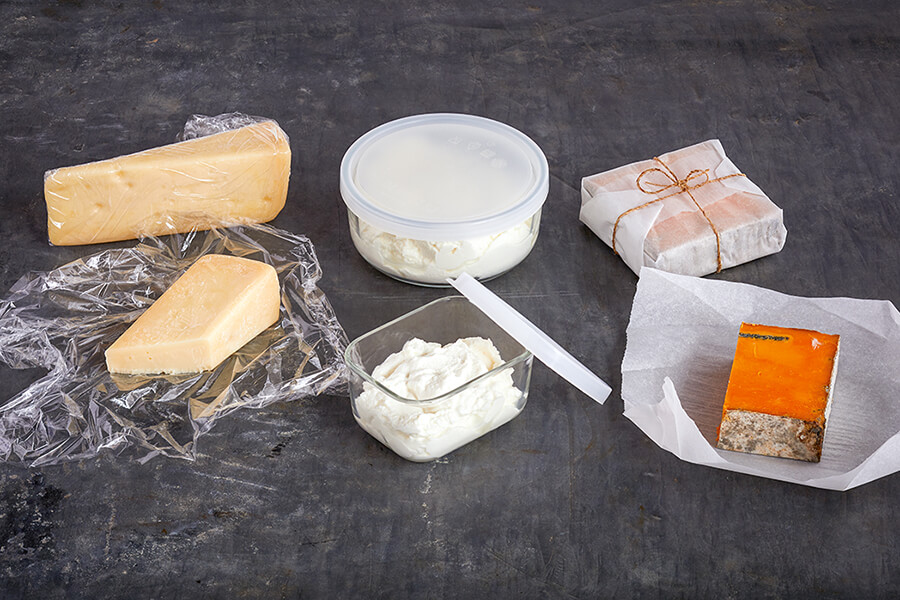
Bringing your homemade cheese to the perfect serving temperature is crucial for unlocking its full flavor profile and enjoying its texture. Proper handling after removal from the fridge ensures you experience the cheese at its best, preventing unwanted changes and preserving its quality. This section focuses on the essential steps for handling cheese once it’s out of cold storage.
Bringing Cheese to Serving Temperature
Allowing cheese to warm up to room temperature enhances its flavors and texture. The cold temperature of the fridge can mute the subtle nuances of your homemade cheese. This process, often called “tempering,” allows the fats and proteins to soften, releasing aromas and allowing the cheese to fully express its character.
- Soft Cheeses (e.g., Brie, Camembert): These cheeses benefit from a shorter tempering time. Remove them from the fridge about 30-60 minutes before serving. This allows them to soften slightly, making them easier to spread and enhancing their creamy texture. Imagine a perfectly ripe Brie, yielding gently to the touch – that’s the goal!
- Semi-Hard Cheeses (e.g., Cheddar, Gouda): These cheeses require a bit more time to warm up. Take them out of the fridge about 1-2 hours before serving. This allows the flavors to develop and the texture to become more supple. The longer tempering time allows for a more complex and nuanced taste experience.
- Hard Cheeses (e.g., Parmesan, Gruyere): Hard cheeses benefit from a longer tempering period, approximately 2-3 hours. This will allow the flavors to bloom fully. This longer exposure to room temperature allows for the crystallization of flavors, making them more pronounced.
- Blue Cheeses (e.g., Roquefort, Stilton): Blue cheeses can be tempered for about 30-60 minutes. Be careful not to over-temper, as they can become overly pungent.
- Temperature Considerations: Room temperature is generally considered to be between 68-72°F (20-22°C). Avoid placing cheese near heat sources, such as direct sunlight or a hot stove, as this can cause uneven melting and affect the texture.
- Optimal Environment: The ideal environment for tempering is a cool, stable room, away from direct sunlight and strong odors.
Preventing Condensation on Cheese
Condensation can develop on cheese surfaces as it warms up, especially when moving it from a cold environment to a warmer one. This moisture can negatively impact the cheese’s texture and flavor, promoting unwanted bacterial growth and potentially leading to spoilage. Proper handling minimizes this risk.
- Controlled Warming: Avoid rapid temperature changes. Gradual warming helps prevent excessive condensation.
- Initial Packaging: Leave the cheese in its original packaging or wrapping for the first part of the tempering process. This helps to moderate the temperature change.
- Gentle Air Exposure: Once the cheese has warmed slightly, you can remove the wrapping. This allows for some air circulation, which can help prevent condensation from forming.
- Absorbent Materials: If you notice condensation forming, gently pat the surface of the cheese with a clean, dry paper towel.
- Avoid Direct Heat: Do not place the cheese near heat sources, such as direct sunlight or a hot stove.
Proper Storage of Leftover Cheese
Properly storing leftover cheese after it has been cut or served is crucial for preserving its quality and extending its shelf life. This prevents the cheese from drying out, absorbing unwanted flavors, or developing unwanted mold.
- Re-wrapping or Re-packaging:
- Original Wrapping: If the cheese is still in good condition, you can rewrap it in its original packaging.
- Fresh Wrapping: If the original wrapping is damaged or unsuitable, rewrap the cheese tightly in cheese paper, wax paper, or parchment paper. These materials allow the cheese to breathe while protecting it from drying out.
- Plastic Wrap (Use with Caution): Plastic wrap can be used, but it’s less ideal than cheese paper or wax paper. If using plastic wrap, ensure it’s tightly sealed to prevent air exposure. Avoid using plastic wrap for long-term storage.
- Storage Containers:
- Airtight Containers: Place the wrapped cheese in an airtight container, such as a resealable plastic container or a glass container with a tight-fitting lid. This helps to prevent moisture loss and odor absorption.
- Cheese Storage Bags: Consider using specialized cheese storage bags. These bags are designed to regulate humidity and extend the shelf life of cheese.
- Fridge Placement: Store the leftover cheese in the designated cheese drawer or the crisper drawer of your refrigerator. These drawers typically maintain a higher humidity level, which helps to prevent the cheese from drying out. Avoid storing cheese near strong-smelling foods, as it can absorb odors.
- Mold Management: Regularly inspect the cheese for mold. If you see mold, you can usually cut it off, leaving about an inch of cheese around the mold. For softer cheeses, it’s safer to discard the entire piece if mold appears. If the mold is widespread, discard the cheese to prevent health risks.
- Labeling: Label the cheese with the date it was opened or cut. This helps you keep track of its age and ensures you use it before it spoils.
Troubleshooting Common Cheese Storage Issues
Maintaining the quality of your homemade cheese requires careful attention, and even with the best practices, problems can arise. Understanding these common issues and how to address them is crucial for extending the shelf life of your cheese and ensuring a delicious final product. This section delves into the most frequent storage problems, their causes, and effective solutions.
Mold Growth on Cheese
Mold is a common concern when storing cheese, and its presence can indicate a problem with storage conditions or handling. Not all mold is harmful, but identifying and addressing it promptly is essential.Mold growth is frequently observed on cheese, and several factors contribute to its appearance:
- Improper Humidity: High humidity levels within the refrigerator encourage mold growth.
- Inadequate Air Circulation: Lack of air circulation around the cheese promotes moisture buildup and mold development.
- Contamination: Cross-contamination from other foods in the refrigerator can introduce mold spores.
- Incorrect Packaging: Using packaging that is not breathable or that traps moisture can foster mold growth.
Here are some strategies to combat mold:
Problem: Mold appearing on the cheese surface.
Solution: If mold appears, assess its extent. For hard cheeses, you can often cut away the moldy portion (at least 1 inch around the affected area) and still consume the remaining cheese. For soft cheeses, discard the entire piece if mold is present, as it may have penetrated throughout.Preventative measures include storing cheese in breathable packaging, maintaining proper humidity levels in the fridge, and regularly inspecting your cheese.
Cheese Drying Out
Cheese drying out is another common issue, leading to a loss of moisture and a change in texture. This problem can make the cheese unpalatable.Cheese drying out is typically caused by:
- Exposure to Air: Leaving cheese exposed to air, even for short periods, can lead to moisture loss.
- Improper Packaging: Packaging that doesn’t adequately seal the cheese can allow air to reach the surface.
- Low Humidity: A refrigerator environment with low humidity can draw moisture from the cheese.
Addressing dryness requires:
- Proper Wrapping: Wrap cheese tightly in appropriate materials, such as cheese paper, beeswax wraps, or plastic wrap.
- Maintaining Humidity: While you don’t want excessive humidity, ensure the refrigerator environment is not overly dry. Consider using a dedicated cheese drawer or a container with a lid.
- Regular Monitoring: Check your cheese periodically for signs of dryness and adjust your storage methods accordingly.
Off-Flavors Developing in Cheese
Changes in flavor are a sign that the cheese is deteriorating. These changes can range from subtle to quite pronounced, affecting the cheese’s palatability.Off-flavors can develop in cheese due to:
- Absorption of Odors: Cheese can absorb odors from other strong-smelling foods in the refrigerator.
- Bacterial Growth: Unwanted bacterial growth can lead to changes in flavor and texture.
- Improper Temperature: Fluctuations in temperature can negatively impact the cheese’s flavor profile.
To prevent off-flavors:
- Proper Storage: Store cheese in airtight containers or tightly wrapped to prevent odor absorption.
- Maintain Consistent Temperature: Keep the refrigerator temperature consistent (ideally between 35-40°F or 2-4°C).
- Check Expiration Dates: Consume cheese within its recommended shelf life.
Changes in Texture
Changes in texture can indicate the cheese is deteriorating. These alterations might include a crumbly, slimy, or overly soft consistency.Texture changes can be attributed to several factors:
- Temperature Fluctuations: Temperature variations can cause the cheese to soften or become crumbly.
- Bacterial Contamination: The growth of undesirable bacteria can alter the cheese’s structure.
- Moisture Imbalance: Excessive moisture can make cheese slimy, while a lack of moisture can make it hard and crumbly.
Managing texture changes:
- Consistent Temperature: Maintain a stable refrigerator temperature to prevent unwanted textural shifts.
- Proper Packaging: Ensure the cheese is properly wrapped to control moisture levels.
- Monitor Regularly: Inspect the cheese frequently for any signs of textural changes.
Conclusion
In conclusion, we’ve uncovered the secrets to keeping your homemade cheese at its best. From the initial cooling to the final serving, the information provided ensures that your cheese maintains its flavor, texture, and safety. Implement these methods, and you’ll enjoy your homemade cheese for a long time. Now, go forth and store your cheese with confidence!