Discover the surprising potential of leftover whey, a byproduct often discarded, yet brimming with culinary and practical applications. This guide, “How to Use Leftover Whey in Your Kitchen (10+ Ideas),” transforms this overlooked ingredient into a versatile asset for your cooking, baking, and even your beauty routine. Get ready to unlock a treasure trove of ideas and reduce waste in the process.
We’ll start by understanding what whey is, its nutritional benefits, and how to safely handle and store it. Then, we’ll dive into the kitchen, exploring ways to incorporate whey into pancakes, baked goods, smoothies, soups, and even fermented foods. Beyond the kitchen, you’ll discover how whey can benefit your garden and your skincare routine. Prepare to be amazed by the versatility of this often-discarded liquid!
Introduction: Understanding Leftover Whey
Whey, a byproduct of cheesemaking and yogurt production, is often discarded. However, it’s packed with nutrients and can be a versatile ingredient in your kitchen. Learning to use whey is a great way to reduce food waste and boost your culinary creations.Whey’s nutritional profile makes it a valuable addition to your diet. It’s rich in protein, essential amino acids, and various vitamins and minerals.
What Whey Is and How It’s Produced
Whey is the liquid that separates from milk during the cheese-making process. When milk is curdled, the solid parts (curds) form the cheese, and the remaining liquid is whey. This process also occurs when making yogurt, where the whey separates during straining.There are two main types of whey: sweet whey and acid whey. Sweet whey is produced during the making of hard cheeses like cheddar or Swiss, using rennet.
Acid whey is produced when making soft cheeses like cottage cheese or ricotta, using acids like lactic acid. Both types contain proteins, lactose, minerals, and water, but their composition varies slightly based on the production method.
Nutritional Benefits of Whey
Whey is a complete protein, meaning it contains all nine essential amino acids that the body cannot produce on its own. This makes it an excellent source of protein for muscle building and repair.Beyond protein, whey offers other health benefits:
- Muscle Growth and Recovery: Whey protein is quickly absorbed, providing the body with the amino acids needed to repair and build muscle tissue after exercise. Studies show that consuming whey protein after workouts can enhance muscle protein synthesis.
- Weight Management: Whey protein can help with weight management by promoting satiety, which can reduce overall calorie intake. Research suggests that whey protein can also help preserve lean muscle mass during weight loss.
- Immune System Support: Whey contains immunoglobulins and other bioactive compounds that can support the immune system. These compounds can help the body fight off infections and diseases.
- Bone Health: Whey contains calcium and other minerals that are essential for bone health. These nutrients help to build and maintain strong bones.
Whey Protein Concentrate vs. Whey Protein Isolate
Whey protein is often processed further to create whey protein concentrate (WPC) and whey protein isolate (WPI). These are common ingredients in protein powders and other supplements, but they also differ in their composition.
- Whey Protein Concentrate (WPC): WPC typically contains 70-80% protein, with the remainder being lactose, fat, and minerals. It’s a more affordable option and retains more of the beneficial compounds found in whey.
- Whey Protein Isolate (WPI): WPI undergoes further processing to remove more fat and lactose, resulting in a protein content of 90% or higher. This makes it a good option for people who are lactose intolerant or looking for a higher protein content.
The choice between WPC and WPI depends on your dietary needs and preferences. If you’re lactose intolerant, WPI might be a better choice. If you’re looking for a more affordable option and can tolerate lactose, WPC is a good choice.
Safety First: Handling and Storage of Whey
Handling and storing leftover whey safely is crucial to prevent foodborne illnesses. Whey, being a dairy byproduct, is highly susceptible to bacterial growth. Improper storage can lead to spoilage and the potential development of harmful pathogens. This section Artikels the best practices for ensuring the safety of your leftover whey.
Potential Risks of Improper Whey Storage
Improper storage of whey can pose several health risks. The high protein and lactose content in whey create a favorable environment for microbial growth. Bacteria like
- Listeria monocytogenes*,
- Salmonella*, and
- Escherichia coli* can thrive in improperly stored whey, leading to food poisoning. Consumption of contaminated whey can cause symptoms such as nausea, vomiting, diarrhea, fever, and abdominal cramps. In severe cases, it can lead to hospitalization or even death, especially in vulnerable populations like young children, the elderly, and individuals with weakened immune systems.
Best Practices for Storing Leftover Whey
Proper storage significantly reduces the risk of spoilage and contamination. These are the recommended practices:
- Cooling Immediately: After separating the whey from the curds, cool it down as quickly as possible. Rapid cooling inhibits bacterial growth.
- Refrigeration: Store whey in an airtight container in the refrigerator immediately after it cools down. The ideal refrigeration temperature is 4°C (40°F) or below.
- Container Choice: Use clean, food-grade containers. Glass or BPA-free plastic containers are excellent choices. Avoid storing whey in containers that previously held other foods, especially those with strong odors.
- Labeling: Clearly label the container with the date of production to keep track of its age.
- Storage Duration: Whey can typically be stored safely in the refrigerator for 3-5 days. However, it’s best to use it as soon as possible for optimal quality.
- Freezing: If you don’t plan to use the whey within a few days, freezing is a viable option. Pour the whey into freezer-safe containers, leaving some headspace for expansion. Properly frozen whey can last for 2-3 months.
Signs of Whey Spoilage and What to Do
Identifying spoilage is critical to preventing foodborne illness. Always inspect the whey before use.
- Visual Inspection: Look for changes in appearance. Discard the whey if it has any of the following:
- Cloudiness or changes in color beyond its normal translucent appearance.
- The presence of mold or visible growth.
- Odor: Smell the whey. Spoiled whey often has a sour, off-putting odor, which might resemble that of rotten milk or yeast.
- Texture: Observe the texture. If the whey has thickened, become clumpy, or has separated into layers, it is likely spoiled.
- Taste: While not recommended as the primary method, a small taste test (after visual and odor checks) can confirm spoilage. If the whey tastes sour, bitter, or otherwise unpleasant, it should be discarded.
- What to Do: If you observe any signs of spoilage, discard the whey immediately. Do not attempt to salvage it by heating or filtering. Thoroughly clean and sanitize any containers or equipment that came into contact with the spoiled whey.
Cooking with Whey
Whey, with its subtle flavor and nutritional benefits, can be a fantastic ingredient to incorporate into your cooking. It’s a versatile liquid that can be used in a variety of ways, adding moisture, flavor, and a protein boost to your favorite dishes. Let’s explore how to use whey in your kitchen, starting with some delicious recipes.
Pancakes with Whey
Pancakes are a classic breakfast item, and whey can elevate them to the next level. The whey adds a subtle tang and helps create a fluffy texture. Here’s a simple recipe: Ingredients:
- 1 cup all-purpose flour
- 2 tablespoons sugar
- 2 teaspoons baking powder
- 1/2 teaspoon salt
- 1 cup whey
- 1 large egg
- 2 tablespoons melted butter, plus more for the griddle
Instructions:
- In a large bowl, whisk together the flour, sugar, baking powder, and salt.
- In a separate bowl, whisk together the whey, egg, and melted butter.
- Pour the wet ingredients into the dry ingredients and gently stir until just combined. Don’t overmix; a few lumps are okay.
- Heat a lightly buttered griddle or frying pan over medium heat.
- Pour 1/4 cup of batter onto the hot griddle for each pancake.
- Cook for 2-3 minutes per side, or until golden brown and cooked through.
- Serve immediately with your favorite toppings.
Breakfast Items with Whey
Whey’s versatility makes it a great addition to a variety of breakfast dishes. Adding whey can enhance both the flavor and nutritional profile of these items.
- Oatmeal: Substitute whey for water or milk when cooking oatmeal. This adds protein and a slightly tangy flavor.
- Smoothies: Whey can be a base for smoothies, providing a creamy texture and extra protein. Combine it with fruits, vegetables, and other ingredients.
- Scrambled Eggs: Adding a splash of whey to your scrambled eggs can make them fluffier and more flavorful.
- French Toast: Use whey in the custard mixture for French toast, replacing some or all of the milk.
- Breakfast Bread Pudding: Whey can be used in the custard base of bread pudding, similar to French toast.
Whey as a Replacement in Recipes
Whey can often be substituted for water or milk in various recipes. This is a simple and effective way to incorporate whey into your cooking, adding a nutritional boost and potentially enhancing the flavor of your dishes.
Here are some examples:
- Baking: Replace some or all of the water or milk in bread, muffins, and other baked goods with whey. This can add moisture and a slightly tangy flavor. For example, if a recipe calls for 1 cup of milk, you could use 1 cup of whey.
- Soups and Stews: Whey can be added to soups and stews to add flavor and body. Start with a small amount and adjust to taste.
- Sauces: Use whey to thin out sauces or add flavor. It works well in cheese sauces, white sauces, or other creamy sauces.
- Marinades: Whey can be used as a base for marinades, as it contains enzymes that can help tenderize meat.
Remember that whey can sometimes alter the texture of a dish slightly. For example, baked goods may be slightly more dense. Always start with a small amount of whey and adjust the recipe accordingly to achieve the desired results.
Baking with Whey

Whey, the byproduct of cheese and yogurt making, is a fantastic, often overlooked ingredient in baking. It adds a subtle tang, improves texture, and boosts the nutritional profile of your baked goods. Using whey in your recipes is a great way to reduce food waste and create delicious treats.
Enhancing Texture and Flavor
Whey significantly impacts the texture and flavor of baked goods. Its slightly acidic nature interacts with baking soda, contributing to a lighter and airier crumb. The proteins in whey also help to tenderize the gluten, resulting in a more delicate texture. The subtle tang of whey adds complexity to the flavor, complementing both sweet and savory baked goods.
Incorporating Whey into Bread Recipes
Whey can be seamlessly integrated into bread recipes. You can substitute whey for water or milk in most bread recipes at a 1:1 ratio. The acidity in whey can help activate the yeast, promoting better rising. Here are some specific suggestions:
- Substituting for Liquid: Replace the water or milk called for in your bread recipe with an equal amount of whey. This works well in almost any bread, from simple white bread to more complex sourdough.
- Adding Extra Flavor: For a more pronounced flavor, use whey to hydrate your starter in sourdough bread. The whey will contribute to the sourness and depth of flavor.
- Experimenting with Quantities: Start by substituting half of the liquid with whey and then gradually increase the amount to your liking. Be mindful of the dough’s consistency; you may need to adjust the amount of flour slightly.
- Using in Sweet Breads: Whey adds a delightful tang to sweet breads like cinnamon rolls or brioche. It can help balance the sweetness and add depth of flavor.
Adjusting Baking Times and Temperatures
When baking with whey, it’s essential to consider potential adjustments to baking times and temperatures. The higher acidity of whey can affect the browning process, and the increased moisture content might require slight modifications.
- Monitoring Browning: Whey can sometimes cause baked goods to brown faster. Keep a close eye on your oven and be prepared to reduce the baking temperature slightly if the crust is browning too quickly.
- Adjusting Baking Times: Due to the increased moisture, you might need to extend the baking time slightly. Use a toothpick or cake tester to check for doneness, especially in the center of the baked good.
- Reducing Oven Temperature: If you notice excessive browning, reduce the oven temperature by 25°F (about 14°C) to prevent burning the outside while the inside remains underbaked.
- Considering Recipe Specifics: The extent of the adjustments needed will depend on the specific recipe. For example, recipes with higher sugar content might brown more quickly.
Whey-Infused Beverages
Whey offers a fantastic opportunity to boost the nutritional value of your drinks. Its mild flavor blends well with various ingredients, making it an excellent base for smoothies and refreshing beverages. These drinks provide hydration and a protein punch, making them perfect for any time of day.
Whey-Based Smoothies: Fruit Combinations
Smoothies are a quick and delicious way to incorporate whey into your diet. You can customize them to your taste preferences by experimenting with different fruit combinations. Here are a few examples to get you started:
- Berry Blast Smoothie: This smoothie is packed with antioxidants and vitamins.
- 1/2 cup frozen mixed berries (strawberries, blueberries, raspberries)
- 1/2 cup whey
- 1/2 banana
- 1/4 cup almond milk (or any milk)
- 1 tablespoon chia seeds
- Ice cubes (optional)
- Tropical Mango Smoothie: A sweet and creamy smoothie that will transport you to a tropical paradise.
- 1 cup frozen mango chunks
- 1/2 cup whey
- 1/4 cup coconut milk
- 1/4 cup pineapple chunks
- A squeeze of lime juice
- Ice cubes (optional)
- Green Power Smoothie: A nutrient-rich smoothie to fuel your body.
- 1 cup spinach or kale
- 1/2 cup whey
- 1/2 green apple, cored
- 1/4 avocado
- 1/4 cup water or coconut water
- Ice cubes (optional)
Refreshing Whey-Infused Drink Recipe: Post-Workout Recovery
After a workout, your body needs to replenish fluids and protein to aid muscle recovery. This whey-infused drink is designed to do just that.
- Ingredients:
- 1 cup cold water
- 1/2 cup whey
- 1/4 teaspoon sea salt (for electrolyte replenishment)
- 1/2 tablespoon honey or maple syrup (for a touch of sweetness and energy)
- A squeeze of lemon or lime juice (for flavor and vitamin C)
- Instructions:
- Combine all ingredients in a shaker bottle or blender.
- Shake or blend until well combined.
- Enjoy immediately after your workout.
Nutritional Comparison: Whey-Based vs. Regular Beverages
This table provides a comparison of the nutritional content between whey-based beverages and regular alternatives, illustrating the benefits of incorporating whey into your drinks. The data is based on general estimations and can vary depending on specific ingredients and brands.
| Beverage Type | Protein (grams) | Carbohydrates (grams) | Fat (grams) | Calories |
|---|---|---|---|---|
| Whey Smoothie (Berry Blast) | 20-25 | 25-30 | 5-10 | 250-300 |
| Regular Smoothie (Berry Blast – no whey) | 5-10 | 30-35 | 2-5 | 200-250 |
| Whey Post-Workout Drink | 15-20 | 5-10 | 0-1 | 100-150 |
| Regular Post-Workout Drink (Sports Drink) | 0 | 15-20 | 0 | 60-80 |
Whey in Soups and Sauces
Whey isn’t just for baking and beverages; it’s a versatile ingredient that can add a depth of flavor and creamy texture to your savory dishes. Using whey in soups and sauces is a fantastic way to reduce food waste and enhance the overall taste of your meals. It provides a subtle tang and boosts the nutritional value of your creations.
Thickening Soups and Sauces with Whey
Whey can act as a natural thickener, offering a healthier alternative to heavy cream or cornstarch. The proteins in whey help to bind liquids and create a smoother consistency.To thicken soups and sauces with whey, consider these techniques:
- Adding Whey Directly: Simply stir whey into your soup or sauce towards the end of the cooking process. Start with a small amount and gradually add more until you reach your desired thickness. Be careful not to boil the whey, as this can cause it to curdle.
- Whey Roux: Create a roux using butter or oil and flour, then whisk in whey gradually. This method is excellent for thickening sauces and gravies.
- Whey Reduction: Simmering whey over low heat will reduce its liquid content, concentrating the flavors and thickening it naturally. This is particularly useful for adding a concentrated whey flavor to your dishes.
Creamy Whey-Based Soup Recipe
This recipe offers a simple and delicious way to incorporate whey into a comforting soup. Ingredients:
- 2 tablespoons olive oil
- 1 onion, chopped
- 2 cloves garlic, minced
- 4 cups vegetable broth
- 2 cups leftover whey
- 1 cup cooked vegetables (such as carrots, celery, and potatoes), chopped
- Salt and pepper to taste
- Fresh herbs (such as parsley or chives), for garnish
Instructions:
- Heat the olive oil in a large pot over medium heat. Add the onion and cook until softened, about 5 minutes. Add the garlic and cook for another minute until fragrant.
- Pour in the vegetable broth and bring to a simmer.
- Add the cooked vegetables and whey.
- Season with salt and pepper to taste.
- Simmer for 10-15 minutes, allowing the flavors to meld.
- Garnish with fresh herbs and serve hot.
This soup provides a balanced flavor profile and a creamy texture thanks to the whey. It’s also a great way to use up leftover vegetables.
Whey and Flavor Profiles in Savory Dishes
Whey’s subtle tang and creamy texture make it a versatile ingredient that complements a wide range of flavor profiles.Whey’s flavor profile harmonizes well with various ingredients:
- Earthy Flavors: Whey pairs beautifully with earthy vegetables like mushrooms, root vegetables, and squash. Consider adding whey to a mushroom soup or a butternut squash bisque.
- Spicy Dishes: The acidity of whey can balance the heat in spicy dishes. Use it to create a cooling sauce for tacos or add it to a chili recipe.
- Citrus and Herbs: Whey’s mild flavor allows citrus and fresh herbs to shine. Incorporate it into dressings for salads or use it in a marinade for chicken or fish.
- Rich and Savory Flavors: Whey enhances the richness of dishes with cheese, butter, or cream. It can also be added to gravies, stews, and sauces to improve their texture and flavor.
Whey’s versatility makes it an excellent ingredient to experiment with in your kitchen, adding depth and complexity to your savory creations.
Whey and Fermentation

Whey, a byproduct of cheesemaking, is more than just a liquid to discard. It’s a powerhouse of beneficial bacteria that can kickstart fermentation, transforming ordinary foods into probiotic-rich delights. Using whey for fermentation not only reduces food waste but also unlocks a whole new world of flavors and health benefits. This section explores the fascinating intersection of whey and fermentation, providing practical guidance for incorporating this technique into your kitchen.
Whey and Vegetable Fermentation
Whey contains lactic acid bacteria, which are essential for the fermentation process. These bacteria convert sugars in vegetables into lactic acid, creating a sour and tangy flavor profile while also preserving the food. Fermenting with whey accelerates the process, resulting in faster and more consistent results compared to relying solely on naturally occurring bacteria. This method is particularly effective for vegetables, offering a versatile way to enjoy their nutritional benefits.
Making Whey-Fermented Pickles
Creating whey-fermented pickles is a straightforward process that yields delicious and probiotic-rich results. Here’s a step-by-step guide:
- Prepare the Ingredients: Gather your cucumbers, ensuring they are fresh and firm. Wash and trim them. Also, assemble your pickling spices, such as dill, garlic, peppercorns, and mustard seeds.
- Sterilize the Jars: Sanitize your glass jars and lids by boiling them for 10 minutes or running them through a dishwasher’s sanitizing cycle. This eliminates unwanted bacteria that could spoil the fermentation process.
- Pack the Jars: Place the pickling spices at the bottom of the jar. Pack the cucumbers tightly into the jar, leaving about an inch of headspace.
- Prepare the Whey Brine: In a separate bowl, mix whey (about 1-2 tablespoons per quart jar) with non-iodized salt (approximately 1 tablespoon per quart jar) and filtered water. The salt concentration is crucial for controlling the fermentation and preventing spoilage.
- Pour the Brine: Pour the whey brine over the cucumbers, ensuring they are completely submerged. Add a fermentation weight or use a clean, non-reactive object like a small glass to keep the cucumbers submerged.
- Seal and Ferment: Close the jars with their lids. If using a standard lid, burp the jars daily to release any pressure buildup. Alternatively, use an airlock lid for a more controlled fermentation process.
- Fermentation Time: Let the jars ferment at room temperature (ideally around 65-75°F/18-24°C) for several days to a week or longer, depending on your preferred level of sourness. Taste the pickles regularly to monitor the fermentation progress.
- Refrigerate and Enjoy: Once the pickles have reached your desired flavor, transfer the jars to the refrigerator to slow down the fermentation. Refrigerated pickles can last for several weeks.
Benefits of Fermented Foods and Their Connection to Whey
Fermented foods, like whey-fermented pickles, offer a wealth of health benefits. The fermentation process increases the bioavailability of nutrients, making them easier for the body to absorb. Additionally, fermented foods are a significant source of probiotics, beneficial bacteria that support gut health.
Probiotics play a crucial role in maintaining a balanced gut microbiome, which is linked to improved digestion, enhanced immunity, and reduced inflammation.
Whey enhances these benefits by introducing additional strains of lactic acid bacteria, further enriching the probiotic profile of the fermented foods. Consuming whey-fermented foods is a delicious and effective way to boost your intake of probiotics and reap the associated health rewards.
Whey in Dairy-Free Cooking
Whey, a byproduct of cheese and yogurt production, might seem out of place in dairy-free cooking. However, its unique properties can be harnessed to add flavor, texture, and nutritional value to plant-based recipes. This section explores how to creatively incorporate whey into dairy-free dishes, addressing both the benefits and the challenges involved.
Whey Substitutions for Dairy Ingredients
Whey can act as a surprising substitute for certain dairy ingredients, enhancing the taste and structure of dairy-free meals. It is crucial to understand that whey does not always perfectly replicate the function of dairy due to its lack of fat content, so adjustments may be necessary.
- As a Buttermilk Substitute: Whey’s slightly acidic nature makes it a decent stand-in for buttermilk in recipes. It can tenderize gluten and contribute to a light, fluffy texture.
- In Place of Water or Milk: In some recipes, whey can be used in place of water or non-dairy milk. It adds a subtle tang and boosts the protein content.
- For Acidic Components: Whey can be added to dairy-free sauces or dips to add a bit of tanginess, similar to the effect of lemon juice or vinegar.
Use 1 cup of whey for 1 cup of buttermilk. You may need to adjust the amount of liquid in the recipe, as whey is thinner than buttermilk.
Challenges and Considerations When Using Whey in Dairy-Free Cooking
Incorporating whey into dairy-free cooking presents several considerations. Understanding these challenges is key to successful and delicious results.
- Allergens and Dietary Restrictions: Whey contains lactose and is a derivative of milk. Therefore, it is unsuitable for individuals with lactose intolerance or dairy allergies. Always clearly label dishes containing whey.
- Flavor Profile: Whey has a distinct, slightly tangy flavor that may not complement all dairy-free recipes. It works best in recipes where a subtle tang is desirable, such as pancakes, muffins, or sauces.
- Texture Adjustments: Since whey is low in fat, it may result in a slightly different texture than using dairy. Adding a bit of oil or fat to the recipe might be necessary to compensate.
- Recipe Modification: When substituting whey for dairy, you might need to adjust other ingredients. For instance, if using whey instead of milk in a baking recipe, consider reducing the liquid content slightly.
- Sourcing Whey: Sourcing whey can be an issue. If you make your own cheese or yogurt, you’ll have a ready supply. Otherwise, it might be challenging to find it in stores. You can also try using whey protein powder, but the results will be different due to the added processing and the presence of other ingredients.
Whey for Gardening: Boosting Plant Growth
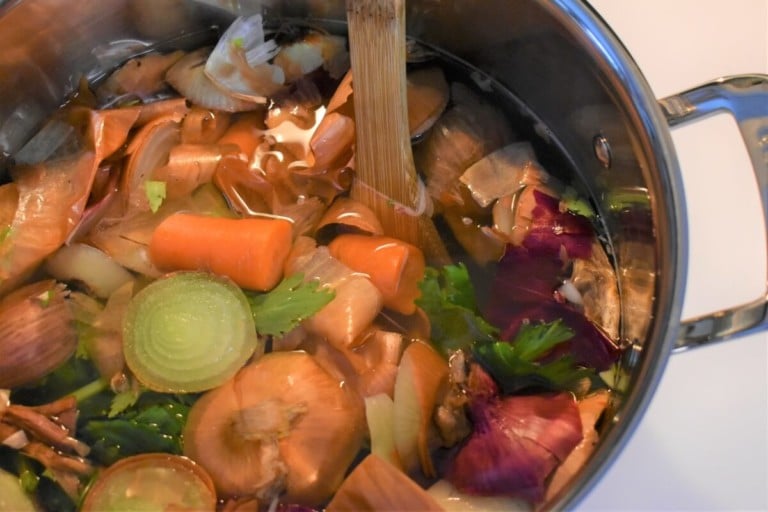
Whey, the byproduct of cheesemaking, isn’t just useful in the kitchen; it’s also a valuable resource for your garden. Its nutrient-rich composition can significantly benefit plant growth and soil health, making it a sustainable and effective alternative to commercial fertilizers. This section will explore how to harness the power of whey in your garden.
Whey as a Natural Fertilizer
Whey contains essential nutrients that plants need to thrive. It’s rich in nitrogen, which promotes leafy growth; phosphorus, which supports root development and flowering; and potassium, which aids in overall plant health and disease resistance. Additionally, whey contains trace minerals and lactose, which can act as a food source for beneficial soil microbes, further enhancing soil fertility. The benefits extend beyond simple nutrient delivery; whey can improve soil structure, helping it retain water and air.
Methods for Applying Whey to Plants
There are several ways to incorporate whey into your gardening routine, each offering unique advantages. It is essential to dilute the whey before applying it to your plants to avoid potential problems such as excessive nitrogen levels or fungal growth.
- Diluted Spray: Mix whey with water, typically a 1:10 ratio (whey to water). This diluted solution can be sprayed directly onto plant foliage. This method provides a quick nutrient boost and can help deter certain pests. For example, a diluted whey spray can be applied to tomato plants to provide nutrients and help prevent fungal diseases.
- Soil Drench: Dilute whey as above and pour it directly onto the soil around the base of your plants. This method is particularly effective for delivering nutrients to the root system. Apply this method during the growing season, especially during periods of active growth and fruiting.
- Composting: Add whey to your compost pile. The whey will break down, enriching the compost with nutrients. This enriched compost can then be used to amend your garden soil. Whey can accelerate the composting process, providing a rich, balanced fertilizer.
- Direct Application (with caution): While less common, you can add small amounts of whey directly to the soil. This method should be done sparingly and with careful monitoring to prevent potential issues with soil pH or excessive nitrogen. A thin layer of whey can be added around plants, and then lightly mixed into the soil.
Benefits of Using Whey in Your Garden
Utilizing whey in your garden offers numerous advantages, contributing to healthier plants and a more sustainable gardening practice.
- Enhanced Plant Growth: The nitrogen, phosphorus, and potassium in whey promote robust plant growth, leading to increased yields and healthier foliage. Plants will exhibit more vibrant colors and stronger stems.
- Improved Soil Health: Whey feeds beneficial soil microbes, improving soil structure and fertility. This results in better water retention, aeration, and nutrient availability. Healthy soil is crucial for long-term plant health.
- Disease Resistance: Whey can help plants become more resistant to diseases by providing essential nutrients and strengthening their natural defenses. This reduces the need for chemical treatments.
- Natural and Sustainable: Using whey is a natural and sustainable gardening practice, reducing reliance on synthetic fertilizers and minimizing environmental impact. This aligns with eco-friendly gardening principles.
- Cost-Effective: Whey is often a free or low-cost byproduct of cheesemaking, making it an economical alternative to commercial fertilizers. This can lead to significant savings over time.
Whey-Based Beauty
Whey, that byproduct of cheese-making, isn’t just a culinary ingredient; it can also be a surprising addition to your beauty routine. Packed with beneficial compounds, whey offers a natural approach to skincare, providing gentle yet effective solutions for various skin concerns. Its versatility allows for the creation of simple, DIY treatments that can enhance your skin’s health and appearance.
Benefits of Whey for Skin Health
Whey contains several components that contribute to its skin-enhancing properties. It is a source of alpha-hydroxy acids (AHAs), such as lactic acid, which gently exfoliate the skin, promoting cell turnover and revealing a brighter complexion. The proteins in whey can help to improve skin elasticity and firmness. Whey also possesses anti-inflammatory properties, potentially soothing irritated skin. Furthermore, the presence of vitamins and minerals in whey can nourish and hydrate the skin.
Whey-Based Face Mask Recipe
Creating a simple face mask using whey is straightforward and requires minimal ingredients.Here’s a basic recipe:* 1 tablespoon of fresh whey
- 1 teaspoon of honey (optional, for added moisture and antibacterial benefits)
- 1 teaspoon of finely ground oatmeal (optional, for gentle exfoliation and soothing properties)
Instructions:
- Combine the whey, honey, and oatmeal (if using) in a small bowl. Mix until a smooth paste forms.
- Apply the mask evenly to a clean face, avoiding the eye area.
- Allow the mask to sit for 10-15 minutes.
- Rinse thoroughly with lukewarm water.
- Gently pat your face dry and apply your regular moisturizer.
This mask provides a gentle exfoliation and hydration boost.
For individuals with sensitive skin, perform a patch test on a small area of skin before applying the mask to the entire face.
Using Whey in Other DIY Skincare Treatments
Whey’s versatility extends beyond face masks. Consider these alternative uses:* Whey Toner: Dilute whey with an equal part of distilled water. Apply to the face using a cotton pad after cleansing to balance the skin’s pH and provide a gentle exfoliation.
Whey Bath
Add a cup or two of whey to your bathwater. The whey’s properties can help soothe dry or irritated skin.
Whey Spot Treatment
For minor blemishes, apply a small amount of whey directly to the affected area. The lactic acid and other compounds may help to reduce inflammation and promote healing.
Whey Hair Rinse
After shampooing, pour diluted whey (1 part whey to 1 part water) over your hair. Rinse thoroughly with water. Whey can help to condition and add shine to the hair.
Whey for Sunburn Relief
Applying cool, diluted whey to sunburned skin may help to soothe inflammation and promote healing, due to its anti-inflammatory properties.
Creative Whey Ideas
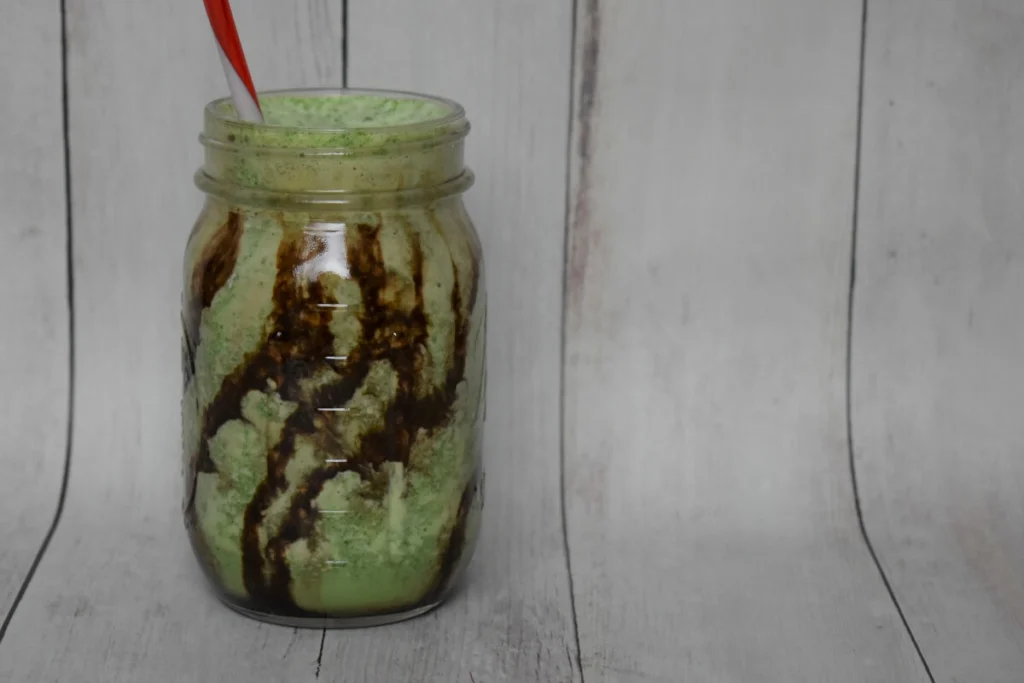
Beyond the typical culinary and gardening applications, leftover whey offers a surprisingly diverse range of uses, extending into areas you might not have considered. This section delves into some innovative and less-known ways to leverage this byproduct, showcasing its versatility and potential beyond the kitchen.
Whey as a Natural Adhesive
Whey can be utilized as a natural adhesive. This application stems from the protein content within whey, which can act as a binding agent.To create a basic whey-based adhesive:
- Concentrate the whey by gently simmering it over low heat until it thickens slightly, reducing the water content. Be careful not to boil it.
- Once thickened, allow it to cool.
- Apply the cooled, concentrated whey to the surfaces you wish to join, and allow it to dry.
The resulting bond, while not as strong as modern synthetic adhesives, can be effective for light-duty tasks, such as paper crafts or adhering lightweight materials.
Unexpected Uses for Leftover Whey
Here are some unconventional applications for leftover whey:
- Whey for Cleaning Silverware: The lactic acid in whey can help remove tarnish from silverware. Simply soak your silverware in whey for a few hours, then rinse and polish. This method is a gentle alternative to harsh chemical cleaners.
- Whey in Animal Feed: Whey is a nutritious supplement for some animals, such as pigs and chickens. It can be added to their feed to boost their protein intake and improve their overall health. Consult with a veterinarian or animal nutritionist to determine the appropriate amount for your animals.
- Whey for Fabric Dyeing: Whey can be used as a mordant in natural dyeing processes. The whey helps the dye adhere to the fabric, resulting in richer, more vibrant colors. It’s especially effective with protein-based dyes like those derived from insects or certain plants.
- Whey in Paper Making: The protein in whey can be incorporated into the pulp when making handmade paper. This adds strength and a unique texture to the final product.
- Whey as a Soil Conditioner: In addition to direct plant feeding, whey can be used to improve soil structure. Adding whey to the soil can help improve drainage and aeration, benefiting plant growth indirectly.
Other Creative Ways to Utilize Whey in Your Daily Routine
Beyond the aforementioned applications, incorporating whey into your daily routine can be achieved in several other creative ways.One example involves using whey in homemade skincare products. The alpha-hydroxy acids (AHAs) present in whey can act as a gentle exfoliant.To make a simple whey face mask:
- Mix a small amount of whey with a natural ingredient like honey or oatmeal.
- Apply the mixture to your face.
- Leave it on for 10-15 minutes.
- Rinse thoroughly.
This can help to gently exfoliate the skin, leaving it feeling refreshed. Always test a small area of skin first to check for any allergic reactions.
Ultimate Conclusion
From breakfast staples to DIY skincare, this exploration of “How to Use Leftover Whey in Your Kitchen (10+ Ideas)” has revealed the remarkable potential of this often-wasted resource. By embracing these ideas, you can reduce food waste, enhance your culinary creations, and discover new ways to integrate this nutrient-rich liquid into your daily life. So, the next time you have leftover whey, remember the possibilities and get creative!